Texas Roadhouse Butter Chicken Skillet
Introduction
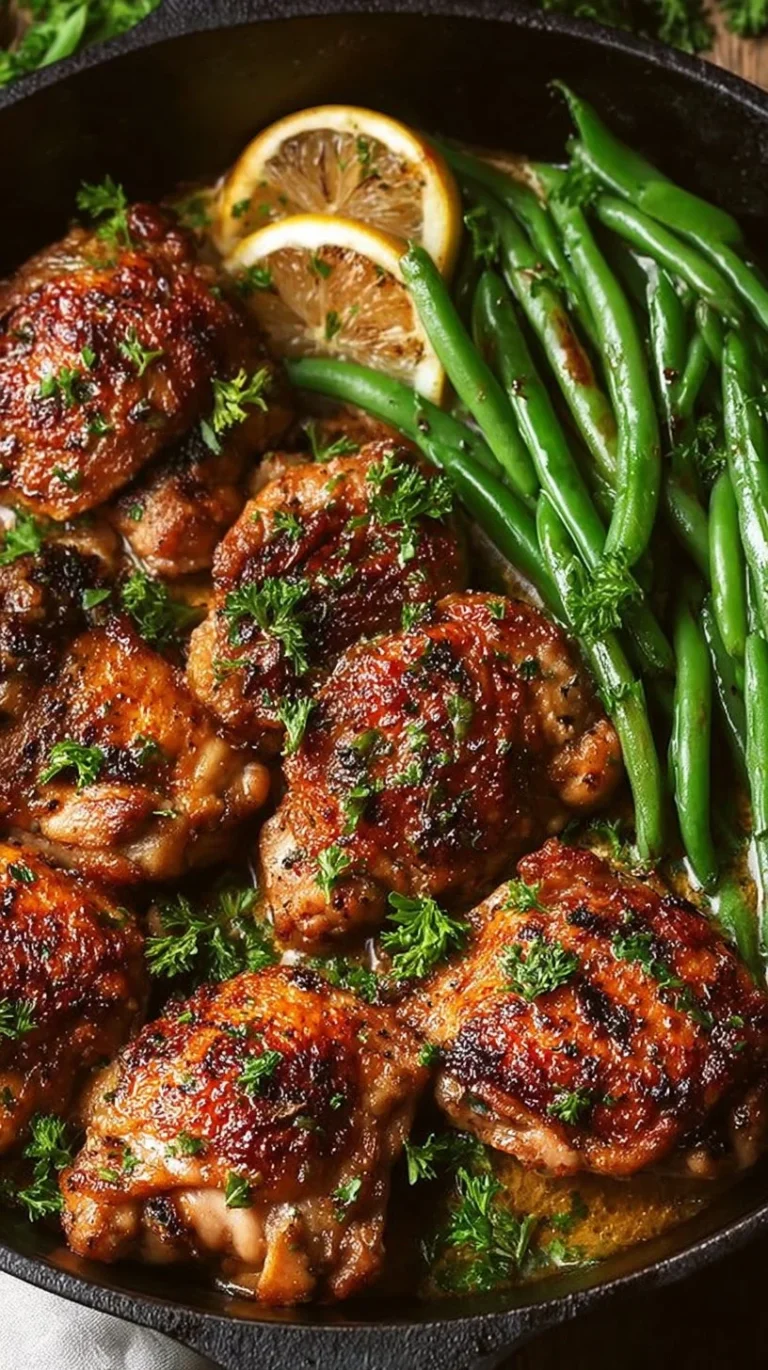
This recipe, Texas Roadhouse Butter Chicken Skillet, presents a concentrated study in pan sauce mechanics and simplified flavor layering that yields an immediately gratifying main course. The composition relies on three core techniques: controlled browning of lean poultry for texture and flavor, purposeful deglazing to harvest fond, and emulsification of butter into a thin, seasoned sauce. Each of these elements is compact and teachable; they form a reproducible sequence that produces a glossy, aromatic finish where butter, honey, and smoked paprika read clearly without obscuring the chicken’s natural succulence. For practitioners looking to refine skillet work or consolidate technique for weeknight service, this formula is direct and efficient. One can reference a contrasting butter-based finish for texture comparison in other preparations, such as the precise crystallization control demonstrated in a dessert technique like the salted caramel butter bars noted in this resource: technical reference for butter handling.
The culinary logic behind this dish
At its core, the dish is built around Maillard development on boneless, skinless chicken breasts and the conversion of pan residue into flavor through deglazing. Boneless breasts are lean and cook quickly; therefore, the objective is to create an exterior crust without overcooking the interior. The butter-honey compound functions as both flavor vector and gloss—honey provides sweetness and slight viscosity, butter supplies richness and mouthfeel, while smoked paprika and garlic powder supply aromatic lift and smoky warmth. Salt and black pepper balance and highlight natural meat flavors.
The use of a small volume of chicken broth performs two technical roles: it loosens browned matter from the pan to form a base for the sauce, and it moderates the richness of the butter, preventing an overly heavy coating while enabling the sauce to coat the protein uniformly. Understanding this interplay explains why each step matters—browning creates flavor precursors, deglazing translates them into sauce, and emulsification ensures a stable, clingable coating.
How to make Texas Roadhouse Butter Chicken Skillet
Ingredients :
4 boneless, skinless chicken breasts, 2 tbsp olive oil, 1/4 cup unsalted butter, 2 tsp honey, 1 tsp garlic powder, 1 tsp smoked paprika, 1/2 tsp salt, 1/2 tsp black pepper, 1/4 cup chicken broth, 1 tbsp chopped parsley (for garnish)
Directions :
In a small mixing bowl, combine butter, honey, garlic powder, smoked paprika, salt, and pepper. Mix until smooth and set aside., Heat olive oil in a skillet over medium heat. Add chicken breasts and cook for 5-6 minutes per side, until golden and cooked through (internal temp should be 165°F). Remove chicken from skillet and set aside., In the same skillet, add chicken broth to deglaze the pan. Stir in the butter mixture and cook until smooth., Return chicken to the skillet and coat with the sauce. Simmer for 2-3 minutes to absorb the flavors., Garnish with parsley and serve.
Ingredient analysis through a chef’s lens
This formula uses a concise ingredient set where each component has a precise technical function. Olive oil raises the smoke point and facilitates even browning before butter enters the pan. Unsalted butter is chosen to control final seasoning; because salt level is specified independently, unsalted butter prevents oversalting during sauce reduction. Honey acts as both sweetener and glazing agent—its low water activity and viscosity help the sauce adhere to protein while contributing caramel notes when briefly warmed. Garlic powder gives an immediate, even aromatic distribution without moisture that could interfere with browning. Smoked paprika supplies phenolic smoke compounds for depth, substituting for longer cooking techniques that would otherwise impart a charred aroma.
The small fraction of chicken broth is a deliberate choice: it yields enough liquid to lift fond without diluting fat concentration excessively. Salt and pepper are restrained at 1/2 teaspoon each, appropriate for four breasts, and ensure the seasoning does not dominate the delicate butter-honey profile. Parsley at finish delivers a bright herbal contrast and a visual cue to freshness.
Kitchen workflow & technique breakdown
Sequence and temperature control determine success for this skillet preparation. Begin by assembling the butter mixture before the pan is heated; cold butter blends more predictably with dry seasonings and honey when given a brief whisk, which accelerates emulsification later. Heat the skillet to medium: this temperature range allows for Maillard reactions on the surface without burning the exterior before the center reaches 165°F. Moderate heat is more forgiving for home kitchens and yields a golden crust rather than a char.
When placing breasts in the skillet, do not overcrowd: space promotes even contact and consistent browning. Use a single-turn action to flip only once when the surface releases readily—this indicates a proper crust. After removing the chicken, allow the pan to rest for 20–30 seconds before deglazing; this pause concentrates the fond and avoids immediate steam that can limit flavor extraction. Add the chicken broth and scrape with a wooden spatula to lift browned bits—this is the conversion of dry, roasted compounds into soluble flavor elements.
The previously blended butter-honey mixture should be added off-heat or on the lowest steady heat to prevent the butter from separating. A controlled, slow incorporation yields a cohesive sauce. Return the chicken to the pan briefly so the sauce can cling, finish with a short simmer to meld flavors, and garnish.
See a demonstration of disciplined butter technique for reference to maintaining butter texture in warm preparations.
Texture control, heat management & timing
Texture is the result of controlling time at heat. Chicken breasts are lean; the goal is a crust thickness sufficient to provide textural contrast while keeping the interior moist. Target an internal temperature of 165°F and monitor with a probe thermometer inserted laterally into the thickest point. If breasts are uneven in thickness, use a light pound with a flat mallet to even them before cooking—this reduces cooking time variance.
Heat management for the sauce is equally critical. Bringing butter directly to high heat after deglazing risks breaking the emulsion or causing the milk solids to brown and impart bitterness. Maintain low-to-medium heat when incorporating the butter mixture; the residual heat from the pan and the broth will warm the butter sufficiently to form a glossy emulsion. Simmering the assembled dish for 2–3 minutes allows the sauce to reduce slightly and concentrate without risking dryness in the meat. Texture here is about balance: thin, coatable sauce, not a heavy glaze; tender, not rubbery protein.
Professional variations
Professional kitchens adapt this scaffold to service needs. For greater depth, a small shallot or a quick sauté of minced garlic before deglazing introduces fresh aromatics; however, adding aromatic solids would change the ingredient list and thus is not included in the baseline recipe. For textural contrast, finish with a scattering of toasted breadcrumbs or chopped toasted almonds at plating. To modify the seasoning profile while keeping the original structure, substitute smoked paprika with sweet paprika for less pronounced smoke or add a pinch of cayenne for heat. For higher-volume production, brown chicken on sheet pans under a broiler to create uniform crusts, then finish in a hotel pan with heated sauce to maintain consistency. When crafting variations, maintain the deglazing-emulsification sequence so the sauce remains stable.
Finishing touches & plating philosophy
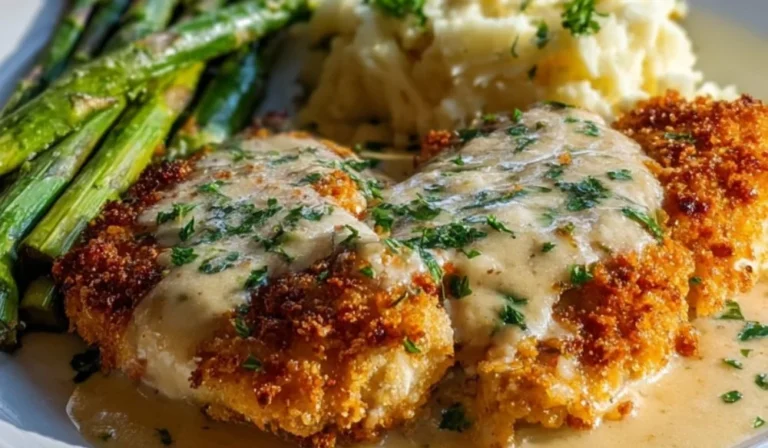
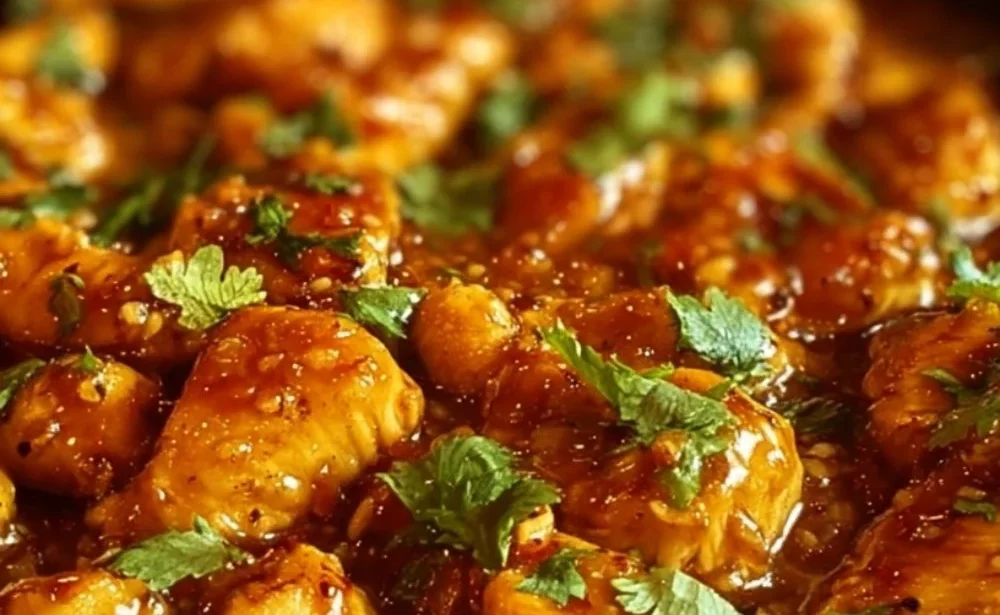
Finish with parsley to introduce a clean, herbaceous note that counterbalances butter’s richness and honey’s weight. When plating, spoon sauce over the crown of the breast rather than pooling it under the meat; this highlights texture and encourages diners to experience the crust before the sauce. For composed service, place the chicken on a linear bed—rice, mashed potatoes, or a short-grain buttered polenta—so the sauce softens the starch without making the protein soggy. Wipe the rim of the plate clean to present a professional edge and consider the temperature contrast: a warm plate supports retention of the glossy sauce.
Maintaining quality after cooking
Resting briefly after cooking, even for pan-seared breasts, allows residual heat to equilibrate and the muscle fibers to relax, preserving juiciness. Do not exceed a short resting period; prolonged standing in the sauce will progressively break down the emulsion and can turn the texture greasy. For holding in a professional setting, keep plated portions in a low oven (approximately 140–150°F) loosely covered to prevent crust loss; avoid steam which will reduce surface crispness. If sauce is prepared in advance, re-warm gently and re-emulsify with a touch of warm broth or butter before finishing on the protein.
A technical analysis of butter behavior under heat can be instructive for refining holding procedures.
Questions from home cooks (chef answers)
Q: Will the butter sauce split if I add it to a hot pan?
A: If you add a cold butter compound to a blazing-hot pan, the emulsion is at risk. Reduce heat, add the butter mixture gradually, and whisk or stir to marry the fat and broth. The presence of the modest 1/4 cup of chicken broth stabilizes the emulsion.
Q: Can I use skin-on breasts?
A: Skin-on breasts change the browning dynamics and will render additional fat; if using skin-on, render the skin first skin-side down until crisp, then adjust final seasoning as the rendered fat will increase richness.
Q: How do I prevent dryness?
A: Even thickness and accurate temperature monitoring prevent overcooking. Flatten uneven breasts and remove at 165°F to ensure food safety and retained moisture.
Q: Is there an alternative to smoked paprika?
A: Sweet paprika or a small pinch of smoked salt will adjust the smoke profile without altering technique.
Final chef notes
This recipe exemplifies economy of technique: minimal ingredients, repeatable steps, and immediate sensory payoff. The workflow emphasizes the conversion of Maillard-derived solids into a pan sauce that is buttery but not cloying. Attention to heat, timing, and emulsion stability transforms a modest ingredient list into a composed dish. For cooks aiming to translate this into reproducible results, focus on consistent pan temperature, measured resting times, and a deliberate deglazing-emulsification sequence. Small calibrations—such as adjusting heat when adding butter or spacing the proteins correctly—deliver the most reliable improvements in outcome.
Conclusion
For a concise, executable reference on replicating this skillet-style butter chicken at home, consult the step-by-step recreation for technique and timing at Easy 30 Minute Texas Roadhouse Butter Chicken Skillet – Aunty Meals. For an alternate home cook perspective with comparable method notes and plating ideas, see Texas Roadhouse Butter Chicken – My Homemade Recipe.
Texas Roadhouse Butter Chicken Skillet
Ingredients
Method
- In a small mixing bowl, combine butter, honey, garlic powder, smoked paprika, salt, and pepper. Mix until smooth and set aside.
- Heat olive oil in a skillet over medium heat.
- Add chicken breasts and cook for 5-6 minutes per side, until golden and cooked through (internal temp should be 165°F). Remove chicken from skillet and set aside.
- In the same skillet, add chicken broth to deglaze the pan. Stir in the butter mixture and cook until smooth.
- Return chicken to the skillet and coat with the sauce. Simmer for 2-3 minutes to absorb the flavors.
- Garnish with parsley and serve.