Sweet Potato Toast
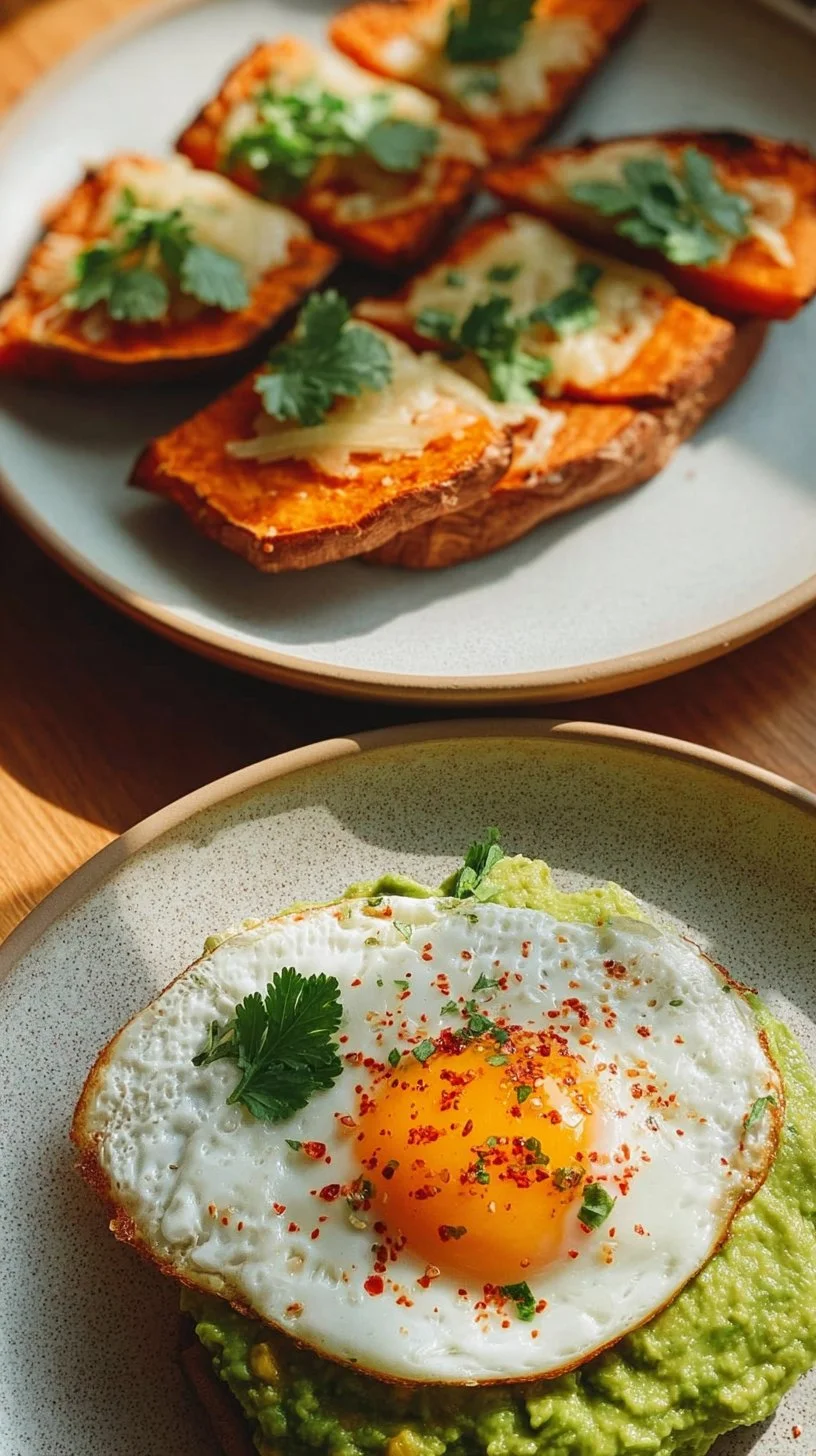
Sweet Potato Toast distills a few elemental culinary principles into a concise, high-impact preparation: caramelized sugars, controlled heat, and textural contrast. As a plated course it functions as both vehicle and focal point — the sweet, toothsome base versus the silky richness of avocado and the savory lift of a fried egg. The technique is deceptively simple but rewards precision: slice thickness, oil application, oven temperature and flip timing all determine whether the final piece is tender and sweet or dry and underdeveloped. For reference on alternate sweet potato techniques that emphasize caramelization in a dessert context, consult this precise example of layered sweet-potato cooking in a recipe such as Japanese sweet potato crème brûlée, which highlights how controlled heat transforms root vegetables into complex, almost dessert-like flavors.
This article treats Sweet Potato Toast as a chef would — attentive to Maillard reactions and water content, deliberate about texture, and exact with timing and seasoning. The aim is not novelty; it is an optimized method that consistently produces the toast you intend: crisped edges, tender center, bright avocado, and an egg with purposeful doneness.
The culinary logic behind this dish
At its core the dish leverages sugar concentration in sweet potatoes to generate rapid browning and flavor depth. Unlike bread, the substrate here contains moisture and starches that gelatinize during cooking; these components dictate three outcomes: surface caramelization, internal tenderness, and overall cohesion with toppings. Olive oil is not merely for lubrication — it enhances heat transfer, promotes uniform browning, and carries fat-soluble aromatics. Salt is the simplest and most important modifier, amplifying sweetness and clarifying the vegetable’s natural flavors.
The fried egg adds a contrasting protein element and fat that softens texture and unifies components on the plate. Mashed avocado, with its emulsifying lipids, provides a creamy counterpoint that both mellows the sweet potato’s sugars and enhances mouthfeel. Temperature control and sequencing are central: the toast must be ready to accept the avocado and egg so those toppings sit at their optimum temperature and texture.
How to make Sweet Potato Toast
This section addresses execution and the reasoning behind each procedural choice.
Slice selection and thickness
- Slice sweet potatoes 1/4 inch thick to balance two heat-transfer processes: rapid surface browning versus sufficient internal cooking. Thinner slices crisp too quickly and can dry; thicker slices resist surface caramelization and risk raw centers. The 1/4-inch standard provides a predictable profile for oven roasting while retaining structural integrity.
Oil and seasoning application
- Brushing both sides with olive oil does three things: it smooths direct contact with the sheet pan to encourage even browning, it carries salt and any aromatic compounds across the surface for uniform seasoning, and it limits excessive moisture loss that would otherwise harden the interior. Light, even coating is key — puddled oil causes uneven heat conduction and can make the center greasy.
Oven dynamics and flipping
- A 400°F (200°C) oven supplies sufficient convective heat to drive Maillard reactions on the surface without aggressive charring. Baking for 20–25 minutes with a flip halfway balances the need for a browned exterior and a tender interior. Flipping engages the opposite face to the heat source and promotes symmetrical color and texture.
Topping and timing
- Assemble immediately after removal from the oven so the residual heat melds the mashed avocado and slightly warms the fried egg, improving integration and flavor release. The hot toast also softens the avocado slightly, producing a better mouthfeel and facilitating mechanical cohesion for the fork.
For a systematic, step-by-step execution follow the precise directions below in the Directions section; the subsequent explanatory sections detail timing, texture control, and plating.
Ingredients :
Sweet potatoes, Olive oil, Salt, Mashed avocado, Egg
Directions :
- Preheat the oven to 400°F (200°C)., 2. Slice sweet potatoes into 1/4 inch thick slices., 3. Brush both sides with olive oil and sprinkle with salt., 4. Arrange slices on a baking sheet and bake for 20-25 minutes, flipping halfway through, until tender., 5. Remove from the oven and top with mashed avocado and a fried egg before serving.
Ingredient analysis through a chef’s lens
Sweet potatoes vary by moisture content, sugar profile, and starch structure — distinctions that influence roasting behavior. Varieties with higher sucrose and reduced moisture will brown and caramelize faster; wetter varieties resist browning and demand longer cook time. Olive oil should be extra-virgin for flavor, but use moderate quantities to prevent overpowering the sweet tuber. Salt acts as a flavor accelerator; applied pre-roast it draws surface moisture to the exterior where it aids pigmentation and taste concentration.
Mashed avocado functions as both flavor mediator and textural foil. Its lipid content tempers perceived sweetness and binds components on the plate. The fried egg introduces a range of doneness options: a runny yolk supplies a warm sauce that integrates with the avocado, while a firmer yolk offers a cleaner bite. When designing complementary elements — herbs, acids, or a finishing spice — choose components that introduce acidity or bitterness to balance the sweet foundation. For broader uses of sweet ingredients in composed dishes and desserts, consult curated resources like this collection of desserts and sweet treats to see how contrast and balance are handled across formats.
Kitchen workflow & technique breakdown
A disciplined mise en place accelerates execution and guarantees consistent results. Start by preheating the oven and preparing the pan: a heavy sheet pan with a light coating of oil prevents sticking and encourages even heat distribution. While the oven reaches temperature, slice the sweet potatoes to the 1/4-inch standard, place them on a towel to blot excess surface moisture if necessary, then brush both sides with oil and salt. This sequencing ensures no ingredient is left unattended and that hot-to-hot assembly is possible at the finish.
If preparing multiple batches, rotate pans between racks to standardize heat exposure. Use an offset spatula to flip slices cleanly halfway through the bake to preserve the crust. When frying eggs, control pan temperature: medium heat yields set whites with controlled edges; higher heat risks rubbery whites and broken yolks. For a cleaner service line, fry eggs just before the sweet potato slices come out so toppings combine at the correct temperature. For cross-application of workflow strategies in composed bakes and layered dishes, the organizational approach used in a complex oven dish such as the garlic butter steak cheddar potato bake is instructive.
Texture control, heat management & timing
Texture defines the success of this dish. You aim for a thin, caramelized exterior, tender but not mealy interior, creamy avocado, and egg yolk that complements rather than overwhelms. Temperature and timing are the primary levers.
- Oven temperature: 400°F (200°C) is high enough to trigger browning without excessively drying the interior. If your oven runs hot, reduce to 375°F (190°C) and extend time slightly while watching color development.
- Flip timing: Flip at the midpoint — roughly 10–12 minutes — to equalize color. Use a thin spatula to minimize fracturing the slice.
- Egg doneness: For a cohesive mouthfeel, cook the egg to a consistency that matches your intended service: 3–4 minutes for a runny yolk, 5–6 minutes for a jammy yolk. Time from cold pan differs; start in a hot, lightly oiled pan and adjust.
- Rest and assembly: Let the sweet potato rest 30–60 seconds after removal from the oven before topping to decrease steam and maintain structural integrity.
Monitoring color is more reliable than clock time alone: look for warm amber-to-deep-golden edges and fine blistering across the surface — those are indicators of adequate caramelization.
Professional variations
As a working chef, variation is often functional rather than decorative. Consider these professional iterations without altering the core ingredients:
- Crisp finish: After the oven stage, finish slices under a salamander or broiler for 60–90 seconds to intensify surface caramelization. Watch continuously to avoid rapid charring.
- Infused oil: Brush with olive oil mixed with a small amount of toasted sesame oil or chile oil to introduce an aromatic accent and deeper savory notes.
- Egg treatment: Substitute a slow-cooked sous-vide egg for precise yolk texture that holds at service temperature, or coddle eggs in simmering water for a controlled jammy set.
- Single-bite format: Cut slices into smaller rounds and serve as canapé-sized portions for a composed tasting menu; adjust cooking time down to avoid over-drying.
These variations maintain the ingredient list but expand textural and flavor profiles for different service contexts.
Finishing touches & plating philosophy
Plating is about contrast, proportion and utility. The sweet potato slice is the canvas: apply a thin smear of mashed avocado to create a tacky surface that anchors the egg and prevents sliding. Position the egg off-center to reveal the toast’s caramelized surface and to offer the diner the option to pierce the yolk and see the sauce flow. Garnish sparingly: a light scatter of microgreens or a few drops of good olive oil provide visual lift and balanced mouthfeel; a judicious grind of black pepper brightens the ensemble.
For composition, use repetition and negative space. Three to four slices on a serving plate with staggered placement invites easy cutting and tasting. Maintain temperature contrast: serve immediately so the toast retains edge crispness while the toppings remain slightly warm. For inspiration on combining rich, sweet and textured components with restraint, examine the layered approach found in recipes such as chocolate-covered cherry magic bars, which demonstrate how restraint in finishing allows core flavors to sing.
Maintaining quality after cooking
Preservation of texture and flavor post-cooking is about temperature and humidity control. Sweet potato toast is best consumed within minutes of assembly; extended holding will soften edges and mute caramelization. If you must hold slices for service, keep them on a perforated tray in a low oven (140–150°F / 60–65°C) to maintain warmth while minimizing steam. Do not cover with foil as trapped steam will collapse crispness.
For leftovers, cool slices quickly on a wire rack and store airtight in the refrigerator. Reheat in a 375°F oven on a sheet pan for 6–8 minutes to re-crisp the surface. Avoid microwave reheating when texture preservation is desired.
Questions from home cooks (chef answers)
Q: Can I use a toaster instead of the oven?
A: Not reliably. Toasters designed for bread lack the surface contact and even convective heat required to properly brown a sweet potato slice. The oven’s dry heat and ability to brown both faces with a flip make it the recommended tool.
Q: Why brush both sides with oil?
A: Brushing both faces ensures even heat transfer and encourages uniform browning. A single-sided oil application can produce one well-colored face and one under-caramelized face.
Q: How can I prevent the interior from drying?
A: Maintain the 1/4-inch thickness and avoid over-baking. If slices are drying, reduce oven temperature slightly and extend bake time while monitoring for color rather than relying solely on minutes.
Q: Can I roast the potatoes ahead of time?
A: Yes, but cool on wire racks and reheat briefly to reestablish crust. Finish with a short broil to reintroduce surface crispness.
Final chef notes
Sweet Potato Toast is an exercise in precision: small adjustments to thickness, oil, and heat yield markedly different results. Execute with attention to color rather than strict minutes, align topping temperature with base temperature, and use acid or bitter notes to balance the natural sweetness. The dish rewards disciplined technique and thoughtful sequencing; when executed correctly it becomes a composed, balanced plate rather than a simple snack.
Conclusion
For a step-by-step external guide that echoes these fundamental techniques, consider the detailed walkthrough available at How To Make Sweet Potato Toast (Step-by-Step) | Downshiftology, which offers clear visuals for slice selection and baking. For meal-prep strategies and make-ahead considerations that align with the workflow described here, see How to Make Sweet Potato Toast (Meal Prep!) – Detoxinista. If you prefer a collection of topping ideas and slight variations to the finished plate, the suggestions compiled by Sweet Potato Toast – Feel Good Foodie are practical and immediately usable. Finally, for a range of tips and additional topping permutations that preserve the technique while expanding the flavor profile, consult Sweet Potato Toast {tips + topping ideas} – Family Food on the Table.