One-Pan Cowboy Garlic Chicken & Potatoes
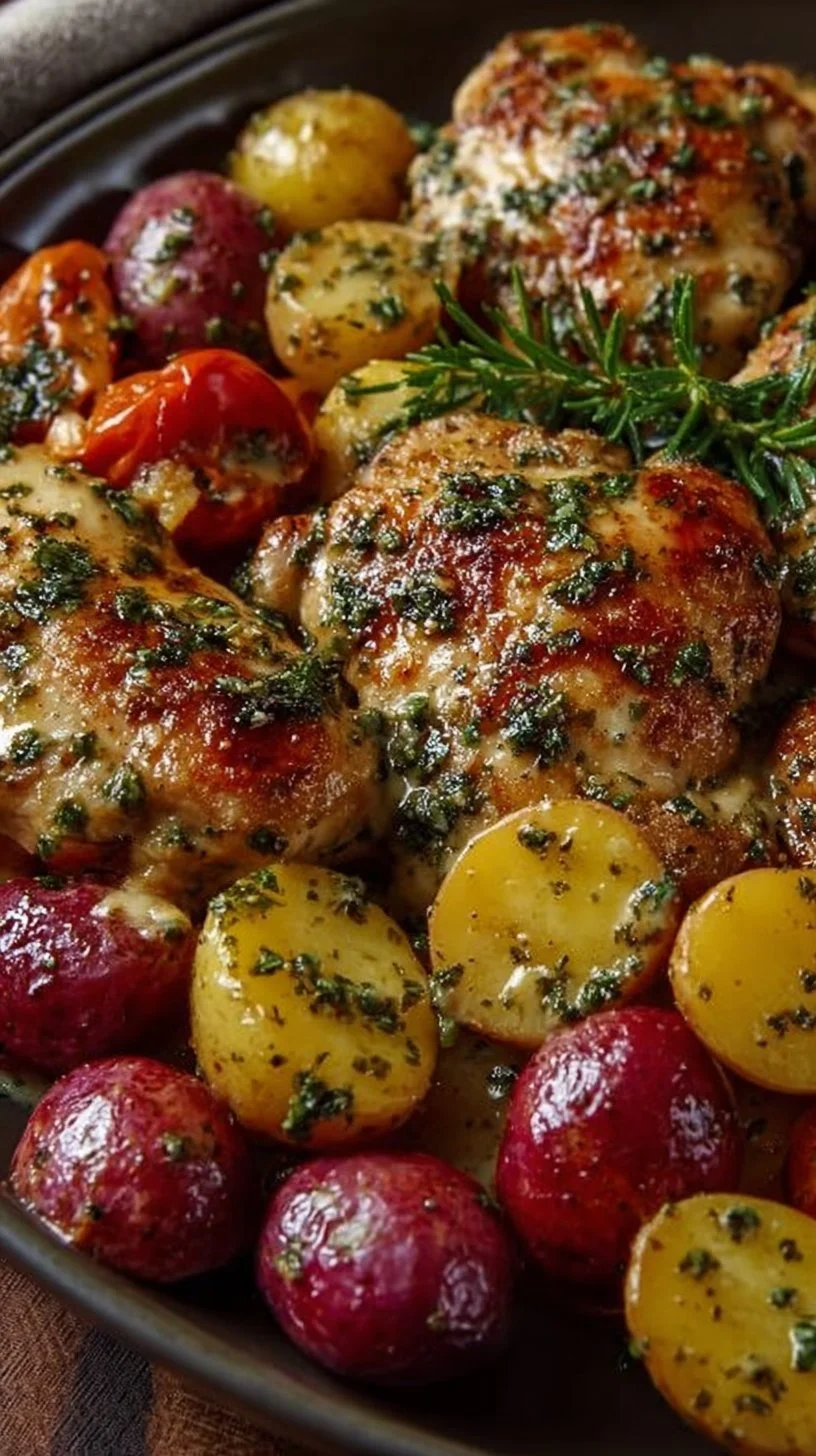
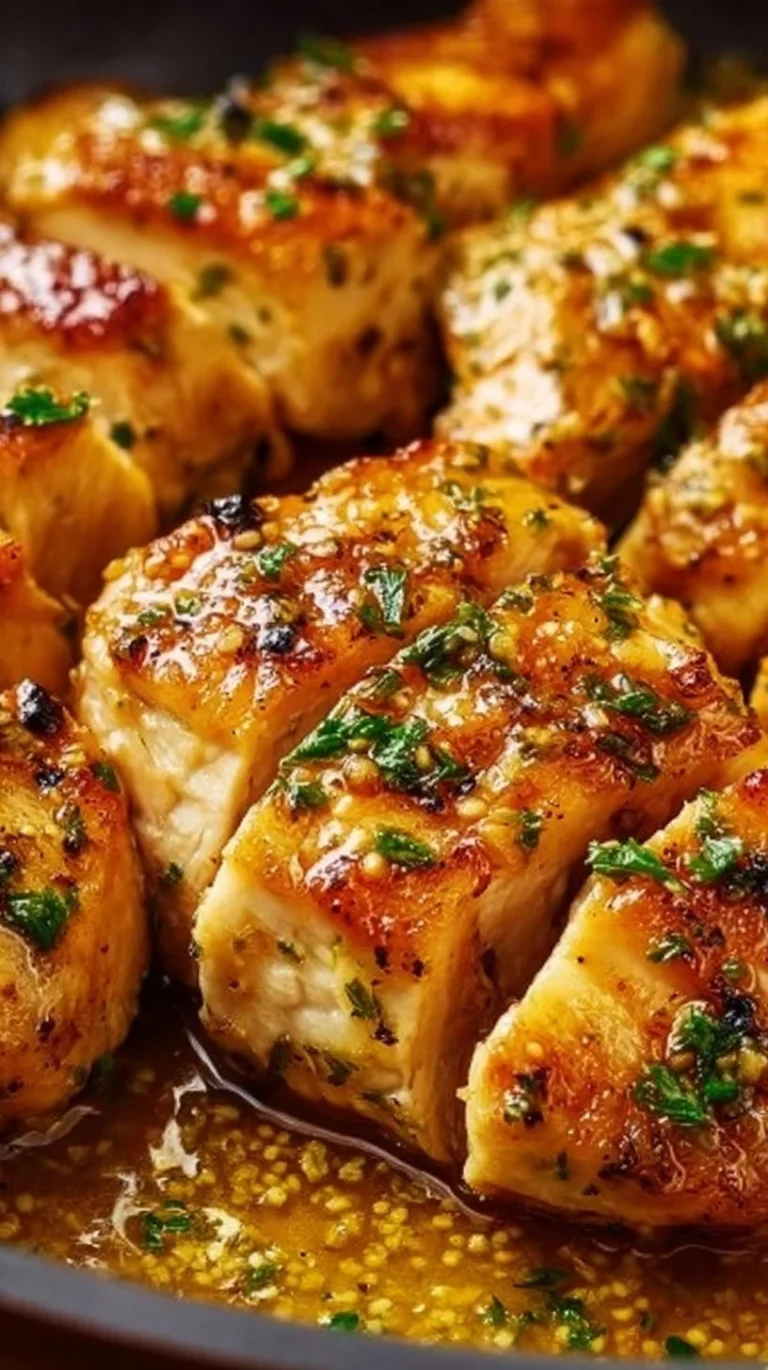
The first time I ate a simple, sun-warmed skillet of chicken and potatoes beside a cracked wooden fence, the world felt suddenly ordered: garlic, butter, and the bright pinch of lemon stitching memory to meal. One-Pan Cowboy Garlic Chicken & Potatoes is the kind of dish that wears its history plainly on its sleeve—humble ingredients, a single vessel, and an emphasis on the kind of comfort that travels well. It is not merely a recipe but a compact narrative of labor, landscape, and the human need for nourishment that is quick, bold, and communal. If you enjoy hearty garlic chicken, you might also like cheesy garlic chicken wraps that carry similar comforts, carrying the same aromatic thread into a different form.
Sitting down to a pan like this, you taste the past: trail kitchens where smoke, spice, and salted meat kept long days from sinking into exhaustion; farmhouse tables where one skillet fed a dozen with ease; modern apartments where the oven’s warm sigh still conjures those large, shared moments. The beauty of this cowboy-style dish—garlicky, herb-scented, threaded through with paprika heat and lemon brightness—is how it binds place, practicality, and affection. The chicken is straightforward; the potatoes, rustic; the whole a kind of kitchen poetry that travels with you, always ready to be rewarmed and remembered.
The origin story & regional influence behind this dish
The "cowboy" in the name evokes the American West—not a precise culinary origin, but an ethos. Cowboys lived in landscapes that demanded simplicity: meals prepared over cast iron, ingredients that kept well, and dishes that could be thrown together at day’s end from what was on hand. The one-pan method is as much about conserving fuel and tools as it is about flavor. In the shadow of mesas and on prairie nights, garlic was valued for its ability to transform modest meat into something urgent and communal. Potatoes—earthy, reliable—became a companion to chilies and smoked paprika, a nod to Spanish and Mexican influences that threaded through the Southwest.
Yet, this dish is also an immigrant story. The smoked paprika and rosemary whisper of Iberian and Mediterranean kitchens; butter and parsley speak of northern European tables. The combination is unmistakably American: a patchwork of flavors stitched together in a skillet. One-Pan Cowboy Garlic Chicken & Potatoes sits at the crossroads of ranchers’ pragmatism, settler resourcefulness, and the spice-laden generosity of cultures that traveled across oceans. It’s a hybrid comfort food that reveals how regional identity is often a conversation rather than a declaration.
How to make One-Pan Cowboy Garlic Chicken & Potatoes
Making this dish is less about culinary acrobatics and more about orchestration. You prepare, you sear, and you let the oven complete the work—allowing the skillet to collect the reverent browning and the mingled scents that will define the meal. The steps are simple and respectful of the ingredients’ voices: the garlic sings, the paprika hums, the lemon punctuates. It is a method that honors the same practicality of the hands that once cooked over open flame, now translated into the efficient, forgiving language of modern kitchens.
The recipe’s economy—one pan, a modest list of seasonings, and a short bake—keeps the focus on texture and aroma. The skinless thighs bring unadorned meatiness, the halved baby potatoes hold a rustic bite, and the oven’s steady heat caramelizes edges and concentrates flavors. What tastes like complexity is often the patient result of simple reactions: butter meeting hot metal, garlic releasing oils, broth loosening browned bits that tell a story of heat and time. To cook this is to participate in a lineage of practical feasts: meals that were meant to be eaten warm, straight from the pan, with hands that know how to pass a plate without pretense.
Ingredients :
6 thighs boneless, skinless chicken thighs, 1.5 lbs baby potatoes (halved), 3 tbsp olive oil, 2 tbsp unsalted butter, 4 cloves garlic (minced), 1 tsp smoked paprika, 1 tsp garlic powder, 1/2 tsp onion powder, salt and black pepper (to taste), 1 tsp dried rosemary, 1 tsp dried thyme, 1/2 tsp chili flakes (optional), 1/2 cup low-sodium chicken broth, Juice of 1/2 lemon, 2 tbsp fresh parsley (chopped, for serving)
Directions :
Step 1: Get the Oven Ready: Preheat your oven to 400°F (200°C)., Step 2: Prep the Chicken: Pat chicken thighs dry with paper towels. In a small bowl, mix paprika, garlic powder, onion powder, salt, and pepper. Sprinkle seasoning mix generously over both sides of the chicken thighs., Step 3: Sear the Chicken: Add 2 tbsp olive oil to a large oven-safe skillet over medium-high heat. Add chicken and sear for 3–4 minutes per side until golden-brown. Transfer chicken to a plate., Step 4: Start the Sauce Base: Reduce heat slightly. Add remaining 1 tbsp olive oil and butter to the same skillet. Once melted, add minced garlic and sauté for about 1 minute, stirring constantly, until fragrant. Watch carefully to avoid burning., Step 5: Add the Potatoes and Herbs: Toss halved baby potatoes into the skillet. Add dried rosemary, dried thyme, and chili flakes (if using). Stir to coat potatoes. Add another pinch of salt and pepper., Step 6: Bring it Together: Pour in chicken broth and stir to deglaze the pan. Nestle the seared chicken thighs back into the skillet on top of the potatoes., Step 7: Bake Until Done: Transfer the skillet to the preheated oven. Bake for 25–30 minutes, until chicken reaches an internal temperature of 165°F (74°C) and potatoes are tender when pierced with a fork., Step 8: Finish and Serve: Carefully remove the skillet from the oven. Drizzle with fresh lemon juice and sprinkle with chopped fresh parsley. Let rest for a couple of minutes, then dish up straight from the pan.
Ingredients through a cultural & historical lens
Every ingredient in this recipe carries echoes. Garlic is ancient, a pantry constant across cultures—used medicinally, ritually, and, simply, to lift flavor. In the Southwest its use is intensified by the neighboring cuisines of Mexico and Spain, where garlic and smoked paprika create a warm, red thread through many dishes. Rosemary and thyme read like small tokens of Mediterranean gardens transplanted to new soil; dried herbs were practical choices for people who needed their preserves to last and to flavor without fuss.
Chicken thighs, forgiving and flavorful, reflect a historical preference for cuts that withstand long cooking and feed many without extravagance. Potatoes, brought to global tables centuries ago, became a staple because they are filling, transportable, and adaptable to local flavors—smoked paprika or chili flakes make them a bridge between Old World and New World palates. Even the lemon at finish is a cultural flourish, a bright note borrowed from Mediterranean acidity that has quietly infiltrated many world kitchens as the desirable foil to fat and smoke.
Cooking the dish: sensory notes & traditional techniques
Close your eyes while the skillet is on the heat and you’ll understand why one-pan meals endure. The sizzling of searing chicken is a kind of punctuation, a herald of Maillard browning that suggests caramel and hearth. Garlic, when added to butter and oil, softens into a sweet, almost floral warmth that perfumes the air—if you listen carefully, it is the same scent that comes from street stalls and seaside cafés around the world when garlic hits hot fat.
Traditional techniques here are less about precision and more about rhythm: the quick sear to lock in juices, the gentle sauté to release aromatics, the oven’s patient finish to marry textures. These are methods born of necessity as much as taste. In old ranch houses, flipping and basting were done with a knowing hand; today we mimic that with an oven’s even heat. The sensory reward is layered: crisped chicken edges, buttery potatoes with a whisper of char, bright lemon cutting through to refresh the palate. Eating it is a sensory map—crispness, salt, acid, herb, and the warm, grounding starch of potato.
How different regions prepare their version
Where you stand in the world, this dish will carry a different accent. In Texas and the Southwest, chili flakes and smoked paprika might be cranked up as a tribute to smoky, grilled traditions; diners will argue for a heavier hand with cumin or a swipe of cilantro to finish. Along the Mediterranean coast, olive oil becomes almost devotional, rosemary and lemon extended into a lighter, herb-forward profile, and one might find olives or capers slipping into the pan for briny contrast. In parts of Eastern Europe, similar one-pan chicken-and-potato combinations will favor paprika in its sweeter form and perhaps a dash of sour cream at serving time.
These variations are instructive: they show how a utilitarian method—one pan, sear, bake—becomes a canvas for regional identity. The same basic architecture can host smoky, citrus-bright, or creamy interpretations, each honest to its place. If you prefer a sharper, cheesy finish, the textural transformation recalls other beloved recipes like crispy parmesan chicken with a rich garlic sauce, where the same principles of garlic, butter, and heat take a crunchy, indulgent turn.
Traditional ways this dish is shared or served
One-pan meals have a social grammar: they invite passing bowls, shared plates, and conversation that slows to make room for seconds. Historically, such dishes were served family-style—skillet set in the center of the table—where everyone reached in with fork or spoon, divvying up browned bits as a communal ritual. In the ranching world, meals like this were practical but celebratory: after branding, fruit-picking, or long drives, a single pan of warming chicken and potatoes was itself a small ceremony.
Today, that tradition persists. Serve it with a simple green salad or crusty bread to mop up pan juices, and the meal becomes a convivial anchor for small gatherings. Leftovers can be warmed and reshaped into lunches, but there is something slightly sacramental about eating it straight from the pan—an intimacy that echoes the meal’s humble origins.
Storing the dish without losing its cultural essence
To store this meal is to preserve a moment. Keep it in a shallow, covered container in the refrigerator for up to three days; the flavors will mellow, the herbs will knit deeper into the sauce. When reheating, use a low oven or a gentle skillet with a splash of broth to revive the pan’s sauce and keep the chicken from drying. A quick squeeze of fresh lemon at the end brightens everything back toward its original spirit—acid refreshes what refrigeration dims.
If you must freeze, portion it first and freeze quickly to preserve texture. Thaw slowly in the refrigerator before reheating to avoid rubbery meat. Culturally, reheating is not a diminishment but a continuation: many traditional cuisines encourage second-day savoring, where flavors have had time to mature. Treat reheating as you would treat a memory—gently, with attention to restoring balance.
Cultural questions people often ask
Is this truly "cowboy" food? The label is more evocative than literal. "Cowboy" suggests a style—robust, portable, unpretentious—rather than a single point of origin. People ask whether to use skin-on chicken: thigh meat keeps the dish succulent, but skinless is practical and quicker. Others wonder about swapping potatoes for root vegetables; culturally, substitutions are common and reveal how recipes travel and adapt.
Another frequent question is about spice: how much heat to allow. Chili flakes are optional because regional tolerances for heat vary. In places where chilies are a culinary cornerstone, the heat will be amplified; elsewhere, it will be a modest tickle. The question of form—one pan vs. layered preparations—often surfaces too, and the answer lies in intent: this is a communal, direct meal that favors immediacy over embellishment.
A closing note on food, memory & travel
Food remembers for us. A pan of garlic-scented chicken and potatoes can conjure a late-summer dusk in New Mexico, a farmhouse kitchen in Provence, or a city apartment where an oven’s warmth feels like home. As a traveler and a chronicler of kitchens, I have watched people take this dish into new geographies and, in doing so, fold new stories into its crust. It is small acts—adding a pinch of local spice, serving with a regional green—that allow a recipe to become a traveler’s map, tracing routes of migration, taste, and memory.
When you make One-Pan Cowboy Garlic Chicken & Potatoes, you participate in a long human practice of converting scarcity into abundance, of using what is at hand to create something tender and sustaining. The pan becomes a narrator, the garlic an old friend, and the lemon a bright reminder that even the simplest things can carry us across continents in a single bite.
Conclusion
For a practical variation and step-by-step take on a similar one-pan preparation, this One-Pan Garlic Chicken and Potatoes Recipe offers helpful techniques and context. If you’re curious about a buttery, rustic American homestead twist, the Cowboy Butter Chicken and Potatoes – I Am Homesteader page explores that heartland approach. For a paprika-centric Mediterranean spin that amplifies garlic and warmth, see the One Pot Paprika Garlic Chicken and Potatoes – Abra’s Kitchen version. And for a plated inspiration that leans into buttery herb finishes, this One-pan Cowboy Garlic Chicken & Potatoes with Buttery Herb S shows how small tweaks can change the dish’s voice.
One-Pan Cowboy Garlic Chicken & Potatoes
Ingredients
Method
- Preheat your oven to 400°F (200°C).
- Pat chicken thighs dry with paper towels. In a small bowl, mix paprika, garlic powder, onion powder, salt, and pepper. Sprinkle the seasoning mix generously over both sides of the chicken thighs.
- Add 2 tbsp olive oil to a large oven-safe skillet over medium-high heat. Add chicken and sear for 3–4 minutes per side until golden-brown. Transfer chicken to a plate.
- Reduce heat slightly. Add remaining 1 tbsp olive oil and butter to the same skillet. Once melted, add minced garlic and sauté for about 1 minute, stirring constantly, until fragrant.
- Toss halved baby potatoes into the skillet. Add dried rosemary, dried thyme, and chili flakes (if using). Stir to coat potatoes, adding another pinch of salt and pepper.
- Pour in chicken broth and stir to deglaze the pan. Nestle the seared chicken thighs back into the skillet on top of the potatoes.
- Transfer the skillet to the preheated oven. Bake for 25–30 minutes, until chicken reaches an internal temperature of 165°F (74°C) and potatoes are tender when pierced with a fork.
- Carefully remove the skillet from the oven. Drizzle with fresh lemon juice and sprinkle with chopped fresh parsley. Let rest for a couple of minutes, then dish up straight from the pan.