Protein-Packed Chicken Pasta Salad
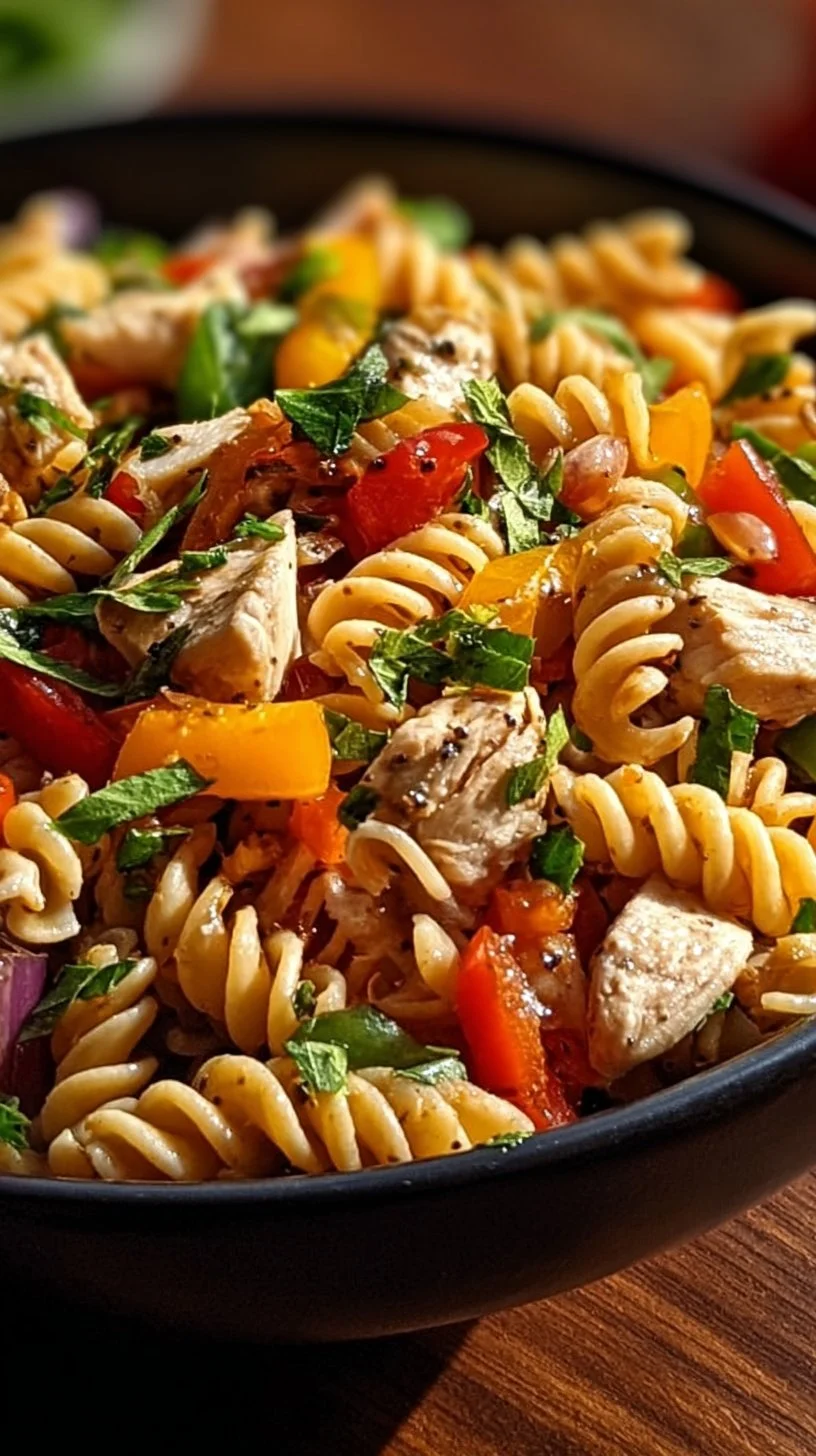
Hello — I’m Carla Carter, Founder & Recipe Developer of RecipesCabin. If you’re looking for a simple, satisfying meal that builds confidence in the kitchen, this Protein-Packed Chicken Pasta Salad is for you. It’s designed for anyone who wants a reliable, healthy option that’s easy to prepare: busy parents, people new to cooking, or anyone rebuilding trust with their stove after a few kitchen mishaps. The recipe uses familiar ingredients and straightforward techniques, so you can get a great result without fuss.
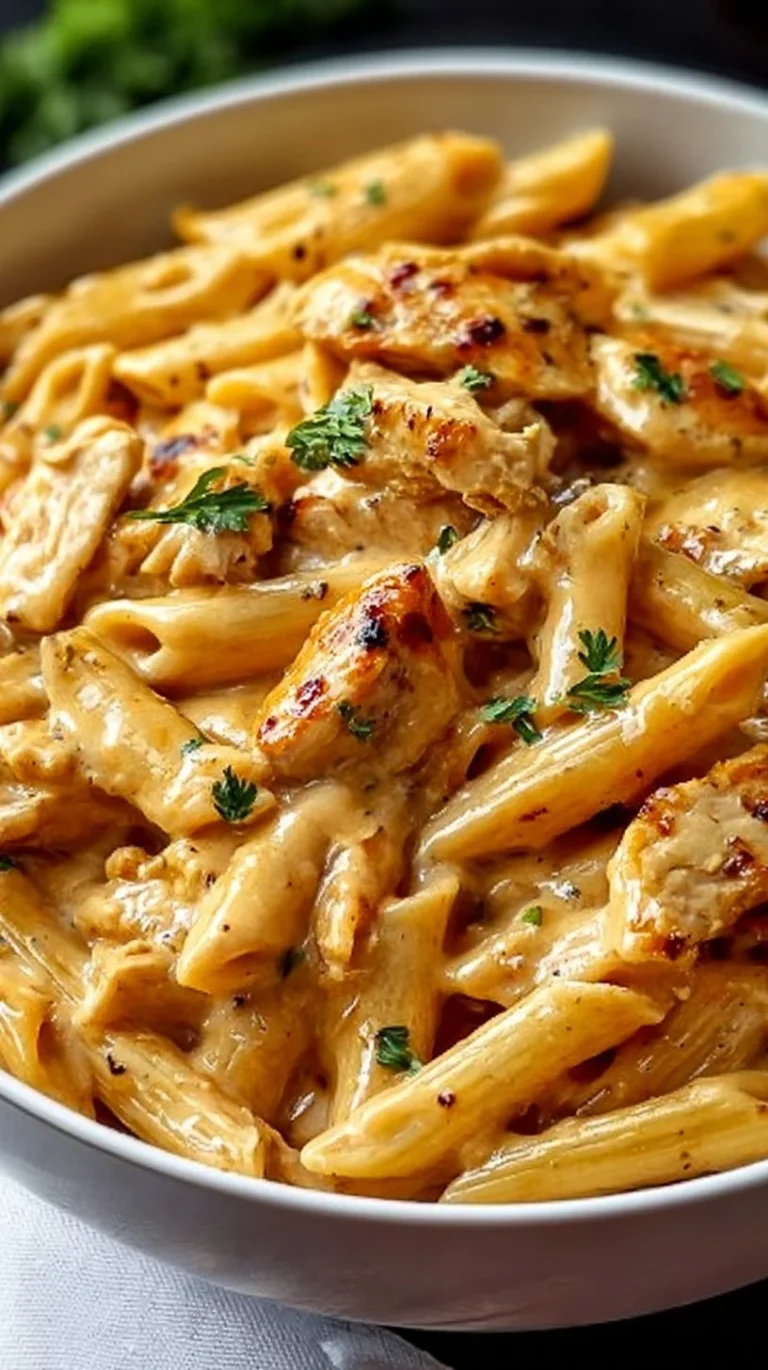
This salad is especially approachable because it combines cooked, ready-to-go elements (like cooked chicken and high-protein pasta) with a quick, forgiving dressing. If you enjoy hands-off family meals, you might also like my take on a slow-cooked pasta dinner such as the creamy Cajun chicken pasta, which has the same comforting feel but a different mood. Take a slow breath — I’ll walk you through each step so you can feel calm and capable by the time you plate it.
Why this recipe is easy to get right
This salad is forgiving in all the best ways. First, the components are sturdy: high-protein pasta holds its shape, cooked chicken doesn’t need precision cooking at the last minute, and vegetables can be chopped to any reasonable size. The dressing is thick and creamy, so small measurement differences won’t ruin the texture — it will still coat the pasta and vegetables nicely.
Flexibility is baked in. If your pasta is a little softer or firmer than the package calls for, it will still taste great once tossed in the dressing. If your chicken is shredded instead of diced, that’s fine too — textures vary, and home cooking is about comfort, not perfection. Because this recipe doesn’t rely on complicated timing or fragile techniques, it’s perfect for new cooks and for anyone who worries about making a mistake. The key checkpoints (pasta cooked, dressing mixed, salad tossed) are simple to recognize, and I’ll point out what to look for as we go.
How to make Protein-Packed Chicken Pasta Salad
At a glance, the process is simple: cook pasta, combine salad ingredients, whisk the dressing, and toss. Start by boiling the high-protein pasta according to the package instructions; that’s your foundation. While the pasta cooks and cools, you can prep the vegetables and shred or dice the cooked chicken. Next, you whisk the dressing so it’s smooth, and finally you combine everything and let it rest or chill briefly so flavors meld.
Focus on one stage at a time: when boiling pasta, watch the time on the package and taste a piece a minute or two before the lower end to check doneness. When assembling the salad, aim for even distribution of colors and textures — that means spreading tomatoes, cucumber, and chicken throughout the bowl instead of piling them in one place. Beginners should slow down when whisking the dressing to fully combine the yogurt, hummus (or mayo), and seasonings so it’s smooth; this is where the flavor of the whole salad comes from. If anything looks off at first — too dry, too tangy — small adjustments (a splash of olive oil or a pinch more yogurt) will get you back on track.
Ingredients
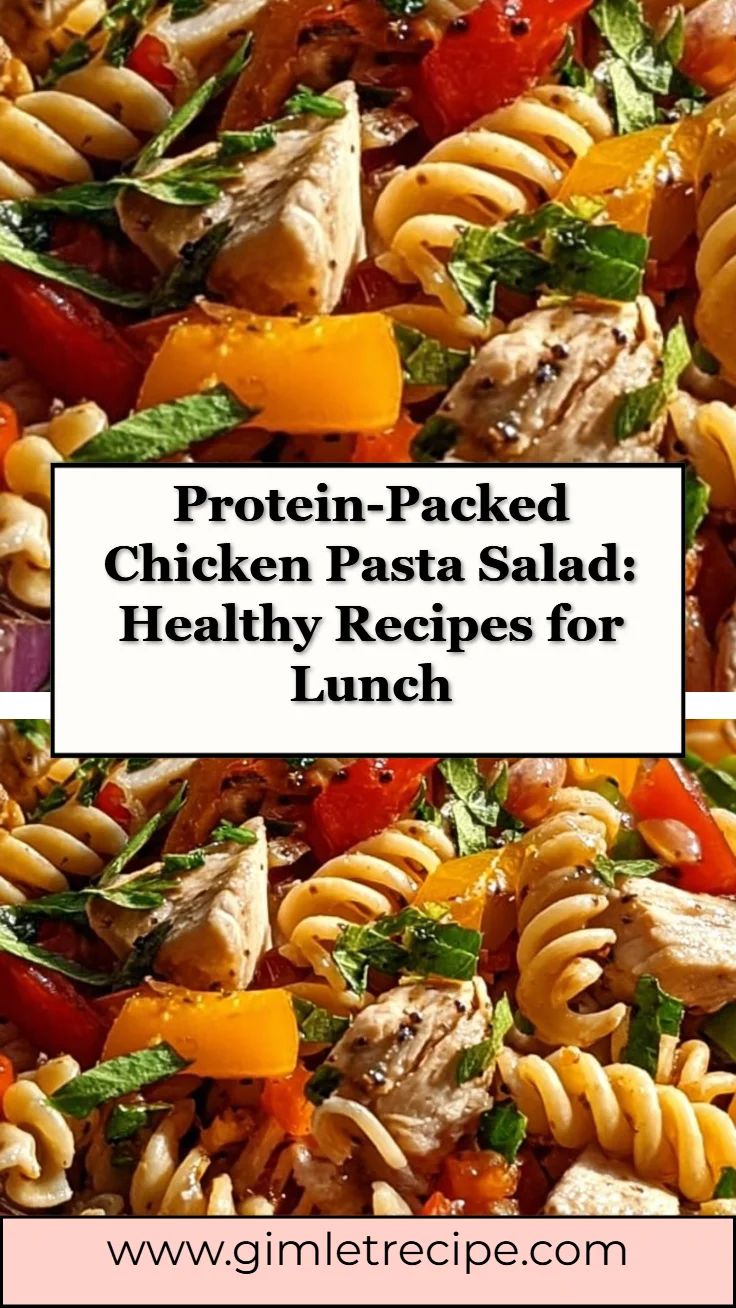
8 oz high-protein pasta (chickpea, lentil, or whole wheat), 2 cups cooked chicken breast, diced or shredded, 1 cup cherry tomatoes, halved, ½ cup cucumber, diced, ½ cup bell peppers, diced, ¼ cup red onion, thinly sliced, ¼ cup black olives, sliced (optional), ½ cup feta cheese or shredded Parmesan, ½ cup plain Greek yogurt (for dressing), 2 tbsp hummus or light mayo, 1 tbsp lemon juice, 1 tbsp olive oil, 1 tsp Dijon mustard, ½ tsp garlic powder, ½ tsp dried oregano, Salt and pepper, to taste
Each ingredient plays a clear role. The high-protein pasta is the hearty base that keeps you full and gives a pleasant bite. Cooked chicken adds lean protein and a neutral flavor that lets the dressing and vegetables shine. Cherry tomatoes, cucumber, bell peppers, and red onion add freshness, crunch, and color — they also provide contrast in temperature and texture to the pasta. Black olives are optional but bring a salty, briny note that pairs well with the feta or Parmesan.
The feta or Parmesan contributes savory saltiness and a creamy finish when mixed in. Greek yogurt keeps the dressing thick and tangy while remaining healthy, and hummus (or light mayo) adds body and a little extra richness. Lemon juice brightens the whole salad, olive oil gives shine and mouthfeel, and Dijon, garlic powder, and oregano layer in gentle savory flavor. Salt and pepper let you fine-tune the final taste. None of these ingredients are complicated — they’re pantry-and-fridge friendly, and they work together to give a balanced, lunch-or-dinner-worthy salad.
Directions
Cook the high-protein pasta according to package instructions. Drain and set aside to cool., In a large bowl, combine the cooked pasta, chicken breast, cherry tomatoes, cucumber, bell peppers, red onion, and olives., In a separate small bowl, whisk together the feta cheese, Greek yogurt, hummus (or light mayo), lemon juice, olive oil, Dijon mustard, garlic powder, and dried oregano to create the dressing., Pour the dressing over the pasta mixture and toss to combine. Season with salt and pepper to taste., Serve immediately or refrigerate for 30 minutes before serving for a chilled salad.
Supportive guidance around the steps:
- Cook the pasta: Watch for visual cues — tender through the center but not mushy is al dente. It should still have a little resistance when you bite it. Drain and spread it briefly on a plate or tray so steam escapes; that prevents the dressing from getting watered down.
- Combine the salad base: As you add each vegetable and the chicken to the pasta, use your hands or a large spoon to fold them together gently. Look for an even mix of color and texture — you want tomato, cucumber, and pepper visible in each scoop.
- Make the dressing: Whisk until the feta and yogurt come together into a smooth, slightly creamy texture. If it’s thick and clumpy at first, keep whisking — the lemon juice and olive oil will help it loosen up. A fork will do in a pinch, but a small whisk makes this faster and smoother.
- Toss and taste: When you pour the dressing over the salad, start with a little less than you think you need, toss, and then add more if desired. The salad should be coated without pools of dressing. Taste for salt and pepper at the end — feta is salty, so add salt cautiously.
- Resting: If you have time, refrigerate for 30 minutes. Chilling helps the flavors meld and gives the pasta a chance to absorb a little of the dressing so each bite is cohesive.
If the salad doesn’t look perfect right away — for example, if the dressing seems thin or the veggies look slightly uneven — that’s normal. Small texture or appearance differences rarely affect taste. Adjust gently and move on.
Key techniques you’ll practice in this recipe
This recipe is a great place to practice a few fundamental skills that apply everywhere:
- Cooking pasta to the right doneness — you’ll learn to rely on visual and taste cues rather than a strict clock.
- Even chopping — cutting vegetables to similar sizes helps each forkful be balanced and pleasant to eat.
- Whisking a creamy dressing — combining ingredients into a smooth emulsion teaches control of texture.
- Gentle folding/tossing — learning to combine ingredients without crushing delicate items is helpful in salads and baked dishes alike.
These are practical skills: knowing how to test pasta, how to balance dressing to taste, and how to mix without breaking ingredients will help in many other recipes, including warm pasta dishes and cold salads. If you’re interested in trying similar flavor profiles once you feel comfortable, a good follow-up is the garlic-butter chicken and bowtie pasta, which uses some of the same building blocks in a different format.
Common mistakes and how to avoid them
Mistake: Overcooking the pasta. Fix: Taste a minute or two before the minimum time, then every 30 seconds. Drain promptly and cool so it doesn’t continue to soak up water. If it’s slightly overcooked, the salad will still be fine — just be gentle when tossing.
Mistake: Dressing tastes flat or too tangy. Fix: If it’s flat, add a pinch more salt or a bit more lemon juice for brightness; if too tangy, a small drizzle of olive oil or an extra tablespoon of hummus (or mayo) will soften the acidity. Always adjust in small amounts and taste as you go.
Mistake: Vegetables are unevenly chopped or too large. Fix: Aim for roughly uniform pieces — around the size of a chickpea or slightly larger — so that one bite doesn’t overwhelm. If you already cut too big, chop a few pieces finer and mix them back in to balance.
Mistake: Salad is dry. Fix: Add a splash more dressing, toss again, and let the salad sit for a few minutes so the pasta soaks up the flavor. You can also add a teaspoon or two of olive oil while tossing to give a silkier texture.
If something goes off track — a little over-salt, under-dressed, or slightly soggy — you can usually correct it without starting over. Small adjustments and a calm approach are the best recovery tools.
How to adjust confidently without changing the recipe
You may want to scale portions, adapt flavors, or tweak textures while keeping the recipe intact. For portion scaling, think in multiples: the ingredient list is a baseline for roughly 2–3 servings; double everything for a larger crowd, but cook pasta in a wide pot so it has room.
For flavor preferences, adjust the intensity rather than swapping ingredients: a milder palate? Use less red onion and olives. If you want bolder flavors, add an extra ½ teaspoon of Dijon or a touch more lemon. For texture tweaks, vary the size of your dice or the way you handle the chicken (diced will give firmer bites, shredded will meld more into the salad). These are conceptual tweaks — they don’t change the recipe’s steps or measurements, they only change how you experience the result.
Serving, storage, and reheating made simple
Serve this salad chilled or at room temperature. It makes a lovely lunch, a light dinner, or a side for a picnic. For a composed plate, add a sprig of fresh herbs (if you have them) and a final drizzle of olive oil. If you want a warm component later, serve alongside grilled vegetables or a warm grain bowl.
To store leftovers: place the salad in an airtight container and refrigerate within two hours of preparing. It will keep well for 3–4 days; the pasta may absorb more dressing over time, so you may want to loosen it with a splash of water, olive oil, or a spoonful of yogurt before serving again. If you prefer a revived, creamier texture, stir in a small spoonful of hummus or Greek yogurt.
Reheating: This is mainly a cold salad, but if you like a warm take, heat a portion gently in the microwave for 20–30 seconds just to take the chill off, or warm the chicken separately and then toss it with the chilled salad so only the chicken is warm. This keeps the vegetables from becoming limp.
If you enjoy bright, portable salads with a high-protein focus, also take a look at a simple egg-forward option like the avocado egg salad, which uses similar ideas of creamy dressing and protein-forward assembly.
Questions new cooks often ask about this recipe
Q: How long will the salad keep? A: Stored in a sealed container, it’s best within 3–4 days. The veggies stay good but lose a little crispness over time.
Q: Can I use rotisserie chicken? A: Yes — rotisserie or leftover cooked chicken is perfect and saves time. Just shred or dice it to match the pasta’s scale.
Q: Do I have to chill it for 30 minutes? A: No — you can serve immediately. Chilling is optional and helps the flavors blend if you have the time.
Q: What equipment do I need? A: A pot for pasta, a large mixing bowl, a small bowl or jar to whisk the dressing, a colander, and a knife for chopping. That’s it — no special tools required.
Q: Is it normal if the dressing seems thick? A: Yes. The dressing should coat the pasta — if it’s too thick to toss easily, add a tiny splash of lemon juice or olive oil to loosen it.
Final encouragement from Carla
Cooking is a practice, not a test. This Protein-Packed Chicken Pasta Salad is a forgiving, nourishing recipe that rewards simple care and steady attention. Small imperfections — slightly uneven chops, a dressing that needs a little extra whisking — are part of the process and won’t ruin the dish. Each time you make a recipe like this, you get stronger, more confident, and more familiar with how flavors and textures behave.
If you’re ready to explore more high-protein pasta salads and want other takes for inspiration, you can compare styles with a Greek-style chicken protein pasta salad or try a different flavor profile in a high-protein chicken Caesar pasta salad. Both are nice companions to this recipe and can spark ideas for future meals.
Keep cooking gently — patience and small adjustments build skill. You’ve got this.
Protein-Packed Chicken Pasta Salad
Ingredients
Method
- Cook the high-protein pasta according to package instructions. Drain and set aside to cool.
- In a large bowl, combine the cooked pasta, chicken breast, cherry tomatoes, cucumber, bell peppers, red onion, and olives.
- In a separate small bowl, whisk together the feta cheese, Greek yogurt, hummus (or light mayo), lemon juice, olive oil, Dijon mustard, garlic powder, and dried oregano to create the dressing.
- Pour the dressing over the pasta mixture and toss to combine. Season with salt and pepper to taste.
- Serve immediately or refrigerate for 30 minutes before serving for a chilled salad.