One-Pan Cowboy Butter Tortellini Steak Bites Recipe
Introduction
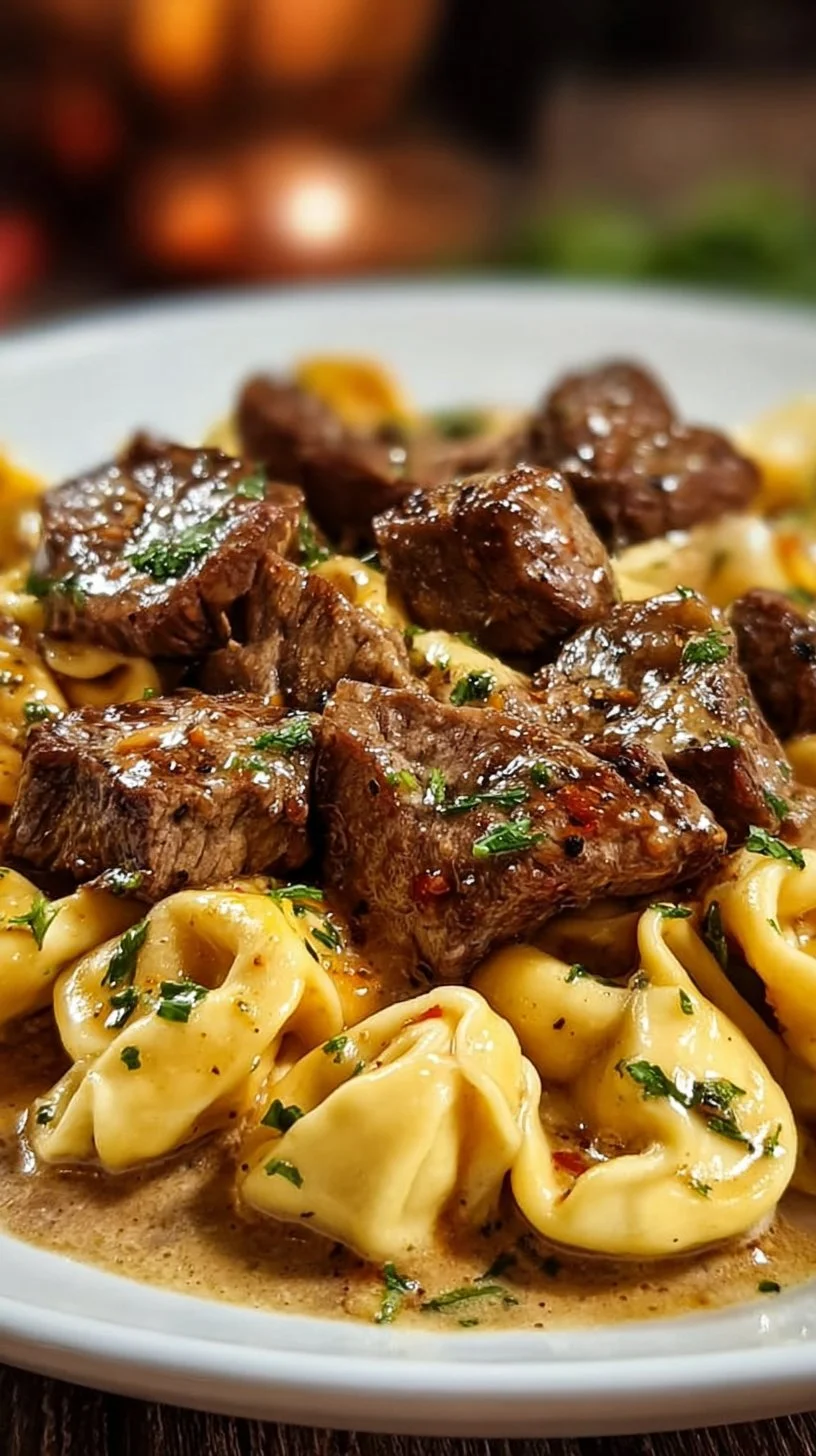
As a nutrition specialist, I approach recipes through the lens of digestion, nutrient density, and sustainable eating patterns. This One-Pan Cowboy Butter Tortellini Steak Bites Recipe combines protein-rich steak, carbohydrate from cheese tortellini, and a flavorful butter-based sauce that many people enjoy. When we think of meals like this, it’s helpful to consider how the components fit into a balanced plate and how you can adapt timing, portioning, and accompaniments to support long-term wellness. If you like rich, savory sauces, you might also enjoy a similar profile in recipes such as garlic butter steak with Parmesan cream sauce, which uses comparable fat-protein techniques in small adjustments that influence digestion and satiety.
This article explores practical, evidence-based ways to understand the nutritional profile of this dish, how it affects digestion, how to make it as written, safe handling and reheating practices, and sensible tweaks to increase vegetable volume, fiber, and overall balance without changing the recipe itself.
How this recipe supports overall wellness
The One-Pan Cowboy Butter Tortellini Steak Bites Recipe provides a concentrated source of protein and energy. Protein from the sirloin or ribeye supports muscle maintenance, provides amino acids for repair, and slows gastric emptying, which contributes to steady fullness after the meal. Cheese tortellini contributes carbohydrates and additional dairy-based protein and calcium, while the butter and olive oil supply concentrated energy and fat-soluble vitamins.
From a digestion standpoint, combining protein and fat with carbohydrate tends to slow digestion compared with carbohydrate alone, which can help avoid post-meal blood sugar spikes and keep hunger steadier. Adding the lemon juice and herbs (parsley, chives) supports flavor without added sodium, and garlic has a long culinary history as a digestive-friendly flavor component for many people.
For overall wellness, the key is portioning and balance. Enjoying an indulgent, flavorful meal like this can fit into a healthy pattern when paired with fiber-rich vegetables or a side salad and appropriate portion sizes. Small changes—think of adding a leafy green side or roasted vegetables—support digestive health through added fiber and phytochemicals, helping with regularity and beneficial gut microbiota diversity.
How to make One-Pan Cowboy Butter Tortellini Steak Bites Recipe
Follow the directions below exactly as written in the recipe section for consistent results; the steps are designed to coordinate cooking times between the tortellini and the steak, then to pull everything together in the skillet so the sauce clings to the pasta and steak. To optimize digestion and enjoyment: serve moderate portions of tortellini with a larger proportion of vegetables, chew deliberately to start digestion in the mouth, and allow the steak to rest briefly so juices redistribute—this helps tenderness and reduces the likelihood of overly rapid eating. If you’re interested in comparable one-skillet approaches for weeknight dinners, you may also find value in a pasta-and-protein combo such as dreamy garlic butter chicken and bowtie pasta, which highlights similar timing and sauce techniques.
Ingredients :
1 ½ lbs sirloin or ribeye steak, cut into bite-sized cubes, 1 tsp Cajun seasoning (or to taste), ½ tsp smoked paprika, ½ tsp garlic powder, Salt & black pepper, to taste, 2 tbsp olive oil, 6 tbsp unsalted butter, 4 cloves garlic, minced, ½ tsp red pepper flakes (optional, for heat), 1 tsp Dijon mustard, Juice of 1 lemon, 2 tbsp fresh parsley, chopped, 1 tbsp fresh chives, chopped, 12 oz cheese tortellini (fresh or refrigerated), ½ cup grated Parmesan cheese, ½ cup reserved pasta water
Directions :
Cook the TortelliniBring a large pot of salted water to a boil. Cook the tortellini according to the package directions until tender but still firm to the bite. Reserve ½ cup of pasta water, then drain and set aside. Cooking the pasta first ensures it’s ready to soak up the rich cowboy butter sauce once the steak is seared., Prepare the Steak BitesPat the steak pieces dry with paper towels. Season the steak with Cajun seasoning, smoked paprika, garlic powder, salt, and black pepper. Heat olive oil in a large skillet over medium-high heat. Sear the steak bites for 2–3 minutes per side until browned and cooked to your preferred level of doneness. Remove the steak from the skillet and set aside to rest., Make the Cowboy Butter SauceReduce heat to medium. Melt butter in the same skillet used for the steak. Add minced garlic and cook until fragrant, about 1 minute. Stir in red pepper flakes, Dijon mustard, and lemon juice. Add parsley and chives, mixing well., Combine EverythingReturn the cooked tortellini and steak bites to the skillet. Toss until coated in the cowboy butter sauce. Add reserved pasta water as needed to create a silky, smooth sauce. Stir in Parmesan cheese until melted and creamy., ServePlate the dish while hot. Garnish with extra Parmesan, freshly chopped parsley, and a sprinkle of Cajun seasoning for color and spice. Serve immediately.
(Note: directions above are provided verbatim from the recipe to preserve exact steps and measurements.)
Nutrient roles of each main ingredient
- Sirloin or ribeye steak: Primary source of complete protein, iron, zinc, and B vitamins (particularly B12). These nutrients are crucial for energy metabolism and red blood cell formation. Selecting sirloin gives leaner protein and less saturated fat than ribeye, while ribeye is richer and more calorie-dense; both provide bioavailable iron that supports oxygen transport.
- Cheese tortellini: Delivers carbohydrate for immediate energy and additional dairy protein and calcium. The fresh or refrigerated format tends to be more tender and cooks quickly, which preserves texture.
- Olive oil and unsalted butter: Together they create a flavor-rich fat base. Olive oil contributes monounsaturated fats associated with cardiovascular benefits when used in place of trans or excessive saturated fats; butter adds flavor and mouthfeel, and its fat-soluble nutrients help with absorption of vitamins in the meal.
- Garlic and chives: Provide flavor compounds and trace phytonutrients that support digestive comfort for many people and add antioxidant potential.
- Lemon juice and Dijon mustard: Acidic components that brighten flavor and can aid in palatability and perceived lightness—this can encourage slower eating and better digestion.
- Parmesan cheese: Adds savory umami and calcium; it also helps create a creamy texture when mixed into the reserved pasta water and sauce.
- Parsley: A fresh herb source of vitamin K and other phytonutrients; it brightens the dish and helps reduce the heaviness of a butter-based sauce when used generously.
The preparation method & its health impact
Searing steak at medium-high heat creates the Maillard reaction, which produces desirable flavor compounds that increase meal satisfaction. From a health perspective, cooking at high temperatures can create some advanced glycation end products (AGEs); balancing this by including antioxidant-rich vegetables and herbs in the meal helps offset oxidative stress. Cooking the pasta separately and adding reserved pasta water creates a starchy emulsion that thickens the butter into a silky sauce without heavy cream—this is an important technique that keeps the recipe simpler while retaining creaminess.
Resting the steak after searing helps redistribute juices, improving texture and reducing the need to cut into the steak immediately (which can cause faster consumption and less mindful eating). Using unsalted butter preserves the ability to control sodium overall; seasoning to taste at the end can help individuals monitor intake. Finally, combining protein, fat, and carbohydrate supports more gradual digestion and satiety compared with high-carbohydrate-only meals.
Ways to lighten, enrich or modify the dish nutritionally
Without changing the recipe’s ingredients or directions, you can adjust your meal approach around it to improve nutrient balance:
- Increase vegetable volume on the plate: Serve the recipe with a large side salad, roasted broccoli, or sautéed greens. Vegetables add fiber, vitamins, and minerals that support digestion and steady blood sugars.
- Buffer with fiber at the meal and day level: If the meal is higher in refined carbohydrates, pair it with whole-food sources of fiber earlier or later in the day to support glycemic control and gut health.
- Shift portion proportions: Aim to make the steak a generous source of protein, keep the tortellini portion moderate, and fill half your plate with non-starchy vegetables.
- Use mindful garnishes: Extra parsley and lemon can brighten the dish without extra calories. If sodium is a concern, reduce added salt and rely on lemon and herbs for flavor.
- Timing and pairing: Eating a small, fiber-rich starter (like a vegetable soup or salad) before the main course can moderate appetite and help you naturally choose a balanced portion size.
For more balanced dinner ideas that pair rich main dishes with vegetables and whole grains, consider browsing curated collections of simple meals such as easy dinner recipes for inspiration about equipment-light, vegetable-forward pairings.
Pairing ideas for a balanced, complete meal
- Vegetables: Roasted Brussels sprouts, sautéed spinach with garlic, or a lemony arugula salad add fiber and micronutrients. The acidity of lemon in the sauce pairs well with leafy greens.
- Light soup starter: A clear vegetable broth or a tomato-based soup helps increase vegetable intake without adding excess calories.
- Whole-food carbohydrate variations: If you want more slow-release carbohydrates, pair a modest portion of whole-grain bread or a side of farro (served separately) to combine with the richer tortellini.
- Beverage: Water with lemon or sparkling water helps with digestion compared with sugary beverages. For wine drinkers, a small glass can be appropriate for pleasure and social enjoyment; match portions to personal health goals.
Safe storage, food safety & optimal reheating
- Cooling and storage: After plating, refrigerate leftovers within two hours. Store in shallow, airtight containers to cool rapidly and preserve texture. Consume refrigerated leftovers within 3–4 days.
- Reheating: Reheat gently to preserve texture and reduce the risk of dried-out steak. Use a skillet over low-medium heat, adding a splash of water or reserved pasta water if available to loosen the sauce; cover briefly to create steam and heat evenly. Microwaving is acceptable for shorter reheating but may change texture—stir halfway and heat in short intervals.
- Food safety: Reheat to an internal temperature of 165°F (74°C) if you are concerned about bacterial growth, particularly when reheating multiple times. Avoid reheating more than once; reheat only the portion you plan to eat.
- Freezing: Freezing may change the texture of fresh tortellini and cream-based sauces; if freezing, separate components (store steak and pasta in a meal-safe container) and use within 1–2 months for best quality. Thaw overnight in the refrigerator before reheating.
Common nutrition questions about this dish
- Is this recipe high in saturated fat? The butter and choice of ribeye can increase saturated fat. If saturated fat intake is a concern, choose sirloin rather than ribeye or reduce buttery portions over the week. Balancing with vegetables and whole-food fiber elsewhere in the day helps maintain an overall cardiometabolic pattern consistent with many dietary guidelines.
- Will this dish spike blood sugar? Pairing protein and fat with carbohydrate generally slows carbohydrate absorption compared to carbohydrate alone. Portion control of the tortellini and including fiber-rich sides will further moderate post-meal blood glucose responses.
- Can this fit into weight-management goals? Absolutely—if portion sizes are aligned with calorie needs and the meal is balanced with vegetables and controlled carbohydrate portions. Savoring the meal, chewing slowly, and pausing before seconds are practical strategies to align intake with appetite signals.
- Is the iron in steak easily absorbed? Yes—heme iron from beef is absorbed more efficiently than non-heme iron from plant sources. Pairing with vitamin C (lemon juice already in the recipe) further supports iron absorption.
Final wellness notes
This One-Pan Cowboy Butter Tortellini Steak Bites Recipe is a flavorful example of how comfort and nutrition can coexist. The technique of searing and finishing in a butter-herb sauce maximizes taste, and with mindful pairing—particularly adding vegetables and moderating portions of tortellini—it can fit into a balanced dietary pattern. Focus on the meal’s pleasurable aspects: aroma, texture, and company, and consider small adjustments across the day to maintain fiber, hydration, and micronutrient variety. Over time, consistency in balanced choices matters more than any single meal.
Conclusion
For step-by-step visuals that align with this one-skillet approach, you can review the detailed method on One Pot Creamy Cowboy Butter Steak and Tortellini Cooking Steps, which illustrates sauce emulsification techniques similar to those used here. If you’d like to compare variations and archived versions of the recipe, see the summary available at One-pan Cowboy Butter Tortellini Steak Bites – Cooked.wiki. For additional inspiration on cowboy butter-style steak bites and related flavoring options, this recipe discussion is helpful: Cowboy Butter Steak Bites – I Am Homesteader.
One-Pan Cowboy Butter Tortellini Steak Bites
Ingredients
Method
- Bring a large pot of salted water to a boil. Cook the tortellini according to the package directions until tender but still firm to the bite.
- Reserve ½ cup of pasta water, then drain and set aside.
- Pat the steak pieces dry with paper towels. Season the steak with Cajun seasoning, smoked paprika, garlic powder, salt, and black pepper.
- Heat olive oil in a large skillet over medium-high heat. Sear the steak bites for 2–3 minutes per side until browned and cooked to your preferred level of doneness.
- Remove the steak from the skillet and set aside to rest.
- Reduce heat to medium. Melt butter in the same skillet used for the steak.
- Add minced garlic and cook until fragrant, about 1 minute.
- Stir in red pepper flakes, Dijon mustard, and lemon juice. Add parsley and chives, mixing well.
- Return the cooked tortellini and steak bites to the skillet. Toss until coated in the cowboy butter sauce.
- Add reserved pasta water as needed to create a silky, smooth sauce.
- Stir in Parmesan cheese until melted and creamy.
- Plate the dish while hot. Garnish with extra Parmesan, freshly chopped parsley, and a sprinkle of Cajun seasoning for color and spice.
- Serve immediately.