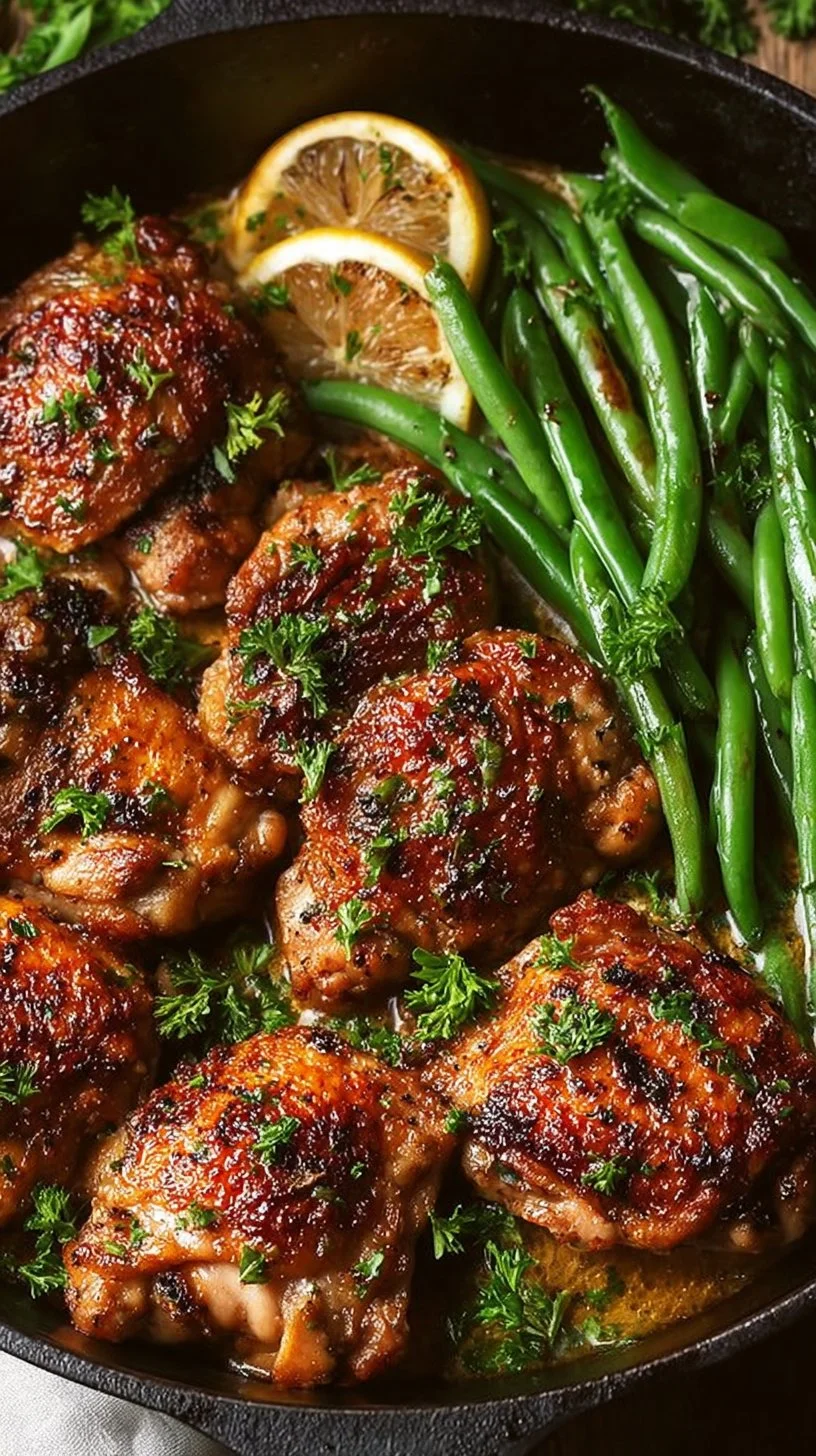
Lemon Garlic Butter Chicken and Green Beans Skillet
AARON Introduction
As a nutrition specialist, I approach each recipe with attention to digestion, balance, and long-term wellness rather than quick fixes or dramatic claims. The Lemon Garlic Butter Chicken and Green Beans Skillet is an approachable weeknight meal that brings protein, vegetables, and familiar flavors together in a single pan. It’s the kind of dish that can support regular, balanced eating patterns because it combines a satisfying source of lean animal protein with fiber-rich vegetables and a small amount of added fat to aid flavor and nutrient absorption.
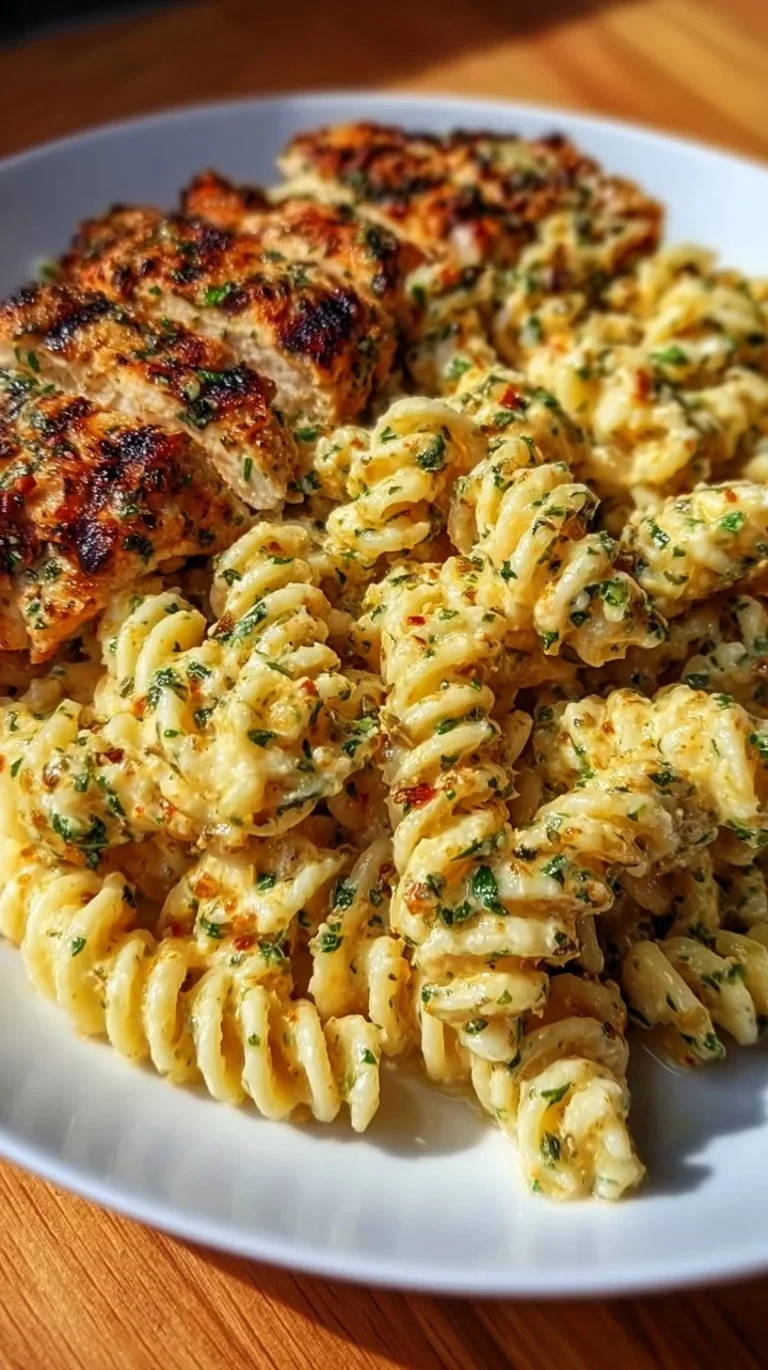
If you enjoy one-pan preparations that minimize cleanup and keep meals simple, you might also like this variation that pairs garlic butter chicken with pasta for a heartier option: dreamy garlic butter chicken and bowtie pasta. That link illustrates how similar flavor building blocks can be used across meals to save time and maintain dietary satisfaction. In the sections that follow I’ll explain how this skillet supports wellness, unpack the nutrition of each ingredient, describe the health impacts of the cooking method, and offer practical tips for storage, reheating and sensible modifications.
How this recipe supports overall wellness
This recipe supports overall wellness in several practical ways:
- Balanced macronutrients: The chicken breasts provide high-quality protein that supports muscle repair and satiety, while the butter offers dietary fat to keep meals palatable and to help absorb fat-soluble nutrients. The green beans supply complex carbohydrates and fiber for steady energy and digestive regularity.
- Nutrient density: Ingredients like garlic, lemon, and parsley add vitamins, antioxidants and flavor without many calories, contributing micronutrients and bioactive compounds that encourage a varied, nutrient-dense diet.
- Digestive friendliness: The fiber in green beans and the combination of protein and fat help slow gastric emptying modestly, which can reduce post-meal blood sugar spikes and prolong feelings of fullness. Garlic and lemon also have traditional culinary roles supporting digestion through stimulating enzymes and saliva, which can ease the eating experience.
- Practicality for long-term habits: A simple, repeatable recipe increases the likelihood someone will cook at home more often. Home cooking allows better portion control, cost efficiency, and consistent inclusion of vegetables — all useful for sustainable wellness.
I’ll avoid medical promises: this dish contributes to a balanced diet as part of an overall healthy pattern but it is not a treatment for health conditions. Instead, think of it as a reliable, nutrient-forward option you can rotate into weekly meal plans.
How to make Lemon Garlic Butter Chicken and Green Beans Skillet
Below I describe the practical logic of preparing the dish and add small evidence-based notes about timing and temperature to support safety and nutrient retention. Follow the listed Ingredients and Directions exactly for the recipe as given.
Ingredients :
4 chicken breasts, 2 cups green beans, 4 tablespoons butter, 4 cloves garlic, minced, 1 lemon, juiced, Salt and pepper to taste, Fresh parsley for garnish
Directions :
- In a large skillet, melt the butter over medium heat., 2. Add the minced garlic and sauté for 1 minute until fragrant., 3. Season the chicken breasts with salt and pepper, then add them to the skillet., 4. Cook the chicken for about 6-7 minutes on each side until golden brown and cooked through., 5. Add the green beans and lemon juice to the skillet, and cook for an additional 3-4 minutes until the beans are tender., 6. Garnish with fresh parsley before serving.
Notes on following the directions: keep the skillet at medium heat to avoid burning the butter or garlic; clarified butter or a short preheat can help maintain an even cooking temperature. Use a meat thermometer if you prefer precise doneness — cooked-through chicken generally reaches a safe internal temperature of 165°F (74°C). After adding lemon juice, reduce heat slightly to preserve the fresh citrus flavor and avoid visual overcooking of the green beans.
Nutrient roles of each main ingredient
Understanding the role each ingredient plays helps translate this recipe into nutrition-focused choices:
- Chicken breasts: A lean source of complete protein containing all essential amino acids. Protein supports repair and maintenance of tissues, including muscle, and contributes to satiety. Chicken also provides B vitamins (notably niacin and B6) that support energy metabolism.
- Green beans: Low-calorie, fiber-rich vegetables with vitamin C, vitamin K, folate and some potassium. The insoluble and soluble fibers present support regular digestion and feed beneficial gut microbes.
- Butter: Contributes saturated and unsaturated fats, adds flavor and mouthfeel, and aids in the absorption of fat-soluble nutrients from the meal. Using a measured amount keeps total added fats in check while preserving culinary enjoyment.
- Garlic (minced): Provides sulfur-containing compounds and antioxidants that contribute flavor and may support the gut environment indirectly through traditional culinary use. Garlic can stimulate digestive secretions, which some people find pleasant and hunger-satisfying.
- Lemon (juiced): A source of vitamin C and bright acidity that enhances flavor and can help balance fat-rich dishes. Acidic components can also help the appetite and promote salivation, aiding the initial phases of digestion.
- Salt and pepper: Used for seasoning; salt should be used mindfully if you monitor sodium for medical reasons, but moderate use improves palatability and adherence to healthy eating patterns.
- Fresh parsley: Adds vitamin K, vitamin C, and small amounts of other micronutrients, plus visual contrast and fresh flavor.
Taken together, these ingredients deliver a straightforward balance of protein, fiber, and modest fat, supporting both short-term satisfaction and nutrient intake over time.
The preparation method & its health impact
Cooking this recipe in a skillet with butter and garlic emphasizes flavor through browning and aromatics. Here are practical effects of the preparation method on health and nutrient quality:
- Browning and Maillard reactions: Searing the chicken creates desirable flavors and crust. While high-heat charring in excess can form compounds to limit, moderate searing at controlled heat gives flavor without substantial negative impact.
- Fat and nutrient absorption: The presence of butter increases the absorption of fat-soluble compounds from the parsley and any other vegetables served alongside. This is advantageous when you want to maximize nutrient uptake from a colorful plate.
- Retaining vegetable nutrients: The short cook time for green beans (3–4 minutes in the recipe) helps preserve vitamin C and some heat-sensitive phytonutrients. Quick cooking also keeps texture and promotes satisfaction, encouraging vegetable intake.
- Garlic’s active components: Light sautéing for around 1 minute releases flavor while preserving many of garlic’s beneficial compounds. Overcooking can reduce some bioactive elements, so a brief sauté as the recipe indicates is a reasonable compromise between taste and nutrient retention.
- Food safety: Thorough cooking of chicken is essential to reduce the risk of pathogenic bacteria. The direction to cook 6–7 minutes per side should be adjusted for thickness; check doneness by cutting into the thickest part or using a thermometer.
From a digestion standpoint, combining protein, fiber, and a small amount of fat promotes balanced gastric emptying — often resulting in steady energy and lower likelihood of a large post-meal blood sugar spike compared with a high-carbohydrate, low-protein meal.
Ways to lighten, enrich or modify the dish nutritionally
Keeping the original recipe intact is important for reproducibility, but if you want to adapt this meal in your home kitchen for specific goals, here are evidence-based, optional ideas you can try while recognizing these would change the original ingredient list or steps:
- Lighten: Reduce butter by half and use a non-stick skillet or a mix of butter and a neutral oil with a higher smoke point. You’ll still get flavor with less saturated fat per serving.
- Enrich with vegetables: Add a cup of sliced mushrooms or bell peppers toward the end of cooking to increase volume and fiber without heavy calories.
- Boost fiber and micronutrients: Serve alongside a whole grain such as quinoa or farro to add complex carbohydrates, extra fiber, and minerals.
- Increase healthy fats: If you prefer more mono- or polyunsaturated fats, finish with a drizzle of extra virgin olive oil after cooking rather than increasing butter.
- Plant-forward swap: For a pescatarian alternative while keeping similar flavors, use salmon or firm white fish in an otherwise similar preparation — though that would technically change the recipe.
Note: All modifications are optional and should match your personal nutrition goals. The original recipe is already balanced and suitable for many people as part of a varied eating pattern.
Pairing ideas for a balanced, complete meal
To round this skillet into a balanced plate, consider combining it with components that add whole-grain carbohydrate, fermented foods for digestion, and a light salad for additional vegetables:
- A simple whole grain: Serve a modest portion of brown rice, quinoa, or farro to add complex carbohydrates, fiber and B vitamins for energy and fullness.
- Fermented side: A small side of plain yogurt or a lightly fermented vegetable like sauerkraut can introduce live cultures that support gut microbial diversity and digestion.
- Leafy salad: A mixed green salad dressed with lemon and a splash of olive oil adds volume, micronutrients and additional fiber.
For inspiration on complementary dishes that use similar flavor profiles while changing the main component, see this example pairing garlic butter chicken with salmon in a cohesive menu: garlic butter chicken and salmon recipe. Using familiar flavors across several dishes can make weekly meal planning easier.
Safe storage, food safety & optimal reheating
Food safety and storage are practical parts of long-term wellness. Follow these guidelines:
- Cooling quickly: Refrigerate leftovers in shallow, airtight containers within two hours of cooking to reduce bacterial growth.
- Refrigeration time: Consume refrigerated leftovers within 3–4 days. For longer storage, freeze portions for up to 2–3 months.
- Reheating: Reheat thoroughly to steaming hot throughout (165°F / 74°C) to ensure safety. Reheat on the stovetop in a skillet over medium heat with a small splash of water or broth to avoid drying the chicken, or reheat in the oven covered with foil.
- Thawing frozen portions: Thaw in the refrigerator overnight rather than at room temperature, or use the microwave’s defrost setting if cooking immediately.
- Separate components: If you plan to reheat, storing chicken separately from sides like salads or fresh garnishes helps maintain texture and quality.
These simple practices support both food safety and meal quality without adding complexity to your routine.
Common nutrition questions about this dish
Q: Is the butter too much fat for a healthy meal?
A: The recipe uses four tablespoons total for four chicken breasts, which equates to about one tablespoon per serving if you serve four — a moderate amount that contributes flavor and satiety. If you’re monitoring saturated fat, consider halving the butter or combining it with olive oil, but the original quantity is within reasonable limits for most balanced eating patterns.
Q: Can this meal fit into weight-management plans?
A: Yes, when portioned appropriately. Protein-rich meals like this help with satiety. Pair with a reasonable portion of whole grains or additional vegetables depending on energy needs.
Q: How does this recipe affect digestion?
A: Combining protein, fiber and some fat typically slows digestion modestly, which can help steady energy and reduce rapid blood sugar swings. The green beans’ fiber supports regular bowel function, while lemon and garlic can stimulate digestive secretions that improve the eating experience.
Q: Is this appropriate for someone with heart concerns?
A: It can be, as part of a balanced pattern. Mindful swaps (reducing butter, using olive oil, adding extra vegetables, and managing portion sizes) can further align the dish with heart-healthy guidelines. Discuss personalized recommendations with a registered dietitian or clinician if you have specific medical concerns.
Final wellness notes
This Lemon Garlic Butter Chicken and Green Beans Skillet is a practical example of how simple ingredients and straightforward cooking techniques can produce a satisfying, nutrient-forward meal. Its strengths are ease, balanced macronutrients, and the flexibility to pair with whole grains or fermented sides to build a complete plate. From a long-term wellness perspective, repeatable, enjoyable recipes like this one help sustain home cooking habits, which are a reliable foundation for healthful eating. Keep portions mindful, include varied vegetables across the week, and use the storage and reheating tips above to reduce waste and maintain food safety.
Conclusion
If you’d like to see a similar one-skillet approach with slightly different technique and presentation, this version explores lemon and garlic with green beans in a shared pan: Lemon Garlic Chicken Skillet with Green Beans – Basil And Bubbly. For another take that combines buttered chicken with green beans in a family-friendly format, this recipe offers a comparable approach and additional serving ideas: Lemon Garlic Butter Chicken and Green Beans Skillet – Eatwell101.
Lemon Garlic Butter Chicken and Green Beans Skillet
Ingredients
Method
- In a large skillet, melt the butter over medium heat.
- Add the minced garlic and sauté for 1 minute until fragrant.
- Season the chicken breasts with salt and pepper, then add them to the skillet.
- Cook the chicken for about 6-7 minutes on each side until golden brown and cooked through.
- Add the green beans and lemon juice to the skillet, and cook for an additional 3-4 minutes until the beans are tender.
- Garnish with fresh parsley before serving.