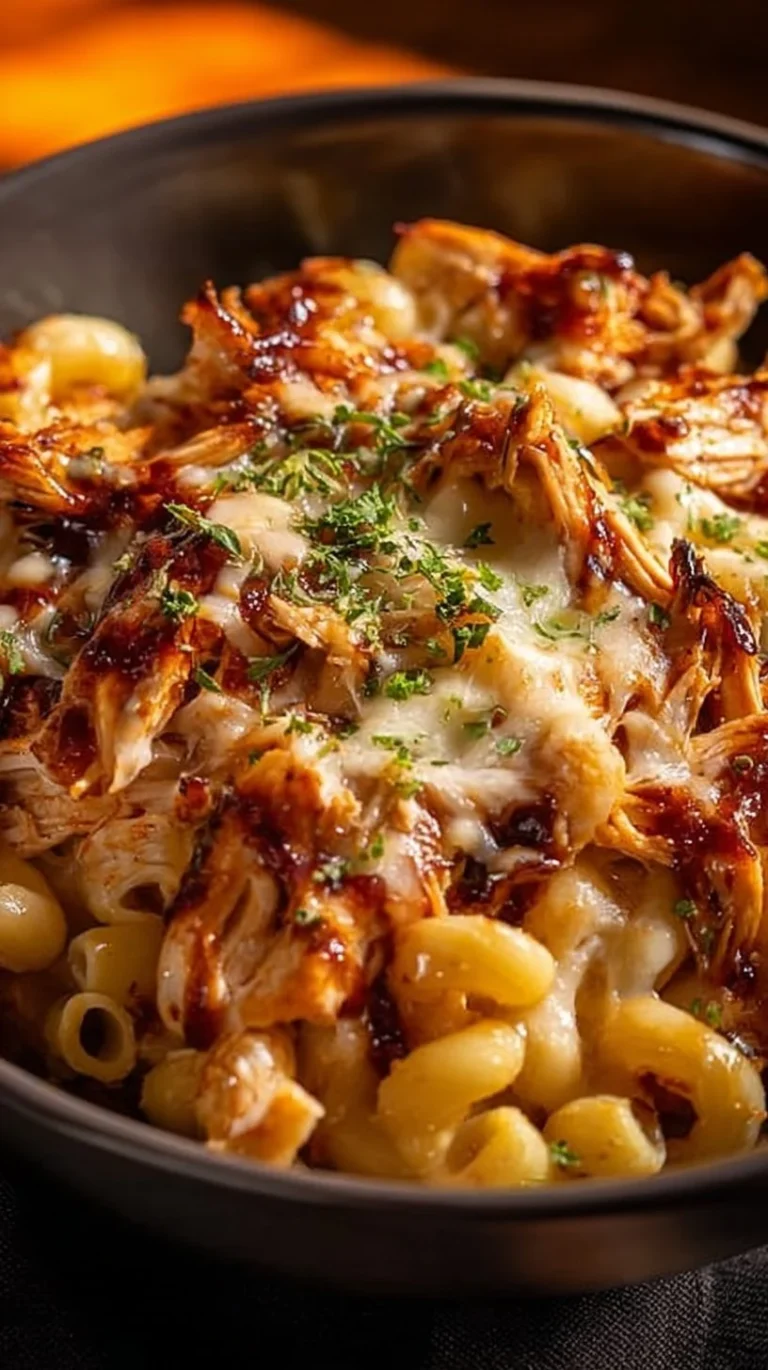
The Ultimate Creamy Garlic Parmesan Chicken Pasta You’ll Crave Every Week
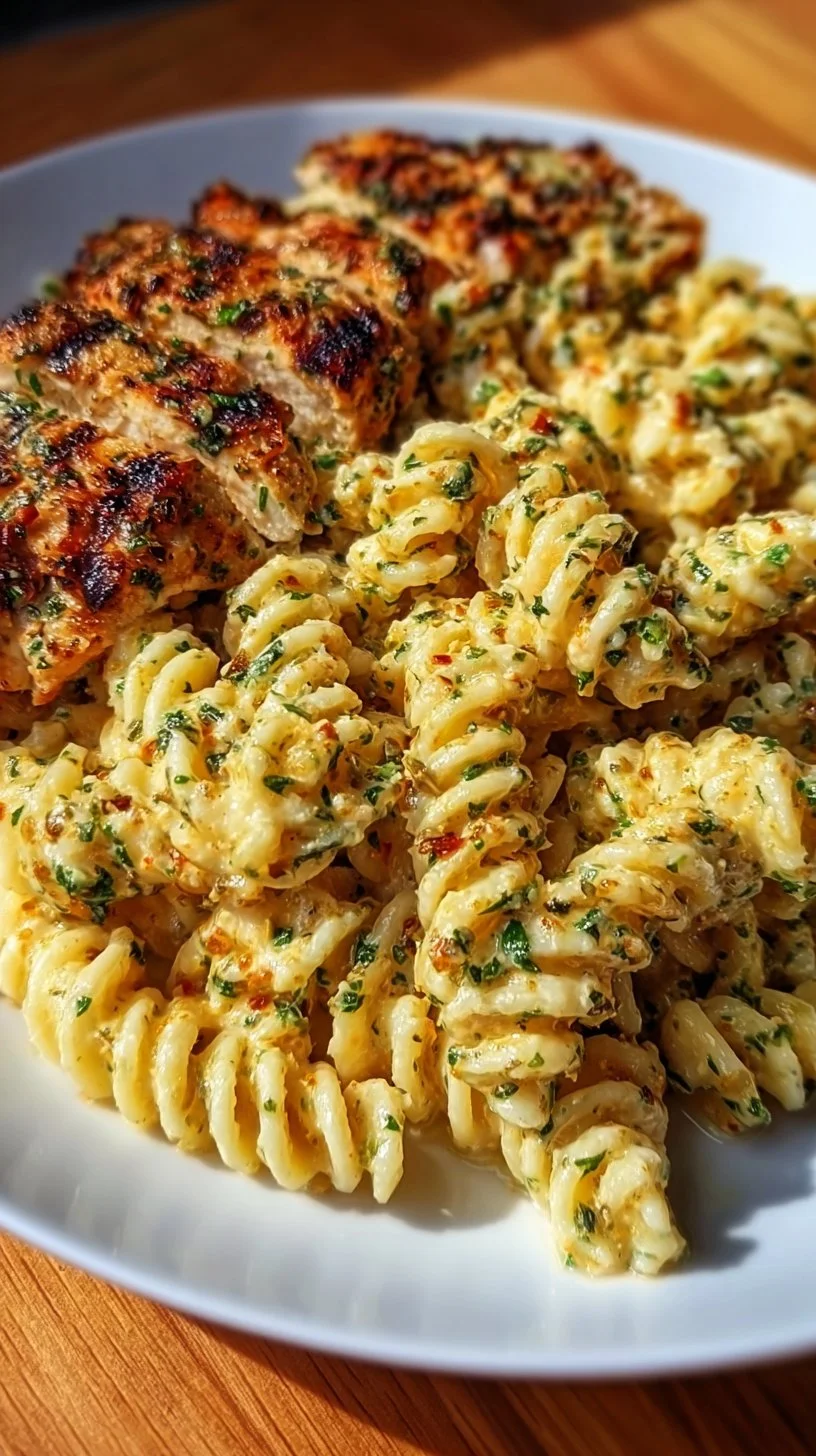
There is a small alchemy that happens when butter, garlic, and cheese meet wheat and chicken: a scent that can carry you across continents in a single spoonful. I remember first encountering a dish like this in a seaside trattoria in a lesser-known town where the sun sat low on the Adriatic, and a local woman slid a steaming plate across the table as if offering the coast itself. The pasta was rich and unpretentiously luxurious—soft spirals of dough coated in a cream that smelled of roasted garlic and salty Parmigiano-Reggiano, punctuated by the warm, brown-glazed edges of chicken. That meal, more than any guidebook, taught me the unspoken truth of comfort food: that it acts as a map, directing the eater back to people, place, and ritual.
Across the world, this dish appears in many guises—on kitchen tables in suburban neighborhoods as well as in candlelit restaurants—always slightly different, always familiar. In my travels I have found that when someone offers you a bowl of creamy garlic Parmesan chicken pasta, they are offering more than food; they are offering an invitation to linger. If you want a practical twist, a kindred recipe is described in the hands-on family style at parmesan-crusted chicken with creamy garlic sauce, which leans into the same language of butter and cheese but with its own regional spin.
The origin story & regional influence behind this dish
This particular assembly—chicken, pasta, cream, garlic, and Parmesan—feels both deeply Italian and unmistakably international. The Parmesan and garlic are pure Northern Italy, where Parmigiano-Reggiano has been aged in cellars for centuries and where garlic is used sparingly but decisively. Cream, however, is a more modern addition to pasta sauces; in traditional Emilia-Romagna, cheese, butter, and the slow sweat of aromatics long held sway, and cream was historically rare. It was the mid-20th century, with improved refrigeration and the global spread of dairy products, that allowed cream to become a common bridge between rustic Italian techniques and American comfort cooking.
This hybrid has been shaped by migration and adaptation. Italian immigrants in the Americas took familiar flavors and made them wider, creamier, and larger-portion friendly—an aesthetic that resonated with family-style dining across the globe. When I visited a little bistro tucked in a lane of Lisbon, their version of a Parmesan-charged pasta was brightened with lemon zest and local sea salt; in coastal Greece, cooks stirred in feta and used local olive oil rather than butter. The recipe acts like a culinary passport: the spine is Italian, but regional flairs—be it citrus in the Mediterranean or thyme and paprika further north—fold into the sauce depending on who is standing at the stove.
For a playful counterpart that turns up the butter and garlic into a lush, ribboned sauce, I have pointed readers to the delectable comfort of dreamy garlic-butter chicken and bowtie pasta, which is another chapter in the same story of richness and familiarity.
How to make The Ultimate Creamy Garlic Parmesan Chicken Pasta You’ll Crave Every Week
Making this dish feels like hosting an old friend. The method is straightforward and generous: pasta is boiled until it reaches that satisfying, slightly resistant al dente; chicken is seasoned and seared so its outside narrates a story of caramel and color; then the aromatics—garlic first and foremost—are coaxed into the warm butter before being softened into cream and Parmesan. The final act is a reunion: chicken, pasta, and sauce come together, each lending texture and memory to the other.
There is joy in the way the sauce glides: the Parmesan melts and swaddles each pasta twist, while reserved pasta water becomes the secret courier that helps the sauce cling, glossy and intimate. Serve immediately, and you will notice how the steam carries the scent of garlic into the room like a private invitation. If you wish to explore similar pairings of garlic, fish, and butter in other coastal kitchens, the contrast of textures is elegantly demonstrated in garlic-butter chicken and salmon—a reminder that this flavor language crosses proteins and landscapes.
Ingredients :
Boneless, skinless chicken breast — 2 large, cut into 1-inch cubes, Twisted pasta (fusilli) — 1 lb (450 g), or penne/rotini, Unsalted butter — 3 Tbsp, divided, Fresh garlic, minced — 4–5 cloves, Heavy cream — 1 ½ cups, Chicken broth — ½ cup, Grated Parmesan cheese — 1 cup (freshly grated preferred), Italian seasoning — 1 tsp, divided, Red pepper flakes — ¼ tsp, optional, Fine salt & black pepper — to taste, Fresh parsley, chopped — 2 Tbsp, for garnish
Directions :
Boil pasta. Bring a large pot of salted water to a rolling boil. Cook pasta until al dente per package directions. Reserve ½ cup pasta water; drain., Season & sear chicken. Pat chicken dry. Season with salt, pepper, and ½ tsp Italian seasoning. In a large skillet over medium-high heat, melt 1 Tbsp butter. Sear chicken 3–4 minutes per side until golden and cooked through. Transfer to a plate (keep juices)., Build garlic cream base. Lower heat to medium. Add remaining 2 Tbsp butter. Stir in garlic and red pepper flakes; cook 30–60 seconds until fragrant., Deglaze & simmer. Pour in chicken broth, scraping browned bits. Stir in heavy cream and remaining ½ tsp Italian seasoning. Simmer gently 2–3 minutes to thicken slightly., Melt Parmesan. Reduce heat to low. Gradually sprinkle in Parmesan, stirring until fully melted and sauce is velvety smooth., Combine. Return chicken (and juices) to the skillet. Add drained pasta. Toss until evenly coated. If sauce is thick, stir in splashes of reserved pasta water until glossy and clinging to the pasta., Finish & serve. Taste and adjust salt/pepper. Garnish with chopped parsley and serve immediately.
Ingredients through a cultural & historical lens
Each item on the ingredient list carries a backstory. Chicken breasts—clean, boneless, quick to cook—reflect modern supply chains and the global preference for lean proteins. Fusilli or twisted pasta, with its grooves and handles, is humble and practical; its shape received favor in southern Italy where sauces were thicker and needed a partner to hold on. Butter and heavy cream herald the influence of Northern Italy and later European techniques, while Parmigiano—aged, crystalline, and nutty—has a protected cultural lineage with centuries of cheesemaking behind it.
Garlic, perhaps the most elemental of the list, is a cultural touchstone. In villages of Tuscany and in bustling kitchens of Argentina, garlic is at once medicine, flavor, and a bearer of communal warmth. The single pinch of red pepper flakes—optional but compelling—speaks to the traveler’s impulse to add a whisper of heat, a common thread in cuisines from Naples to New Mexico. Even the act of reserving pasta water is more than technique: it is a culinary lesson learned in kitchens where nothing is wasted, where every splash can become the difference between coldness and cohesion.
Cooking the dish: sensory notes & traditional techniques
This pasta sings in layers. The first note is aroma: hot butter, then the sharp, green-laced burst of garlic as it meets heat. Texture follows—golden chicken with edges that crunch just so; tender pasta that yields a soft, toothsome resistance. Then the cream arrives, carrying with it a velvetiness that softens and binds. Parmesan lends a crystalline saltiness and an umami depth that lingers like a remembered conversation.
Traditionally, these elements were built slowly—garlic lightly sweated in oil or butter so it lost its raw bite but kept its perfume; cheese grated at the last moment so its salt and micro-crystals could dissolve luxuriously. The technique of deglazing, scraping those brown bits, is not merely pragmatic; it is culinary folklore—the belief that flavor is held in those browned memories and must be rescued and reincorporated.
How different regions prepare their version
In Italy, versions are often more restrained: a touch less cream, a reverence for cheese quality, and sometimes the addition of nutmeg or a splash of white wine from nearby vineyards. In the American Midwest, portions grow friendlier and sauces creamier, often with a brighter garlicky punch and the indulgence of extra Parmesan. In the Middle East, a cook might fold in toasted pine nuts and lemon to lend lift and texture; in Southeast Asia, you might catch a whisper of kaffir lime or the smoky salt of a regional sea.
Travel taught me to listen to these variations as dialects. A cook in São Paulo might incorporate a swing of local herbs; in Dublin, a gardener’s parsley makes the dish feel like Sunday. The same bones—pasta, chicken, creamy cheese—become a vessel for regional tastes, always recognizable yet telling the story of place.
Traditional ways this dish is shared or served
This pasta is at its best when shared. In many homes it arrives on a wooden board, the skillet itself passed around—a theatrical gesture that transforms a meal into communion. In family traditions, it often appears on evenings when time is short but affection is abundant: a quick celebration after a long day, a wash of comfort on a stormy night, or the centerpiece of a Sunday when everyone lingers a little longer. In restaurants it can be dressed up with truffle oil or roasted mushrooms, but in the heart of its tradition it remains simple and generous.
When I asked a grandmother in Naples about her version, she spoke not of quantities but of light: “Just enough cream so it’s like a hug,” she said. That sentiment—measurements as emotional guidelines—captures why this dish travels so well: it is flexible, forgiving, and above all, human.
For those who enjoy pairing garlic and poultry in different formats, the interplay is explored richly in garlic-butter chicken, where the same flavors are given a slower, roast-like reading.
Storing the dish without losing its cultural essence
Leftovers are an invitation to a second kind of memory. Stored in an airtight container, the pasta will keep for a couple of days, but there is art to reheating: a gentle return to warmth on the stovetop with a splash of milk or reserved pasta water helps the sauce re-emulsify and reminds you of the original glossy finish. Avoid the microwave if you seek the texture of freshly tossed pasta; instead, think of reheating as a way to honor what was made—slow, patient, and mindful.
Freezing is possible but often alters the delicate emulsion of cream and cheese. If you must, freeze in portions and thaw slowly in the refrigerator before reheating in a pan with added liquid. The care you take in storing and restoring the dish mirrors the care of the kitchens from which it descended: a respect for resources and for the people who will share the next bowl.
Cultural questions people often ask
Is this dish “authentic” Italian? Authenticity is a moving target. What is more helpful is to ask whether a version is true to its moment and place. The creamier, butter-forward iterations are not traditional in the strictest sense of classic Italian cooking, but they are utterly sincere: modern, transnational, and beloved.
Can you make this lighter? Yes—substitutions are possible, and many regional cuisines have created lighter cousins by replacing cream with strained yogurt or by brightening with citrus. Yet each change shifts the cultural voice of the dish; when you swap an ingredient you are engaging in the same act of evolution that brought cream to pasta in the first place.
What pairs best with this dish? A simple green salad dressed with acid and crunch or a glass of crisp white wine often suffices; but a loaf of country bread and the habit of eating slowly will always be the best accompaniments.
A closing note on food, memory & travel
Food is a vessel for stories. This pasta—warm, aromatic, reassuring—has the strange and beautiful power to transport, to stitch together disparate places through a single comfort. In markets, in tiny restaurants, in kitchens where hands have been shaping recipes for decades, I have seen how a simple pasta can become a ritual: a way to say welcome, to mourn, to celebrate, to make a house feel like a home.
If your travels have taught you anything, it is that recipes are never finished; they are drafts in motion. When you make this dish, you are not merely following steps. You are continuing a conversation that has traveled by ship, by suitcase, and by the slow patience of those who turn simple ingredients into nourishment. Take it to a table, pass the skillet, breathe in the warmth, and listen to the stories that rise with the steam.
Conclusion
For another comforting take on creamy Parmesan pasta that leans into family-friendly flavors, explore this delightful Creamy Parmesan Chicken Pasta Recipe – Simple Home Edit. If you enjoy leafy additions and a slightly earthier profile, there is a lovely variation at Creamy Spinach Sausage Pasta – Foodie With Family that brings greens and savory depth to the table. A brighter, citrus-kissed cousin worth trying is detailed in Creamy Lemon Chicken Pasta – Dishing Out Health, which shows how a squeeze of lemon can lift a creamy sauce. Finally, for a speedy, homely rendition that echoes the very flavors of this piece, see Creamy Garlic Parmesan Chicken Pasta (30 Minute Dinner). Each link is a small road on the map of comfort cooking—take whichever path calls to you, and bring a bowl back to your table.
Creamy Garlic Parmesan Chicken Pasta
Ingredients
Method
- Bring a large pot of salted water to a rolling boil.
- Cook pasta until al dente per package directions. Reserve ½ cup pasta water; drain.
- Pat chicken dry. Season with salt, pepper, and ½ tsp Italian seasoning.
- In a large skillet over medium-high heat, melt 1 Tbsp butter.
- Sear chicken 3–4 minutes per side until golden and cooked through. Transfer to a plate (keep juices).
- Lower heat to medium. Add remaining 2 Tbsp butter.
- Stir in garlic and red pepper flakes; cook 30–60 seconds until fragrant.
- Pour in chicken broth, scraping browned bits.
- Stir in heavy cream and remaining ½ tsp Italian seasoning. Simmer gently for 2–3 minutes to thicken slightly.
- Reduce heat to low. Gradually sprinkle in Parmesan, stirring until fully melted and sauce is velvety smooth.
- Return chicken (and juices) to the skillet. Add drained pasta.
- Toss until evenly coated. If sauce is thick, stir in splashes of reserved pasta water until glossy and clinging to the pasta.
- Taste and adjust salt/pepper.
- Garnish with chopped parsley and serve immediately.