BBQ Chicken Mac and Cheese
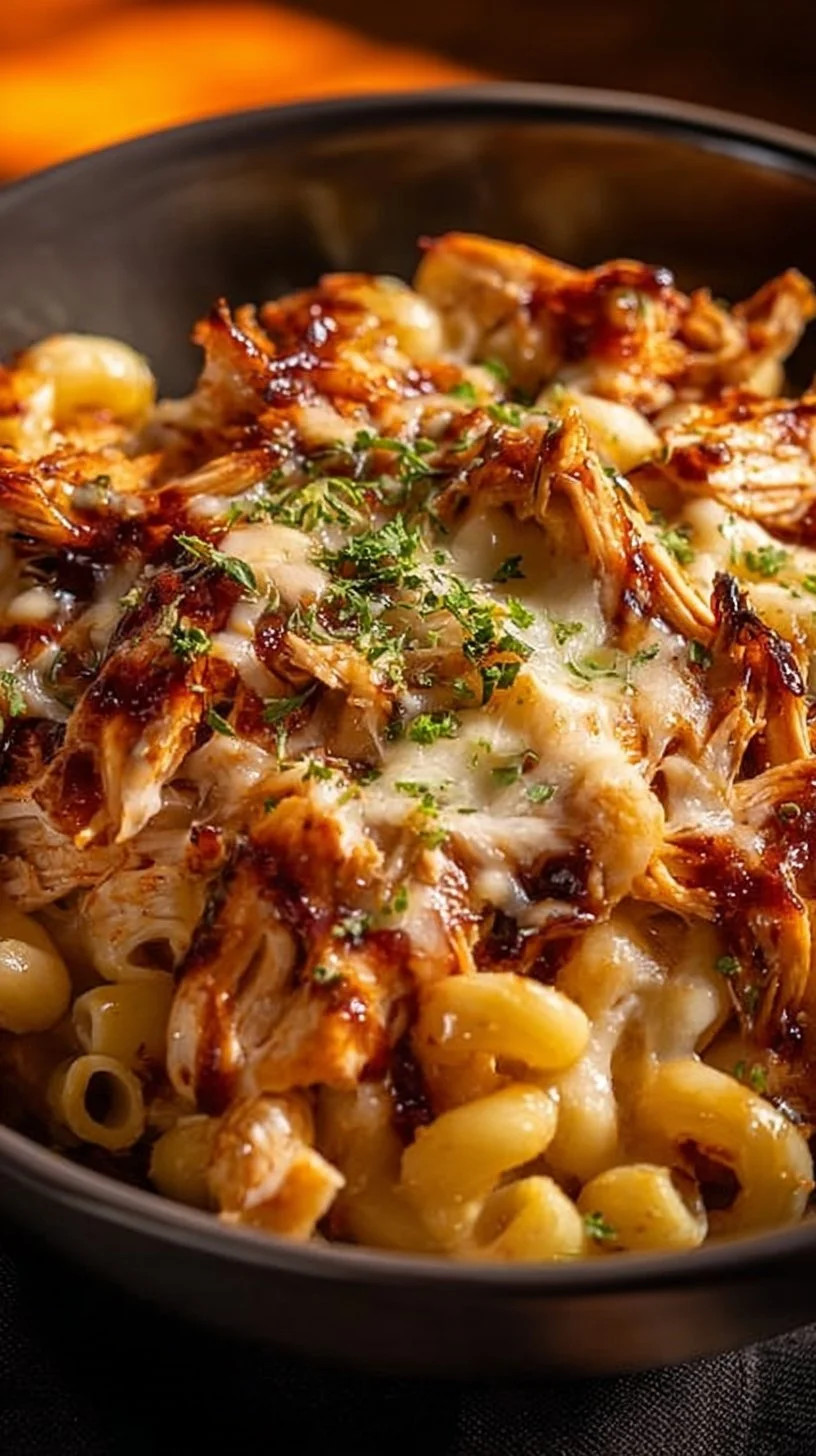
BBQ Chicken Mac and Cheese is a direct study in balanced contrasts: smoky-sweet barbecue flavors woven into a creamy cheese matrix, with shredded chicken providing textural relief to the silk of a cheese sauce. The preparation is intentionally economical in steps but exacting in technique—each action determines final viscosity, flavor concentration, and bite. For chefs refining home-cooked comfort food, this dish is an exercise in heat control, emulsion stability, and purposeful seasoning. For reference on hybrid comfort dishes that combine protein and pasta components, compare technique and composition to this mac-and-cheese meatloaf casserole example: mac and cheese meatloaf casserole.
This article explains the rationale behind the sequence of tasks, clarifies heat and timing choices, and outlines practical adjustments a professional cook would make while strictly respecting the recipe’s ingredients and directions.
The culinary logic behind this dish
At its core, the dish relies on three interacting systems: the starch matrix (pasta), the protein component (shredded chicken and BBQ sauce), and the lipid-protein emulsion (cheese sauce). The pasta delivers structure and starch to thicken and bind the sauce; the chicken adds chew and savory notes; the cheese and milk create a cohesive, smooth coating that carries fat-soluble flavors and provides mouthfeel.
BBQ sauce introduces acidity, sweetness, and smoke; these qualities both complement and challenge the dairy. Balancing acidity and fat is pivotal: too acidic and the cheese will break or taste dissonant; too fatty and the sauce becomes cloying. The recipe’s use of two cheeses (cheddar and mozzarella) is deliberate—cheddar supplies sharp, savory intensity and fat for flavor, while mozzarella contributes stretch and a neutral, melting quality that smooths texture without overpowering. Smoked paprika and the garlic/onion powders are layered aromatics to augment the BBQ’s profile and create a consistent flavor thread across all components.
Understanding these interactions explains why the recipe sequences steps as it does: pasta is cooked and drained to prevent starch dilution; chicken is warmed and coated to maximize surface flavor; cheese is melted gently into warmed milk to build a stable sauce; combining is done thoughtfully to preserve emulsion and texture.
How to make BBQ Chicken Mac and Cheese
This section follows the recipe directions in precise order and explains the reasoning behind each procedural choice. Adhere to the provided ingredient list and measurements; the commentary highlights technique without altering the original method.
Cook the pasta according to package instructions. Drain and set aside.
- Rationale: Cooking pasta to an al dente state preserves bite after it absorbs sauce. Overcooked pasta will continue to soften while held in the hot sauce, producing an undesirable mashy texture. Rapid draining prevents excess water from diluting the cheese sauce; do not rinse unless the recipe explicitly requires it, as surface starch aids adhesion.
Heat olive oil in a large skillet over medium heat. Add the shredded chicken and cook for 2-3 minutes to warm through.
- Rationale: The oil is a heat transfer medium and a flavor carrier; warming the chicken briefly allows moisture and flavors to equilibrate so the BBQ sauce adheres uniformly. Avoid extended cooking which will dry the cooked chicken.
Stir in the BBQ sauce, garlic powder, onion powder, smoked paprika, salt, and pepper. Mix well to coat the chicken in the sauce.
- Rationale: Coating the chicken while it is still on the heat permits the BBQ sauce to reduce slightly and intensify. The spices bloom when warmed; the smoke from paprika reinforces the BBQ’s profile. Mixing on the skillet encourages even distribution without additional liquid.
In a separate saucepan, heat the milk over medium heat. Stir in the cheddar and mozzarella cheese, continuing to stir until the cheese is melted and the sauce is smooth.
- Rationale: Heating milk first moderates temperature differences between dairy and molten cheese, reducing the risk of graininess. Maintain moderate heat—too hot and the dairy proteins contract and expel fat, creating a broken sauce. Continuous stirring promotes even melting and a stable emulsion.
Add the cooked pasta to the cheese sauce, stirring to combine. Then, fold in the BBQ chicken mixture and continue stirring until everything is well mixed.
- Rationale: Combining pasta with the cheese sauce off direct high heat helps the sauce cling to the pasta. Folding in the BBQ chicken last preserves the integrity of both components: the chicken retains texture and the sauce remains emulsified.
Taste and adjust seasoning with salt and pepper if needed.
- Rationale: Final seasoning corrects for variations in BBQ sauce salt and cheese intensity. Taste after combining because dilution and ingredient interactions can change perceived seasoning.
Serve hot, garnished with fresh parsley if desired.
- Rationale: Serve immediately to preserve optimal texture—cheese congeals as it cools and the pasta can absorb excess sauce. Fresh parsley adds a bright, herbal contrast to the smoky-sweet elements without altering the dish’s fundamental profile.
Ingredients :
1 lb (450g) chicken breast, cooked and shredded, 1 tablespoon olive oil, 8 oz (225g) elbow macaroni or pasta of choice, 2 cups shredded cheddar cheese, 1 cup shredded mozzarella cheese, 1 cup milk (low-fat preferred), ½ cup BBQ sauce (your favorite brand), 1 teaspoon garlic powder, 1 teaspoon onion powder, ½ teaspoon smoked paprika, Salt and pepper to taste, Fresh parsley, chopped (optional, for garnish)
Directions :
Cook the pasta according to package instructions. Drain and set aside., Heat olive oil in a large skillet over medium heat. Add the shredded chicken and cook for 2-3 minutes to warm through., Stir in the BBQ sauce, garlic powder, onion powder, smoked paprika, salt, and pepper. Mix well to coat the chicken in the sauce., In a separate saucepan, heat the milk over medium heat. Stir in the cheddar and mozzarella cheese, continuing to stir until the cheese is melted and the sauce is smooth., Add the cooked pasta to the cheese sauce, stirring to combine. Then, fold in the BBQ chicken mixture and continue stirring until everything is well mixed., Taste and adjust seasoning with salt and pepper if needed., Serve hot, garnished with fresh parsley if desired.
Ingredient analysis through a chef’s lens
Each ingredient performs a specific structural or flavor role. The chicken provides protein and chew; using pre-cooked and shredded chicken streamlines workflow and ensures consistent texture. Olive oil is the initial heat conduit and flavor carrier. Elbow macaroni is a classic for mac and cheese because its curvature traps sauce, though the recipe explicitly allows pasta of choice—select shapes that retain sauce in their cavities.
Cheddar contributes fat-soluble flavor compounds and a degree of sharpness that cuts the sweetness of BBQ sauce. Mozzarella is selected for its neutral melt; it tempers the cheddar’s assertiveness and creates a silkier mouthfeel. Milk acts as the aqueous phase for the emulsion; using low-fat milk reduces butterfat density so the sauce will be less heavy while still capable of forming a stable melt when the cheeses are added properly.
BBQ sauce is the primary flavor modifier; the choice of sauce will change acidity, sweetness, and smoke levels—therefore, tasting and seasoning are essential. Garlic and onion powders provide consistent, evenly distributed allium notes without the moisture or variability of fresh aromatics. Smoked paprika reinforces the BBQ theme and adds color. Parsley is purely a finishing herb for aroma and a visual lift.
Kitchen workflow & technique breakdown
Efficient mise en place simplifies the sequence: have shredded cheeses measured and at near-room temperature, milk measured, and spices combined. Bring water for pasta to a vigorous boil while you warm the milk—this parallel work reduces total cook time and maintains heat continuity. Use a heavy-bottomed saucepan for the cheese sauce to avoid hot spots that can scorch dairy.
Heat control: medium heat is the recommended starting point. For the cheese sauce, reduce to low-medium when cheeses are introduced and stir constantly with a heat-resistant spatula or whisk to coax a glossy emulsion. For the chicken, medium heat allows sauce reduction without drying fibers. Timing is short for the chicken step—2–3 minutes—because it is already cooked; the objective is to warm evenly and concentrate flavors.
Use separate vessels to manage carryover heat and avoid destabilizing the cheese sauce. Combining the pasta in the cheese sauce is best done off high heat; residual heat will finish adherence. Constant stirring while folding in the chicken avoids trapping pockets of hot BBQ sauce that can locally thin the dairy emulsion.
Texture control, heat management & timing
Texture is the primary quality metric for this dish: the pasta should be al dente, the cheese sauce smooth and clingy, and the chicken moist with defined fibers. Critical control points:
- Pasta cook time: adhere to package guidelines but aim for the lower end of stated times.
- Cheese melting: add cheeses gradually once milk is warm, not boiling. Boiling milk accelerates protein denaturation and can lead to grainy texture.
- Sauce emulsification: maintain gentle agitation. If sauce begins to break (oily sheen, separation), reduce heat immediately and whisk vigorously; a small splash of warm milk can help rebind.
- Chicken handling: minimal heat prevents drying. If the chicken was refrigerated, allow it to come closer to room temperature or warm more gently to prevent the BBQ sauce from cooling the overall pan temperature.
Timing synchronization: start pasta first, then warm chicken while pasta cooks, and finally prepare the cheese sauce as pasta drains. This keeps everything hot and reduces standing time where texture degradation occurs.
Professional variations
Within the constraints of the ingredient list, professional-level variations focus on technique rather than substitution. For example, consider finishing the cheese sauce with a short off-heat rest covered for 2 minutes to allow microbubbles to dissipate and the sauce to homogenize before adding pasta. Another technique is to reserve ½ cup of pasta cooking water before draining; adding a tablespoon if the sauce tightens excessively can rehydrate without diluting flavor—note: this does not change the recipe ingredients but is an operational aid.
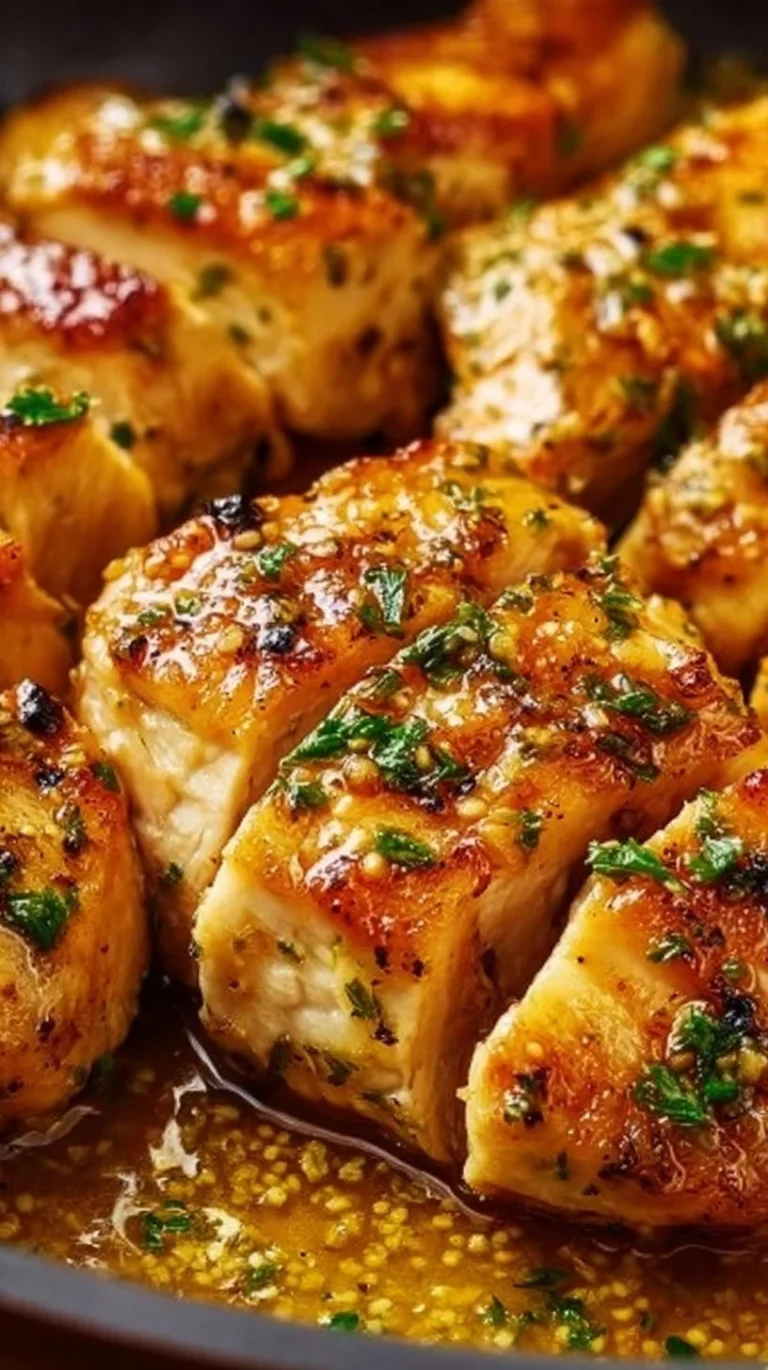
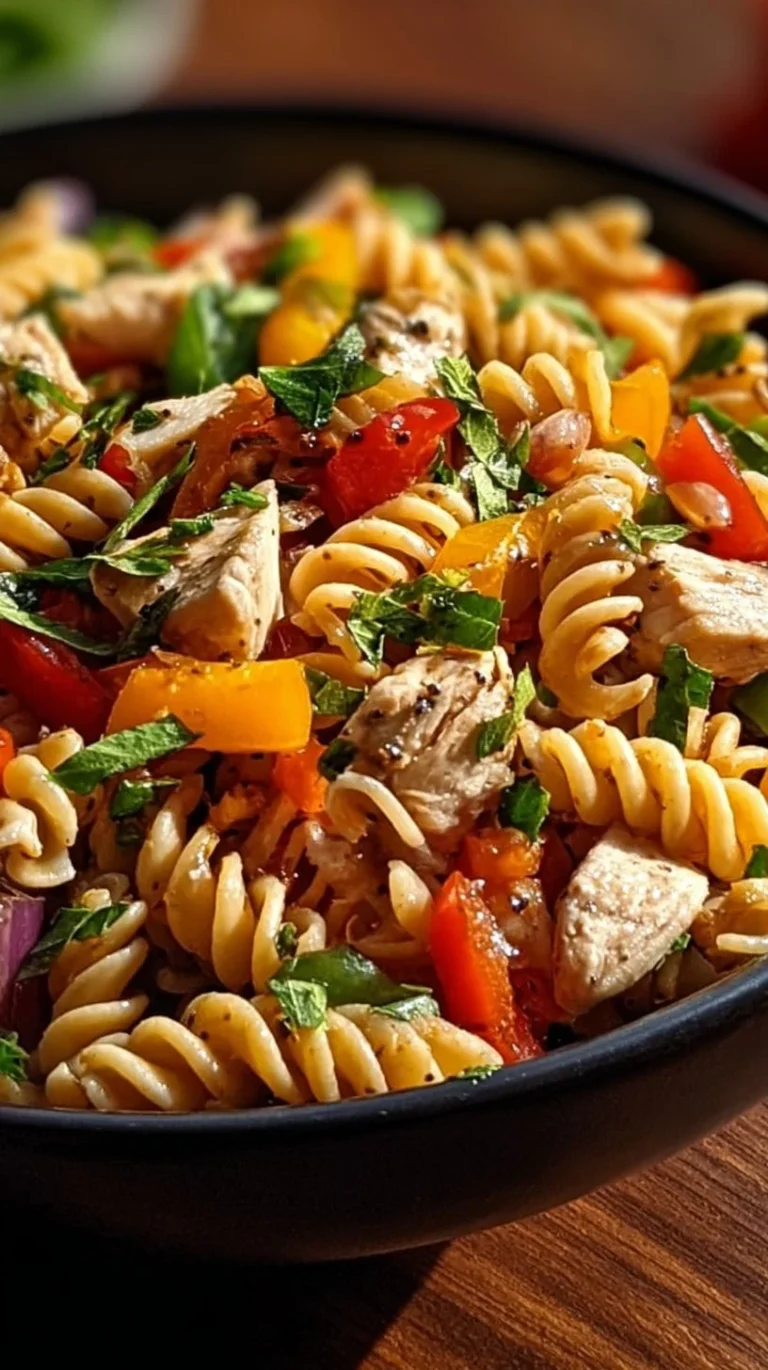
For cooks who prefer a more integrated one-pot approach in service kitchens, techniques from comparable dishes like this dreamy garlic butter chicken and bowtie pasta can inform timing and emulsion handling during continuous service: garlic butter chicken and bowtie pasta.
Finishing touches & plating philosophy
Finish with fresh parsley for contrast: the herb’s volatile oils introduce a green aromatic counterpoint to the smoky-sweet profile. Plate temperature matters—shallow, pre-warmed bowls preserve heat long enough for immediate service without cooling the cheese into a firmer state. Spoon carefully to present a cohesive portion where strands of shredded chicken are visible against the pasta matrix, demonstrating the balance of components.
Garnishes should be minimal and functional: a small scatter of parsley or a light grind of black pepper enhances aroma and mouthfeel; avoid heavy garnishes that obscure the dish’s texture and sheen.
Maintaining quality after cooking
This dish is best consumed promptly. As it cools, the emulsion tightens and the pasta continues to absorb moisture, softening texture. If holding for short periods (15–30 minutes), cover loosely to prevent surface skinning while allowing steam to escape. For longer holding, hold in a low oven (around 200°F/95°C) uncovered for brief periods to maintain warmth without further coagulating the sauce; stir periodically to redistribute heat.
If refrigeration is necessary, portion and cool rapidly to minimize time in the danger zone. Reheat gently over low heat with the addition of a small amount of milk to revive creaminess; excessive reheating will irrevocably change texture.
Questions from home cooks (chef answers)
Q: Can I use pre-shredded cheese from the bag?
A: Yes, but pre-shredded cheeses often contain anti-caking agents that can affect melt quality. For the silkiest sauce, finely shred blocks of cheddar and mozzarella yourself. If pre-shredded is used, increase stirring and be prepared for slightly slower melt.
Q: What if my BBQ sauce is very sweet or acidic?
A: Taste and adjust seasoning after combining. A very sweet sauce can be balanced with a pinch more smoked paprika or a light squeeze of citrus if available; if highly acidic, dilute perceptual sharpness by ensuring sufficient cheese and milk are present before final seasoning.
Q: Can I use other pasta shapes?
A: Yes; choose shapes that trap sauce (shells, cavatappi) for maximum retention. The cooking time will vary by shape, so adjust to keep al dente texture.
Q: How do I prevent the cheese from becoming grainy?
A: Heat control and gradual incorporation are key: warm the milk, reduce heat before adding cheese, and stir constantly. Avoid high heat and rapid temperature shifts.
Final chef notes
Precision in this recipe is not about complexity; it is about controlling the variables that determine texture and balance. Respect the sequence: cook and drain pasta to manage starch, warm and coat chicken to concentrate the BBQ profile, and build the cheese sauce gently to preserve emulsion. Taste and adjust only at the end once all components are combined, because the interplay of cheese, BBQ sauce, and pasta alters perceived seasoning. Serve immediately for the best contrast of silk, chew, and smoke.
Conclusion
For a streamlined interpretation that emphasizes a short ingredient list and quick execution, consult this 5-Ingredient BBQ Chicken Mac and Cheese for comparative simplicity: 5-Ingredient BBQ Chicken Mac and Cheese – Kinda Healthy Recipes. If you are researching variations with smoky profiles and layered seasoning, this take provides alternative approaches: BBQ Chicken Mac and Cheese – Sailor Bailey. For one-pot method comparisons and timing strategies relevant to busy service environments, see this recipe: One-Pot Barbecue Chicken Mac and Cheese – Emily Bites. For a technically detailed, indulgent version that explores baking and topping treatments, review this preparation: Ultimate BBQ Chicken Mac and Cheese – Baking Beauty.
BBQ Chicken Mac and Cheese
Ingredients
Method
- Cook the pasta according to package instructions. Drain and set aside.
- Heat olive oil in a large skillet over medium heat. Add the shredded chicken and cook for 2-3 minutes to warm through.
- Stir in the BBQ sauce, garlic powder, onion powder, smoked paprika, salt, and pepper. Mix well to coat the chicken in the sauce.
- In a separate saucepan, heat the milk over medium heat. Stir in the cheddar and mozzarella cheese, continuing to stir until the cheese is melted and the sauce is smooth.
- Add the cooked pasta to the cheese sauce, stirring to combine. Then, fold in the BBQ chicken mixture and continue stirring until everything is well mixed.
- Taste and adjust seasoning with salt and pepper if needed.
- Serve hot, garnished with fresh parsley if desired.