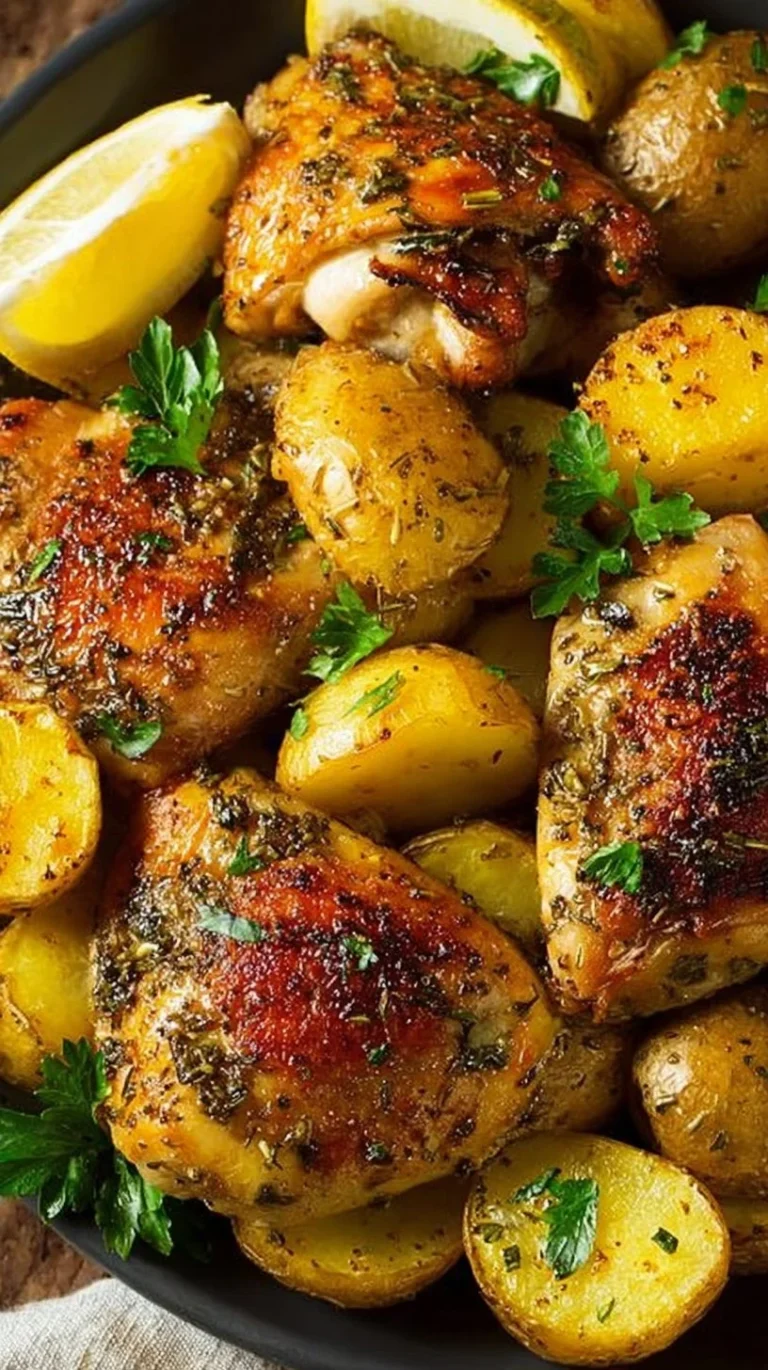
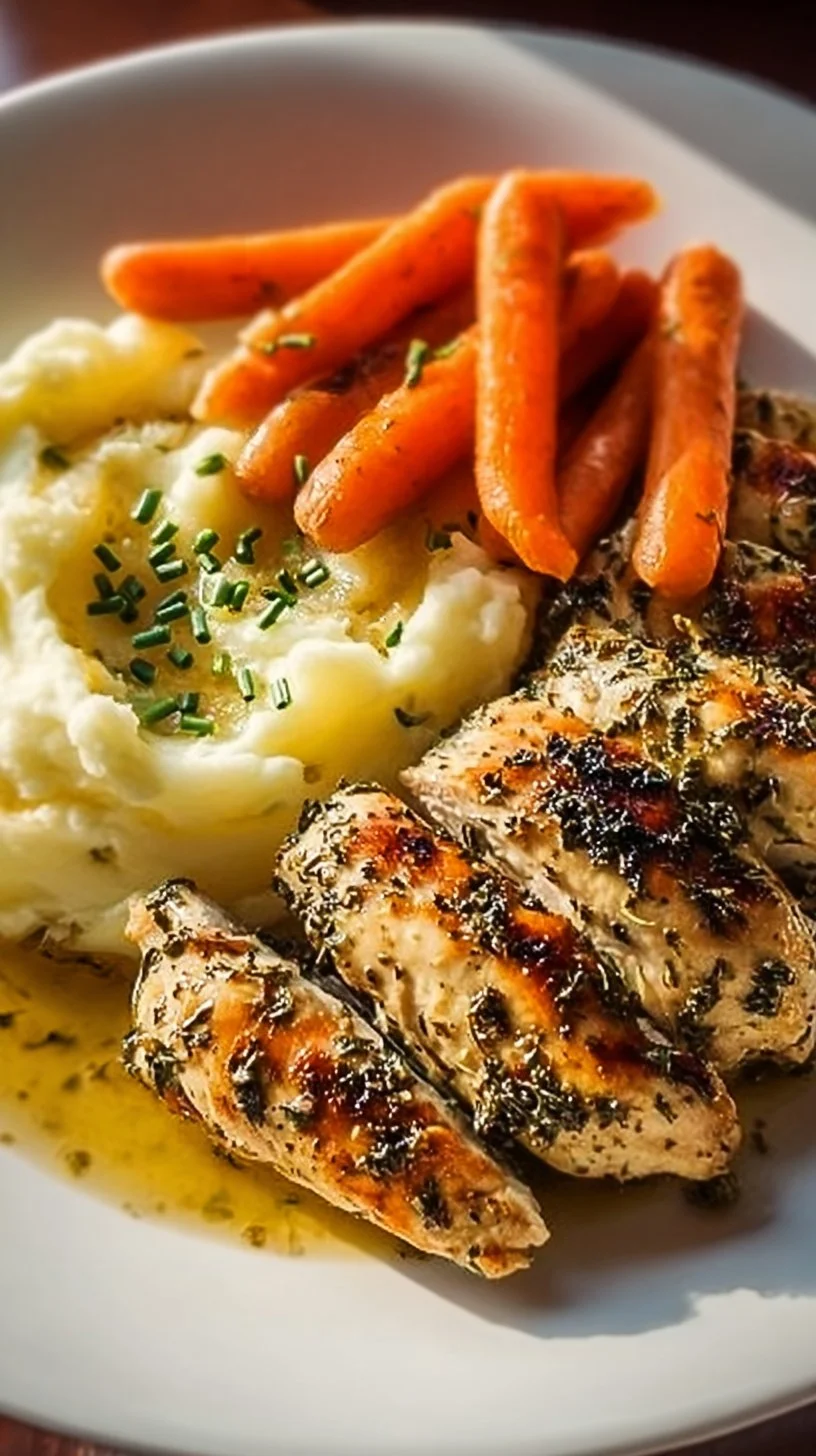
Make Garlic Herb Chicken with Mashed Potatoes and Glazed Carrots Tonight!
Introduction
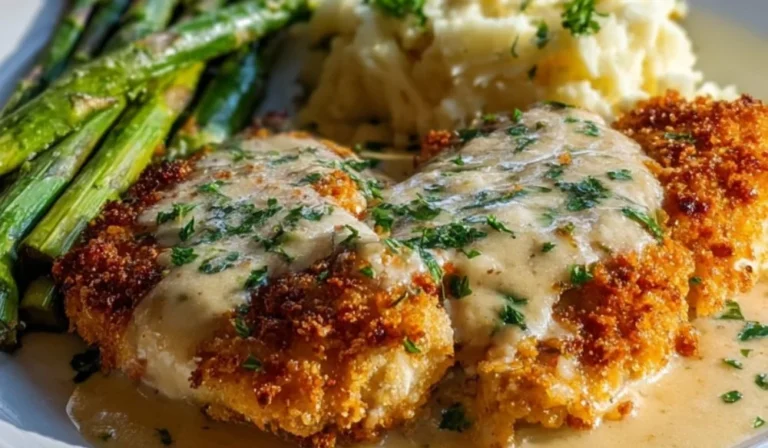
As a nutrition specialist, I approach simple family recipes like Garlic Herb Chicken with Mashed Potatoes and Glazed Carrots Tonight! through the lens of balance, digestion, and sustainable eating patterns. This dish brings familiar flavors and comfortable textures that many people enjoy, and it also contains a solid mix of protein, starchy carbohydrate, and colorful vegetables. I’ll walk you through how the components work together to support digestion and long-term wellness, how to prepare the recipe as written, and practical, evidence-based ways to optimize it for nutrient density and satisfaction. If you want ideas for similar protein-forward dinners that lean into whole-food ingredients, try pairing this with techniques used in a parmesan-crusted chicken with creamy garlic sauce for variety in a balanced meal plan.
How this recipe supports overall wellness
This recipe is a classic balanced plate: lean protein from chicken, carbohydrate and potassium from russet potatoes, and fiber plus beta-carotene from carrots. Together these components support satiety, muscle maintenance, and steady energy. Protein-rich meals slow gastric emptying slightly, which can help regulate blood glucose responses when combined with the starchy component of potatoes. The inclusion of garlic, herbs, and a modest use of olive oil contributes flavor without requiring large amounts of added salt.
From a digestion-focused view, roasted and seared preparations preserve texture while keeping foods easy to chew and digest for most people. Carrots offer soluble and insoluble fiber, which supports regularity and feeds beneficial gut bacteria. If you like finishing a meal with a modest treat, pairing this entrée with portion-controlled desserts can support long-term adherence to healthy eating; for example, consider occasional smaller desserts along the lines of light, individual options like mini cheesecakes as part of an overall balanced approach.
How to make Make Garlic Herb Chicken with Mashed Potatoes and Glazed Carrots Tonight!
Ingredients :
4 boneless, skinless chicken breasts, 3 tablespoon olive oil, divided, 4 cloves garlic, minced, 1 teaspoon dried thyme, 1 teaspoon dried Italian herbs, 1 teaspoon salt, 1/2 teaspoon black pepper, 4 large russet potatoes, peeled and cut into 2–3 inch chunks, 4 tablespoon butter, 1/2 cup whole milk, warmed, 2 ounce cream cheese, 1 pound carrots, peeled and sliced in half if large, 1 tablespoon olive oil, 2 tablespoon butter, 1 tablespoon honey, 1 clove garlic, grated, 1 shallot, minced, 2 cloves garlic, minced, 1/2 cup dry white wine, 1/2 cup chicken stock, 2 tablespoon cold butter
Directions :
To begin, add the peeled and chunked potatoes to a pot of cold salted water. Bring the water to a boil and cook the potatoes until they are fork-tender, about 15 minutes. Drain the potatoes, return them to the hot pot for 1–2 minutes to steam-off excess moisture, then cover and set them aside.
<, p id=”instruction-step-2″>2. Preheat your oven to 425°F. Toss the peeled and sliced carrots with 1 tablespoon of olive oil, salt, and pepper on a parchment-lined baking sheet. Roast the carrots for 25–35 minutes, or until they are tender and lightly caramelized. Near the end of the roasting time, melt 2 tablespoon of butter with 1 tablespoon of honey and 1 grated garlic clove in a small pan until the mixture is bubbly and fragrant. Pour this honey-butter glaze over the hot carrots and toss to coat them evenly., d=”instruction-step-3″>3. Pat the chicken breasts dry and season them with salt, pepper, half of the minced garlic, and the thyme and/or Italian herbs, rubbing the seasoning in with 1 tablespoon of olive oil. Heat the remaining 2 tablespoon of olive oil in a large skillet over medium-high heat. Sear the chicken for 5–6 minutes per side, or until it is golden brown and cooked through. Transfer the seared chicken to a plate and tent it with foil to keep it warm., “instruction-step-4″>4. In the same skillet used for the chicken, sauté the minced shallot and remaining garlic over medium heat for 1–2 minutes. Deglaze the pan with the white wine, scraping up any browned bits from the bottom of the skillet. Simmer the mixture for 2–3 minutes to reduce it slightly, then add the chicken stock and continue simmering until the sauce has thickened slightly. Off the heat, whisk in 2 tablespoon of cold butter until the sauce becomes silky and emulsified. Season the pan sauce with salt and pepper to taste., ruction-step-5″>5. Mash the hot potatoes to your desired consistency. In a small saucepan, warm the 4 tablespoon of butter, cream cheese (if using), and milk just until the mixture is melted and combined. Stir this warm, creamy mixture into the mashed potatoes until they are smooth and luscious. Season the mashed potatoes with salt and pepper to taste.
Nutrient roles of each main ingredient
- Chicken breasts: Provide high-quality, complete protein with low saturated fat when skinless. Protein supports muscle repair, immune function, and the production of digestive enzymes. For most adults, including a palm-sized portion of chicken at a meal helps meet daily protein needs without excess calories.
- Russet potatoes: A dense source of carbohydrate and potassium. Potatoes also supply vitamin C and some B vitamins. The starch in potatoes is a useful, satisfying energy source; when eaten alongside protein and fat, the carbohydrate is digested more slowly, helping steady blood sugar.
- Carrots: Rich in beta-carotene (a vitamin A precursor), fiber, and water. Roasting concentrates natural sugars and creates pleasant caramelized flavors, which can increase vegetable acceptance across family members.
- Olive oil and butter: Olive oil provides primarily monounsaturated fats, associated with heart-healthy patterns; butter contributes saturated fat and flavor. Used in moderation, these fats help absorption of fat-soluble vitamins (A, D, E, K) and add palatability, which supports consistent intake of nutritious foods.
- Garlic and shallot: Contain phytochemicals and prebiotic fibers in small amounts that support gut microbial diversity and add flavor, reducing the need for excess salt.
- Milk and cream cheese in the mashed potatoes: Provide calcium, vitamin D (if fortified), and a bit more protein and fat to create a satisfying texture.
The preparation method & its health impact
Cooking methods influence nutrient retention and digestion. Boiling potatoes in salted water is efficient and preserves most minerals and starch; returning them to the hot pot briefly to steam helps evaporate excess water so the mash doesn’t become gluey. Roasting carrots concentrates flavor with relatively little added fat. Searing chicken at high heat builds flavor through the Maillard reaction; finishing with a short pan sauce made from wine and stock adds taste without heavy cream.
Deglazing with wine reduces the need for excessive salt or cream to build a sauce, and whisking in cold butter off the heat achieves a silky texture through emulsification rather than heavy cream. From a digestion standpoint, combining protein, starch, and fat slows gastric emptying and can improve post-meal satiety. However, if someone has a sensitive stomach, smaller portions of the buttery sauce or lower-fat milk can ease tolerance while preserving flavor.
Ways to lighten, enrich or modify the dish nutritionally
Although the recipe stands well as written, small adjustments can nudge the nutrient profile without changing the core steps:
- Lighten: Use lower-fat milk or reduce butter in the mash by 1–2 tablespoons and instead stir in a little additional warm milk to maintain creaminess. Roast carrots with olive oil only and use a smaller amount of honey in the glaze if you’re watching added sugars.
- Enrich: Stir in a handful of lightly steamed greens (finely chopped) into the mashed potatoes for added fiber and micronutrients, or top the chicken with a fresh herb salad to increase vitamin K and polyphenols.
- For technique inspiration that complements roasting and saucing practices, review slow-cooking and braising ideas that focus on flavor from long, low-heat methods for root vegetables and proteins in different contexts, such as those used in some slow-braised recipes. These ideas can help adapt timing and texture preferences while keeping nutrient focus intact.
Note: These are suggestions for meal planning — do not alter the recipe text above when following this exact version.
Pairing ideas for a balanced, complete meal
To round this plate into a well-composed meal you can add:
- A simple leafy green salad dressed with lemon and a teaspoon of olive oil to increase volume, fiber, and micronutrients without adding many calories.
- A small portion of legumes or a whole grain on the side once or twice a week if you want more sustained carbohydrate and fiber for endurance-type activities.
- Fresh fruit for dessert or a modest dairy-based option to provide calcium and a satisfying finish. Rotating side salads, whole grains, and lighter desserts helps maintain variety and adherence to a nutrient-dense way of eating.
Portion guidance: aim for half the plate to be vegetables (carrots plus a salad), one quarter lean protein (the chicken), and one quarter starchy carbohydrate (mashed potatoes). This visual can help moderate portions without strict calorie counting.
Safe storage, food safety & optimal reheating
Proper cooling and storage reduce food-safety risks. After serving, cool leftovers to room temperature no longer than two hours, then refrigerate in shallow, airtight containers. Store the chicken, mashed potatoes, and glazed carrots separately if possible; this preserves texture and lets you reheat only what you need.
Reheating:
- Reheat chicken thoroughly to an internal temperature of 165°F (74°C) or until steaming hot throughout. A quick sear or a short oven finish at 350°F works well to restore texture.
- Reheat mashed potatoes gently on the stovetop with a splash of milk or broth to loosen them, stirring frequently to avoid scorching.
- Reheat glazed carrots in a 350°F oven for 8–12 minutes or briefly in a covered skillet to warm them without drying.
Leftovers typically keep 3–4 days refrigerated. Freeze in portions for longer storage, but note that the texture of mashed potatoes may change; incorporate a little extra liquid when reheating frozen mashed potatoes to restore creaminess.
Common nutrition questions about this dish
- Will the potatoes spike my blood sugar? Potatoes are a higher-glycemic food, but eaten with protein and fat — as in this recipe — the glycemic impact is blunted. Pairing with fiber-rich vegetables and protein supports steadier blood glucose.
- Is butter too unhealthy to include? Butter is a source of saturated fat, but in the context of a balanced diet and moderate portions, small amounts used for flavor are compatible with long-term health. Olive oil in the recipe contributes heart-healthy monounsaturated fats.
- Is wine in the sauce a concern? Cooking with wine evaporates most alcohol; the small amount used to deglaze contributes depth of flavor. If you avoid alcohol entirely, substitute additional chicken stock and a splash of vinegar for acidity.
- What about sodium? The recipe includes salt; you can reduce added sodium by seasoning to taste and relying on herbs and garlic for flavor. Tasting the pan sauce before adding more salt is an easy way to control sodium intake.
- How much protein per serving? A standard boneless, skinless chicken breast (about 4–6 ounces) provides roughly 25–35 grams of protein per serving, a convenient target for many adults to support muscle maintenance and metabolic function.
Final wellness notes
This family-friendly meal invites flexibility and mindfulness. It pairs a satisfying mouthfeel with nutrient-dense vegetables and high-quality protein, which are key elements for both short-term satiety and long-term dietary adherence. Eating with attention — noticing flavors, textures, and fullness cues — supports digestion and prevents overeating. Preparing meals at home, as this recipe encourages, also lets you control ingredients, portion size, and cooking methods to align with individual health goals. If you cook this often, consider small weekly variations like adding herbs, swapping portion sizes, or adjusting the glaze to keep meals enjoyable and sustainable.
Conclusion
If you’re looking for similar one-pan inspiration for herb-forward chicken and vegetables, this One Pan Herb Roasted Chicken and Vegetables idea shows a comparable approach to balanced, roasted dinners. For variations that pair lemon and garlic with potatoes in a simplified format, see the One Pan Lemon Garlic Chicken and Potato Recipe for technique tips that translate well to weeknight cooking. And if you enjoy experimenting with potato preparations, these tips in the Garlic Butter Roasted Fingerling Potatoes Recipe can give ideas for texture and seasoning adjustments to your mashed-potato side.
Garlic Herb Chicken with Mashed Potatoes and Glazed Carrots
Ingredients
Method
- Add the peeled and chunked potatoes to a pot of cold salted water. Bring the water to a boil and cook the potatoes until they are fork-tender, about 15 minutes. Drain and let them steam off excess moisture for 1-2 minutes.
- Preheat your oven to 425°F. Toss the sliced carrots with 1 tablespoon of olive oil, salt, and pepper on a lined baking sheet. Roast for 25-35 minutes until tender.
- Pat the chicken dry and season with salt, pepper, half of the minced garlic, thyme, and/ or Italian herbs. Sear in a skillet over medium-high heat for 5-6 minutes per side.
- In the same skillet, sauté the minced shallot and remaining garlic for 1-2 minutes. Deglaze with white wine, scraping any browned bits. Simmer for 2-3 minutes, then add chicken stock.
- Whisk in 2 tablespoons cold butter until emulsified. Mash the potatoes with butter, cream cheese, and milk until smooth.
- Glaze the roasted carrots with melted butter, honey, and grated garlic before serving.