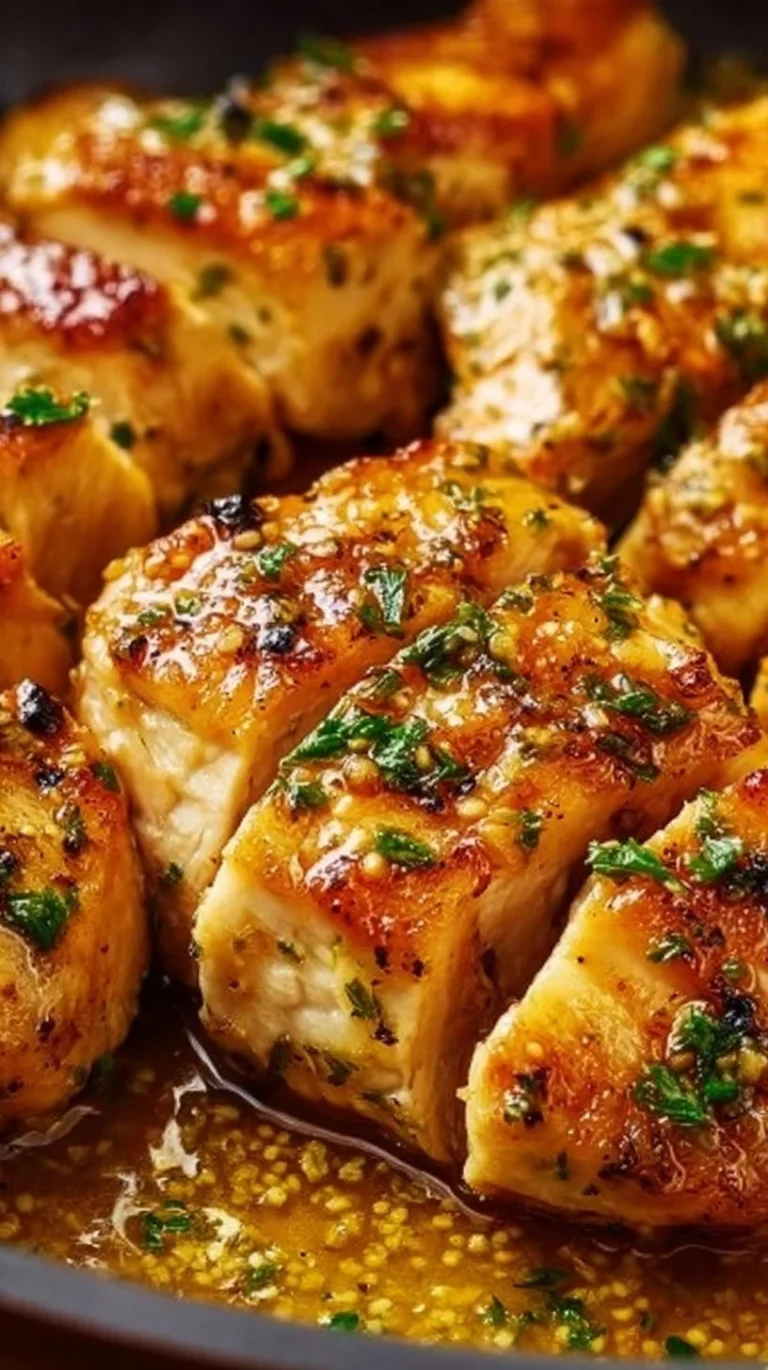
Creamy Honey Mustard Chicken
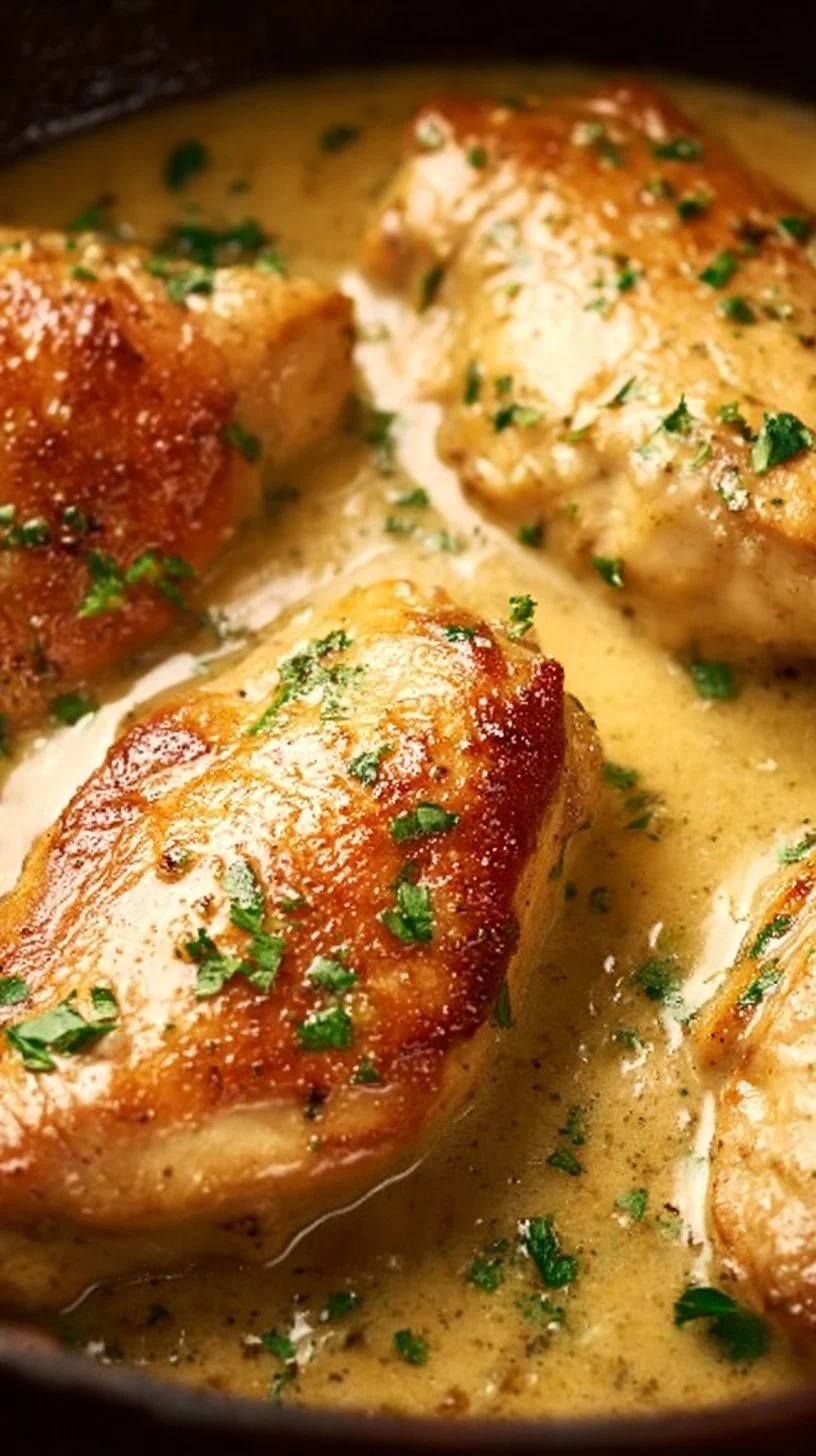
Creamy Honey Mustard Chicken is an exercise in balancing concentrated sweet and sharp flavors against a neutral, tender protein and a lightly enriched fat. The recipe’s short ingredient list favors technique over complexity: by controlling searing, deglazing, emulsification and gentle reduction, you create a sauce with a glossy, velvety texture and a sharp-sweet profile that clings to the chicken. For cooks who want to explore related preparations that rely on the same principles of pan sauce development and cream enrichment, consult this creamy low-carb chicken casserole with broccoli and bacon for a make-ahead perspective on cream-based chicken dishes.
This article dissects the formulation and execution of the recipe, translating each step into predictable outcomes and actionable technique. Expect detailed guidance on heat management, timing, and texture control so you can consistently produce a glossy sauce, evenly cooked breasts, and confident seasoning.
The culinary logic behind this dish
At its core, Creamy Honey Mustard Chicken is a three-part system: the protein, the aromatic fat and the emulsified finishing sauce. Each element must be treated to preserve texture and maximize flavor extraction.
- Protein: Boneless skinless breasts are lean and have a limited margin between properly cooked and overcooked. Sear-driven Maillard reaction gives color, caramelized flavor and textural contrast; maintain internal moisture by controlling pan temperature and resting.
- Fat and fond: Olive oil transfers heat and carries flavor while contributing to fond on the pan surface. That fond is the primary flavor reservoir for the sauce; it must be preserved and then dissolved back into the liquid component.
- Emulsified sauce: Honey and Dijon provide sugars and acid/tang respectively; heavy cream supplies fat and mouthfeel. The goal is to build a stable, glossy emulsion where cream softens the mustard’s sharpness and honey balances acidity without breaking or separating.
Understanding this architecture clarifies why each procedural choice matters: sear at the right temperature to form fond, reserve liquids to deglaze and incorporate browned bits, and reduce gently so the cream integrates into an evenly thickened coating rather than a grainy, broken sauce.
How to make Creamy Honey Mustard Chicken
Execution should prioritize timing and sequence. Begin by assembling ingredients and mise en place so the sauce can be combined and finished immediately after the chicken reaches temperature. The mustard-honey-cream mixture is pre-blended to ensure the emulsion begins homogenized; adding it to a hot pan completes the integration as heat activates thickening and flavor melding.
If you prefer to scale or convert this pan method into another format, the technique principles—sear, reserve fond, add sauce base, reduce gently—apply to braises and one-pan bakes as well. For an alternative one-pan approach that emphasizes rapid cook time and layered flavors, review this crock-pot creamy cajun chicken pasta to compare timing and moisture retention strategies.
Prepare to monitor three temperatures concurrently: pan surface for searing, the chicken’s internal temperature for doneness, and the sauce’s simmer point to prevent curdling.
Ingredients :
4 boneless, skinless chicken breasts, 1/4 cup honey, 1/4 cup Dijon mustard, 1/2 cup heavy cream, Salt and pepper to taste, 1 tablespoon olive oil, Fresh parsley for garnish (optional)
Directions :
- In a bowl, mix together honey, Dijon mustard, and heavy cream. Set aside., 2. Season the chicken breasts with salt and pepper., 3. Heat olive oil in a skillet over medium heat., 4. Add the chicken breasts and cook until golden and cooked through, about 6-7 minutes per side., 5. Pour the honey mustard mixture into the skillet with the chicken., 6. Reduce heat and let simmer for 2-3 minutes until the sauce thickens., 7. Garnish with fresh parsley if desired and serve.
Ingredient analysis through a chef’s lens
Each ingredient carries a specific functional role beyond flavor.
- Chicken breasts: They provide a mild canvas. Thickness variance is the principal variable—pounded even or butterflied pieces reduce cooking time disparity. Uniform thickness ensures predictable sear time and consistent internal temperature.
- Honey: Soluble sugar that contributes sweetness and viscosity. Honey accelerates browning on contact with heat; when incorporated into the sauce it increases gloss and mouth-coating sweetness. Avoid direct high-heat contact with honey for long periods to prevent scorch.
- Dijon mustard: Emulsifier and acid. Mustard seeds’ emulsifying compounds help stabilize the cream-honey mixture, and the acidic note lifts the overall profile to avoid cloying sweetness.
- Heavy cream: Fat and texture builder. It moderates mustard’s bite and forms a stable sauce when reduced gently; overheating can cause separation or graininess as proteins denature.
- Olive oil: Heat transfer and flavor carrier. Use an oil with a clean, light profile; heavy olive oil can compete with mustard’s sharpness.
- Salt and pepper: Basic seasoning that enhances the chicken’s intrinsic flavor and draws moisture to the surface to improve browning.
- Parsley: Fresh herb for color contrast and a faint herbaceous lift; optional but effective for balance.
The proportions yield a sauce that is bright and viscous without excessive fat. Respect the listed amounts; altering ratios risks destabilizing texture or overpowering the protein.
Kitchen workflow & technique breakdown
Workflow minimizes idle time between sear and sauce to preserve heat and flavor. The ideal sequence:
- Mise en place: Mix the honey-mustard-cream blend and place near the stove. Have a thermometer, tongs and a plate ready.
- Preheat the pan: Heat the skillet until a drop of water vaporizes on contact, then reduce to medium before adding oil. This prevents smoke while ensuring sufficient surface energy for Maillard reaction.
- Sear with space: Add the breasts without crowding; crowding steams the meat and prevents fond formation. Sear until a deep golden-brown crust forms—this crust contains concentrated flavor.
- Manage carryover: After flipping, use an instant-read thermometer to track internal temperature. Remove at 60–62°C (140–144°F) and allow carryover to 65–68°C (149–154°F) depending on desired finish; residual heat will complete the cooking while the sauce finishes.
- Deglaze and integrate: Pour the pre-mixed honey-mustard-cream into the hot pan off the heat briefly, then return to low heat to combine. Stir gently to dissolve fond into the sauce.
For supplemental reference on pan-seared techniques applied to chicken with cream-based finishes, consider reviewing the parmesan-crusted approach available here parmesan-crusted chicken with creamy garlic sauce. The sequencing and heat control principles are analogous.
Texture control, heat management & timing
Texture is the primary success metric. Two items require vigilant management: the chicken’s internal doneness and the sauce’s emulsion stability.
- Chicken: Thin breasts cook rapidly; aim for an even crust without overcooking the interior. Use moderate heat (medium) so the surface achieves color within 5–7 minutes per side, depending on thickness. Use an instant-read thermometer in the thickest part.
- Sauce: Cream emulsions destabilize at high temperatures. After adding the honey-mustard-cream mixture, reduce to low or very low heat and maintain a gentle simmer—visible small bubbles but not a rolling boil. Simmer 2–3 minutes as directed; this concentrates flavor and slightly thickens the sauce without risking curdling.
- Viscosity control: If the sauce is too thin after the specified reduction, remove from the heat and whisk for a minute; residual heat thickens it further. If it is too thick, add a tablespoon of warm water or a splash of stock to adjust. Avoid adding cold liquid directly, which can shock the emulsion.
Timing is compact by design; the sauce’s readiness should coincide with the chicken’s target internal temperature. That synchrony preserves heat and ensures proper coating.
Professional variations
Without altering the ingredient list, adjustments to technique can produce distinct outcomes:
- Butter finish: Replace or supplement half the olive oil with butter at the end for richer mouthfeel. Add butter off-heat and swirl to create a glossy sheen while avoiding overheating.
- Differently textured breasts: If using thicker breasts, slice horizontally to create cutlets for faster, more even cooking; this preserves the method but reduces sear time disparity.
- Mustard intensity: Allow Dijon to bloom by mixing it with the cream before heating; resting the mixture for 10 minutes off-heat rounds the mustard’s edge through hydration of its proteins.
- Clarified pan fond: If the fond has burnt bits, add a small splash of water and scrape immediately to lift only the caramelized bits, not char, ensuring a clean sauce base.
Each variation adheres to the original ingredient set while demonstrating how technique shifts yield textural or flavor differences.
Finishing touches & plating philosophy
The plating should emphasize contrast and restraint. A shallow pool of sauce beneath the chicken allows the sauce to present both visually and functionally—each bite can be spooned with sauce without drowning the meat.
- Spoon: Use a small ladle to place sauce and then set the chicken atop. Gently spoon additional sauce over the breast to highlight gloss and encourage cling.
- Garnish: Finely chopped parsley provides freshness and color contrast; scatter sparingly to avoid overpowering the sauce visually.
- Temperature: Serve immediately to maintain sauce viscosity. If the dish must wait briefly, cover loosely and keep at warm (not hot) temperature to prevent cream separation.
Plating should be measured; the sauce’s visual sheen and the chicken’s golden color are the primary aesthetic cues.
Maintaining quality after cooking
Leftovers require attention to temperature and reheating method to preserve texture.
- Refrigeration: Cool within two hours in a shallow container. Cream-based sauces are perishable; consume within 48 hours.
- Reheating: Gently reheat in a low oven (150–160°C / 300–325°F) or in a skillet over low heat with a tablespoon or two of water or stock to loosen the sauce and prevent separation. Avoid microwave reheating at full power which can overheat proteins and break the emulsion.
- Freezing: Not recommended for the finished sauce; freezing and thawing can separate cream and change texture. If freezing is necessary, separate the cooked chicken from the sauce; freeze the chicken alone and prepare a fresh sauce on thaw.
Adhering to controlled reheating preserves mouthfeel and flavor fidelity.
Questions from home cooks (chef answers)
Q: How do I prevent the sauce from breaking?
A: Maintain a low, gentle simmer. Do not boil the cream after it’s added. If the sauce begins to break, remove from heat and whisk in a small quantity of cold liquid (water or stock) to cool and rebind.
Q: My chicken browned unevenly; why?
A: Uneven browning is usually due to inconsistent pan temperature or overcrowding. Ensure even pan heat, dry the chicken surface with paper towels, and sear without moving for full contact.
Q: Can I use another sweetener instead of honey?
A: Technically yes, but the flavor profile will shift. Honey provides both sweetness and specific flavor notes; maple or agave will alter color and caramelization behavior. Follow the same quantities but expect variations in browning and final taste.
Q: How can I get more sauce without diluting flavor?
A: Reduce the sauce slightly longer to concentrate, or add a small splash of stock before reducing to increase volume while retaining depth.
Final chef notes
Precision and restraint are the keys to making Creamy Honey Mustard Chicken excel. Respecting heat, sequencing the sauce addition, and monitoring both the pan and internal temperatures eliminate the common failures—overcooked protein and broken sauces. The recipe’s economy of ingredients rewards meticulous technique: a well-executed pan will yield clean, concentrated flavors and a sauce with a satiny mouthfeel that complements, rather than masks, the chicken.
When cooking to serve others or on a schedule, stage elements so that the sauce finishes as the chicken reaches the target temperature. This synchronization preserves both texture and flavor clarity.
Conclusion
For further reading and recipe comparison, this version from Salt & Lavender provides useful notes on technique and presentation: Creamy Honey Mustard Chicken – Salt & Lavender. Another concise take with timing and one-pan convenience can be found at Honey Mustard Chicken (One-Pan Dish Ready in 30 Minutes!). For an additional perspective on sauce texture and ingredient balance, see this adaptation at Creamy Honey Mustard Chicken – oma darling.
Creamy Honey Mustard Chicken
Ingredients
Method
- In a bowl, mix together honey, Dijon mustard, and heavy cream. Set aside.
- Season the chicken breasts with salt and pepper.
- Heat olive oil in a skillet over medium heat.
- Add the chicken breasts and cook until golden and cooked through, about 6-7 minutes per side.
- Pour the honey mustard mixture into the skillet with the chicken.
- Reduce heat and let simmer for 2-3 minutes until the sauce thickens.
- Garnish with fresh parsley if desired and serve.