Honey Mustard Chicken Wings
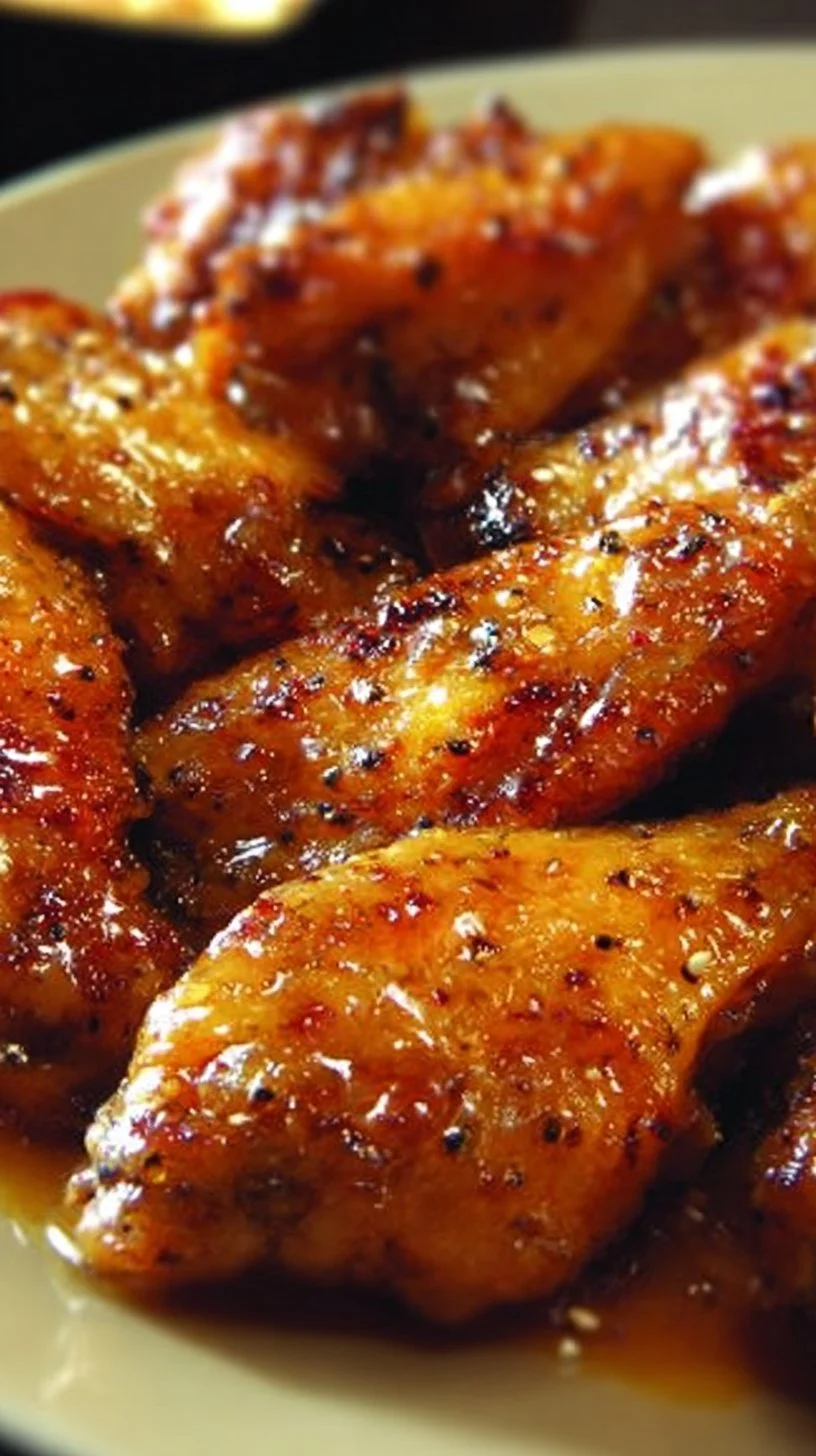
Honey Mustard Chicken Wings reduce a classic pairing — honey and Dijon mustard — to its most essential, functional form. The recipe provided relies on a succinct set of ingredients and an uncomplicated oven method, making it an excellent canvas to examine technique-driven outcomes: crisp skin, a balanced glaze, and reliable doneness. Before proceeding, review an adjacent glaze technique to reinforce how sugar and acid behave under heat: sticky honey-garlic glaze techniques for even coating. That brief reference highlights the same physicochemical principles applied to these wings.
This article approaches the recipe as a professional chef: emphasizing thermodynamics, Maillard development, and workflow rather than narrative. Each section dissects why a step matters, how to manipulate texture and flavor deliberately, and which sensory cues signal readiness. The goal is reproducible refinement: consistent crisp, clear balance of sweet and tang, and an efficient kitchen process that scales.
The culinary logic behind this dish
At its core, Honey Mustard Chicken Wings is a study in balance and timing. Honey supplies fructose and glucose — rapidly caramelizing sugars that brown and build aroma but can burn if exposed to excessive direct heat. Dijon mustard contributes acidity, viscosity, and volatile compounds from mustard seed that cut sweetness and add salinity perception. Soy sauce introduces glutamates and salt to deepen umami and promote protein browning through ionic strength altering surface proteins.
Olive oil lubricates the surface, improving heat transfer and creating a medium for the glaze to adhere; it also aids in crisping by reducing surface moisture tension. Salt and pepper regulate water activity and accentuate volatile aromatics. Optional green onions provide a fresh, allium-derived counterpoint when added at service to refresh the palate and provide color contrast.
The method — a simple toss and oven roast at 400°F — leverages convective heat to dry the skin, encourage Maillard reactions, and simultaneously caramelize the sugars in the honey. Turning the wings midway ensures even browning and mitigates localized sugar scorching. The chef’s task is to control the rate of surface drying versus sugar browning so the result is glossy and sticky without bitter burnt notes.
How to make Honey Mustard Chicken Wings
This section translates the recipe into intentional technique. Start by assessing the wings: pat them dry with paper towels to reduce surface moisture; excess water slows browning and weakens skin crisping. When mixing the sauce, emulsify the honey, Dijon, soy, and oil thoroughly so the honey is distributed evenly; a well-dispersed glaze ensures consistent caramelization. Treat the salt and pepper judiciously — salt draws moisture and aids Maillard reactions, but too much will create a concentrated crust that can taste harsh once sugars intensify.
For a methodical approach to roasting and finishing, examine oven-based techniques that prioritize even heat and airflow similar to other baked preparations: oven strategies for even cooking on baked proteins. This will reinforce how pan placement and rack position influence the exterior texture. Arrange wings in a single layer with minimal overlap so convective currents can circulate; crowding traps steam and yields softer skin. Turning halfway is not merely about color — it allows rendered fat to redistribute and exposed skin to crisp evenly.
When the wings near the end of the listed bake time, monitor for visual and tactile cues: deep golden-brown edges, a lustrous glaze that thickens but still yields when poked, and a slight firming of the meat indicating collagen breakdown. Internal temperature should reach 165°F (74°C) to ensure safety, but for wings the texture improves if cooked slightly longer to render connective tissue and fat without desiccating the meat.
Ingredients :
2 pounds chicken wings, 1/3 cup honey, 1/4 cup Dijon mustard, 2 tablespoons soy sauce, 1 tablespoon olive oil, Salt and pepper to taste, Optional: chopped green onions for garnish
Directions :
- Preheat your oven to 400°F (200°C)., 2. In a large bowl, mix honey, Dijon mustard, soy sauce, olive oil, salt, and pepper., 3. Add the chicken wings to the bowl and toss until they are well coated with the honey mustard mixture., 4. Arrange the wings on a baking sheet lined with parchment paper., 5. Bake in the preheated oven for 25-30 minutes or until the wings are crispy and cooked through, turning them halfway through baking., 6. Optional: Garnish with chopped green onions before serving. Enjoy your Honey Mustard Chicken Wings!
Ingredient analysis through a chef’s lens
Each ingredient performs a distinct chemical or structural role. Honey is the primary browning agent; its simple sugars lower the surface water activity as it heats, promoting a lacquered finish. Dijon mustard contains vinegar and mustard solids, which introduce acidity and enzymes that can slightly tenderize surface proteins while contributing to emulsion stability with honey and oil. Soy sauce adds both salt and umami, amplifying savory perception and synergizing with Maillard products for a richer aroma.
Olive oil serves as a heat conductor on the skin surface and assists in forming an even glazing layer. Salt seasoned into the mixture modifies protein solubility and helps the skin dry more quickly in the oven, facilitating crispness. Pepper provides volatile terpenes that become more pronounced with heat, adding top-note complexity.
For cross-application ideas on using concentrated glazes on roasted items that benefit from similar sugar dynamics, consult a related flatbread and glaze reference to understand crust-glaze interactions: how concentrated glazes behave on roast proteins. Use that perspective to control glaze application timing and avoid undue caramelization.
Kitchen workflow & technique breakdown
Work in three stages: mise en place, controlled coating, and precise roasting. Mise en place: measure honey, mustard, soy, and oil into a bowl and whisk until homogeneous. Portion wings and dry them immediately. Controlled coating means combining wings and glaze just prior to roasting to prevent prolonged sugar exposure which can become sticky and degrade texture during holding.
Line the baking sheet with parchment to prevent sticking and to assist in an even heat reflectance; avoid heavy foils which can trap steam. Use a rimmed baking sheet to catch rendered fat away from the wings to prevent them from braising. Rack placement matters — the middle rack typically provides optimal balance between top browning and even convection. If using a baking rack set on the sheet, airflow under the wings will accelerate crisping.
Turn the wings halfway using tongs to redistribute glaze and ensure identical browning on both sides. Reserve a small amount of glaze if you prefer a fresh lacquer at the finish; applying glaze in the last 3–5 minutes mitigates burning while intensifying shine.
Texture control, heat management & timing
Achieving crisp skin without drying the meat requires controlling both time and temperature. The 400°F target is high enough to rapidly drive off surface moisture and promote Maillard reactions without excessive exposure time; the recommended 25–30 minute window relies on wing size and oven characteristics. Convection ovens expedite surface drying and reduce overall time; in a convection unit reduce time by 10–15% or lower the temperature by 15–20°F.
Monitor for the transition from soft to crisp rather than relying solely on the clock. Visual cues: the glaze turns translucent to caramelized, edges gain deep amber coloration, and the skin becomes taut. Tactile cues: a slight resistance when pressing the skin and a crisp crack when bitten. Internally, collagen in the wing joints breaks down once sustained heat renders connective tissue, yielding tender meat beneath crisp skin. If using a thermometer, target 165°F as the minimum safe temperature, but understand that pockets may continue to render post-oven if rested briefly.
Professional variations
Maintain the recipe’s ingredient list and directions as a baseline but consider professional techniques for refinement without changing components. Double-roasting is one option: roast at a lower temperature initially to render fat, then finish at high heat or under a broiler for concentrated caramelization. Alternatively, broiling for the final 1–2 minutes can provide intense surface caramelization, but requires close attention due to the honey’s propensity to burn.
Air-frying the coated wings yields rapid crisping through intense convection; reduce the temperature by 15–25°F and shorten time to account for the smaller cooking chamber. For a glossier finish, reserve and reapply a portion of the glaze in the final minutes to preserve a fresh lacquer. To increase surface adhesion, briefly dust wings with a fine coat of cornstarch prior to glazing — note this adds an ingredient and modifies texture, so apply only if intentional.
Finishing touches & plating philosophy
Finishing is where perception is solidified. A light scatter of chopped green onions adds a sharp, herbaceous counterpoint that cuts through the glaze’s sweetness and improves visual contrast. Apply any remaining glaze in short bursts, not all at once, to avoid pooling. Plate on a warm surface to maintain temperature; cold plates will draw heat out of the wings and compromise texture.
Compose the plate to emphasize contrast: stack wings to show cross-sections where glaze clings to edges, or fan them to display crisp skin and joint articulation. Use garnishes sparingly — they should contribute aroma or palate balance, not distract. Consider a small bowl of neutral-acid dipping sauce if diners require more acidity, but avoid diluting the intended honey-mustard balance.
Maintaining quality after cooking
Holding strategy determines the guest experience. Short-term holding in a 200–220°F oven on a wire rack preserves crispness by allowing air circulation; avoid covering or using steam tables which will soften the skin. For transport, pack wings single-layer with absorbent paper separating to prevent steaming. If reheating, revive crispness by using a high-heat oven or an air-fryer for a few minutes rather than the microwave, which collapses cell structures and creates sogginess.
If the glaze has thickened excessively during holding, brighten it with a light brush of warm honey dissolved with a teaspoon of water to restore sheen without increasing sugary buildup. For make-ahead service, partially roast and finish at service time — this staged approach balances day-of quality with operational efficiency.
Questions from home cooks (chef answers)
Q: Will the honey burn at 400°F?
A: Honey will caramelize and can burn if exposed to excessive direct heat or left too long. At 400°F and the stated time, sugar browning is expected; turning halfway and avoiding broiler exposure during the full bake reduces burning risk. If your wings are browning too quickly, lower the rack or reduce temperature by 15–25°F.
Q: Should I marinate the wings?
A: A short contact time is preferable for this glaze since prolonged marination with honey increases surface sugar concentration and risk of burning. Toss immediately before roasting for optimal glaze integrity.
Q: How do I ensure both crisp skin and moist meat?
A: Dry the skin thoroughly, roast uncovered on a rack, render fat by ensuring sufficient cook time, and rest briefly after cooking. Avoid overcrowding to prevent steaming.
Q: Can I use other mustards or honeys?
A: Different mustards and honeys alter acid-sugar balance and aromatic profile. Stronger mustards increase pungency; darker honeys caramelize differently. Adjust expectations for flavor but keep proportions constant.
Final chef notes
This recipe’s economy of ingredients belies the technical attention required for a refined result. Success depends on controlling surface moisture, understanding sugar behavior under heat, and staging the cook to prevent burning while achieving thorough rendering. Small interventions — drying the wings, proper rack placement, reserved glaze for finishing — produce a controlled textural outcome: crisp, glossy skin and succulent meat. Execute with measured intent and observe the sensory cues: color, aroma, and tactile feedback.
Conclusion
For a step-by-step home-friendly variant with a strong sauce emphasis, consult this tested recipe that aligns with the glazing principles discussed: Easy Honey Mustard Chicken Wings Recipe with awesome sauce. If you seek an oven-baked approach focused on crispness and resource-conscious technique, review this concise tutorial: Honey Mustard Chicken Wings – Oven-Baked & Crispy – Budget Bytes. For plating and small-batch inspiration that complements the service and presentation notes above, consider this curated example: Honey Mustard Chicken Wings – Shutterbean.
Honey Mustard Chicken Wings
Ingredients
Method
- Preheat your oven to 400°F (200°C).
- In a large bowl, mix honey, Dijon mustard, soy sauce, olive oil, salt, and pepper until well combined.
- Add the chicken wings to the bowl and toss until they are well coated with the honey mustard mixture.
- Arrange the wings on a baking sheet lined with parchment paper, ensuring minimal overlap.
- Bake in the preheated oven for 25-30 minutes or until the wings are crispy and cooked through, turning them halfway through baking.
- Optional: Garnish with chopped green onions before serving.