One Pot Creamy Garlic Pasta
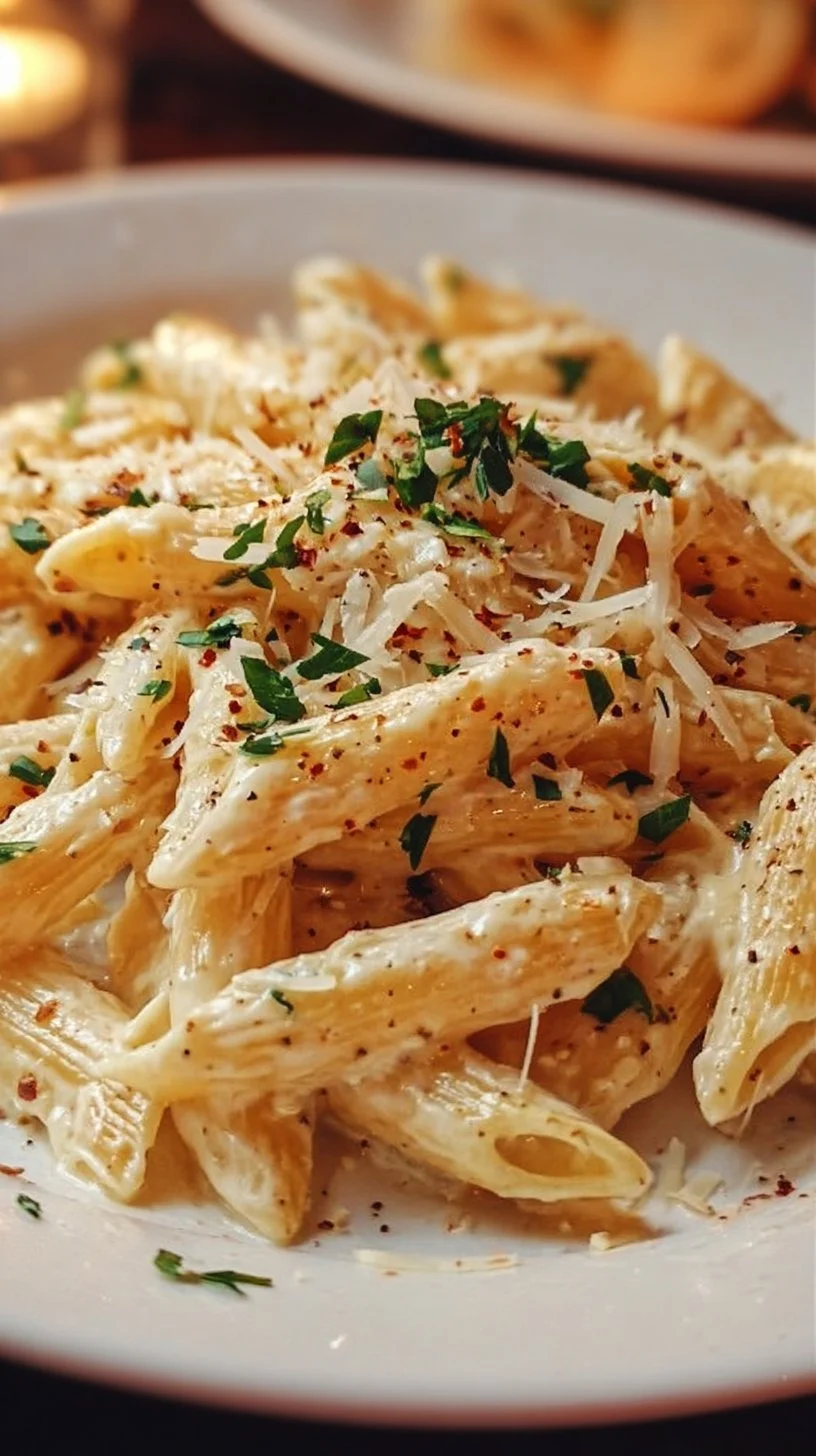
One Pot Creamy Garlic Pasta is a study in economy and technique: it compresses emulsification, starch management, and gentle heat control into a single vessel, producing a sauce that clings to pasta rather than merely coating it. The recipe’s economy of ingredients—pasta, garlic, milk, Parmesan, butter, salt, pepper, and parsley—requires purposeful handling so each component contributes maximum flavor and texture. When executed with attention to timing and heat, the dish yields a sauce that is silky rather than gluey, aromatic rather than one-dimensional.
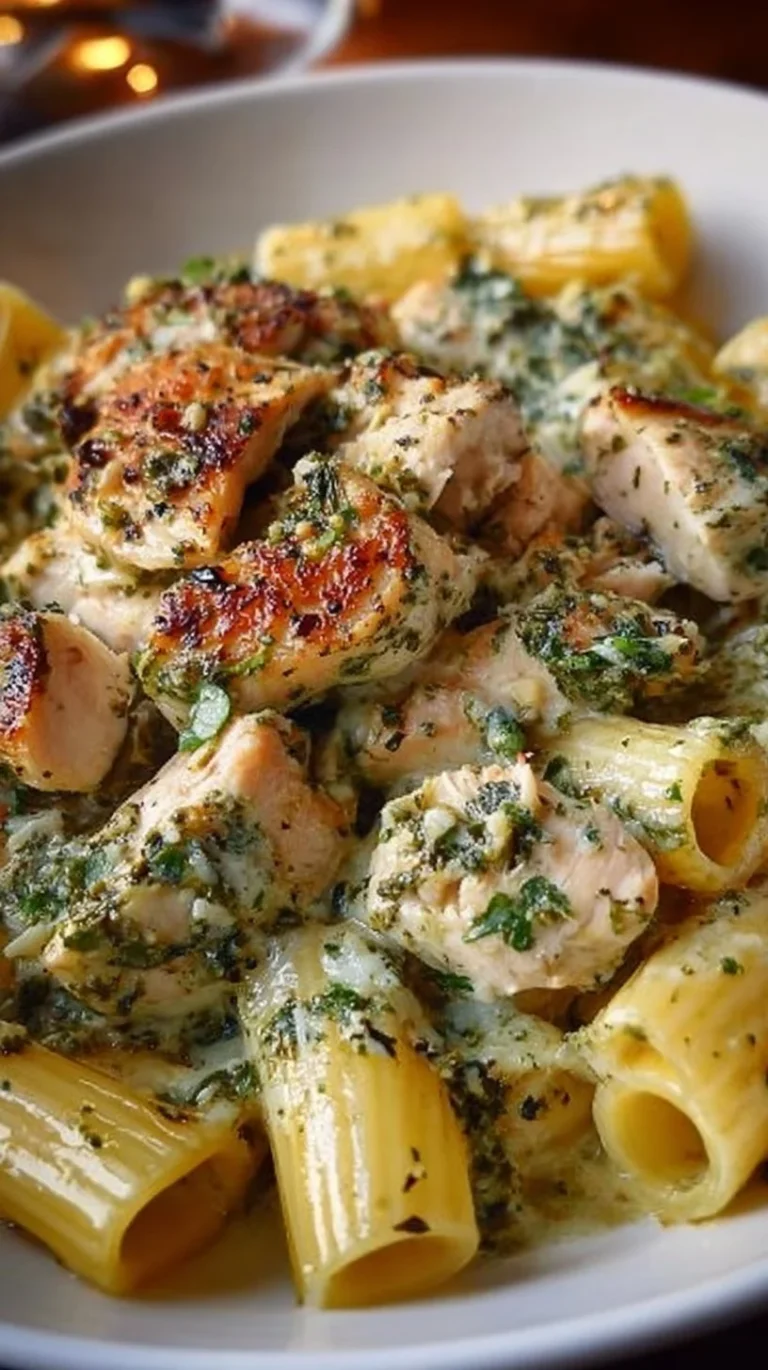
For cooks who want to explore comparable one-pot approaches applied to protein and pasta, consult this complementary preparation for structure and timing: dreamy garlic butter chicken and bowtie pasta. That recipe reinforces the same principles of deglazing, staged protein addition, and managing starch release to create a coherent finished plate. The remainder of this article dissects the technique, ingredient behavior, timing, and finishing required to elevate this simple recipe into a professional-level preparation.
The culinary logic behind this dish
At its core, One Pot Creamy Garlic Pasta relies on extracting starch from the pasta directly into the cooking liquid to form an emulsion with fat and cheese. The dish substitutes heavy cream or a roux with milk and cheese, which makes proper starch management and temperature control essential. Milk provides a thinner matrix than cream; it also contains lactose and proteins that can scorch if overheated. Parmesan is a dry, aged cheese high in umami and calcium; it melts into the starchy liquid and acts as both seasoning and thickener when dispersed correctly.
Garlic is the primary aromatic—its volatile oils bloom quickly under gentle heat and can become bitter if browned. Butter supplies fat for mouthfeel and gloss, and the finishing parsley adds a fresh, herbaceous counterpoint. Salt and pepper finalize the balance. The one-pot approach forces the cook to choreograph the sequence: bloom aromatics, incorporate liquid, introduce starch (pasta), and finish with cheese while controlling heat so the emulsion sets rather than breaks.
How to make One Pot Creamy Garlic Pasta
The procedural logic is straightforward but precise control is required at each stage to manage temperature and texture. Work on a medium flame that allows gentle simmering; avoid rolling boil once milk and cheese are present. Use the directions below as the foundation, then apply the technique notes in later sections to optimize outcome.
Ingredients :
pasta, garlic, milk, Parmesan cheese, butter, salt, pepper, parsley (for garnish)
Directions :
- In a large pot, melt butter over medium heat.
- Add minced garlic and sauté until fragrant.
- Pour in milk and bring to a simmer.
- Add pasta and cook according to package instructions until al dente.
- Stir in Parmesan cheese until melted and creamy.
- Season with salt and pepper to taste.
- Serve hot, garnished with parsley.
Ingredient analysis through a chef’s lens
Pasta: Choose a shape with surface area and nooks—fettuccine, linguine, or short ridged shapes—so the sauce adheres. The starchy surface is the binding agent; freshly opened boxes vary in age and protein content, which alters starch release. Higher-protein durum semolina holds shape better and releases starch more slowly.
Garlic: The aromatics must be finely minced to ensure even flavor distribution and quick blooming. Heat extracts sulfides that produce garlic’s aromatic profile; but once these compounds brown they introduce bitter phenolics. Therefore, garlic should be fragrantly translucent, not browned.
Milk: Acts as the aqueous phase for starch extraction. Whole milk gives better body due to its fat content; skim will thin the result and require more intense emulsification or additional cheese. Milk proteins can denature and separate at high heat, so maintain a gentle simmer.
Parmesan cheese: Choose a real Parmigiano-Reggiano or high-quality granular Parmesan for predictable melting and savory depth. Grate it finely to permit even dissolution. Because aged cheeses can seize into granular clumps when overheated or added to very hot liquid, remove the pot from direct heat during incorporation for a smoother emulsion.
Butter: Adds richness and silk. Salted vs. unsalted will affect seasoning; use unsalted when precise control is needed. Add butter early to carry aromatics and again, if desired, at finish for extra gloss.
Salt and pepper: Salt should be layered—first to the cooking liquid so pasta season evenly as it hydrates, then adjusted after cheese addition. Freshly cracked black pepper contributes volatile aromatics that complement garlic.
Parsley: A finishing herb that provides color contrast and a bright, slightly bitter lift to balance the richness.
Kitchen workflow & technique breakdown
Mise en place is non-negotiable for a one-pot technique: mince garlic, grate Parmesan finely, measure milk, and have pasta accessible. Heat control is the chief variable—establish a baseline with medium heat. Begin by melting butter to serve as the flavor medium for garlic; the butter should shimmer but not brown. Once garlic is fragrant, deglaze immediately with milk to arrest further cooking of the garlic and to begin creating the starch matrix.
When the pasta enters, it should be fully submerged and the liquid maintained at a gentle simmer. Stirring is important early and periodically to prevent sticking and to encourage even starch release; however, excessive agitation can accelerate starch damage leading to gummy texture. Follow package timing as a guideline for al dente, but begin testing a minute or two early, since one-pot methods often reduce cook time due to continuous contact with the heat source.
For cross-referencing techniques used in other high-heat starch applications—such as incorporating melted cheese into a starchy matrix—review this comparative preparation that demonstrates controlled finishing and browning management: garlic butter steak cheddar potato bake. That recipe reinforces tempering techniques and the benefit of staged heat reduction when adding dairy components.
Finally, finish the sauce off-heat or on the lowest burner setting when adding Parmesan to prevent graininess. Allow residual heat to dissolve the cheese while stirring to create a cohesive, glossy emulsion.
Texture control, heat management & timing
Texture in this dish is governed by three variables: starch gelatinization, protein behavior in milk and cheese, and fat dispersion. Gelatinization occurs as pasta starches swell and release into the liquid between 140–180°F (60–82°C). Maintain the liquid below a vigorous boil to avoid mechanical breakdown of swollen starch granules—this yields a cohesive, creamy mouthfeel rather than a pasty one.
When adding Parmesan, avoid direct high heat. The calcium and protein structure in aged cheese can cause aggregation if introduced to boiling liquid; remove the pot from heat or reduce to the lowest flame. Stirring gently while the cheese amalgamates encourages the fat to disperse evenly rather than pool. If the sauce appears too thin, allow a brief standing time; the starch will continue to absorb liquid and thicken. If it becomes too thick, thin with a splash of warm milk rather than cold water to preserve emulsion integrity.
Timing is also crucial for al dente texture. One-pot methods sometimes extend the pasta’s exposure to water, so check doneness early. Aim for a slight bite; residual cooking in the hot sauce will bring it to perfect al dente during resting and plating.
Professional variations
Keep the core directions intact, but consider professional-level adaptations that maintain the ingredient list while altering technique emphasis:
- Infusion: Gently sweat the garlic in butter with a halved clove of garlic or a small bay leaf removed before adding milk to create layered aromatics without adding ingredients.
- Temperature staging: Bloom garlic at medium-low temperature and raise to medium when adding milk to create a controlled starch extraction curve.
- Emulsion enhancement: Finish with a small mount of cold butter whisked in off-heat to increase gloss and mouthfeel without altering ingredient list.
- Consistency adjustment: If more cling is desired, reduce the milk slightly before adding pasta so the resulting starch concentration is higher.
Each variation uses the same base components but alters temperature and sequencing to change mouthfeel and gloss.
Finishing touches & plating philosophy
Plating should present the pasta with clarity of texture and seasoning visible. Use a wide shallow bowl to allow steam to dissipate evenly and to display the sauce’s sheen. Twirl portions with tongs or a carving fork to build a compact nest; this compresses the sauce within the pasta for an immediate cream-forward bite.
Garnish sparingly with chopped parsley to introduce a visual and flavor counterpoint—avoid burying it in sauce. Add a final grind of black pepper at the moment of service to release volatile aromatics. If desired, a small shaving of Parmesan at plating reinforces the cheese aroma and signals quality without altering the prescribed ingredient list.
Maintaining quality after cooking
This preparation is best eaten immediately; cooling encourages separation and starch tightening. For short holding (up to 20 minutes), keep the pot on the lowest heat and cover loosely to prevent skin formation on the surface. If reheating, do so gently over low heat with a splash of warm milk and gentle stirring to reconstitute the emulsion.
For storage, cool rapidly to room temperature and refrigerate. Reheat slowly over low heat, whisking in warm milk in small increments to rebuild the sauce. Avoid microwave reheating at full power, which fragments emulsions and creates grainy textures.
Questions from home cooks (chef answers)
Q: The sauce turned grainy after adding Parmesan—what happened?
A: Graininess indicates the cheese seized. This occurs when high heat causes proteins to tighten and fat to separate. To prevent this, reduce the heat or remove the pot from the burner before adding cheese. Grate the Parmesan finely and incorporate it gradually while stirring; residual heat will dissolve it without pushing the proteins to coagulate.
Q: My pasta sticks together in the pot—how do I avoid that without over-stirring?
A: Stickiness early in cooking is managed by ensuring the pasta has room and the liquid covers the pasta fully. Stir at the moment of submersion and again after 2–3 minutes to prevent initial clumping, then stir intermittently. Over-stirring can rupture starch granules and yield a gluey outcome; establish a routine of gentle, intermittent folding rather than constant agitation.
Q: The final texture was thin—how can I thicken it without adding new ingredients?
A: Let the pasta stand for a few minutes off heat; the starch will continue to hydrate and thicken the sauce. Alternatively, reduce the initial milk volume slightly so the starch concentration is higher once the pasta finishes cooking. Re-thickening can also be achieved by cooking the sauce briefly over low heat to concentrate it, watching carefully to prevent scorching.
Q: Can I use pre-grated Parmesan?
A: Pre-grated cheese often contains anti-caking agents that inhibit smooth melting, increasing the chance of a grainy finish. Finely grate a block of Parmesan for predictable melting and superior texture.
Final chef notes
Precision with heat and timing converts a simple ingredient set into an elegant dish. Every step—from the gentle blooming of garlic to the off-heat incorporation of Parmesan—serves to protect volatile aromatics and foster a stable emulsion. Treat the pasta as both ingredient and thickening agent; manage its starch release deliberately. With those controls in place, One Pot Creamy Garlic Pasta rewards with concentrated flavor, balanced texture, and efficient technique.
Conclusion
For additional recipe inspiration and alternative one-pot techniques, consult this close variation featuring a straightforward implementation: One-Pot Creamy Garlic Pasta – Kenna’s Cooks. If you are exploring plant-based adaptations of a similar method, review this vegan approach that emphasizes milk substitutes and textural adjustments: One Pot Creamy Garlic Pasta | Vegan Fettucine Alfredo. For a comparable garlic and Parmesan-focused one-pot execution, see this practical guide with stepwise technique recommendations: Garlic Parmesan Pasta (One Pot!) – The Cozy Cook. To study how additional components like mushrooms are integrated into a one-pot creamy garlic framework, examine this professional-style variant: One Pot Creamy Garlic Pasta with Mushrooms – Bravo Jenny.
One Pot Creamy Garlic Pasta
Ingredients
Method
- In a large pot, melt butter over medium heat.
- Add minced garlic and sauté until fragrant.
- Pour in milk and bring to a simmer.
- Add pasta and cook according to package instructions until al dente.
- Stir in Parmesan cheese until melted and creamy.
- Season with salt and pepper to taste.
- Serve hot, garnished with parsley.