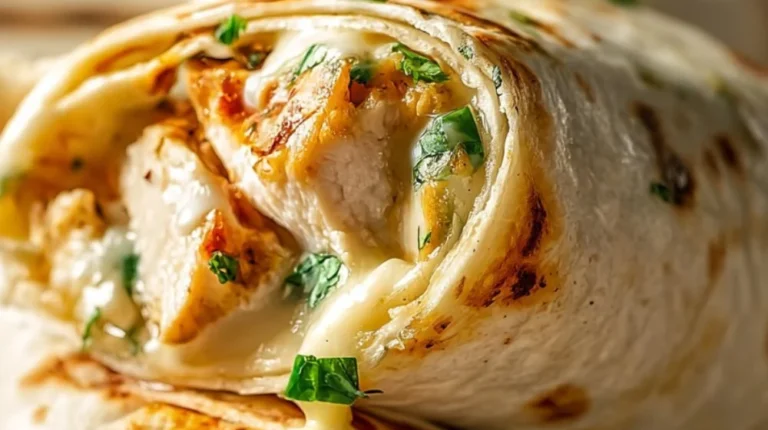
Sheet Pan Chicken Pitas with Herby Ranch Recipe
Introduction
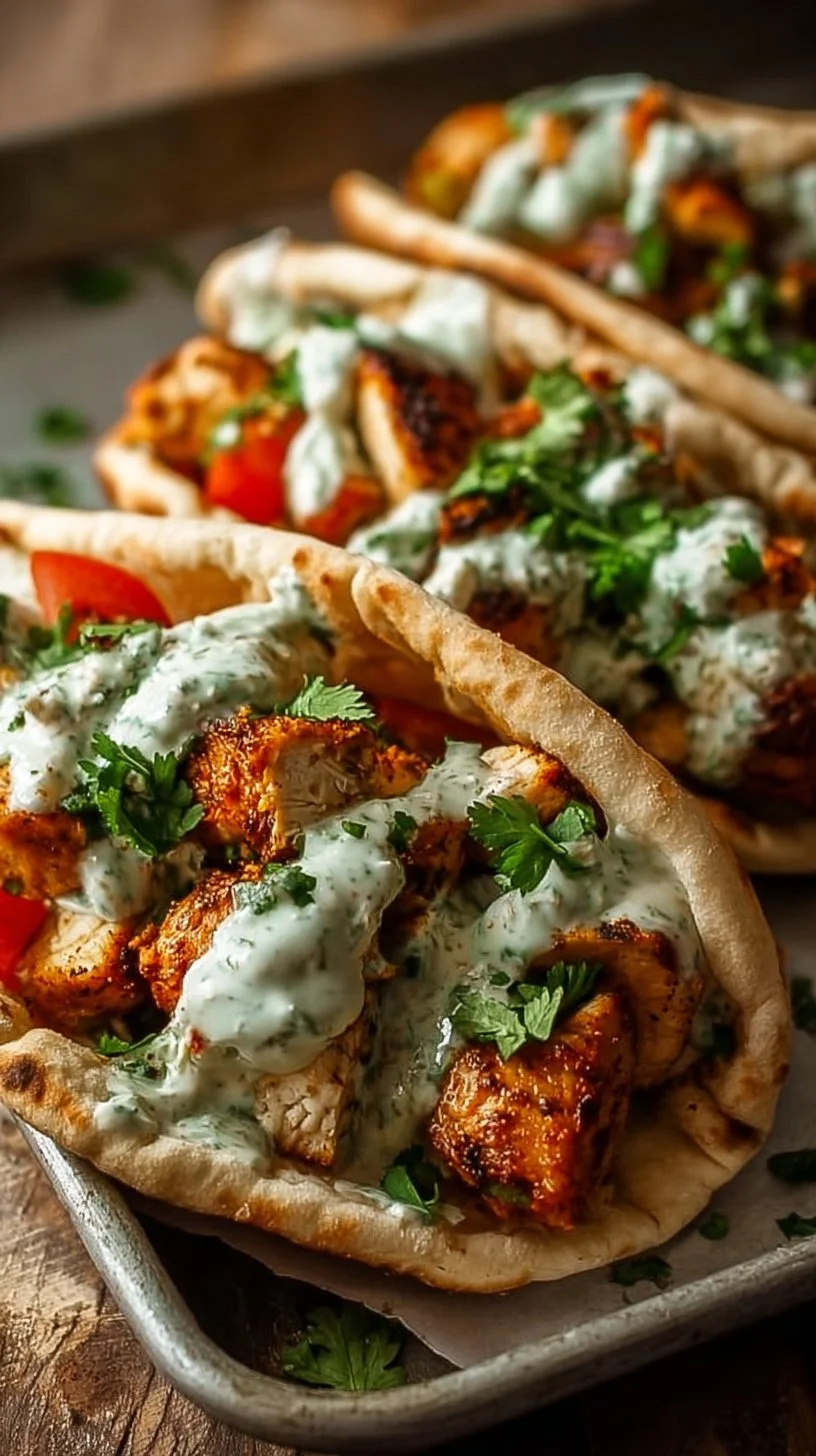
Sheet Pan Chicken Pitas with Herby Ranch Recipe is a deliberately simple composition designed to balance rapid sheet-pan roasting with a herbaceous cold sauce and clean assembly. The dish relies on three elements executed with intent: concentrated roast aromas from high-heat pan contact, a creamy herb-based counterpoint that cools and brightens, and the structural restraint of pita to contain hot and cold textures. This combination makes the preparation efficient for weeknight service while preserving technique-driven results—browned, caramelized chicken and peppers; a bright, acid-cutting ranch; and crisp, cool greens. For cooks who prioritize workflow and reproducible outcomes, this recipe aligns with the same principles that inform other composed chicken dishes; a useful reference is the practical approach to midweek proteins found in easy dinner recipe workflow, which emphasizes timing and mise en place applicable here.
The culinary logic behind this dish
At its core the recipe exploits Maillard reaction and controlled moisture to develop flavor on the sheet pan. Small, uniform strips of chicken present more surface area for browning relative to whole breasts, accelerating Maillard development at 425°F (220°C). The bell peppers and onion provide sugars that char lightly and add savory-sweet contrast; their cell walls break down under high heat, yielding tender flesh and intensified aroma. The herby ranch functions as both seasoning and temperature contrast: the emulsion of mayonnaise and sour cream or Greek yogurt carries fat-soluble aromatics while acid (lemon juice or vinegar) sharpens overall perception. Pita serves as a neutral starch that moderates textural extremes—soft enough to fold, sturdy enough to receive juicy filling. Each component is selected to contribute a specific sensory role rather than merely fill space.
How to make Sheet Pan Chicken Pitas with Herby Ranch Recipe
Directions (as written):
- Preheat oven to 425°F (220°C).
- On a large sheet pan, toss chicken, peppers, and onion with olive oil and seasonings.
- Spread everything out in a single layer.
- Roast for 20–25 minutes, flipping halfway, until chicken is cooked through and veggies are tender.
- While the chicken is roasting, whisk together all the herby ranch ingredients in a bowl.
- Taste and adjust seasoning. Add milk to reach desired consistency.
- Chill in fridge until ready to use.
- Warm the pitas (optional: wrap in foil and heat in oven for 5 minutes).
- Slice each pita in half to make pockets, or leave whole and fold.
- Stuff with lettuce, chicken + veggies, tomato, and optional toppings.
- Drizzle generously with herby ranch.
Technique commentary and micro-timing:
- Step 1: Preheating to 425°F gives the necessary high, dry heat to both brown and dehydrate the surface of the chicken quickly before the interior overcooks. A fully preheated oven produces predictable Maillard development across the pan.
- Step 2: Tossing with oil and seasonings is about uniform coating; oil is the vehicle for heat transfer and helps seasoning adhere. Ensure strips are equal size so the cook time in step 4 applies consistently.
- Step 3: Single layer is critical to avoid steaming. Overcrowding traps moisture and prevents browning—spread items so hot air circulates freely.
- Step 4: Roast 20–25 minutes, flipping halfway, is calibrated for bite-sized chicken strips. Flipping once ensures even color on both sides without excessive handling that would shred the protein. Use a probe or slice one piece to verify “cooked through” (no translucent center).
- Steps 5–7: Preparing the herby ranch while the pan works is efficient. Whisking encourages emulsification and proper dispersion of herbs. Cold sauce set in the fridge maintains temperature contrast when plated and stabilizes texture.
- Steps 8–11: Warming pitas briefly in the oven improves pliability and removes potential interior dampness; stuffing sequence (greens first, then hot protein and juices, then sauce) preserves lettuce texture and prevents soggy pockets. Drizzling the sauce rather than drowning allows each bite to balance.
Ingredients :
For the Chicken + Veggies:
- 1.5 lbs boneless, skinless chicken breasts or thighs, cut into bite-sized strips
- 1 red bell pepper, sliced
- 1 yellow bell pepper, sliced
- 1 red onion, sliced
- 2 tbsp olive oil
- 2 tsp garlic powder
- 2 tsp paprika
- 1 tsp dried oregano
- ½ tsp cumin
- ½ tsp chili flakes (optional)
- Salt and pepper, to taste
For the Herby Ranch:
- ½ cup mayonnaise
- ½ cup sour cream or Greek yogurt
- 2 tbsp milk (to thin)
- 2 tbsp fresh parsley, finely chopped
- 1 tbsp fresh dill, chopped (or 1 tsp dried)
- 1 tbsp fresh chives, chopped (or green onion)
- 1 tsp garlic powder
- 1 tsp onion powder
- 1 tbsp lemon juice or vinegar
- Salt and pepper, to taste
For Assembly:
- 4 pitas (pocket or flatbread style)
- 1 cup shredded lettuce or greens
- 1 tomato, sliced
- Optional toppings: feta cheese, pickled onions, cucumber, hot sauce
(Ingredients reproduced exactly to preserve formulation and balance.)
Ingredient analysis through a chef’s lens
Protein choice: the recipe allows breasts or thighs; breasts provide lean, neutral flavor while thighs offer richer fat and forgiveness under high heat. Cut into bite-sized strips to standardize cuisson and surface area for browning. Spice blend: garlic powder and paprika build aromatic and color depth without introducing moisture; dried oregano and cumin add Mediterranean and smoky notes. Chili flakes are optional but introduce a heat accent that complements the creamy ranch.
Veg selection: red and yellow peppers contribute sweetness and tensile contrast; red onion caramelizes and lends floral sulfury complexity when roasted. Olive oil is the conducting fat—two tablespoons is sufficient to coat without excessive pooling, which would steam rather than roast.
Dressing components: the mayonnaise/sour cream (or yogurt) base is an emulsion that coats the palate and carries herbs. Lemon juice or vinegar is not merely for flavor—it brightens and tightens the sauce’s mouthfeel by balancing fat. Fresh herbs—parsley, dill, chives—provide volatile aromatics that are best used fresh for clarity; dried dill is an acceptable fallback but will lose that immediacy.
Structuring elements: pita, lettuce, tomato and optional briny or acidic toppings (feta, pickled onions, cucumber) are chosen to create contrast—temperature, texture and taste—so each element has a defined sensory role.
Kitchen workflow & technique breakdown
Efficiency begins with mise en place: trim and cut chicken, slice peppers and onions to uniform thickness, and measure spices into one bowl for an even toss. Use a rimmed sheet pan large enough to allow a single layer; a crowded pan is the primary cause of failed browning. Preheat the oven with the sheet pan inside if time allows—placing food on a hot pan will increase initial sear and color development.
When seasoning, toss protein and vegetables together; the vegetables contribute sugars that encourage caramelization, so distribute oil and spices evenly. For flipping, use a thin spatula to minimize tearing. While the sheet pan is in the oven, prepare the herby ranch in one vessel—whisking is faster and produces a glossy sauce. Chill the sauce so it maintains temperature contrast when plated, then finish pitas in the final five minutes to achieve pliability without over-drying.
For technique references on handling proteins and crust formation in composed dishes, consider the controlled approach used in Parmesan-crusted preparations for timing and crust management: Parmesan-crusted chicken technique.
Texture control, heat management & timing
Texture is governed by two opposing objectives: achieve Maillard browning while preserving internal juiciness. The oven temperature and strip size are calibrated for that precise balance. If strips are too thick, reduce oven temperature and extend time, or finish with an internal temperature check. If moisture accumulates on the pan, raise heat or use a second pan to spread ingredients more thinly.
Flip once at roughly the midpoint of roasting to develop even color while limiting moisture loss from repeated handling. Vegetables should be tender with slight blistering; you want collapsed cell structure but retained form. A five-minute oven warm of pita removes condensation and restores pliability; overheating will dry and crack the bread, while underheating leaves it stiff and less accommodating to folds.
Timing coordination: start the herby ranch immediately after the pan is in the oven to maximize parallel tasks. Have pitas and toppings ready so assembly is a rapid, clean operation—this preserves the lettuce crunch and prevents the pita from cooling before serving.
Professional variations
Variation 1 — marinated chicken: if time allows, marinate the strips briefly (30–60 minutes) in a vinaigrette with a small amount of yogurt to add tenderness and tang. This changes the flavor profile and requires modest reductions in on-pan salt. For more composed stuffed chicken techniques and layered constructions, see approaches used in classic filled preparations like the baked cordon bleu model: Baked chicken cordon bleu method.
Variation 2 — alternate acids: swap lemon juice in the ranch for sherry vinegar to introduce a deeper aromatic tang; reduce quantity slightly as sherry vinegar is more assertive.
Variation 3 — smoky finish: finish peppers and chicken under a broiler for one to two minutes to add immediate char and smoke if desired; watch closely to prevent burning.
Variation 4 — sauced protein: toss finished chicken in a warmed harissa oil or a diluted tzatziki to create a different coating character; for richer butter-forward accents consult finishing techniques in sautéed chicken pastas for emulsification cues: garlic butter chicken finishing.
Finishing touches & plating philosophy
Composition should be intentional: greens first to act as a moisture barrier, protein and vegetables next to deliver heat and flavor, then tomato and any brine or cheese to contribute acidity or salinity, and finally a generous drizzle of the herby ranch for aromatic lift. Finish with an herb scatter—chives or parsley—for visual clarity and an immediate burst of fresh aroma. Plate with restraint; pitas should be easy to hold and eat. If serving family-style, present the sheet pan for guests to self-assemble, keeping the sauce chilled and pitas warm to preserve textural contrasts.
Maintaining quality after cooking
To preserve texture for later service, separate hot protein from lettuce and bread. Keep roasted chicken and vegetables in a covered shallow container to prevent drying; reheat briefly in a 400°F oven for three to five minutes to refresh surface color without overcooking. Refrigerate the herby ranch promptly; bring out only the portion needed. For make-ahead plans, roast vegetables and chicken fully, cool rapidly, and store airtight; reheat in a hot pan or oven just before assembly. Avoid microwaving the pita—it will become gummy; a short oven reheat in foil is preferred.
Questions from home cooks (chef answers)
Q: Can I use frozen chicken?
A: Thaw completely and pat dry before cutting; excess surface moisture will inhibit browning. If starting from frozen is unavoidable, consider slicing partially thawed protein and increasing time while monitoring color.
Q: How do I prevent soggy pitas?
A: Warm the pitas and layer lettuce between the bread and hot filling. This acts as a moisture buffer. Serve immediately after assembly for best structural integrity.
Q: My veggies don’t brown evenly—why?
A: Likely causes are overcrowding, inconsistent cut sizes, or insufficient oven temperature. Slice to uniform thickness and distribute in a single layer so hot air circulates.
Q: Can I substitute dairy in the herby ranch?
A: Use full-fat yogurt for similar texture; reduce lemon by a small amount if the yogurt is tangier than sour cream. Emulsifying the mayo with a whisk before adding herbs gives a smoother result.
Final chef notes
This recipe exemplifies functional composition: each part has a technical reason for its presence and timing. Consistency comes from uniform cutting, controlled heat, and parallel preparation of the cold sauce. The sheet pan approach is scalable and forgiving when technique is respected—single layer roasting, a stable emulsion for the dressing, and mindful assembly keep the dish balanced across texture, temperature and flavor. For those adopting a professional mindset, focus on rhythm—mise en place, oven management, and staged assembly—and results will be repeatable and refined.
Conclusion
For a reference implementation and the original assembly inspiration, consult the original recipe writeup at Sheet Pan Chicken Pitas with Herby Ranch Slaw, and for a saved variant and community notes see the archived version at Sheet Pan Chicken Pitas With Herby Ranch Slaw – Cooked.wiki. For more sandwich and wrap compositions that align with this methodical approach, explore the broader category at Sandwiches/Wraps Archives – Wandering Chickpea.
Sheet Pan Chicken Pitas with Herby Ranch
Ingredients
Method
- Preheat the oven to 425°F (220°C).
- On a large sheet pan, toss chicken, peppers, and onion with olive oil and seasonings.
- Spread everything out in a single layer.
- Roast for 20–25 minutes, flipping halfway, until chicken is cooked through and veggies are tender.
- While the chicken is roasting, whisk together all the herby ranch ingredients in a bowl.
- Taste and adjust seasoning. Add milk to reach desired consistency.
- Chill in the fridge until ready to use.
- Warm the pitas (optional: wrap in foil and heat in the oven for 5 minutes).
- Slice each pita in half to make pockets, or leave whole and fold.
- Stuff with lettuce, chicken + veggies, tomato, and optional toppings.
- Drizzle generously with herby ranch.