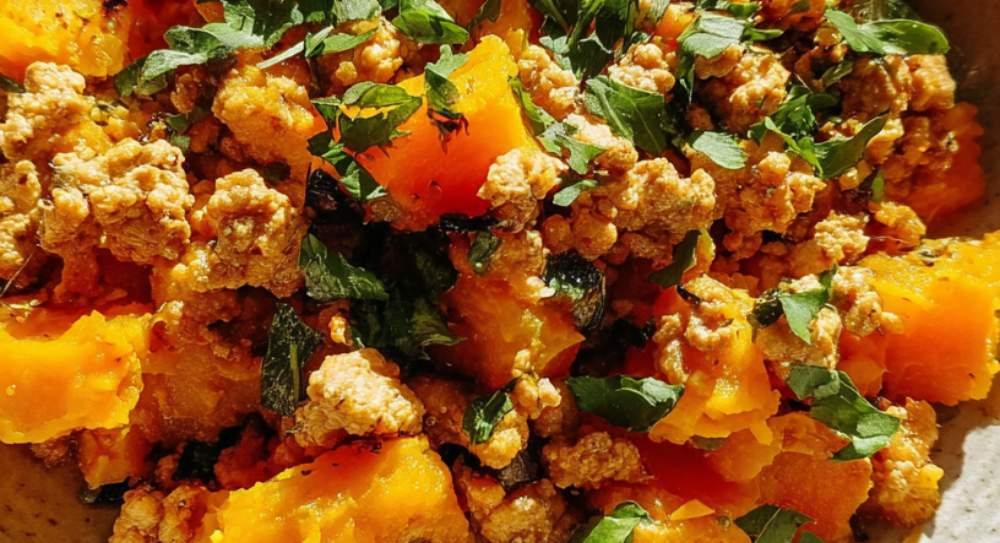
Easy Roasted Butternut Squash with Ground Turkey
Introduction
As a nutrition specialist, I often remind people that healthy eating doesn’t need to be complicated, expensive, or time-consuming. Some of the most nourishing meals are built from simple, whole ingredients prepared with care and balance in mind. This Easy roasted butternut squash with ground turkey recipe is a perfect example of that philosophy in action.
At first glance, it’s a straightforward combination: sweet, caramelized squash paired with savory, protein-rich ground turkey. But nutritionally, this dish delivers far more than comfort and flavor. It supports blood sugar balance, digestive health, muscle maintenance, and sustained energy—all while being approachable enough for a busy weeknight.
In this article, I’ll walk you through why this recipe works so well from a wellness perspective. We’ll explore the nutrient roles of each ingredient, how the cooking method influences digestion and nutrient retention, and how to thoughtfully modify or pair the dish for different health goals—without changing the core recipe you already enjoy.
Whether you’re cooking for yourself, a family, or someone with specific dietary needs, this meal demonstrates how balanced cooking can be both practical and deeply nourishing.
How This Recipe Supports Overall Wellness
This dish aligns beautifully with what I consider a “foundational meal”: one that combines complex carbohydrates, lean protein, and healthy fats in a way that supports the body’s natural rhythms.
The butternut squash provides slow-digesting carbohydrates and fiber, helping stabilize blood sugar and support gut health. Ground turkey contributes high-quality protein necessary for muscle repair, immune function, and satiety. Olive oil adds heart-healthy monounsaturated fats that improve nutrient absorption and enhance flavor without overwhelming digestion.
Together, these components create a meal that:
- Promotes steady energy rather than spikes and crashes
- Supports digestive comfort when eaten in appropriate portions
- Helps you feel satisfied without heaviness
- Fits naturally into anti-inflammatory, gluten-free, and balanced eating patterns
From a clinical nutrition perspective, this is the type of meal I often recommend to clients who want simplicity without sacrificing health benefits.
Nutrient Roles of Each Main Ingredient
Understanding why each ingredient matters helps reinforce confidence in everyday cooking choices.
Butternut Squash
Butternut squash is a nutritional standout, especially when roasted. It’s rich in beta-carotene, which the body converts into vitamin A—essential for immune function, vision, and skin health. It also provides vitamin C, potassium, and magnesium, supporting cardiovascular health and fluid balance.
The natural fiber in butternut squash aids digestion by feeding beneficial gut bacteria and helping regulate bowel movements. When roasted, its natural sweetness intensifies without added sugar, making it a satisfying carbohydrate source.
Ground Turkey
Ground turkey is an excellent lean protein option, especially for those looking to reduce saturated fat intake without sacrificing flavor. Protein plays a key role in:
- Preserving lean muscle mass
- Supporting metabolic health
- Promoting fullness and appetite control
Turkey also provides B vitamins, particularly B6 and niacin, which assist in energy metabolism and nervous system function. When seasoned simply, it’s gentle on digestion and versatile in many meal patterns.
Olive Oil
Olive oil is more than just a cooking fat—it’s a nutritional asset. Rich in monounsaturated fats and polyphenols, olive oil supports heart health and reduces inflammation. It also enhances the absorption of fat-soluble vitamins (like vitamin A from squash), making the meal more nutritionally effective.
Garlic Powder and Onion Powder
These seasonings contribute more than flavor. Garlic and onion compounds have been studied for their potential immune-supportive and anti-inflammatory properties. Using powdered forms keeps the recipe digestion-friendly while still delivering depth.
Salt, Pepper, and Fresh Herbs
Seasoning isn’t just about taste—it’s about balance. Proper seasoning improves satisfaction, which can prevent overeating later. Fresh herbs add antioxidants and aromatic compounds that stimulate digestion.
The Preparation Method & Its Health Impact
Roasting is one of my favorite cooking methods for vegetables, and for good reason.
Roasting the Squash
Roasting butternut squash at 400°F allows natural sugars to caramelize, enhancing flavor without the need for sweeteners. This dry-heat method preserves fiber and many micronutrients while improving texture and digestibility.
Evenly cubing the squash ensures uniform cooking, reducing the likelihood of undercooked (harder to digest) or overcooked (nutrient-depleted) pieces.
Cooking the Ground Turkey Separately
Cooking the turkey in a skillet allows for controlled browning without excess fat. This method preserves protein integrity while developing savory flavor through the Maillard reaction—again, without needing heavy sauces or additives.
Combining the turkey with the squash at the end prevents overcooking either component, maintaining both texture and nutritional quality.
Ways to Lighten, Enrich or Modify the Dish Nutritionally
While the base recipe is already well-balanced, there are thoughtful ways to adapt it to different nutritional needs—without altering the core ingredients or steps.
To Lighten the Meal
- Keep portions balanced: half squash, half turkey on the plate
- Pair with a leafy green salad instead of grains
- Use herbs generously to enhance flavor without added calories
To Increase Satiety or Energy Needs
- Add a serving of whole grains on the side, such as brown rice or quinoa
- Drizzle with a bit of extra olive oil after cooking for additional healthy fats
- Serve alongside legumes for extra fiber
For Digestive Sensitivity
- Eat smaller portions and chew thoroughly
- Serve warm, as warm foods are often easier to digest
- Avoid adding heavy sauces or dairy-based toppings
These modifications allow the dish to flex with your lifestyle while maintaining its nutritional integrity.
Pairing Ideas for a Balanced, Complete Meal
To create a truly complete meal, think in terms of complementary textures and nutrients.
Balanced pairing ideas include:
- A simple arugula or mixed greens salad with lemon vinaigrette
- Steamed green vegetables like broccoli or green beans
- A small portion of whole grains for endurance or active days
- Warm crusty bread if higher caloric intake is needed
The goal isn’t to complicate the plate, but to round it out in a way that supports energy, digestion, and satisfaction.
Safe Storage, Food Safety & Optimal Reheating
Proper storage preserves both safety and nutritional quality.
Store leftovers in an airtight container in the refrigerator for up to 3–4 days. Allow the dish to cool before refrigerating to reduce condensation and bacterial growth.
For reheating:
- Microwave gently, stirring halfway for even heating
- Reheat on the stovetop over low heat with a splash of water or broth
- Avoid overheating, which can dry out the turkey and reduce palatability
Consistent food safety practices protect gut health just as much as ingredient choice.
Common Nutrition Questions About This Dish
Is this dish suitable for weight management?
Yes. The combination of fiber, protein, and healthy fats promotes fullness and steady energy.
Is roasted butternut squash high in sugar?
While it contains natural sugars, its fiber content slows absorption, making it appropriate for balanced diets when eaten in reasonable portions.
Can this fit into a gluten-free or anti-inflammatory plan?
Absolutely. All ingredients are naturally gluten-free and supportive of anti-inflammatory eating patterns.
Is it appropriate for meal prep?
Yes. Its flavors hold up well over several days, making it ideal for planned meals.
Final Wellness Notes
This Easy Roasted Butternut Squash with Ground Turkey recipe exemplifies what I encourage most in nutrition-focused cooking: simplicity, balance, and respect for whole ingredients. It’s approachable enough for beginners, adaptable for experienced cooks, and nourishing enough to support long-term wellness goals.
By focusing on gentle preparation methods, quality ingredients, and mindful portions, this dish becomes more than just dinner—it becomes a reliable tool for fueling your body well.
Healthy eating isn’t about perfection. It’s about consistency, enjoyment, and making choices that support how you want to feel. This recipe does exactly that.
Easy Roasted Butternut Squash with Ground Turkey
Ingredients
Method
- Preheat the oven to 400°F (200°C).
- In a large bowl, combine the cubed butternut squash with olive oil, garlic powder, onion powder, salt, and pepper. Toss until well coated.
- Spread the squash onto a baking sheet in a single layer.
- Roast in the oven for 25-30 minutes, or until tender and golden brown.
- While the squash is roasting, cook the ground turkey in a skillet over medium heat until browned and fully cooked, about 6-8 minutes. Season with salt and pepper.
- Once the squash is done, combine it with the cooked turkey.
- Serve warm, garnished with fresh herbs if desired.