2-Ingredient Cottage Cheese Flatbread

If you’re looking for a simple, reassuring recipe that rewards a little patience with a lot of flavor, this 2-Ingredient Cottage Cheese Flatbread is for you. I’m Carla Carter, Founder & Recipe Developer of RecipesCabin, and I love recipes that build confidence in the kitchen. This one is straightforward, forgiving, and makes a fantastic base for sandwiches, wraps, or a quick pizza-style meal. If you enjoy approachable breakfast and lunch ideas—like my high-protein breakfast wrap with cottage cheese and avocado—this flatbread fits right into that easy, feel-good category.
You don’t need advanced equipment or fancy techniques to succeed here. I’ll walk you through what to watch for, why the simple steps work, and how to avoid the small missteps that can make new cooks nervous. Think of this as cooking beside the stove together: slow, steady, and focused on the visuals and textures that tell you things are going well.
Why this recipe is easy to get right
This flatbread is forgiving for a few important reasons. First, the ingredient list is extremely short — that reduces the number of places to make a mistake. Second, the method relies on blending and baking rather than precision kneading or timing-heavy frying, so tiny errors won’t ruin the result.
Where it allows flexibility:
- The optional seasonings let you personalize flavor without affecting structure.
- The batter is blended smooth; slight variations in smoothness won’t change the end result dramatically, as long as you remove big lumps.
Why it’s suitable for all skill levels:
- No complicated measuring tools are required beyond a standard cup and teaspoon.
- The oven does the heavy lifting — you’re mostly preparing a batter and letting heat set it.
- Visual and textural cues (color, dryness to the touch, how it peels from the parchment) guide you instead of relying on precise timing alone.
If you’ve had a few “well-intentioned” kitchen experiments that didn’t turn out, consider this a gentle reset. This recipe highlights simple techniques that translate to many other dishes — for example, if you like whipped, set textures, try the cottage cheese peanut butter mousse for another low-effort treat.
How to make 2-Ingredient Cottage Cheese Flatbread
Overall process at a glance:
- First: prepare your pan and preheat the oven so the environment is ready.
- Next: blend the cottage cheese, eggs, and any chosen seasonings until the batter is completely smooth.
- Last: spread the batter on a parchment-lined pan, bake until golden and dry in the center, cool so it sets, then add fillings.
What to focus on at each stage:
- Prepping the pan: lining with parchment and lightly spraying helps the flatbread release cleanly — foil is not recommended because the batter can stick and tear when you try to remove it.
- Blending: watch for a glossy, completely smooth batter. If you still see small curds of cottage cheese, keep blending. Those curds can create uneven texture or pockets that won’t set evenly.
- Spreading: aim for an even thickness to ensure uniform baking. A thin spatula sweep to the edges works well — you’re aiming for a sturdy, flexible sheet after baking.
- Baking and cooling: color and dryness are your friends here. Golden all over and dry in the center means it’s done; allow the cooling time to set the structure, which makes peeling and rolling easier.
Where beginners should slow down:
- Don’t rush the blending step — smoothness matters more than speed.
- Cool the flatbread fully (about 10–15 minutes) in the pan before peeling to avoid tearing.
- Use visual cues rather than only the clock: ovens vary, so check for golden color and dryness to the touch.
If you want a small, practical example of how a similar simple egg-and-cottage-cheese base can be used in different formats, take a look at my cheesy muffin tin cottage cheese egg bites for inspiration.
Ingredients
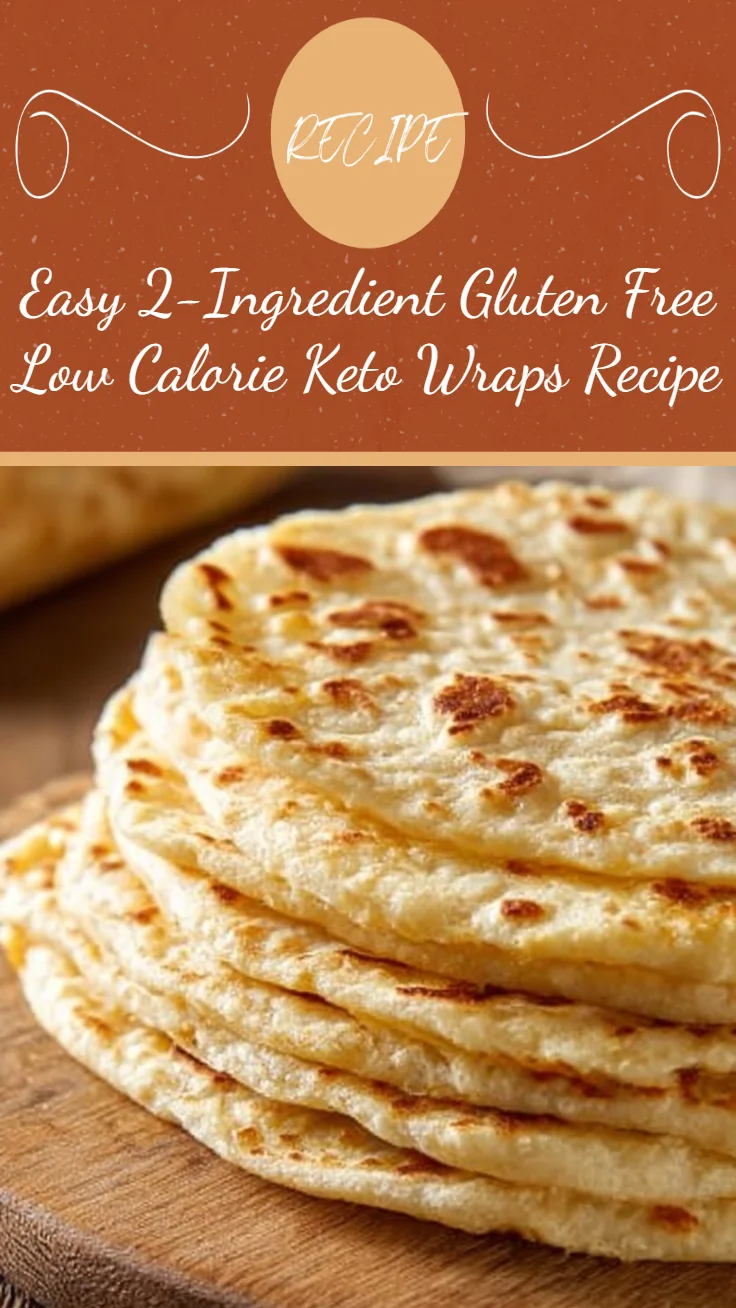
1 cup Full Fat Cottage Cheese, 2 large Eggs, 1/2 tsp Garlic Powder (optional), 1/2 tsp Italian Seasoning (optional), Black Pepper to taste
What each ingredient does in the recipe:
- 1 cup Full Fat Cottage Cheese — This is the heart of the flatbread. It provides moisture, protein, and a creamy base that, when blended with eggs, forms a batter that sets firm when baked. Full-fat cottage cheese gives a richer texture and better mouthfeel; low-fat versions can work but may yield a slightly drier crumb.
- 2 large Eggs — Eggs are the binder and the leavening agent here. They help the batter set into a cohesive flatbread and give it structure. The proteins in the eggs firm up as they heat, turning the blended mix from liquid to sliceable bread.
- 1/2 tsp Garlic Powder (optional) — This adds a gentle savory note without altering texture. It’s optional so you can keep the flatbread neutral for sweet or savory fillings.
- 1/2 tsp Italian Seasoning (optional) — A mix of dried herbs adds warmth and familiarity; again optional so you can personalize the base.
- Black Pepper to taste — Simple seasoning that brightens flavors and complements the cottage cheese’s gentle tang.
Why none of them are complicated or intimidating:
- These are pantry-friendly items and common kitchen staples. There’s no special flour, no yeast, and no complicated activation steps. Each ingredient has a clear role, and small variations won’t ruin the outcome.
How they work together:
- The eggs transform the cottage cheese from curdled curds into a unified, sliceable sheet. The seasonings are safety nets — they won’t break the recipe if you skip them, but they elevate the final flavor when added.
Directions
Preheat your oven to 350°F (175°C). Line a quarter sheet pan (9×13) with parchment paper and lightly spray with oil. Do not use foil., Add cottage cheese, eggs, and seasonings to a blender. Blend on high until completely smooth and creamy. Ensure no lumps remain., Pour the batter onto the prepared baking sheet. Spread it out evenly to the edges using a spatula., Bake for 30-40 minutes. The flatbread is done when it is golden brown all over and dry to the touch in the center., Let it cool completely in the pan (about 10-15 minutes). This allows it to set so you can peel it off the parchment easily., Add your favorite sandwich fillings, roll it up tightly, and enjoy!
Supportive guidance around each step:
Preheat and prepare: When your oven reaches 350°F (175°C), the even moderate heat will gently set the egg proteins without browning too fast. Lining the quarter sheet pan (9×13) with parchment and lightly spraying prevents sticking and helps you lift the finished flatbread in one piece. Avoid foil because it can cause sticking and tearing when you try to remove the bread.
Blending: Pour the cottage cheese and eggs into the blender with seasonings. When you blend on high, watch the mixture change from a lumpy, curd-like texture to a glossy, homogenous batter. That visual change — no visible curds, smooth and slightly shiny — is the key checkpoint. If you still see lumps, blend a bit longer. A few extra seconds now saves you from pockets of unblended curd after baking.
Spreading: Pour the batter onto the prepared pan and spread evenly. Imagine an even, thin layer that reaches the edges. If one edge looks thicker, gently sweep the spatula across to even it out; uneven thickness can lead to parts baking faster or slower.
Baking: Start checking at 30 minutes. You want an even golden-brown color across the surface and a center that feels dry to the touch (gently rest a finger briefly — it should not feel wet or jiggly). The full 30–40 minute window accounts for oven variability. If your oven runs hot, check a few minutes early; if it runs cool, it may take slightly longer.
Cooling: Let it rest in the pan for about 10–15 minutes. The cooling time is crucial because it lets the proteins and moisture redistribute so the flatbread sets — that’s the reason it peels away cleanly and rolls without falling apart. If you try to remove it too soon, it may tear. A short wait here makes slicing and rolling so much easier.
Finishing: Add fillings, roll tightly, and enjoy. Don’t worry if the roll looks rustic; small imperfections are part of homemade charm and don’t affect taste or satisfaction.
If you want an alternate idea for using a similar base in a different form, you can explore how cottage cheese and eggs make sturdy, portable bites by checking cottage cheese egg bites.
Key techniques you’ll practice in this recipe
- Blending to a smooth batter: You’ll learn to recognize when a mixture has gone from lumpy to homogeneous. That visual cue is useful across sauces, batters, and dips.
- Spreading for even thickness: Even spreading reduces guesswork in baking; practice will make your eye for evenness much better.
- Judging doneness by touch and color: Relying on color and dryness rather than only the clock helps you adapt to different ovens and pan types.
- Letting baked goods rest to set: Cooling to allow structure formation is a small habit that improves many baked and set recipes.
These techniques are foundational and will help you confidently make everything from frittatas to simple sheet cakes.
Common mistakes and how to avoid them
- Mistake: Leaving lumps in the batter. Fix: Blend longer until glossy and smooth. A few extra seconds in the blender prevents unbaked curds in the finished flatbread.
- Mistake: Spreading unevenly. Fix: Use a flexible spatula and sweep from the center outward to level the batter; rotate the pan if that helps you reach the corners.
- Mistake: Removing the flatbread too soon. Fix: Wait the full 10–15 minutes to let it set. If you try to peel it while warm it may tear — patience here preserves a clean edge.
- Mistake: Using foil instead of parchment. Fix: Always line with parchment and spray lightly. Foil often causes sticking and tearing.
- If the center looks slightly underdone after the baking window, don’t panic — return it to the oven for 3–5 more minutes and check again. If the edges are over-browning while the center is lagging, your oven may have hot spots; rotate the pan midway through baking next time.
The important thing is to troubleshoot gently. Small recoveries — a few extra minutes in the oven, a patient cool-down — usually save the day.
How to adjust confidently without changing the recipe
Portion scaling concepts:
- If you want a thinner or thicker flatbread, adjust how much batter you pour on the sheet rather than changing ingredient amounts. More batter = thicker bread, less = thinner. Keep in mind baking time will vary slightly with thickness.
Flavor preference adjustments:
- While the ingredient list is fixed for this recipe, you can personalize by topping or filling: try roasted vegetables, deli meats, fresh greens, or a smear of hummus. These don’t change the base recipe but let you control flavors.
Texture tweaks — conceptually only:
- For a slightly firmer result, let the flatbread cool longer before removing and ensure it’s baked until the center is dry. For a softer, more pliable sheet, roll it while it’s slightly warm (after cooling enough to handle) and use softer fillings.
Remember: do not change the listed ingredients or directions. The suggestions above explain conceptual ways to vary the experience while keeping the exact recipe steps and amounts intact.
Serving, storage, and reheating made simple
Best ways to serve:
- Use this flatbread as a sandwich wrap: layer protein, cheese, and greens, then roll tightly.
- Turn it into a quick pizza base: spread a thin layer of sauce, add cheese and toppings, and briefly broil to melt.
- Slice into strips for dipping: pair with hummus, tzatziki, or a herbed yogurt.
How to store leftovers safely:
- Refrigerate wrapped in parchment or stored in an airtight container for up to 3 days. For longer storage, slice and freeze in single-portion packs for up to 1 month.
How to reheat while keeping good texture:
- For refrigerated pieces: reheat in a 300°F oven for 8–10 minutes or in a nonstick skillet over medium-low heat for a few minutes per side until warmed through.
- From frozen: thaw overnight in the refrigerator and reheat as above. Avoid the microwave when possible; it can make the flatbread rubbery or soggy.
Questions new cooks often ask about this recipe
Q: How smooth does the batter need to be?
A: Smooth enough that you can’t see cottage cheese curds and the mixture looks glossy. Small air bubbles are fine — the important part is no visible lumps.
Q: My flatbread browned quickly on the edges but the center was underdone. Why?
A: Your oven likely has hot spots. Rotate the pan halfway through baking. Also make sure the batter is spread evenly so the center isn’t thicker than the edges.
Q: Can I use low-fat cottage cheese?
A: Yes, but expect a slightly different texture — often a bit drier and less rich. Full-fat gives the most forgiving, tender result.
Q: Is it normal for the surface to be a little pocked or textured?
A: Yes. Small surface imperfections don’t affect taste or structure. The cooling and peeling steps are what help the flatbread come away cleanly.
Q: What blender should I use?
A: Any high-speed blender or countertop blender that can process dairy will work. If yours is small, blend in batches and combine, or use an immersion blender in a tall container.
Final encouragement from Carla
You’ve taken on a neat little recipe that teaches foundational skills without pressure. Remember: the first try is about learning how your oven, blender, and hands respond. Small imperfections — a slightly uneven edge, a tiny tear when peeling — are all part of the process and don’t change how satisfying this flatbread will taste. Keep notes on what worked and what you’d tweak next time; progress in the kitchen happens gradually, one confident step at a time.
You’ve got this. Roll up a warm flatbread, take that first bite, and let it remind you that cooking can be kind, simple, and delicious.
Conclusion
If you’d like to see another take on a cottage-cheese-based flatbread from a different source for comparison, try The Protein Chef’s cottage cheese flatbread recipe for extra tips. For a quick refresher on the exact two-ingredient approach from another site, take a look at Instrupix’s 2-ingredient cottage cheese flatbread.
2-Ingredient Cottage Cheese Flatbread
Ingredients
Method
- Preheat your oven to 350°F (175°C). Line a quarter sheet pan (9×13) with parchment paper and lightly spray with oil.
- Add cottage cheese, eggs, and any seasonings to a blender. Blend on high until completely smooth and creamy. Ensure no lumps remain.
- Pour the batter onto the prepared baking sheet. Spread it out evenly to the edges using a spatula.
- Bake for 30-40 minutes, until the flatbread is golden brown all over and dry to the touch in the center.
- Let it cool completely in the pan (about 10-15 minutes) for better structure before peeling off the parchment.
- Add your favorite sandwich fillings, roll it up tightly, and enjoy!