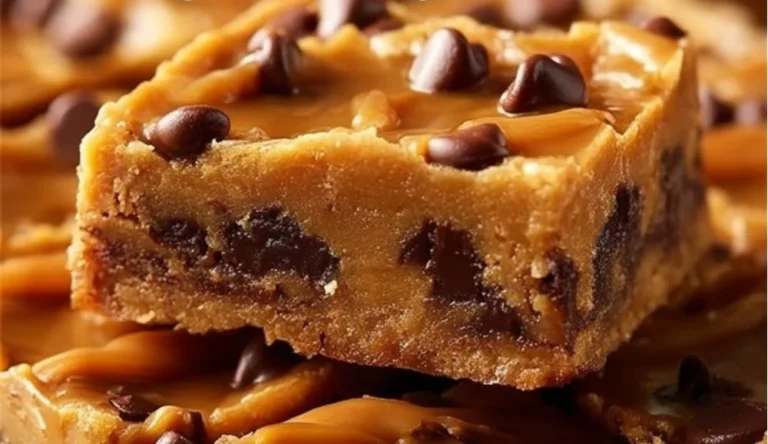
Chocolate Heart Thumbprint Cookies

AARON Introduction
As a nutrition specialist, I use recipes as a practical way to discuss digestion, balance, and long-term wellness without turning food into a moral or medical battleground. This Chocolate Heart Thumbprint Cookies recipe is a delightful example of how a small treat can fit into a balanced lifestyle when enjoyed mindfully and prepared with an understanding of its nutritional components. Baking itself can be a gentle form of self-care: the deliberate measuring, sensory feedback, and sharing with others all support mental and social aspects of health. If you enjoy exploring different cookie textures and flavors, you might also appreciate trying a variation like chewy maple cinnamon cookies to compare how ingredient swaps change mouthfeel and satiety.
In the sections that follow I’ll break down how this recipe supports overall wellness, what each main ingredient contributes, how preparation affects digestion and nutrient availability, and practical suggestions to adjust the recipe when you want lighter or more nutrient-dense versions. My aim is to provide clear, evidence-based guidance in plain language so you can make informed choices that fit your preferences and goals.
How this recipe supports overall wellness
Treats such as these thumbprint cookies can support wellness when woven into an overall balanced eating pattern. They provide pleasure, social connection, and energy—each important to a sustainable diet. From a nutritional perspective, these cookies are primarily a source of carbohydrates and fat, with a modest contribution of protein from egg and butter. The presence of chocolate chips and heart-shaped candies adds antioxidants from cocoa, though in small amounts; the sugars and refined flour drive quick energy release.
When planned thoughtfully, a serving of cookie can be part of an eating day that also includes whole grains, vegetables, fruits, lean proteins, and healthy fats. Practically, pairing a cookie with a protein- or fiber-containing food (for example, a small handful of walnuts or a plain Greek yogurt) can slow digestion slightly and improve satiety, helping you feel satisfied with less. If you’re exploring how desserts fit into broader patterns of healthful eating, it’s useful to compare recipes to see how swaps—like increasing whole-grain content or adding nuts—affect nutrient density. For inspiration on other sweet treats that can complement a balanced approach, consider the texture and flavor transitions you notice between this cookie and a richer bar, like the chocolate confetti squares.
How to make Chocolate Heart Thumbprint Cookies
This section explains the recipe steps with health-focused context so you can use them to support digestion, portion control, and food safety without changing the original procedure.
- Preheat the oven to the specified temperature so cookies bake evenly—consistent heat helps avoid under- or over-baking, which can affect texture and glycemic response.
- Creaming the butter and sugars incorporates air and creates a tender cookie structure; doing this gently and to the point described in the recipe reduces the temptation to overprocess, which can change mouthfeel.
- Use a small spoon or melon baller to portion dough into uniform pieces so baking time is predictable; uniformity supports even browning and reduces the risk of some cookies becoming overly crisp while others stay raw in the center.
- After baking, allow cookies to cool on a wire rack; this step completes the heat-driven reactions and helps internal moisture redistribute, improving texture and reducing the speed at which sugars are released when eaten.
The steps below are the recipe as written; follow them precisely for the intended result.
Ingredients :
½ cup unsalted butter, softened, ½ cup brown sugar, ¼ cup granulated sugar, 1 large egg, 1 tsp vanilla extract, 1½ cups all-purpose flour, ½ tsp baking soda, ¼ tsp salt, ¾ cup mini chocolate chips, Heart-shaped chocolate candies (like chocolate hearts or kisses), Heart sprinkles (optional)
Directions :
- Preheat oven to 350°F and line a baking sheet with parchment paper., 2. In a bowl, cream together the butter, brown sugar, and granulated sugar until light and fluffy.
Nutrient roles of each main ingredient
Understanding the role each ingredient plays helps you make small, evidence-based decisions about portions and pairing.
- Unsalted butter: Provides fat that contributes to satiety and texture. Dietary fat slows gastric emptying modestly, meaning paired carbohydrates are released into the bloodstream more slowly than if eaten alone. Butter also carries fat-soluble flavors and supports mouthfeel.
- Brown and granulated sugars: Provide simple carbohydrates for quick energy and contribute to the cookie’s structure. Consumed in moderation, sugars can be part of an overall pattern that prioritizes nutrient-dense foods most of the time.
- Egg: A compact source of high-quality protein and micronutrients like choline. In this cookie, the egg contributes structure and helps bind ingredients, which improves texture and reduces crumbling.
- Vanilla extract: Adds flavor without significant calories or nutrients; small flavor enhancers can allow you to reduce sugar slightly without sacrificing satisfaction.
- All-purpose flour: A source of refined carbohydrates that provides bulk and structure. While refined flour is less fiber-rich than whole-grain alternatives, it produces a light cookie texture that many people expect.
- Baking soda and salt: Leavening and flavor balance—small amounts play a large role in texture and taste.
- Mini chocolate chips and heart-shaped chocolate candies: Add cocoa-based flavor and small amounts of flavanols, a type of antioxidant. The quantity here contributes mainly to flavor and enjoyment rather than significant antioxidant intake.
- Heart sprinkles (optional): Decorative sugars that add visual appeal; nutritionally they are simple sugars and used sparingly are a sensory addition rather than a nutrient source.
Together, these ingredients make a treat that delivers quick energy, sensory satisfaction, and a modest amount of protein and fat that can help stabilize the eating experience when combined with other foods.
The preparation method & its health impact
How you prepare and eat a cookie matters for digestion and long-term habits. Creaming butter with sugar incorporates air and alters crumb structure; this technique creates a tender, melt-in-the-mouth experience, encouraging slower, more mindful eating compared with very dense bites. Portion control during shaping—using a small scoop or measuring tablespoon—helps regulate energy intake per cookie and supports consistent baking.
Baking at the correct temperature ensures the Maillard reaction (browning) occurs without burning. Browning adds flavor compounds that increase satisfaction; when a small dessert is satisfying, you’re less likely to reach for multiple servings. Cooling on a rack prevents exterior moisture from making cookies soggy, which might otherwise push you to reheat or overconsume in search of the intended texture. Finally, pairing the cookie with a beverage or small protein-rich snack influences digestion: a protein or fiber component slows absorption and can reduce post-meal blood sugar spikes compared with eating the cookie alone.
Ways to lighten, enrich or modify the dish nutritionally
You asked not to change ingredients or directions in the recipe itself; below are optional ideas you can test separately to adjust overall nutrition around the cookie—without altering the original recipe for those times you want the classic result.
- Portion control: Serve one or two cookies alongside protein (a tablespoon of nut butter or a small ricotta dollop) to increase satiety.
- Add fiber on the side: Pair the cookie with fresh fruit to increase fiber and micronutrients in the treat moment.
- Mindful swap opportunities to try separately: Use alternative flours, add ground nuts, or include oats in a different batch to boost fiber and plant-based protein when you want a more nutrient-dense version.
- Reduce added sugars across the day: If you plan a sweet treat, moderate added sugars in other meals that day to maintain balance.
- Increase protein at the same meal: A small serving of Greek yogurt or a milk-based beverage alongside the cookie helps balance the macronutrient profile.
These adjustments allow you to enjoy the original cookie as a special treat while maintaining overall daily nutrient balance.
Pairing ideas for a balanced, complete meal
A cookie alone is a snack; pairing it thoughtfully turns it into part of a balanced eating occasion. Here are practical combinations that support steady energy and digestion:
- Cookie + plain Greek yogurt + berries: Adds protein and fiber, slowing digestion and enhancing fullness.
- Cookie + a small handful of almonds + herbal tea: Provides healthy fat and some protein, increasing satiety and adding plant-based nutrients.
- Cookie + piece of fresh fruit + water: Adds fiber and fluid, supporting digestion and making the treat part of a bigger nutrient picture.
If you’re serving cookies as dessert, aim for a balance across the plate during your meal: include vegetables, a lean protein, and a whole grain to keep the overall meal nutrient-dense and satisfying. If you enjoy building dessert plates, reflect on texture and temperature contrasts—warm cookie and cool yogurt can be a pleasant, satisfying pairing.
For inspiration on complementary sweet items you might offer alongside such cookies at gatherings, consider adding a rich bar that brings different textures and flavors, like these chocolate-covered cherry magic bars for variety.
Safe storage, food safety & optimal reheating
Food safety is simple and important. Once baked and fully cooled, store cookies in an airtight container at room temperature for up to 3–5 days. If you add perishable toppings (e.g., a cream-based dip), refrigerate those separately and use within 2–3 days. For longer storage, freeze cookies in an airtight container or freezer-safe bag for up to 2–3 months; separate layers with parchment to prevent sticking.
To reheat from room temperature, a brief 8–10 second microwave burst or a 3–5 minute low-temperature oven warm (around 300°F) brings back a freshly-baked feel. When reheating from frozen, let cookies thaw at room temperature to avoid condensation making them soggy; then warm briefly. Always cool cookies completely before storing to avoid condensation and potential mold growth. If serving to individuals with food allergies, label and separate cookies clearly to prevent cross-contact.
Common nutrition questions about this dish
Q: Will eating these cookies affect my blood sugar?
A: Like most simple carbohydrate-rich treats, these cookies cause a relatively quick rise in blood glucose compared with whole foods high in fiber and protein. Pairing the cookie with protein, fiber, or healthy fat can blunt and slow that rise. Portion size matters: one cookie has less impact than multiple ones.
Q: Can I include these in a weight-management plan?
A: Yes—when planned into your daily calorie and nutrient goals. Enjoying a modest portion can satisfy cravings and reduce the risk of overconsumption later. Mindful eating—sitting down, slowing the pace, and savoring each bite—supports perceived satisfaction with smaller amounts.
Q: Are there nutrient benefits to the chocolate?
A: Cocoa contains compounds like flavanols that are associated with antioxidant activity. In small amounts within a cookie, these benefits are modest. Focus on consuming a variety of cocoa-containing foods in moderation rather than relying on dessert as a primary source of antioxidants.
Q: Is it ok for children?
A: In general, yes as an occasional treat. Be mindful of portion sizes and any choking hazards from candies for very young children. Use age-appropriate serving sizes and supervise younger children while eating.
Final wellness notes
Food is both nourishment and culture. Small desserts offer sensory pleasure, social connection, and a chance to practice mindful eating. Think of these cookies as one enjoyable part of an overall pattern that includes fruits, vegetables, legumes, whole grains, healthy fats, and lean proteins. When you prepare and enjoy baked goods intentionally—controlling portions, pairing with nutrient-dense sides, and storing them safely—you support digestion, satisfaction, and sustainable habits. If you bake for others, prioritize clear labeling for allergens and offer balanced accompaniments so guests leave satisfied and nourished beyond the sweetness.
Conclusion
For the original recipe inspiration and presentation, you can compare the cookie approach with the version on Chocolate Heart Thumbprint Cookies | Mimi’s Organic Eats, explore a widely tested variation at Best Heart Thumbprint Cookies Recipe – Delish, or view another heart-shaped thumbprint style at Chocolate Thumbprint Cookies (Heart-Shaped) | Sift With Kima. These resources can help you compare methods and presentations while keeping your focus on balanced, enjoyable eating.
Chocolate Heart Thumbprint Cookies
Ingredients
Method
- Preheat oven to 350°F and line a baking sheet with parchment paper.
- In a bowl, cream together the unsalted butter, brown sugar, and granulated sugar until light and fluffy.