Strawberry Cookie Boats
Introduction
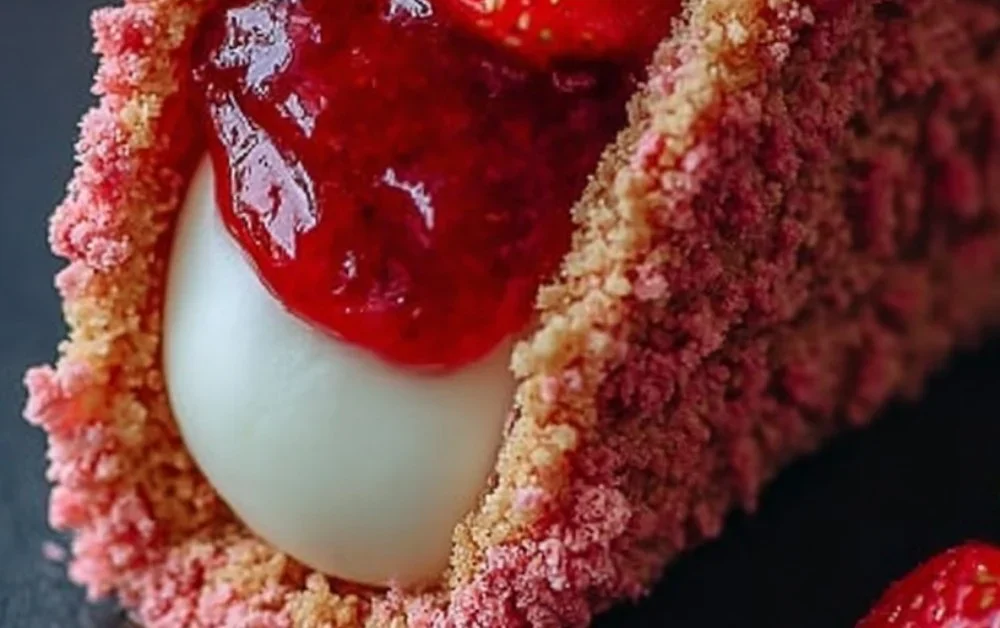
Strawberry Cookie Boats are a concise exercise in balance: a crisp, subtly strawberry-scented shortbread vessel supporting a rich, tangy cream filling and a bright, fresh fruit topping. The execution demands attention to dough texture, temperature control, and timing so the cookie remains delicate yet structurally sound. In professional pastry terms this is an assembly of three primary components — shortbread shell, stabilized cheese-cream, and a fruit glaze — each contributing distinct textural and flavor vectors. Readily scaled for production or adapted for plated dessert service, this recipe benefits from precision rather than improvisation. For a comparable study in cookie structure and mouthfeel, see a technical cookie guide that contrasts chew and snap in baked goods.
The culinary logic behind this dish
The dish functions on contrast and restraint. The shortbread base provides low-moisture, buttery crunch to offset the creamy, high-fat filling; fresh strawberries add acidity and juiciness to cut the richness. The strawberry powder folded into the dough introduces strawberry aromatics without adding moisture that would compromise texture. Mascarpone or cream cheese is combined with whipped cream to create a filling that remains stable but yields immediately on the palate, delivering a clean mouthfeel. The jam glaze seals the fruit against oxidation and adds shine while reinforcing strawberry flavor. Each ingredient is chosen to contribute specific functional properties: structure, emulsification, aeration, and gloss.
How to make Strawberry Cookie Boats
This section interprets the procedural flow without altering the recipe. Begin by creaming butter and sugar to incorporate air; this step determines initial cookie lift and tenderness. Adding the egg and vanilla builds emulsion, ensuring even distribution of fat and liquid. The strawberry powder colors and flavors the dough without changing hydration; fold it in gently to retain aeration. Incorporating flour and salt “just until combined” minimizes gluten development to keep the shortbread tender. Chilling the dough firms fats for cleaner rolling and prevents spreading in the oven. Use a shallow indentation to create the “boat” — it must be deep enough to hold filling but not so deep that the cookie loses structural integrity. Bake until set but not browned; color indicates caramelization which will change the intended shortbread flavor. Finish by piping a stabilized mascarpone-cream, arranging berries, and glazing to lock in brightness.
Ingredients :
200g all-purpose flour, 100g unsalted butter, softened, 80g granulated sugar, 1 large egg, 1 teaspoon vanilla extract, 2 tablespoons strawberry powder or freeze-dried strawberries, crushed, 1/4 teaspoon salt, 250g mascarpone cheese or cream cheese, 150ml heavy cream, 75g powdered sugar, 1 teaspoon vanilla extract (for filling), 300g fresh strawberries, sliced, 3 tablespoons strawberry jam or preserve, 1 tablespoon water, Shortbread cookie crumbs for garnish
Directions :
- In a large bowl, cream together butter and sugar until light and fluffy. Add egg and vanilla extract, beating until well combined. Mix in the strawberry powder until the dough is pink., 2. Gradually add flour and salt, mixing until just combined. Form the dough into a ball, wrap in plastic wrap, and refrigerate for 30 minutes., 3. Preheat oven to 350°F (175°C). Roll out the dough on a floured surface to 1/4 inch thickness. Cut into boat shapes or use an oval cookie cutter. Place on parchment-lined baking sheets., 4. Use your thumb or the back of a spoon to create an indentation in the center of each cookie to form boat-like shapes. Bake for 12-15 minutes until set but not browned. Cool completely., 5. Beat mascarpone cheese, heavy cream, powdered sugar, and vanilla extract until smooth and thick. Transfer to a piping bag fitted with a star tip., 6. In a small saucepan, heat strawberry jam with water until melted and smooth. Allow to cool slightly., 7. Pipe cream filling into the cookie boats. Arrange sliced strawberries on top of the cream and brush with the jam glaze., 8. Sprinkle shortbread cookie crumbs around the dessert for garnish. Refrigerate until ready to serve, bringing to room temperature for best flavor.
Ingredient analysis through a chef’s lens
Examining each component clarifies function and interaction. All-purpose flour contributes the minimal protein matrix needed for shortbread; overworking will yield chewiness. The butter amount is high by weight relative to flour, producing a tender, laminated crumb when creamed properly. Granulated sugar aids aeration during creaming; using the correct crystal size impacts the speed and volume of air incorporation. The egg binds and provides additional leavening and color; its inclusion differentiates this cookie from purely crumbly shortbread. Strawberry powder supplies volatile aromatics without water; using freeze-dried fruit avoids changing dough hydration. For further study on balancing texture in cookie doughs consult this technical example on texture manipulation. The filling components — mascarpone or cream cheese plus whipped cream — work as an emulsion/stabilized mousse: the mascarpone’s fat and protein stabilize air; the powdered sugar provides sweetness and slight thickening without graininess.
Kitchen workflow & technique breakdown
Efficient workflow reduces temperature variation, which is critical for this recipe. Start by measuring and chilling where needed. Cream butter and sugar first, then measure and prepare freeze-dried powder so it’s ready for folding to maintain aeration. While dough chills, prepare the filling base: chill the bowl and whisk for whipping cream to achieve maximum volume and stability. Par-bake cookie shells while filling components rest in the refrigerator; this staging prevents soggy cookies. To minimize downtime, macerate berries briefly with a pinch of sugar while the jam is heating; cool rapidly to avoid over-softening. For sequence reference and timing strategies, review an external procedural guide like a production-friendly cookie workflow. Maintain a small mise en place for glazes and piping to allow continuous assembly.
Texture control, heat management & timing
Texture hinges on temperature and the briefness of heat exposure. Creaming should be complete enough to trap air but not so vigorous that the butter becomes warm and greasy. Chill to 30 minutes — sufficient to re-firm fats so the dough rolls cleanly to 1/4 inch without sticking. Baking until “set but not browned” keeps the cookie pale and tender; browning indicates Maillard reactions that will alter the delicate flavor profile and increase firmness. The filling should be whipped to medium-stiff peaks: overly stiff will feel chalky; under-whipped will weep and destabilize. Keep assembled boats refrigerated until service; allow them to come briefly to room temperature to amplify aroma and flavor, but avoid prolonged warm holding which will soften the shortbread and bleed moisture into the filling.
Professional variations
From a production standpoint, small variations can expand the offering without altering the core recipe. Use an almond-shortbread base (replace 20g flour with 20g finely ground almonds) to introduce marzipan note while retaining structure — note this is a technical suggestion for variation, not a change to the presented recipe. Alternate glazes include a light coulis or a neutral gelatin glaze for extended shelf life in catering service. For plated desserts, reduce cookie size and present multiple mini boats as a composed tasting; the same structural rules apply but shorten bake time by 2–3 minutes. If using alternative fruits, adjust sugar and acid balancing: less acidic fruits may require a brighter glaze or a squeeze of lemon on berries to maintain contrast.
Finishing touches & plating philosophy
Finishing is functional yet aesthetic. The jam glaze serves to protect and shine the fruit while reinforcing the strawberry signal; apply with a light brush to preserve freshness and avoid dissolving the sliced berries. Shortbread crumbs around the plate introduce texture differentiation and suggest the cookie’s profile; sprinkle deliberately, not randomly, to accentuate the boat silhouette. For plating, consider negative space: a single boat centered on a narrow rectangular plate emphasizes its profile; two or three staggered evokes motion. Garnish with microherbs or a single basil chiffonade only if it complements strawberry acidity. Temperature at service matters: slightly chilled boats read fresher and the cream maintains structure, while room-temperature morsels open aromatics.
Maintaining quality after cooking
Shortbread and cream-based fillings have different storage needs. Keep assembled boats refrigerated and consume within 24–36 hours for optimal texture: beyond this, moisture migration will soften the cookie. If you must advance components, bake and store shells in an airtight container at room temperature for up to 3 days; fill and glaze just before service. Freeze-baked shells unfilled for longer storage — defrost fully and crisp briefly in a 300°F oven for 3–4 minutes if they soften. The filling can be held refrigerated up to 48 hours if stabilized with sufficient powdered sugar; whip gently to refresh texture before piping if it settles.
Questions from home cooks (chef answers)
Q: Why is the dough chilled only 30 minutes? A: Thirty minutes is enough to re-firm butter to allow clean rolling and cutting while keeping hands-on time efficient; longer chilling risks excessively cold dough that cracks. Q: Can I substitute cream cheese for mascarpone? A: Yes — the recipe specifies either option; cream cheese provides tang and a firmer texture, while mascarpone yields a silkier mouthfeel. Q: How do I prevent the cookies from browning? A: Bake on the middle rack in a well-calibrated oven, rotate pans halfway through, and use light-colored baking sheets. Q: Will fresh strawberries make the boats soggy? A: Proper glaze application and piping the filling as a barrier minimize moisture migration; assemble close to service for best texture.
Final chef notes
Attention to micro-details determines success: crystal size of sugar, the temperature of butter during creaming, and the degree of whipped stabilization all influence final mouthfeel. Restraining browning preserves the intended shortbread notes and color; controlling hydration prevents structural collapse of the boat indentation. Use mise en place to synchronize dough chilling, filling stabilization, and fruit preparation so each component is at its ideal temperature for assembly. This recipe is an exercise in restraint — precise technique yields an elegant dessert that reads as light yet layered, simple yet technically deliberate. For technique cross-references on themed shapes and nautical presentation, consider resources like this cookie fundamentals guide.
Conclusion
For contextual inspiration and complementary preparations that echo the strawberry theme and cookie technique, consult these resources: No-Bake Chocolate Strawberry Ganache Tart with Chocolate … for ideas on chocolate-strawberry interplay; Strawberry Bruschetta Avocado Boats – The Toasted Pine Nut for alternative “boat” presentations and fruit handling; and Nautical Anchor Cookies – the quiet baker for decorative cookie shaping techniques that can inform cut shapes and thematic plating.
Strawberry Cookie Boats
Ingredients
Method
- In a large bowl, cream together butter and sugar until light and fluffy.
- Add egg and vanilla extract, beating until well combined.
- Mix in the strawberry powder until the dough is pink.
- Gradually add flour and salt, mixing until just combined.
- Form the dough into a ball, wrap in plastic wrap, and refrigerate for 30 minutes.
- Preheat oven to 350°F (175°C).
- Roll out the dough on a floured surface to 1/4 inch thickness. Cut into boat shapes or use an oval cookie cutter.
- Place on parchment-lined baking sheets.
- Use your thumb or the back of a spoon to create an indentation in the center of each cookie to form boat-like shapes.
- Bake for 12-15 minutes until set but not browned. Cool completely.
- Beat mascarpone cheese, heavy cream, powdered sugar, and vanilla extract until smooth and thick.
- Transfer to a piping bag fitted with a star tip.
- In a small saucepan, heat strawberry jam with water until melted and smooth. Allow to cool slightly.
- Pipe cream filling into the cookie boats.
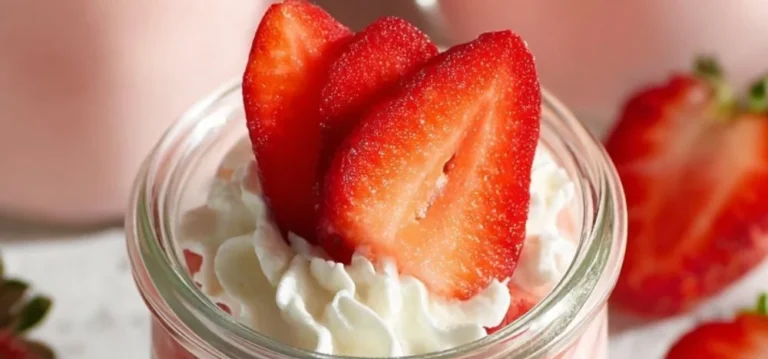
- Arrange sliced strawberries on top of the cream and brush with the jam glaze.
- Sprinkle shortbread cookie crumbs around the dessert for garnish.
- Refrigerate until ready to serve, bringing to room temperature for best flavor.