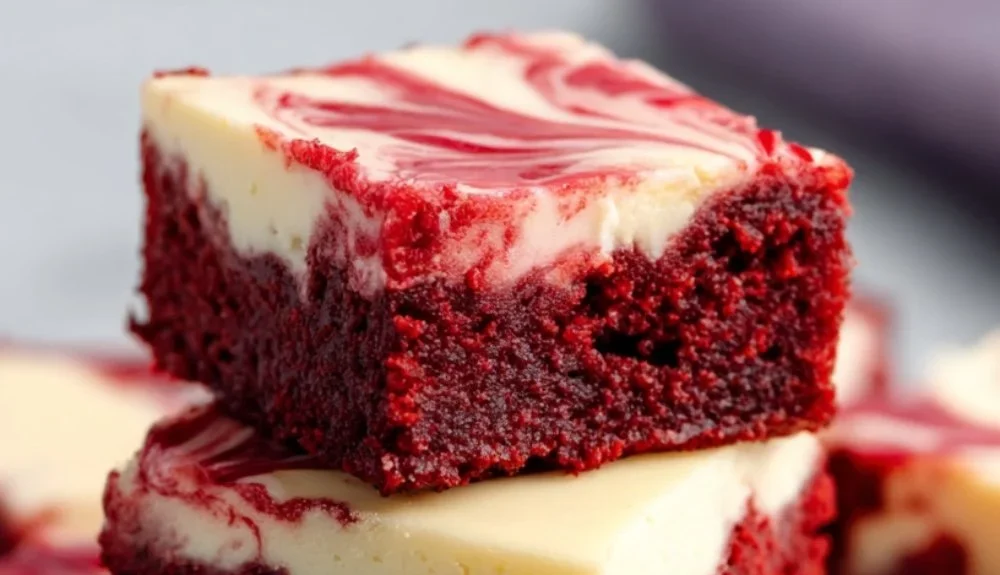
Red Velvet Cheesecake Brownies
Introduction
As a nutrition specialist, I welcome the opportunity to discuss an indulgent recipe like Red Velvet Cheesecake Brownies through a balanced, evidence-based lens. Treats can be part of a healthy lifestyle when we understand the ingredients, how they affect digestion and satiety, and how to incorporate them into overall dietary patterns. In this article I’ll walk you through how this dessert fits into wellness goals, explain the roles of each ingredient in plain language, describe how preparation affects nutrition, and offer practical tips to make the treat more nutrient-dense without changing the original recipe itself. My aim is calm, clear guidance that helps you enjoy food while supporting long-term health.
How this recipe supports overall wellness
When thinking about wellness, three practical ideas are helpful: balance, nutrient density, and digestive comfort. Red Velvet Cheesecake Brownies are a dessert that delivers pleasure and can be used strategically within a varied diet. From a nutritional perspective, this recipe is energy-dense and provides fat, protein, and quickly available carbohydrates that can satisfy cravings, help with adherence to overall meal plans, and signal meal completion — which can prevent later over-snacking. The cream cheese component adds whey and casein proteins that contribute to satiety, while the eggs add high-quality protein and micronutrients like choline and vitamin D (depending on egg source).
That said, this dessert is not a source of dietary fiber or many vitamins and minerals, so pairing it with whole-food elements (like a fruit-based salad or a protein-forward beverage) will help make a serving more balanced. When you plan portions and include fiber, protein, and hydration throughout the day, an energy-rich dessert like this can fit into a pattern that supports stable energy and digestive comfort rather than causing abrupt blood sugar swings. The overall wellness benefit is psychological, too: allowing enjoyable foods helps long-term adherence to healthy choices and reduces the risk of restrictive cycles.
How to make Red Velvet Cheesecake Brownies
Ingredients :
For the Red Velvet Layer:, Butter: 1/2 cup (1 stick, melted), Granulated sugar: 1 cup, Eggs: 2 large, Vanilla extract: 1 teaspoon, Red food coloring: 1 tablespoon, White vinegar: 1 teaspoon, Cocoa powder: 1/4 cup, All-purpose flour: 3/4 cup, Salt: 1/4 teaspoon, For the Cheesecake Swirl:, Cream cheese: 8 oz (1 package, softened), Granulated sugar: 1/4 cup, Egg: 1 large, Vanilla extract: 1/2 teaspoon
Directions :
Preheat your oven to 350°F (175°C) and prepare an 8×8-inch baking pan with parchment paper or a light coat of non-stick spray., In a large bowl, whisk together melted butter and sugar until the mixture is smooth., Add eggs, vanilla extract, red food coloring, and vinegar to the bowl. Mix well until fully combined., Sift cocoa powder, flour, and salt into the wet ingredients. Fold gently to form a smooth batter. Reserve 1/4 cup of this batter for later., In another bowl, beat softened cream cheese with sugar until creamy. Add the egg and vanilla extract and mix until smooth., Pour the red velvet batter into the prepared baking pan, spreading it evenly., Dollop the cream cheese mixture on top of the red velvet batter. Use a knife or skewer to swirl the layers together for a marbled effect., Add small dollops of the reserved red velvet batter on top and incorporate them into the swirl., Bake for 25–30 minutes, or until the center is set and a toothpick inserted comes out with a few moist crumbs., Let the brownies cool completely in the pan before slicing and serving. Enjoy!
Nutrient roles of each main ingredient
Understanding the role that each ingredient plays helps you see where nutrition can be balanced elsewhere in the day.
- Butter: Provides concentrated energy from fat, primarily saturated and monounsaturated fats. Fats slow gastric emptying, which can increase feelings of fullness and moderate the blood glucose response to the meal.
- Granulated sugar: Supplies simple carbohydrates for quick energy. In a dessert context, sugar increases palatability and encourages enjoyment, but it also means the recipe offers little fiber and causes relatively fast digestion.
- Eggs: Deliver complete protein with all essential amino acids, plus micronutrients such as B vitamins, selenium, and choline. Eggs support muscle repair and satiety.
- Vanilla extract and red food coloring: Mostly used for flavor and color; they contribute negligible nutrients.
- White vinegar: Often used in red velvet to react with baking soda (if present) to help texture; it adds almost no nutrition but can slightly affect pH and flavor.
- Cocoa powder: Adds polyphenols (plant compounds), a small amount of fiber, and a chocolate flavor that enhances satisfaction.
- All-purpose flour: A source of carbohydrates and some protein, but refined flour lacks bran and germ, so it contributes less fiber and fewer micronutrients than whole-grain flours.
- Salt: Enhances flavor and helps regulate taste perception; sodium is essential but should be balanced through the day.
- Cream cheese: Supplies fat and protein, and contributes to creamy texture. It also contains calcium and vitamin A in modest amounts.
Putting these together, the brownies provide a mix of fat and protein alongside rapidly digested carbohydrates. That mix supports sensory satisfaction and a sense of fullness for some time, but pairing strategies can enhance nutrient balance.
The preparation method & its health impact
Baking, as used here, is a dry-heat cooking method that doesn’t require added water and generally preserves the integrity of the ingredients. The recipe’s method—mixing, folding, and a relatively short bake—keeps heat exposure moderate, which preserves the quality of proteins in the eggs and cream cheese and avoids excessive formation of compounds associated with high-heat cooking.
Melting butter and incorporating it into the batter disperses fat evenly, helping texture; however, butter remains a concentrated source of saturated fat. Using whole eggs contributes protein and micronutrients; since eggs are cooked through, food-safety considerations are addressed by ensuring the center reaches a set temperature. The inclusion of cream cheese requires attention to cooling and refrigeration after baking to prevent microbial growth. Overall, the baking method is neutral to slightly beneficial for digestion compared with fried or charred preparations, but the recipe remains energy-dense and should be considered as an occasional treat or shared serving.
Ways to lighten, enrich or modify the dish nutritionally
Without changing the recipe itself when you prepare it for special occasions, you can make choices around serving and accompaniments to increase its nutritive value:
- Portion control: Cut smaller squares and serve alongside fresh fruit (berries, kiwi, orange segments) to add fiber, vitamin C, and natural sweetness that complements the red velvet flavor.
- Add protein at the meal: Serve a small Greek yogurt cup or a handful of nuts with the dessert to slow digestion and increase satiety.
- Beverage choices: Choose water, herbal tea, or a milk alternative to avoid adding extra sugar. Unsweetened tea or coffee can balance the sweetness.
- Make it a shared experience: Sharing a pan among more people reduces individual intake while maintaining enjoyment.
- Time it strategically: Pairing dessert after a balanced meal that includes vegetables, lean protein, and fiber can reduce the likelihood of overconsumption and promote stable blood sugar.
- If modifying the recipe itself in a separate version: swapping part of the butter for unsweetened applesauce or using part whole-wheat flour can increase fiber and reduce saturated fat, but this advice is for a variation rather than the original recipe.
These approaches let you keep the original formula intact while improving overall meal quality and satiety.
Pairing ideas for a balanced, complete meal
To make a dessert-centered meal feel balanced, consider composing the rest of the plate with complementary, nutrient-dense choices:
- Start with a vegetable-forward salad (leafy greens, cruciferous veggies) dressed with olive oil and lemon. This adds fiber, phytonutrients, and healthy fats.
- Include a lean protein source such as grilled chicken, salmon, or a plant-based option like lentils or tofu. Protein supports muscle maintenance and slows digestion when eaten before dessert.
- Add a whole grain or starchy vegetable for sustained energy: quinoa, roasted sweet potato, or brown rice provide fiber and micronutrients.
- Finish with a modest serving of the Red Velvet Cheesecake Brownie alongside fresh berries and a small dollop of plain Greek yogurt to boost the protein-to-carb ratio and add probiotics for gut health.
- For beverages, water with citrus or herbal tea helps with digestion and reduces excess caloric intake from sugars.
These pairings create a satisfying meal that supports digestion and nutrient needs while allowing you to enjoy dessert.
Safe storage, food safety & optimal reheating
Because this recipe contains cream cheese and eggs, appropriate handling is important for food safety and quality:
- Cooling: Allow the brownies to cool completely at room temperature, ideally no more than two hours before chilling. Cooling them fully prevents condensation and helps the texture set.
- Refrigeration: Store in an airtight container in the refrigerator. Because of the cream cheese swirl, refrigerate promptly; consume within 3–4 days for best quality and safety.
- Freezing: If you want longer storage, wrap individual squares tightly in plastic wrap and foil, or place them in a freezer-safe container. Freeze up to 2 months. Thaw in the refrigerator overnight before serving.
- Reheating: For a warm serving, reheat gently in a 300°F (about 150°C) oven for 6–10 minutes or in a toaster oven until just warm—avoid high heat which can dry out the brownies or make the cream cheese layer separate. Microwaving briefly (10–20 seconds) works for single portions, but may change texture.
- Cross-contamination: Use clean utensils and surfaces when cutting and serving. If serving to people with weakened immune systems, make sure the dessert has been refrigerated properly and consumed within the recommended timeframe.
Following these steps preserves both safety and flavor.
Common nutrition questions about this dish
- Will eating this dessert spike my blood sugar? Any food high in added sugar and refined flour can raise blood glucose more quickly than high-fiber options. Pairing the brownies with protein, healthy fats, or fiber-rich foods can slow absorption and help moderate the response.
- Is the saturated fat in butter a concern? Saturated fat is fine in moderation as part of an overall pattern that favors vegetables, fruits, whole grains, lean proteins, and unsaturated fats. Occasional desserts containing butter are compatible with that pattern.
- Can children eat this regularly? Occasional servings are appropriate; frequent intake of energy-dense, nutrient-poor foods is not recommended. Emphasize balanced meals and make treats a planned part of family eating rather than an everyday staple.
- What about portion control? Cutting smaller pieces and pairing with fruit or plain yogurt helps satisfy the palate while managing energy intake.
- Is there a healthier day-to-day equivalent? For regular baking, consider recipes that include whole grains, reduced added sugar, and added fruits or nuts. When you want a true red velvet cheesecake experience, follow the original and enjoy it as an occasional celebratory choice.
Final wellness notes
Enjoying food is an essential part of life and wellbeing. Red Velvet Cheesecake Brownies are a rich dessert that can provide pleasure, social connection, and satisfaction when consumed thoughtfully. The keys to integrating this kind of treat into long-term wellness are portion awareness, pairing with nutrient-rich foods, and regular patterns of balanced meals. Pay attention to how the food makes you feel afterward—energy levels, digestion, and satisfaction are practical guides for future choices. Ultimately, occasional indulgence paired with a foundation of nutrient-dense eating supports both physical health and a sustainable relationship with food.
Conclusion
For additional recipe ideas, variations, and technique tips related to Red Velvet Cheesecake Brownies, these resources are helpful: Red Velvet Cheesecake Brownies – Just a Taste, Red Velvet Cheesecake Swirl Brownies – Sally’s Baking, Red Velvet Cheesecake Brownies – Pretty. Simple. Sweet., Red Velvet Cheesecake Brownies – Broma Bakery, and Small Batch Red Velvet Cheesecake Brownies | Fresh Bean Bakery. These pages offer technique variations, visual guides, and serving ideas that can complement the approach described here.
Red Velvet Cheesecake Brownies
Ingredients
Method
- Preheat your oven to 350°F (175°C) and prepare an 8×8-inch baking pan with parchment paper or a light coat of non-stick spray.
- In a large bowl, whisk together melted butter and sugar until the mixture is smooth.
- Add eggs, vanilla extract, red food coloring, and vinegar to the bowl. Mix well until fully combined.
- Sift cocoa powder, flour, and salt into the wet ingredients. Fold gently to form a smooth batter. Reserve 1/4 cup of this batter for later.
- In another bowl, beat softened cream cheese with sugar until creamy. Add the egg and vanilla extract and mix until smooth.
- Pour the red velvet batter into the prepared baking pan, spreading it evenly.
- Dollop the cream cheese mixture on top of the red velvet batter. Use a knife or skewer to swirl the layers together for a marbled effect.
- Add small dollops of the reserved red velvet batter on top and incorporate them into the swirl.
- Bake for 25–30 minutes, or until the center is set and a toothpick inserted comes out with a few moist crumbs.
- Let the brownies cool completely in the pan before slicing and serving. Enjoy!