Carpathian Cake
Introduction
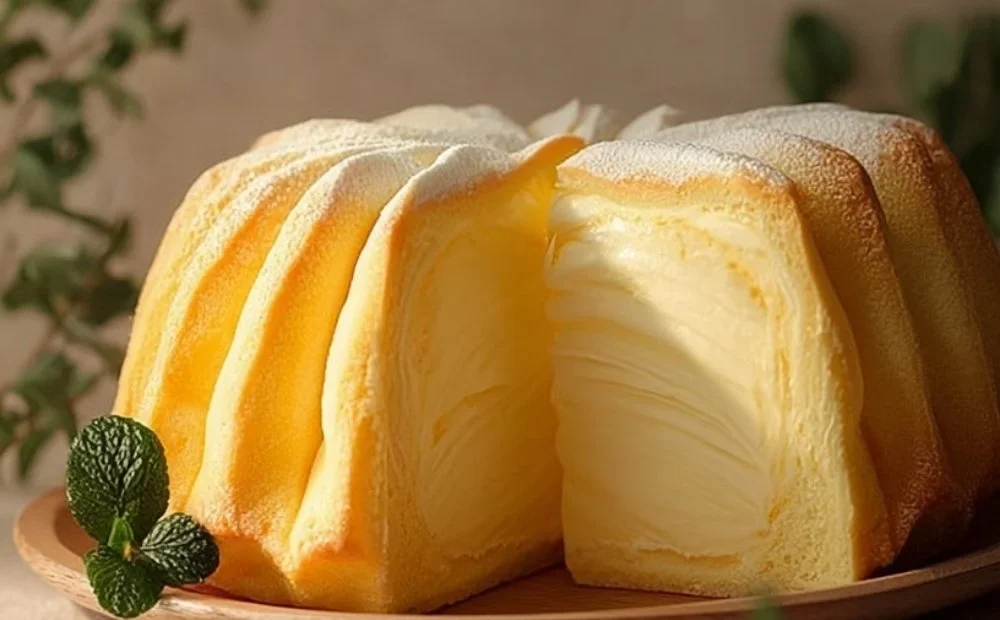
Carpathian Cake (also known in some traditions as karpatka) is a layered cream-puff style dessert that combines light choux pastry with a smooth vanilla custard. As a nutrition specialist, I approach desserts like this through a lens of balance, digestion-friendly habits, and longer-term wellness rather than quick fixes or restriction. Enjoying a slice of cake can be part of a nourished life when it’s eaten mindfully, paired with nutrient-dense foods across the day, and stored and prepared safely.
In this article I will walk through what the recipe contains, why the specific ingredients matter from a nutritional perspective, how the preparation method affects digestion and nutrient quality, and practical ways to make the dessert fit into a balanced eating pattern. I’ll also offer evidence-based suggestions for portioning, pairing, and storage to support digestive comfort and metabolic balance. My tone is calm and practical: this is about workable, sustainable choices rather than perfectionism.
How this recipe supports overall wellness
Carpathian Cake is primarily an enjoyable treat, but it can also support wellness when treated as an occasional, intentional component of a varied diet. Here are the practical ways it contributes to wellbeing:
- Energy provision: The combination of flour, butter, eggs, sugar and milk supplies carbohydrates, fats, and proteins — a mix that gives both quick and somewhat sustained energy. When portioned appropriately, that energy can be useful after physical activity or as part of a celebration where higher energy intake is expected.
- Protein and satiety: The eggs and milk in the custard provide quality protein which contributes to satiety and helps slow post-meal glucose rise compared with a purely sugary item.
- Comfort and social wellbeing: Shared foods and rituals around baking and eating contribute to mental and social health, which are important parts of overall wellness.
- Opportunity to model balanced eating: Serving this cake alongside fruit, plain yogurt, or a small handful of nuts helps create a meal-like context that balances simple carbohydrates with fiber, protein, and healthy fats.
I emphasize moderation and pairing rather than demonizing any ingredient. A single slice within a day that otherwise focuses on vegetables, whole grains, lean proteins, and sufficient hydration fits comfortably into most healthy patterns.
How to make Carpathian Cake
The following recipe is presented exactly as provided. I do not change ingredients or directions. Below it, I’ll add small practical tips that preserve the recipe but support easier digestion and balance.
Ingredients :
1 cup water, 1/2 cup unsalted butter, 1 cup all-purpose flour, 4 large eggs, 2 cups milk, 1 cup granulated sugar, 1/2 cup cornstarch, 1 teaspoon vanilla extract, Pinch of salt
Directions :
- Preheat your oven to 400°F (200°C)., 2. In a saucepan, combine water and butter over medium heat until boiling., 3. Add the flour and salt all at once, stirring until mixture forms a ball., 4. Remove from heat and let cool for 5 minutes., 5. Beat in the eggs one at a time until the mixture is smooth., 6. Spread half of the choux pastry onto a parchment-lined baking sheet., 7. Bake for 25-30 minutes until golden., 8. In a separate pot, mix milk, sugar, cornstarch, and vanilla over medium heat, stirring until thickened., 9. Allow the custard to cool completely., 10. Once the pastry is cool, spread the custard on top of the first layer, then place the second layer of pastry on top., 11. Chill in the refrigerator before serving.
Notes on execution and digestion-friendly practice:
- Allowing the custard to cool completely before assembling lowers the temperature contrast between layers and helps reduce condensation, which can affect texture and digestibility for some people.
- A moderate slice (controlled portion) with a source of fiber or protein on the side aids blood sugar balance and slow digestion.
Nutrient roles of each main ingredient
Breaking down the main ingredients helps understand how this dessert fits into overall nutrient intake.
- Water: While not a nutrient carrier, water is fundamental to the choux dough’s structure. Hydration in ingredients contributes to proper dough formation; adequate fluid intake alongside a meal supports digestion.
- Unsalted butter: Primarily a source of saturated fat and flavor. Fat slows gastric emptying, which can moderate blood glucose spikes and contribute to satiety. In moderation, butter contributes mouthfeel and helps the choux expand and brown.
- All-purpose flour: A source of primarily starchy carbohydrates. Flour provides structure through gluten and becomes the carbohydrate base of the pastry. If you’re aiming to add fiber in the meal, pair the cake with fruit or a whole-grain choice elsewhere in the day.
- Eggs: High-quality protein and phospholipids, eggs support the texture of the pastry and custard. Protein helps with satiety and supports muscle maintenance.
- Milk: Supplies protein (casein and whey), calcium, and B vitamins. Milk also contributes to the custard’s creamy texture and slow-digesting protein fraction, which can blunt rapid glucose rises compared with isolated sugars.
- Granulated sugar: Simple carbohydrate that contributes sweetness and texture in the custard. Sugar delivers quick energy; when balanced with protein and fat it becomes part of a manageable treat.
- Cornstarch: A thickener that provides a smooth custard without needing additional eggs. It is primarily starch and contributes to the custard’s texture.
- Vanilla extract: Adds flavor with negligible calories but improves palatability, making smaller portions feel satisfying.
- Salt (pinch): Enhances overall flavor balance, which can help reduce the urge to overconsume in search of flavor satisfaction.
Each ingredient plays a role in structure, texture, or palatability. From a nutrient-density perspective, eggs and milk are the primary contributors of vitamins and minerals; flour and sugar provide energy; butter supplies fat for flavor and satiety.
The preparation method & its health impact
Cooking techniques can influence both nutrient retention and digestion:
- Choux pastry through high-heat steam: The choux relies on steam created in the oven to puff and create a light interior. This method uses relatively little added fat compared to deep-frying, which is a modest advantage if you’re comparing preparation methods.
- Custard thickened with cornstarch rather than an excessive number of egg yolks: Cornstarch thickening reduces cholesterol contribution from extra egg yolks, while still delivering a creamy texture. However, cornstarch is still a refined starch, so pairing with protein/fiber is helpful to modulate glucose response.
- Cooling and chilling: Chilling the assembled cake firms the custard and helps texture. From a digestive standpoint, eating very cold desserts may slow gastric emptying slightly for some people; otherwise the chill improves mouthfeel and reduces sensitivity for those with reflux when consumed moderately.
- Baking at 400°F (200°C) to brown the pastry: Proper browning improves flavor and reduces the need for extra sugar or fat for palatability. Maillard reactions create pleasant aromas that increase satisfaction from smaller portions.
Overall, this preparation avoids excessive oil, uses whole eggs and milk for nutrient value, and relies on thermal transformations that create a light texture — all characteristics that can fit into a healthful eating approach when portioned and paired thoughtfully.
Ways to lighten, enrich or modify the dish nutritionally
Without changing the core recipe, here are practical, evidence-based options to make the dessert fit different nutritional needs:
- Portion control and plating: Serve smaller slices and increase the visual or sensory satisfaction with a garnish—fresh berries or a sprinkle of toasted nuts—which add fiber, antioxidants, and healthy fats without changing the cake itself.
- Pair with protein or fiber-rich sides: A dollop of plain Greek yogurt or a side of mixed berries gives a fiber-protein balance that supports satiety and steady glucose levels.
- Add nutrient-dense beverages: Serving a small latte made with low-fat milk or unsweetened tea can make the overall meal more satisfying and less likely to trigger overeating later.
- Reduce the total sugar in the meal: If you’re serving the cake as part of a larger dessert spread, reduce added syrups or extra confectioners’ sugar on top; the cake itself contains sugar in the custard.
- Enrich servings for extra nutrients: Offer chopped toasted seeds or a mix of walnuts and fruit alongside a slice to boost omega-3s and fiber, improving the meal’s overall nutrient quality.
- Make it an occasional treat: Practice mindful, scheduled enjoyment. Research shows that predictably including treats reduces over-restriction and binge-like behavior for many people.
These options let you keep the recipe intact while adjusting how the cake is consumed within a meal or day to align with personal health goals.
Pairing ideas for a balanced, complete meal
Thoughtful pairings make the cake feel satisfying and nutritionally balanced:
- For breakfast-style serving: Pair a modest slice with a small bowl of Greek yogurt and blueberries. The protein and fiber complement the dessert’s carbohydrates.
- For an afternoon snack: Combine one small slice with a green tea and a small handful of almonds to add healthy fats and slow carbohydrate absorption.
- For dessert after a meal: Serve a thin slice with a plate of mixed fruit (apples, pears, or citrus) to increase fiber and vitamins while keeping portion size moderate.
- For entertaining: Offer plated portions that include a piece of fruit or a micro-salad with citrus vinaigrette—this provides a palate-cleansing contrast and increases vegetable/fruit intake in the meal.
Pairings that add fiber, protein, or healthy fats will reduce the glycemic load of the eating occasion and increase overall nutrient density.
Safe storage, food safety & optimal reheating
Handling custard-based desserts requires some care to keep them safe and pleasant to eat:
- Cooling: After assembling, chill the cake promptly. Custard contains milk and should not be left at room temperature for extended periods.
- Refrigerator storage: Store tightly covered for up to 3–4 days. The custard will keep best at or below 40°F (4°C). Check for signs of spoilage (off-smell, separation).
- Freezing: Freezing assembled custard cakes can alter texture significantly; instead, you can freeze the baked pastry layers separately for up to a month and make fresh custard when ready.
- Reheating: If you prefer a slightly warmed slice, remove a serving from the fridge and let it sit at room temperature for 10–15 minutes, then warm gently in a low oven (250–275°F / 120–135°C) for a few minutes—avoid microwaving custard as it can become grainy.
- Serving safety: Use clean utensils when slicing and serving to minimize contamination. If guests have food allergies (e.g., egg or milk), clearly label the dish and offer an alternative.
These simple practices protect food safety and preserve the custard’s smooth texture.
Common nutrition questions about this dish
Q: Will eating this cake spike my blood sugar?
A: Any dessert with refined starches and sugars can raise blood glucose. Pairing a modest portion with protein or fiber (yogurt, fruit, nuts) slows absorption and moderates peaks. Portion size and overall meal context are the most meaningful levers.
Q: Is the fat in butter “bad”?
A: Butter is a source of saturated fat; current dietary guidance emphasizes overall dietary patterns rather than demonizing single ingredients. Using the cake in moderation and balancing saturated fat with unsaturated fats elsewhere in the diet is a practical approach.
Q: Can people with lactose intolerance eat this?
A: The custard and milk-based components contain lactose. Some people tolerate small amounts of lactose, especially when eaten with other foods; others may prefer lactose-free milk alternatives and custard adaptations even though this recipe itself should not be changed.
Q: How should I think about portioning for kids or older adults?
A: Reduce portion sizes for children and frail older adults, and serve the cake alongside fiber-rich fruit or a protein source to improve satiety and reduce rapid glucose rises. Always consider individual energy needs.
Q: Is cornstarch a healthier thickener than more egg yolks?
A: Cornstarch reduces the recipe’s cholesterol from extra yolks but adds refined starch. Both approaches are acceptable; choose based on dietary needs and preferences.
Final wellness notes
Carpathian Cake is a time-honored dessert that can be integrated into a balanced eating pattern when consumed mindfully. The recipe includes ingredients that provide both pleasure and nutritional value — eggs and milk supply protein and micronutrients, while flour and sugar deliver energy. The cultural and social value of shared desserts supports emotional and social health, which is an often overlooked dimension of nutrition.
When you prepare or serve this cake, focus on portion control, balanced pairings, and safe storage. Small, consistent practices—pairing dessert with fruit or yogurt, listening to hunger and fullness cues, and keeping sensible portions—support digestion and long-term wellness more effectively than rigid restriction. Treat the Carpathian Cake as one of many foods in a varied, nutrient-rich diet.
Conclusion
For more on traditional Karpatka recipes and variations, you can compare techniques and presentation with Mission Food’s overview of the Karpatka (Polish Carpathian Mountain Cream Cake) at Mission Food’s Karpatka overview. If you’d like step-by-step photos and a different home cook’s take, Sugar Pursuit’s Karpatka (Cream puff cake) page is a helpful visual reference: Sugar Pursuit Karpatka. For an alternative tested recipe from a major food publication, see the Karpatka Cake Recipe on Epicurious: Epicurious Karpatka Cake Recipe.
Carpathian Cake
Ingredients
Method
- Preheat your oven to 400°F (200°C).
- In a saucepan, combine water and butter over medium heat until boiling.
- Add the flour and salt all at once, stirring until mixture forms a ball.
- Remove from heat and let cool for 5 minutes.
- Beat in the eggs one at a time until the mixture is smooth.
- Spread half of the choux pastry onto a parchment-lined baking sheet.
- Bake for 25-30 minutes until golden.
- In a separate pot, mix milk, sugar, cornstarch, and vanilla over medium heat, stirring until thickened.
- Allow the custard to cool completely.
- Once the pastry is cool, spread the custard on top of the first layer.
- Place the second layer of pastry on top.
- Chill in the refrigerator before serving.