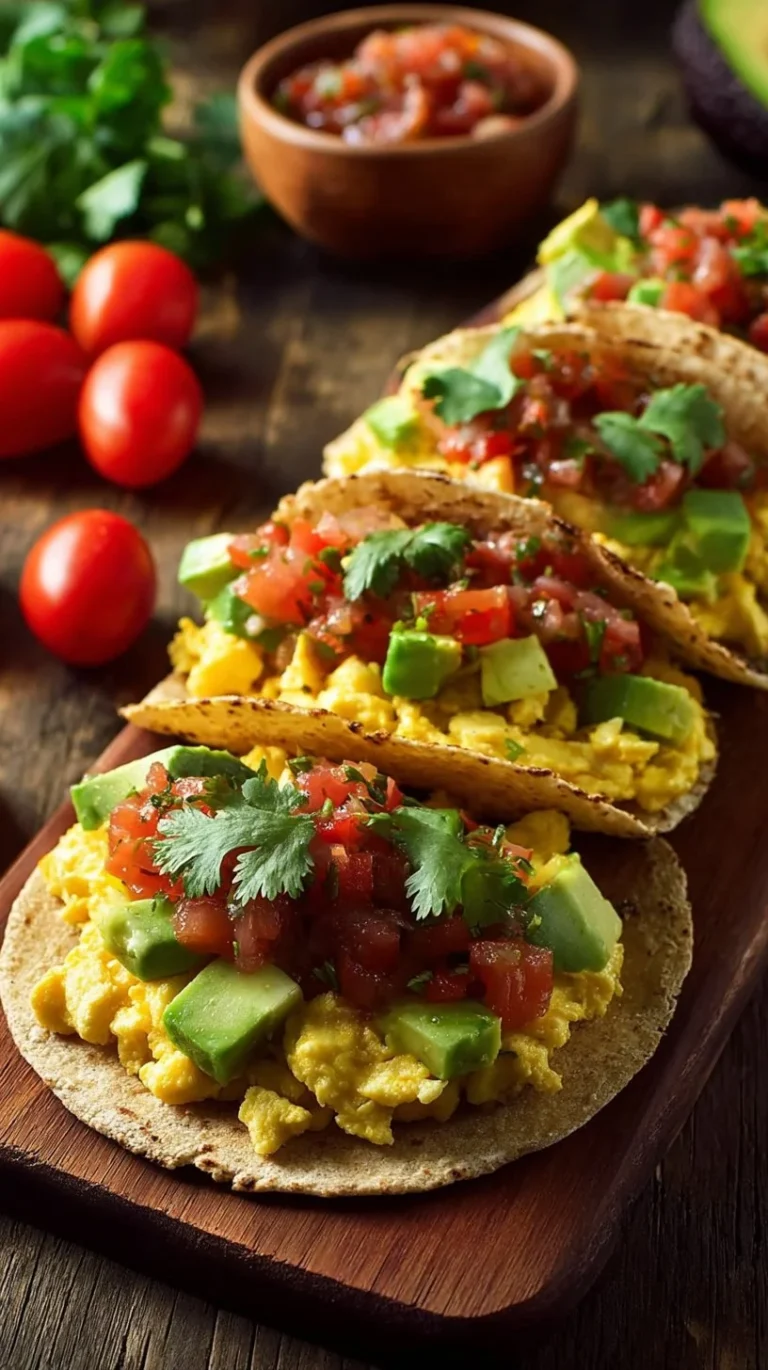
High-Protein Breakfast Wrap with Cottage Cheese and Avocado
This High-Protein Breakfast Wrap with Cottage Cheese and Avocado is constructed to deliver immediate satiety, dynamic texture contrast, and clean, bright flavors while remaining fast to assemble. The recipe places emphasis on protein density (cottage cheese and eggs) and high-fat creaminess (avocado) within a fiber-forward carrier (whole-wheat tortilla) so the mouthfeel is balanced and the wrap travels well. The combination of acid from lime and herbaceous cilantro calibrates the palate, lifting the natural milk sweetness of the cottage cheese and the richness of the avocado. For a reference on efficient, layered breakfast constructions that manage starch and protein in a compact format, consult the mac and cheese meatloaf casserole technique, which highlights analogous logic in arranging components for texture and thermal retention.
This article focuses on the culinary logic, precise technique, and timing decisions that transform these modest ingredients into a composed, reliable breakfast wrap. Each section dissects why specific steps exist, how to control texture and temperature, and what to adjust when scaling for meal prep or service.
The culinary logic behind this dish
At its core this wrap is an exercise in balancing moisture, structure, and temperature. Cottage cheese supplies curd-based protein with discrete curds that contribute a gentle grainy texture; scrambled eggs supply coagulated protein and structural cohesion; avocado contributes fat and a smooth mouth-coating finish; tomato injects juiciness and acidity; cilantro and lime provide volatile aromatic lift. The whole-wheat tortilla functions as the neutral matrix that contains these elements while adding chew and whole-grain flavor.
From a flavor-development standpoint, salt and acid are critical: salt amplifies both the dairy sweetness and the avocado’s nutty notes, while lime brightens the overall flavor and helps cut perceived fattiness. The optional final grilling step introduces Maillard color to the tortilla, producing savory toasty aromas and a slightly firmer exterior that contrasts with the soft interior. For parallel approaches in composed preparations that pair creamy components with structured carriers, see the method used in mini Easter cheesecakes, where stability and mouthfeel are likewise engineered.
How to make High-Protein Breakfast Wrap with Cottage Cheese and Avocado
Ingredients :
1 whole-wheat tortilla, 1/2 cup cottage cheese, 2 scrambled eggs, 1 ripe avocado, sliced, 1 small tomato, diced, 1/4 cup cilantro, chopped, 1 lime, juiced, Salt and pepper to taste
Directions :
- In a bowl, mix cottage cheese, scrambled eggs, diced tomato, and chopped cilantro., 2. Season with lime juice, salt, and pepper., 3. Place the mixture in the center of the whole-wheat tortilla., 4. Add slices of avocado on top., 5. Fold the sides of the tortilla over the filling and roll it up tightly., 6. Optionally, grill the wrap in a pan for 2-3 minutes on each side for a warm finish., 7. Cut in half and serve immediately or wrap it up for meal prep.
The printed Ingredients and Directions are intentionally concise. The following sections unpack each element and the reasoning behind the steps, with operational detail a professional kitchen would use to ensure consistent results.
Ingredient analysis through a chef’s lens
Cottage cheese: The curds in cottage cheese vary by fat content and curd size; choose small-curd cottage cheese for a more uniform texture that integrates easily with eggs. Its water content will affect the moisture of the filling—drain slightly if you prefer a firmer result for transport.
Scrambled eggs: Properly scrambled eggs are soft and tender; they act as both binder and warm textural contrast. Slightly undercook them if you plan to grill the wrap, as residual heat will continue to set them.
Whole-wheat tortilla: Provides a nutty backbone and greater tensile strength than white flour tortillas, which helps when rolling tightly and when grilling.
Avocado: The ripeness window is critical. A slightly underripe avocado will resist slicing cleanly and feel firmer on the palate; an overripe one will be excessively oily and may smear the tortilla, making it difficult to roll.
Tomato and cilantro: Tomato introduces juiciness and acidity; dice it finely to prevent large pockets of moisture. Cilantro contributes bright top notes; chop just before assembly to preserve its volatile aromatics.
Lime, salt, pepper: Acid and salt control perception of richness. Lime juice also provides a bit of enzymatic effect that can slow avocado browning for short periods.
Kitchen workflow & technique breakdown
Efficient mise en place is key: cook and cool the scrambled eggs slightly while you chop tomato and cilantro and slice avocado. Assemble on a flat work surface that allows you to center the filling and fold without tearing.
If preparing multiple wraps for service or meal prep, stagger tasks: cook eggs in batches and hold them at a warm but not steaming temperature; portion cottage cheese and tomato-cilantro mix into bowls for quick assembly; slice avocados at the last possible moment to maintain texture. For guidance on mise en place and timing principles used in composed preparations, review the scheduling techniques applied to desserts such as speculoos cheesecake with strawberries, where sequencing and holding temperatures are equally consequential.
When folding, tension matters: draw the nearest edge of the tortilla over the filling, compress gently to eject any large air pockets, fold the sides inward, then roll with steady pressure to form a tight cylinder. Tightly rolled wraps maintain structural integrity and prevent filling from shifting during grilling or transport.
Texture control, heat management & timing
Texture control is about relative moisture and thermal contrast. The cottage cheese and tomato introduce moisture; the scrambled eggs provide soft body; avocado gives creaminess. If the filling is too wet, the tortilla will become soggy. To manage that:
- Drain cottage cheese briefly in a fine mesh if needed.
- Remove excess tomato seeds and juice before dicing.
- Fold and roll immediately after seasoning so lime distributes evenly and prevents single pockets from becoming overly wet.
Heat management: if you choose to grill, medium heat is preferable. Too high and the tortilla will char before the interior has warmed; too low and the tortilla will soften without developing desirable toasty flavor. A dry pan or a lightly oiled nonstick skillet works—use 2–3 minutes per side to achieve light golden color and a brittle exterior that contrasts with the soft filling. If you prefer a crisp exterior without additional oil, press gently with a spatula to encourage even contact.
Timing for meal prep: when packing for later consumption, cool the scrambled eggs briefly to avoid steaming the tortilla. Pack avocado slices separately if you expect prolonged storage; add them at service to preserve color and texture.
Professional variations
Without changing the ingredient list, subtle technique shifts can alter the eating experience while keeping the recipe intact:
- Temperature contrast: assemble with eggs at room temperature and grill briefly to create a warm exterior but a creamy interior.
- Texture modulation: toss diced tomato with a teaspoon of drained cottage cheese before mixing to bind the tomato juices and reduce sogginess.
- Emulsification: fold the cheese and eggs more vigorously to marry the proteins and create a more homogeneous filling if a smoother mouthfeel is preferred.
These variations adjust texture and thermal profile but preserve the original ingredient composition.
Finishing touches & plating philosophy
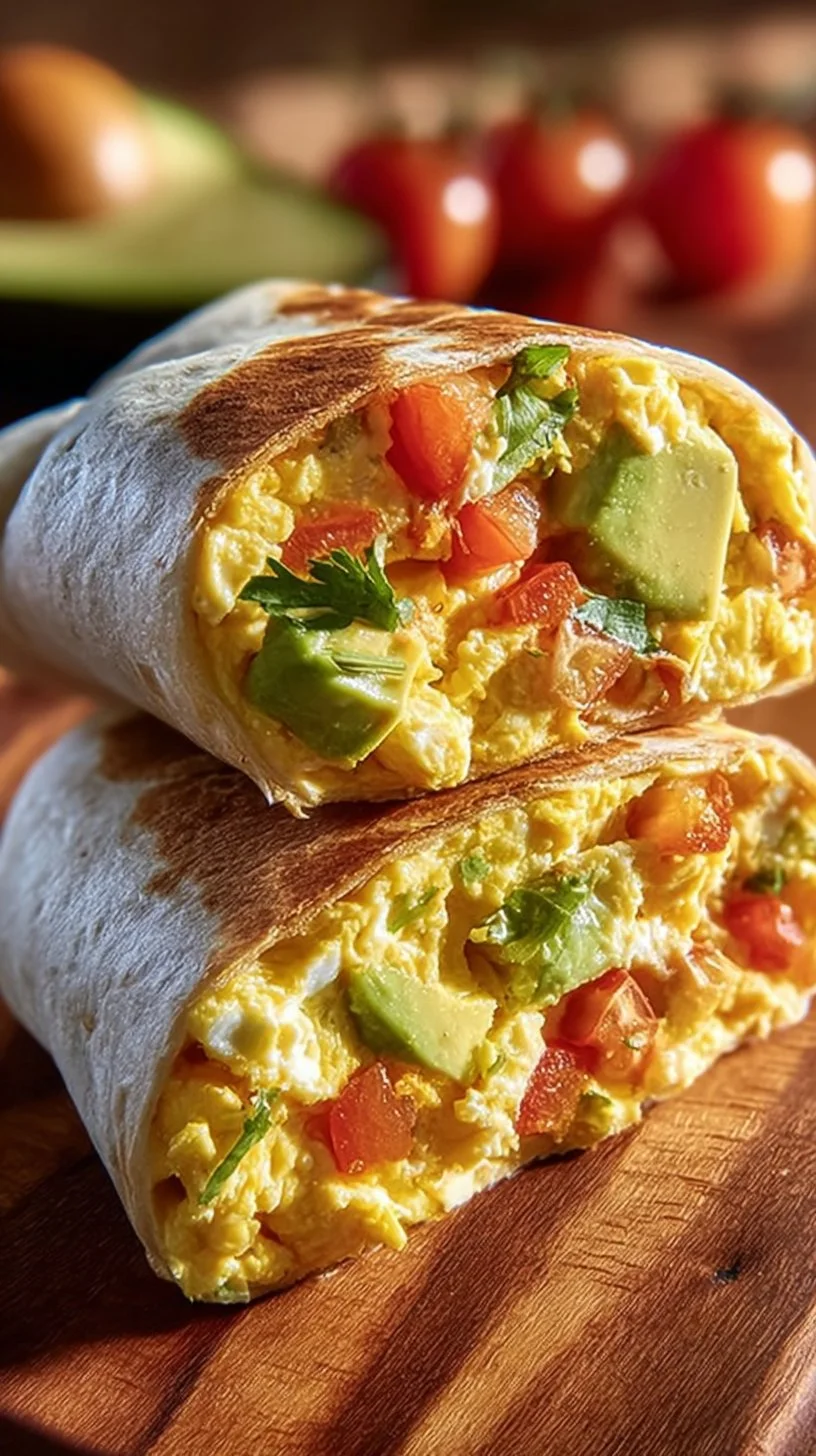
Finishing is functional and sensorial. A brief grill adds surface color and a crisp edge that frames the soft interior. When cutting, use a sharp, non-serrated knife to preserve the roll’s clean profile—sawing will displace filling and create an untidy presentation. Plate with the cut face up to display the interior strata: the white of cottage cheese and eggs, green avocado slices, and specks of tomato and cilantro. A light final squeeze of lime over the cut face can reintroduce volatile aromatics just before service.
Portion visually: for plated breakfast service, half the wrap on a warmed plate and present with the cut side facing the diner. For grab-and-go presentation, wrap tightly in parchment to preserve structure and color.
Maintaining quality after cooking
Storage and reheating decisions are about preserving texture and preventing separation. For short-term storage (same-day meal prep), assemble fully and wrap tightly in parchment followed by plastic wrap; refrigerate up to 24 hours. To prevent the tortilla from becoming sodden in transit, place a thin barrier (parchment folded) between the filling and tortilla if you need extended hold time.
Reheating: if chilled, reheat in a dry skillet over medium-low heat for 1–2 minutes per side, rotating to warm evenly and reestablish the toasted exterior. Avoid microwave reheating if maintaining texture is important; microwaves create steam that softens the tortilla and can make avocado overly creamy.
For longer storage, assemble all components except avocado, store separately, and combine at service. Avocado can be brushed with lime to delay browning, but it will still oxidize over extended hold times.
Questions from home cooks (chef answers)
Q: Will the tortilla tear when I roll it tightly?
A: Use a fresh, pliable whole-wheat tortilla and avoid overfilling. Warm the tortilla for 5–10 seconds in a dry skillet or microwave to increase elasticity before assembly.
Q: My avocado browns quickly—how can I prevent it?
A: Squeeze lime over the slices immediately after cutting and store them in contact with the filling or a damp paper towel to reduce air exposure. For meal prep beyond a few hours, add avocado at service.
Q: How wet is too wet for the filling?
A: If the filling sags when scooped, it’s too wet. Drain cottage cheese briefly, and remove tomato seeds/juice. The desired filling should be cohesive but not soupy.
Q: Can I substitute the tortilla?
A: The recipe specifies a whole-wheat tortilla; alternate carriers will change chew and thermal response. If using a gluten-free wrap, test folding and grilling behavior as tensile strength may differ.
Final chef notes
Precision matters in simple preparations. This wrap’s success hinges less on complex ingredients than on measured control of moisture, heat, and timing. Be deliberate with avocado ripeness, drain and proportion the cottage cheese as needed, and respect the brief grill to add aromatic development without overcooking the interior. When executing repeatedly, refine your personal rhythm: prep the filling first, reserve avocado for last, and rehearse the fold until you can create a seamless roll in under a minute. These small efficiencies produce consistent texture and flavor across multiple service scenarios.
Conclusion
For an alternate take on cottage cheese and avocado pairing with robust assembly technique, you can compare recipe notes at the Avocado Cottage Cheese Wrap which highlights similar ingredient interplay. If you are looking for a community-tested cottage cheese wrap with additional serving suggestions, see this adaptable cottage cheese wrap recipe for practical variations. To understand the viral appeal and variations people adopt for portability and texture, review the discussion at the Viral Cottage Cheese Wrap which surveys trending refinements and holding strategies.
High-Protein Breakfast Wrap
Ingredients
Method
- In a bowl, mix cottage cheese, scrambled eggs, diced tomato, and chopped cilantro.
- Season the mixture with lime juice, salt, and pepper.
- Place the mixture in the center of the whole-wheat tortilla.
- Add slices of avocado on top of the filling.
- Fold the sides of the tortilla over the filling and roll it up tightly.
- Optionally, grill the wrap in a pan for 2-3 minutes on each side for a warm finish.
- Cut in half and serve immediately or wrap it up for meal prep.