Everyday Cooking Inspiration: Cheesy Sausage and Egg Breakfast Sliders
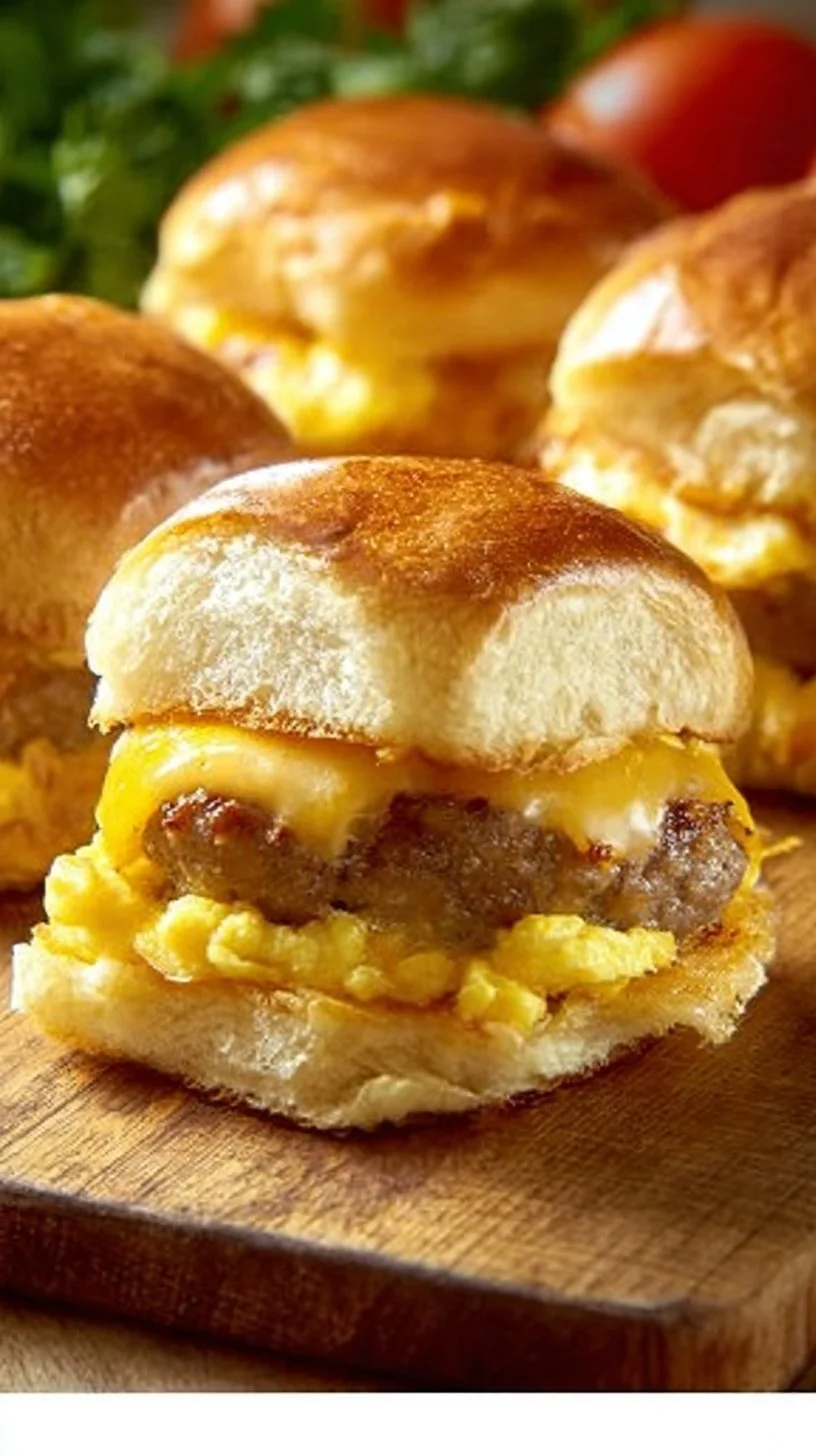
There are breakfasts that rush past you — a coffee gulped in a subway car, a granola bar eaten between meetings — and then there are breakfasts that pause time, inviting memory to unfurl like steam from a skillet. Cheesy Sausage and Egg Breakfast Sliders belong unmistakably to the latter category: modest in form yet abundant in warmth, they are the kind of morning comfort that reads like a short travelogue of a kitchen. I remember the first time I ate a version of these sliders on a damp, early-spring morning in a small Midwestern town: the air smelled of frying sausage and fresh bread, and the bright chatter of a diner crowd felt like an invocation, an everyday ritual that knits strangers into a temporary family. This article is an invitation to sit at that counter with me, to savor how a simple assembly of bread, egg, meat, and cheese can carry history, place, and belonging.
If you like to explore variations that stretch from casserole trays to hand-held bites, consider how recipes evolve; some readers find comfort in similar, heartily seasoned casseroles such as a comforting Whole30 sausage-and-egg casserole that simplifies morning ritual while honoring familiar flavors.
The origin story & regional influence behind this dish
Sliders themselves are a kind of culinary migrant. The word “slider” may recall a particular island of origins — small, savory sandwiches that rode the waves of American diner culture — but their essence is older and widely distributed: compact sandwiches meant for quick consumption and convivial sharing. The Cheesy Sausage and Egg Breakfast Slider, as we know it in many kitchens today, is a descendant of two traditions colliding: the European love of bread-and-cheese breakfasts and the American penchant for preserved and spiced pork. In the American Midwest and Northeast, where breakfast meats like breakfast sausage became household staples in the 19th and early 20th centuries, cooks began cradling eggs and meat between rolls for portability and economy.
Regional influences shape the slider in subtle ways. In New England, a slider might lean into sharper cheddar and molasses-rich brown bread. In the South, you’ll find sage-forward sausage and the faint sweetness of a buttermilk biscuit. In urban diners from Chicago to Philadelphia, the sliders become a quick counterpoint to the coffee: salty, cheesy, and designed to be eaten while standing or on the move. The slider’s smallness allows it to travel easily — from tailgates and potlucks to train platforms — and so it has become a portable hymn to American mornings.
How to make Everyday Cooking Inspiration: Cheesy Sausage and Egg Breakfast Sliders
There is a gentle choreography to assembling these sliders that feels less like cooking and more like arranging a small, savory altar to wakefulness. The trick is in balance: bread that gives without collapsing, sausage that offers savory ballast, egg that brings silk, and cheese that unites the textures into a single, delicious sentence. Below are the ingredients and directions as they come together in kitchens across neighborhoods and time zones.
Ingredients :
- 12 slider rolls or small dinner rolls
- 1 pound ground breakfast sausage (mild or spicy, according to taste)
- 8 large eggs
- 1/4 cup milk
- 2 cups shredded sharp cheddar cheese
- 2 tablespoons butter
- Salt and freshly ground black pepper, to taste
- Optional: chopped fresh chives or green onions for garnish
Directions :
- Preheat the oven to 350°F (175°C). Place the slider rolls in a baking dish, leaving them connected at the seams so they bake into one pull-apart loaf.
- In a skillet over medium heat, cook the breakfast sausage until browned and cooked through, breaking it into small pieces as it cooks. Drain any excess fat.
- In a bowl, whisk together the eggs, milk, salt, and pepper. Pour the mixture into a greased skillet and gently scramble until just set but still soft and moist. Remove from heat.
- Layer the bottom half of the slider rolls with half of the shredded cheddar. Spoon the cooked sausage evenly over the cheese, then add the scrambled eggs on top of the sausage. Sprinkle the remaining cheddar over the eggs and place the top halves of the rolls back on.
- Spread the butter over the tops of the rolls and cover the baking dish with aluminum foil. Bake for 15–20 minutes, until the cheese is melted and the rolls are warm through. Remove the foil for the last few minutes if you prefer a slightly crisp top.
- Let the sliders rest for a minute, then garnish with chives or green onions if using. Pull apart and serve warm.
Ingredients through a cultural & historical lens
When I list the ingredients — bread, pork, eggs, dairy — they read like a shorthand for agricultural histories. Bread, once a community endeavor in many places, traveled from hearth to bakery as urbanization changed how we source our staples. Sausage is a masterclass in preservation and spice: a way that kitchens turned a pig into sustenance that could survive seasons. Eggs are one of the oldest domestic luxuries — portable, protein-rich, and central to many cultures’ morning rituals. Cheese, too, carries terroir; the cheddar in your sliders will taste subtly different depending on the milk, the pasture, and the aging. Together, these ingredients map the movements of people and practice — British and continental milling techniques meeting indigenous and immigrant pig-curing practices in the New World, all stitched together in the morning circulations of family life.
In many parts of the United States, the presence of breakfast sausage reflects immigrant influences from Germany, the British Isles, and Eastern Europe, where seasoned pork became a morning staple. The slider form, meanwhile, is emblematic of American speed and communal sharing — bite-sized, shareable, designed for consumption in a social setting or for packing into lunches for a long day of work.
Cooking the dish: sensory notes & traditional techniques
The first scent to unfurl when these sliders are cooking is meat and butter meeting bread — a fragrance that feels like comfort incarnate. The sausage, when browned properly, gives off a caramelized, savory perfume that contrasts with the clean, eggy sweetness of scrambled eggs. The shredded cheddar melts into the nooks between bun and filling, creating little pockets of molten silk that pull threads as you tear a slider apart.
Traditional techniques that elevate these flavors are gentle and patient rather than experimental. Browning the sausage slowly allows Maillard reactions to develop — those browned, nutty notes that make the meat sing. Scrambling eggs until they are still slightly custardy preserves their tenderness; overcooking renders them dry and breaks the harmony. Buttering the tops of the rolls before baking is an old diner trick that encourages a golden, glistening crust without stealing the soft interior. These are humble choices, but they are rooted in a long tradition of making simple ingredients sing with restraint and respect.
How different regions prepare their version
Travel along American highways and you’ll see variations that feel both inevitable and intimate. In the Northeast, sliders might use dense, slightly sweet rolls and strong cheddar, leaning into the sturdiness of cold winters and hearty appetites. In the South, you’ll spot biscuit-based sliders with sage-seasoned sausage and perhaps a smear of pimento cheese. In Texas or other parts of the Southwest, ground sausage might be subtly spiced with cumin or chili, and a slice of pepper jack or a drizzle of hot sauce makes itself welcome.
Even within households, the slider morphs: some layers will add a hint of maple syrup or honey for those who like a sweet-and-salty contrast, while other cooks fold in diced peppers and onions for texture and color. For those seeking portable breakfast solutions for busy weekends and game days, imaginative cooks have turned slider components into roll-up formats; if you enjoy riffing on the form, check out playful adaptations like these sausage egg and cheese breakfast roll-ups that capture the same spirit in a different shape.
Traditional ways this dish is shared or served
Sliders are fundamentally social. They are the food of early mornings when families gather before scattering for the day; they are the easy, beloved offering at tailgates, church potlucks, and late-night study sessions. In community halls, a pan of sliders set on a long table becomes a communal act — guests reach in and pull apart a piece, and through that simple gesture a small fellowship is formed. In diners, a half-dozen sliders served on a plate are a personal ritual: a quick, complete meal that affirms routine.
The dish’s portability makes it a favorite for travel — tucked into picnic baskets, lunchboxes, and car snack-stashes. In some regional traditions, sliders are served with a communal pot of coffee and jarred pickles; in others, a sweet-spicy condiment is passed around, each person adding what they like. The beauty of this tradition is that it allows for improvisation without losing an essential intimacy: sliders are meant to be shared, broken, folded, and eaten with hands that have held other things that morning — newspapers, steering wheels, the hands of a partner.
Storing the dish without losing its cultural essence
Leftovers are not a failure of the meal but part of its continued life. To store these sliders while preserving their soulful charm, cool them slightly, wrap the whole baking dish tightly, and refrigerate for up to three days. When reheating, a gentle approach — covered in a warm oven rather than nuked quickly — helps the bread soften and the cheese remelt without turning the eggs rubbery. For travel or future mornings, freeze individual sliders wrapped in parchment and foil; warm them slowly in a low oven and finish under a broiler for a minute to reclaim that fresh-baked sheen.
Storing is also a cultural act: in many households, leftovers are repurposed with tenderness, sliced and slipped into a lunchbox with a note, or reheated for a child who wants the same comfort the next day. The memory of the original meal travels in that reheated bite, a small mnemonic slice of home.
Cultural questions people often ask
People ask: Are sliders a breakfast or a snack? The answer depends on geography and mood. In much of the United States, a slider can be both: a full breakfast when paired with fruit and coffee or a snack when grabbed between errands. Others ask how to make the sliders healthier without losing flavor. Small shifts — leaner sausage, whole-grain rolls, or adding sautéed greens — honor health priorities while keeping the heart of the dish intact.
A more curious question is whether sliders carry regional identity. They do, subtly: the choice of cheese, the seasoning of the sausage, the type of roll — these preferences form a culinary fingerprint. Yet sliders are also porous; their very portability has allowed them to be adopted, adapted, and made beloved across regions and communities.
Conclusion
As you fold a warm Cheesy Sausage and Egg Breakfast Slider into your hands — the top bun steaming, the cheese stretching like a small bridge between layers — you participate in a quiet global conversation about comfort, work, and ritual. These sliders are not just a recipe; they are a portable, edible anchor that tells stories of home kitchens, diner counters, and the communal table. For more ideas on preparing make-ahead and game-day versions that keep the spirit of these sliders alive in different settings, look to resources that expand on portability and crowd-friendly formats: the nourishing convenience of a Healthy Breakfast Sandwich – Make Ahead Freezer Friendly Option!, a classic family-style take with sausage and bacon in Sausage Egg Bacon Cheese Breakfast Sliders – Yummi Haus, a sweeter glazed variant found in Sausage Egg and Cheese Breakfast Sliders with Syrup Glaze, and the communal energy of a tailgate-ready pan in Gameday Breakfast Sliders – Mom Endeavors. Wherever you sit to eat one — at a park bench, in a sunlit kitchen, or beneath stadium lights — may the soft chew of the roll and the savory warmth of the filling remind you that even the smallest meals can carry vast stories.
Cheesy Sausage and Egg Breakfast Sliders
Ingredients
Method
- Preheat the oven to 350°F (175°C). Place the slider rolls in a baking dish, leaving them connected at the seams so they bake into one pull-apart loaf.
- In a skillet over medium heat, cook the breakfast sausage until browned and cooked through, breaking it into small pieces as it cooks. Drain any excess fat.
- In a bowl, whisk together the eggs, milk, salt, and pepper. Pour the mixture into a greased skillet and gently scramble until just set but still soft and moist. Remove from heat.
- Layer the bottom half of the slider rolls with half of the shredded cheddar. Spoon the cooked sausage evenly over the cheese, then add the scrambled eggs on top of the sausage. Sprinkle the remaining cheddar over the eggs and place the top halves of the rolls back on.
- Spread the butter over the tops of the rolls and cover the baking dish with aluminum foil. Bake for 15–20 minutes, until the cheese is melted and the rolls are warm through. Remove the foil for the last few minutes if you prefer a slightly crisp top.
- Let the sliders rest for a minute, then garnish with chives or green onions if using. Pull apart and serve warm.