Cheesy Muffin Tin Cottage Cheese Egg Bites

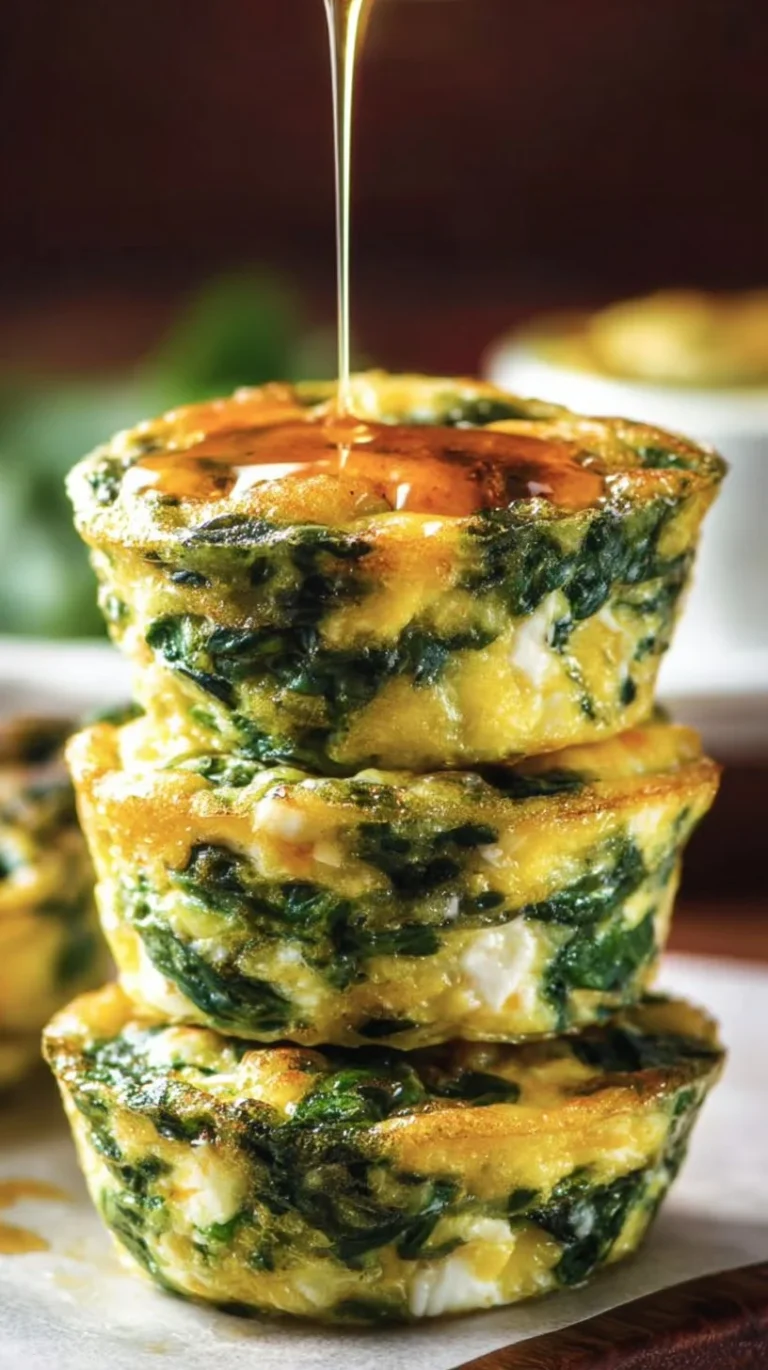
Cheesy Muffin Tin Cottage Cheese Egg Bites are a study in concentrated savory balance: egg structure, dairy richness, and modular portioning optimized for efficiency and repeatable results. The formula—eggs, cottage cheese, shredded cheese, diced vegetables, salt and pepper—reads compactly, but each component contributes a distinct functional role to texture, moisture balance, and flavor release during baking. When executed with attention to emulsion, heat transfer, and timing, these egg bites deliver a creamy interior with a lightly caramelized top and a clean, savory finish.
For a sense of how portion-scale bakes change presentation and technique, examine a tightly portioned dessert preparation like the mini Easter cheesecakes with chocolate eggs, which uses similar constraints on set, surface finish, and release from a tin. Understanding that parallel helps clarify why small-format egg preparations require precise control of filling volume, oven temperature, and resting time.
The culinary logic behind this dish
At its core this recipe harnesses two primary levers: protein coagulation and moisture control. Whole eggs coagulate into a network that traps water and fat, creating structure; cottage cheese introduces both liquid and curd, contributing localized pockets of dairy that soften the matrix and increase perceived creaminess without excessive fat. Shredded cheese melts and browns, producing Maillard-derived savory notes on the surface and adding fat that rounds flavor. Vegetables introduce aromatic compounds and textural contrast.
The oven temperature of 375°F (190°C) is a deliberate choice: hot enough to promote surface browning and evaporative concentration at the top, yet moderate enough to set the custard gradually and avoid rubbery overcoagulation. Filling each cup to about 3/4 ensures consistent heat penetration and leaves room for slight expansion; overfilling would prolong center setting and reduce surface color development, while underfilling produces dry edges.
Greasing the muffin tin is more than release convenience; it influences heat conduction at the interface between batter and metal, facilitating even browning and preventing adhesion that could tear the delicate set on unmolding.
How to make Cheesy Muffin Tin Cottage Cheese Egg Bites
This section restates the recipe steps so the technique discussion may reference them precisely.
Begin with mise en place: measure eggs, portion cottage cheese, shred your chosen cheese, and dice the vegetables to a uniform size so they heat and hydrate consistently. Preheat the oven to the prescribed 375°F (190°C) to guarantee the tin receives consistent thermal input upon entry. Whisking the eggs and cottage cheese together is both an emulsion step and a texture decision; incorporate enough to distribute curds without fully puréeing the cottage cheese unless you desire a smoother interior.
When the mixture is combined with shredded cheese and vegetables, ensure an even distribution so each bite has balanced flavor and texture. Fill the greased muffin tin cups to about 3/4 — this fills the thermal mass appropriately and leaves headroom for any expansion. Bake until the egg is set and the tops are golden; use a gentle jiggle and a thin-bladed knife test at the center for doneness. Allow the bites to cool briefly in the tin to finish carryover setting before removing to avoid structural collapse.
Ingredients :
6 large eggs, 1 cup cottage cheese, 1 cup shredded cheese (cheddar or your choice), 1/2 cup diced vegetables (spinach, bell peppers, onions, etc.), Salt and pepper to taste, Cooking spray or oil for greasing the muffin tin
Directions :
- Preheat oven to 375°F (190°C). Grease a muffin tin with cooking spray or oil.
- In a bowl, whisk together the eggs and cottage cheese until well combined.
- Add shredded cheese, diced vegetables, salt, and pepper; mix until everything is evenly distributed.
- Pour the mixture into the prepared muffin tin, filling each cup about 3/4 full.
- Bake for 20-25 minutes or until the egg is set and the tops are golden.
- Let cool slightly, then remove from the tin and serve warm or store for later.
Ingredient analysis through a chef’s lens
Eggs: Whole eggs supply structural proteins (ovalbumin, etc.) that denature and network at specific temperature ranges. Gentle, even heat yields a tender custard; rapid overheat tightens the protein network and creates a rubbery texture.
Cottage cheese: Its small curds are pockets of separated protein and whey. They do three things: add moisture, create micro-textural contrast, and reduce the perceived dryness of the egg matrix. The curds also interrupt the protein network in a controlled way, which is why you see a creamier bite compared to eggs alone.
Shredded cheese: When incorporated, shredded cheese contributes emulsified fat, flavor from milk solids undergoing Maillard reaction at the surface, and junction points that can help cohesion as it melts then re-solidifies. The size of the shred changes melt rate; finely shredded cheese integrates more uniformly.
Vegetables: Dice them uniformly to ensure predictable hydration during baking; vegetables with higher water content will release moisture, which must be accounted for in final texture. Consider pre-sweating particularly juicy vegetables if you want to avoid extra liquid in the matrix.
Salt and pepper: Salt plays a role beyond seasoning; it modulates protein interactions and can slightly lower coagulation temperature, subtly affecting texture. Pepper adds aromatic top notes—add thoughtfully relative to other flavor elements.
Cooking spray or oil: The thin fat layer ensures the bites release cleanly and also affects the initial heat transfer at the interface, promoting controlled browning.
Kitchen workflow & technique breakdown
A systematic workflow reduces variability. Sequence the tasks: preheat oven, prepare tin, measure and combine wet ingredients, fold in solids, fill cups, bake. Assemble tools ahead: whisk, measuring cups, bowl, muffin tin, and a small offset spatula for transferring batter.
Whisking technique matters. Use a brisk circular motion to emulsify but stop before over-aeration; too many air bubbles lead to a spongy crumb rather than a dense, creamy custard. If you prefer a uniform, more mousse-like interior, pass the egg-cottage cheese mix through a blender briefly; this homogenizes curds and creates a silkier mouthfeel. Note that blending changes texture predictably—less curd presence and more uniform set.
Greasing method: use a light spray or brush a film of oil. For easy release and clean edges, apply a thin coating rather than pooling fat in the cup; excess oil can fry the edges and impart an oily mouthfeel.
Filling strategy: use a small ladle or measuring cup to portion equal volumes, ensuring consistent bake times across the tin. For professional kitchens, a squeeze bottle or piping bag provides speed and precision.
For monitoring doneness, rely on visual and tactile cues rather than strictly the clock. The center should appear matte and only slightly jiggly; edges should be fully set and the top lightly gold. If a thin knife inserted near center comes out mostly clean, the bites are done.
A useful cross-reference for small-batch item workflow can be found in the Biscoff cheese cupcake workflow, which emphasizes portioned baking efficiencies and timing that apply directly here.
Texture control, heat management & timing
Texture is governed by three variables: composition (ratio of eggs to cottage cheese), heat profile (oven temperature and convection), and time. At 375°F (190°C), the goal is to set the egg matrix while producing some exterior color. If your oven runs hot, reduce temperature by 10–15°F and add a few minutes; conversely, a cooler oven requires more time and risks over-drying.
Carryover heat continues to set the interiors after removal from the oven. Allow a 5-minute rest in the tin; this finishing set prevents the structural collapse that occurs if you unmold while the proteins are still retracting.
If your preferred outcome is a silkier, denser crumb, blender-processing the eggs and cottage cheese reduces curd presence and yields a custard more akin to sous-vide egg bites. If you want pockets of dairy texture and visual interest, keep the cottage cheese intact and fold it in gently.
Timing: 20–25 minutes is a target window. Begin checking at 18 minutes if your oven is well-calibrated. The transition from custardy to overcooked can be abrupt, so err on the side of underdone by a minute or two, relying on residual setting during rest.
Professional variations
Maintaining the original recipe parameters, consider conceptual variations rather than altering measures. Change the cheese type to shift the flavor profile—aged cheddar for sharpness, Gruyère for a nutty note, or a blend for complexity. Vary vegetables for aromatics: sautéed shallots introduce sweetness; charred bell pepper lends smokiness; wilted spinach reduces water load versus raw.
Technique variations that do not alter ingredient quantities include pre-sweating vegetables to concentrate flavor and reduce moisture integration, or briefly broiling the tops at the end of baking to intensify color. Blending rather than whisking is a textural technique that preserves the formula while delivering a different mouthfeel.
When scaling to a commercial production environment, control batch consistency by standardizing portion volumes and using a test cup from each batch to confirm settings before the full bake is executed.
Finishing touches & plating philosophy
Finishing is restrained: a scatter of finely chopped fresh herbs adds brightness without competing with the egg’s richness—think chives or parsley. A light brush of melted butter on the top can enhance sheen and mouthfeel, while a delicate grind of fresh black pepper over the hot top releases volatile aromatics.
Plating philosophy for small-format bites emphasizes clarity: present in an orderly row or clustered trio on warmed plates to retain temperature. Complement with a small salad for contrast in acidity and crunch, or serve as part of a composed brunch plate where the egg bites act as the textural anchor.
Maintaining quality after cooking
Storage and reheating govern post-bake quality. Cool the bites to room temperature on a rack to prevent condensation, then refrigerate in an airtight container for up to 3–4 days. For longer holding, freeze on a tray before bagging to prevent sticking and retain shape. When reheating, use a moderate oven (325°F/160°C) or toaster oven to gently rewarm and re-crisp the top without overcooking the interior; microwave reheating is possible but will steam the bites and soften the exterior.
For a practical look at storing and reheating portioned items made in a muffin tin, review considerations similar to those used for other small-format confections such as the Easter egg Oreo cookie balls storage notes, which underscore the importance of cooling and packaging to preserve texture.
Questions from home cooks (chef answers)
Q: My egg bites were rubbery. What went wrong?
A: Most likely overcooking or too-high oven temperature. Reduce heat slightly, shorten bake time, and rely on the carryover setting during the 5-minute rest. Also avoid vigorous whisking that incorporates excess air.
Q: The centers are still wet while the edges are dry.
A: This indicates uneven heat or overfilling. Ensure cups are filled to 3/4 as specified and that the oven is fully preheated. Consider rotating the tin halfway through if your oven has hot spots.
Q: Can I blend the cottage cheese for a smoother texture?
A: Yes; blending will remove visible curds and yield a silkier custard. That is a technique choice rather than a recipe alteration—blend briefly to maintain creaminess.
Q: Should I sauté the vegetables first?
A: For high-moisture vegetables (mushrooms, tomatoes), a brief sauté concentrates flavor and reduces released water. For quick-cooking items like spinach, a light wilt suffices.
Final chef notes
Precision in simple recipes yields remarkable results. This formula is intentionally straightforward to highlight balance: eggs for structure, cottage cheese for creaminess, shredded cheese for flavor and browning, and vegetables for aromatic contrast. Maintain discipline with mise en place, portion control, and oven management. Small adjustments in technique—blending, pre-sweating vegetables, or modifying the greasing method—allow you to tailor texture and presentation without altering the fundamental recipe. When you approach these bites with controlled technique, the outcome is consistent: a tender interior, a savory concentrated top, and a clean release from the tin.
Conclusion
For additional interpretations and inspiration on cottage cheese egg bites, see Joyous Apron’s approach to texture and seasoning in their recipe for Cottage Cheese Egg Bites – Joyous Apron, which explores ingredient proportions and flavor combinations. Another practical take on the muffin-tin method with step-by-step photography is available at Easy Muffin Tin Cottage Cheese Egg Bites – Our Tasty Kitchen, useful for visual learners. For a minimalist, ingredient-focused technique emphasizing the role of cottage cheese in texture, consult the 3-Ingredient Egg Bites (with cottage cheese!) – Hummusapien write-up.
Cheesy Muffin Tin Cottage Cheese Egg Bites
Ingredients
Method
- Preheat oven to 375°F (190°C). Grease a muffin tin with cooking spray or oil.
- In a bowl, whisk together the eggs and cottage cheese until well combined.
- Add shredded cheese, diced vegetables, salt, and pepper; mix until everything is evenly distributed.
- Pour the mixture into the prepared muffin tin, filling each cup about 3/4 full.
- Bake for 20-25 minutes or until the egg is set and the tops are golden.
- Let cool slightly, then remove from the tin and serve warm or store for later.