Biscoff Cheese Cupcake
Introduction
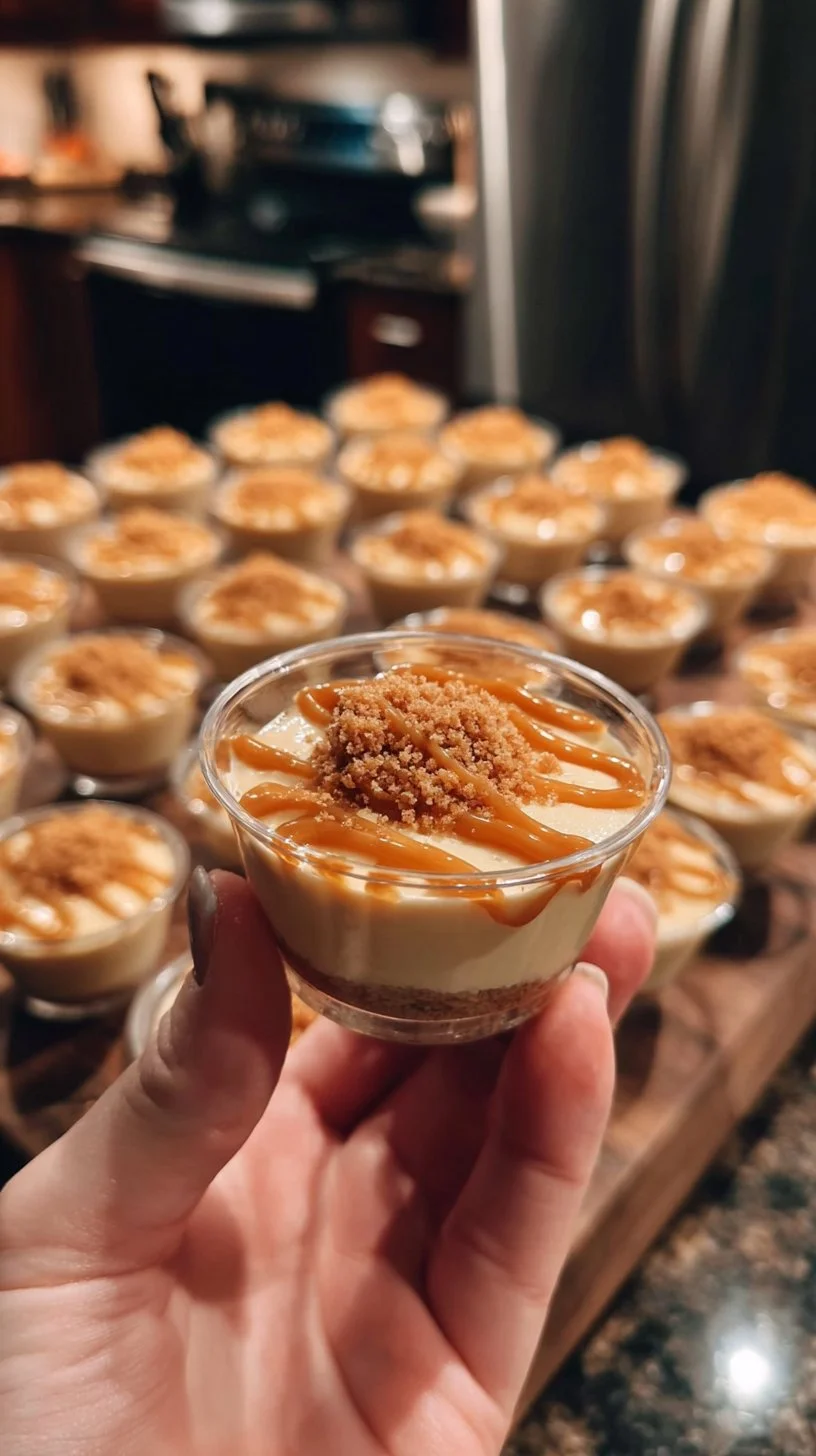
The Biscoff Cheese Cupcake is a compact study in contrast: spice-forward cookie crumbs meet a satiny, slightly tangy cheese filling. Its simplicity disguises a number of technical considerations—crust compaction, aeration in the cream component, chill time to set structure—that determine final texture and flavor clarity. For reference on portioned, no-bake formats that rely on layering and cold setting, consult complementary preparations such as portion-controlled cheesecakes with decorative elements, which illustrate the same principles of ratio and finish at a different flavor axis. The rehearsal of technique here is useful whether one is producing a dozen for service or a tray of individual desserts for a tasting menu. For larger-format implementations or cross-application inspiration, review the savory-sweet balance found in hybrid dishes like a composed comfort mashup at a layered comfort-food casserole; the logistical thinking around heat and bake times there can inform batch handling for small-format chilled desserts.
The culinary logic behind this dish
At its core, the Biscoff Cheese Cupcake is built around three functions: a crisp, spiced lipid matrix provided by the cookie crust; a stabilized emulsion-based cheese layer; and a fat-forward nut butter-style finish from the Biscoff spread. The cookie crumb supplies color, Maillard-complexity and aromatic cinnamon/biscuit notes; the butter binds that crumb into a cohesive texture and contributes richness and mouth-coating fat. The cream cheese filling is an emulsion of dairy fat, sugar, and air (if whipped properly) that must be balanced to set firmly without becoming grainy.
From a flavor-development perspective, the concentrated cookie crust amplifies the caramelized and spiced components so they cut through the relatively neutral dairy of the filling. Temperature and texture contrast—cool, dense filling against a brittle, warm-appearing crumb—enhances perceived sweetness and balances the spread’s intensity when used as a topping. The structure is entirely dependent on cold-set mechanics rather than gelatinization or baking of the filling, so precision in chilling time and mixing technique is the critical control point.
How to make Biscoff Cheese Cupcake
This section presents the recipe workflow in a way that highlights critical technique and timing without altering the recipe text provided below. Timing is primarily allocated to chilling and stage transitions: preparing the crust and allowing it to sit and consolidate before adding the filling, whipping cream to the correct peak, and an adequate set time to allow the cream cheese matrix to stabilize.
Ingredients :
1 cup crushed Biscoff cookies, 4 oz cream cheese, softened, 1/2 cup powdered sugar, 1/2 cup heavy cream, 1 tsp vanilla extract, Biscoff spread for topping
Directions :
- Preheat your oven to 350°F (175°C) and line a cupcake pan with liners., 2. In a bowl, combine crushed Biscoff cookies with melted butter and mix well., 3. Press the mixture firmly into the bottom of each cupcake liner to form a crust., 4. In another bowl, beat the softened cream cheese with powdered sugar until smooth., 5. In a separate bowl, whip the heavy cream until stiff peaks form and then gently fold it into the cream cheese mixture along with vanilla extract., 6. Spoon the cream cheese mixture over the cooled crusts in the cupcake liners., 7. Chill in the refrigerator for at least 2 hours until set., 8. Before serving, drizzle with Biscoff spread. Enjoy your Biscoff cheese cupcakes!
Ingredient analysis through a chef’s lens
Each ingredient plays a specific structural and sensory role. Crushed Biscoff cookies supply solids, aromatics, and sweetness with an assertive spiced profile; crushed texture must be consistent—fines and small granules compact differently than large shards. Cream cheese is both a flavor anchor and structural protein/fat network; its hydration level and temperature determine how smoothly it incorporates sugar and air. Powdered sugar functions as sweetener and stabilizer; its cornstarch content can help prevent weeping in the set filling.
Heavy cream is the aerator and lightener; whipped to stiff peaks it provides volume and a fine, glossy texture when folded into the cream cheese. Vanilla extract is a bridging aromatizer, lifting perceived sweetness and rounding the filling. Biscoff spread on top is primarily a finishing flavor and mouth-coating fat; its viscosity and oil separation characteristics will influence final appearance—warm slightly before drizzling for a glossy ribbon rather than blobs.
Kitchen workflow & technique breakdown
A linear, brigade-style workflow minimizes temperature drift and preserves texture. Begin by lining and preparing the pan so the crust phase transitions immediately to the filling phase. Melt butter to just molten and cool briefly; excessively hot butter will overly saturate the crumbs and create an oily mouthfeel, while too-cool butter resists binding.
Pressing technique matters: use a small measuring cup or the back of a spoon to compress the crumb into a uniform layer. Uniform compaction ensures even bite and predictable moisture migration from the filling. The instruction to preheat an oven is included in the original recipe; while the crust can be cold-set or briefly baked to firm and develop additional toasty notes, follow the recipe as given—preheating signals standard workflow though this particular crust may not require a full bake if melted butter sufficiently binds the crumbs.
Parallelize the dairy steps: while crusts rest, bring cream cheese to a consistent, soft-but-not-warm temperature for smooth beating. Powdered sugar should be sifted if any lumps are present; beating at medium speed produces a satin emulsion without overheating. Whip the heavy cream in a clean, chilled bowl for reliability—glass or metal is preferred for cold retention; over-whipping risks grainy curds whereas under-whipping will yield a runny set.
For workflow continuity and batch consistency, portion the crust by weight into liners using a portion scoop; this reduces variation and speeds production. For service or scaling, keep a cooled holding area where set cupcakes can mature for an additional hour to tighten texture.
In considering plating and influence from other small cheesecake executions, review technique notes on miniature no-bake cheesecakes which emphasize chilling and ribboned toppings, such as the method used in small-format cheesecakes with decorative finishes, useful for timing and mise en place in a service context.
Texture control, heat management & timing
Temperature is the primary control for texture here. Cream cheese should be softened to allow emulsion without heating; a 30–60 second beat at medium speed is usually sufficient for 4 oz at room temperature. Whipping heavy cream to stiff peaks requires monitoring—stop at the first sign of glossy, defined peaks to avoid overrun collapse. Folding must be gentle; use a figure-eight motion to maintain air structure yet prevent streaks.
Chill time of “at least 2 hours” is the minimum for this recipe because the filling relies on cold-set stabilization rather than coagulation by heat. Two hours will allow the fat to firm and the air pockets to coalesce into a stable mousse-like network; for a firmer mouthfeel, extend to 4 hours. If pressed for service and immediate consumption is required, place cupcakes in the coldest section of the refrigerator and consider a brief 20–30 minute blast in a blast chiller if available.
Heat management also applies to the Biscoff spread: warm it gently in a bain-marie or microwave in short bursts to reduce viscosity for drizzling. Avoid overheating that will separate oil and sugar, resulting in an oily sheen and loss of spread integrity.
Professional variations
Retain the core ratios but vary texture and aromatics for different service contexts. For a more biscuit-forward experience, bake the crust for 6–8 minutes at 350°F to intensify toast and crispness—cool completely before filling. To increase acidity and contrast, incorporate a small amount (1–2 tsp) of lemon juice into the cream cheese mixture; acidity will tighten the dairy matrix and lift richness.
For plated service, pipe the filling with a wide round tip for clean presentation rather than spooning. Garnish variations include a tempered chocolate shard to offset spice, or a macerated berry compote spooned alongside to introduce acidic brightness. For a gluten-free option, substitute gluten-free speculoos-style crumbs while maintaining the fat ratio to preserve compaction.
Finishing touches & plating philosophy
Final appearance should communicate texture: a glossy, set surface with a deliberate drizzle pattern. Warm Biscoff spread until pourable and apply with a small spoon or squeeze bottle for controlled ribbons. Consider contrast in temperature or texture—serve on a chilled plate to maintain the set, or add a hot component (espresso shot) to create a deliberate temperature contrast when presented to the guest.
Plating scale matters: individual cupcake liners are informal; for elevated service, un-mold the set filling from the liner and present on a plate with a smear of Biscoff spread, a sprinkling of toasted crumbs for crunch, and a micro-herb or dehydrated citrus slice as a controlled aromatic.
Maintaining quality after cooking
Because this dessert is cold-set, hold temperature is critical. Store cupcakes in a covered container at 34–39°F (1–4°C) to prevent drying and to control oil migration from the spread. Avoid freezer storage unless you plan to thaw slowly—freeze-thaw cycles disrupt cream structure and can cause weeping.
Day-of production: assemble crusts and fillings separately; fill and chill within one hour of combining components to minimize moisture migration. If transporting, use a rigid container and gel packs to maintain temperature, and secure items to prevent topping displacement.
For short-term shelf life, the presence of powdered sugar and stable cream cheese provides protection against microbial growth, but do not exceed 48–72 hours of refrigerated storage for optimal quality. Beyond that, texture degradation accelerates and flavor becomes flat.
Questions from home cooks (chef answers)
Q: Can I skip chilling time and serve immediately?
A: No. The filling requires chilling to firm and stabilize the emulsified fats and air. Immediate service will yield a soft, unstable texture that collapses on plating.
Q: My filling split and looks curdled—why?
A: Overbeating or combining ingredients at incorrect temperatures can cause fat separation. Ensure cream cheese is softened but cool, whip cream to correct peaks, and fold gently. Rapid temperature shifts (too-warm butter in crumbs, warm mixing bowls) also destabilize emulsions.
Q: How do I keep the Biscoff spread from seizing when I warm it?
A: Warm slowly and avoid direct high heat. Use a double boiler or microwave at 10–15 second intervals, stirring between bursts. Add a few drops of neutral oil only if necessary to adjust viscosity, but accept that thinness reduces glossy texture.
Q: Can I pipe the filling?
A: Yes. For clean, consistent cups, pass the filling through a spatula into a piping bag with a wide tip. This reduces air pockets and gives a professional finish.
Final chef notes
Precision is the distinguishing factor between a competent home rendition and a professional result. Pay attention to component temperatures, homogeneity of crumb size, and gentle incorporation of aeration. The dessert’s success depends on managing subtle interactions: moisture migration, emulsion stability, and the rheology of the spread when finishing. Practice assembly as a sequence—crust, filling, chill, finish—and you will achieve consistently refined texture and flavor.
Conclusion
For additional technique references and small-format inspiration, consult this focused guide on mini Biscoff cheesecakes which highlights crust-to-filling ratio and finishing technique: Mini Biscoff Cheesecakes – A Baking Journey. For no-bake approaches that mirror the cold-set logic used here, see this practical recipe that emphasizes chilling and textural control: No Bake Mini Biscoff Cheesecakes – Kroll’s Korner. For further variations and plating inspiration with small-format Biscoff desserts, review this resource on portioned cheesecakes and finishing techniques: Mini Biscoff Cheesecakes – – Sweet Kitchen Cravings.
Biscoff Cheese Cupcake
Ingredients
Method
- Preheat your oven to 350°F (175°C) and line a cupcake pan with liners.
- In a bowl, combine crushed Biscoff cookies with melted butter and mix well.
- Press the mixture firmly into the bottom of each cupcake liner to form a crust.
- In another bowl, beat the softened cream cheese with powdered sugar until smooth.
- In a separate bowl, whip the heavy cream until stiff peaks form.
- Gently fold the whipped cream into the cream cheese mixture along with the vanilla extract.
- Spoon the cream cheese mixture over the cooled crusts in the cupcake liners.
- Chill in the refrigerator for at least 2 hours until set.
- Before serving, drizzle with Biscoff spread.
- Enjoy your Biscoff cheese cupcakes!