Coconut Dome with Chocolate Spread
Introduction
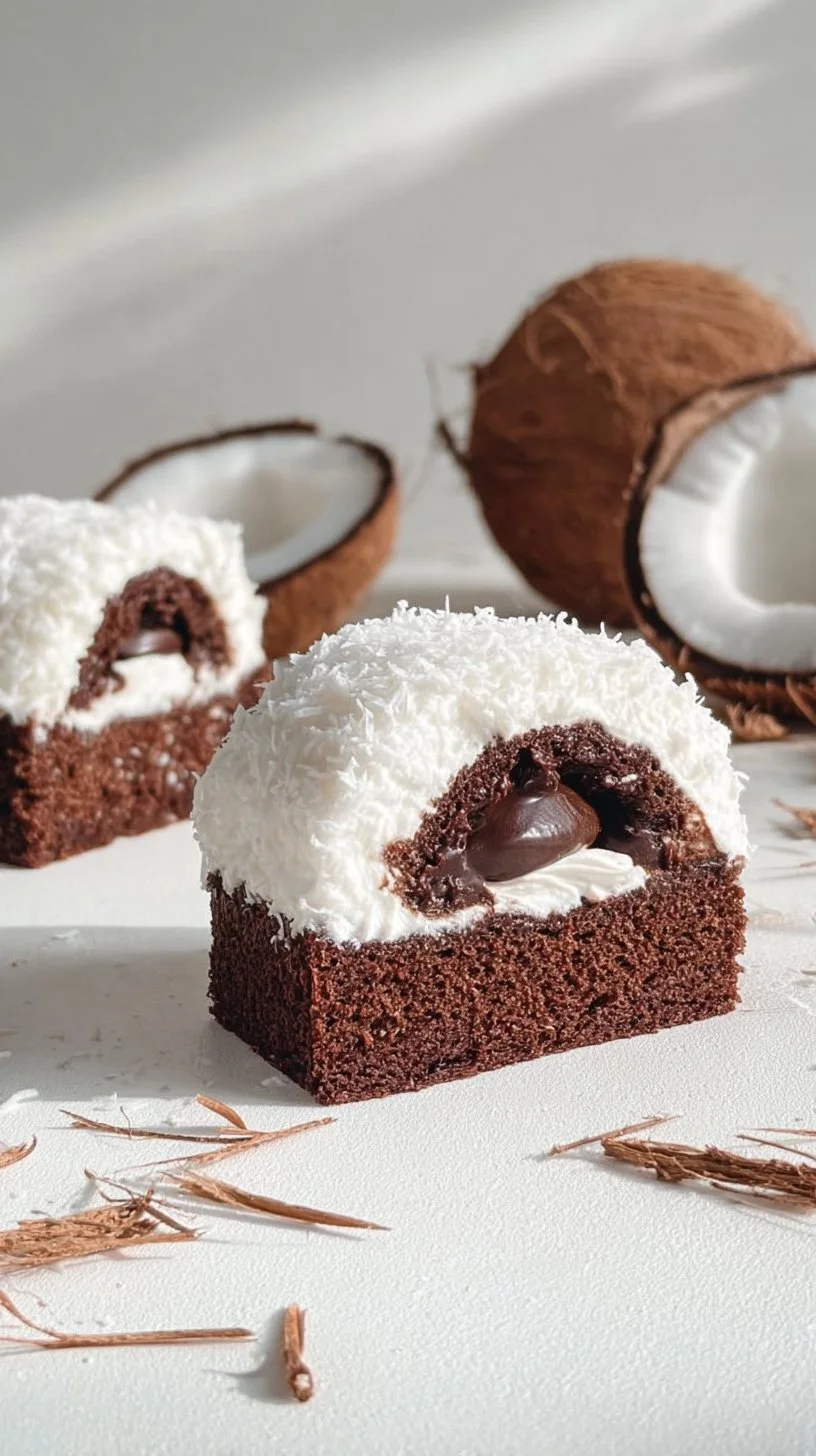
As a nutrition specialist I see desserts through two lenses: culinary pleasure and nutritional contribution. The Coconut Dome with Chocolate Spread is a thoughtful example of a dessert that balances rich textures — a light, airy coconut mousse inside a crisp cocoa shortbread, finished with a gooey chocolate center — while still offering opportunities to support digestion, satiety, and long-term wellness when enjoyed mindfully. If you enjoy desserts that combine a creamy interior with a baked base, the technique used here is similar in intent to the way some recipes build contrast and portion control, as seen in mini Easter cheesecakes with chocolate eggs, where a small but satisfying treat is prioritized over large servings.
I’ll walk through how this recipe fits into a balanced approach to food, describe the nutritional roles of key ingredients in simple terms, explain how the preparation method affects digestion and health, and offer practical ways to make the dish lighter or richer depending on your goals. I’ll also include pairing ideas, safe storage guidance, and answers to common nutrition questions people ask about coconut- and chocolate-forward desserts.
How this recipe supports overall wellness
On its face this is a dessert — meant to be enjoyed as part of a varied eating pattern. The Coconut Dome with Chocolate Spread supports wellness when used to satisfy sweet cravings in a controlled, pleasurable way. Its structure — a defined portion (a hemisphere dome atop a shortbread) — helps with portion awareness, which is a practical strategy for maintaining energy balance without feeling deprived. The mousse offers a creamy mouthfeel that can satisfy the desire for richness with a relatively small volume, and the shortbread provides a crunchy counterpoint that encourages slower, mindful eating.
From a nutrient perspective, this dessert delivers fats (from heavy cream, mascarpone, butter, and coconut), some protein from egg yolks, and carbohydrates from powdered sugar and flour. These macronutrients together slow gastric emptying compared with sugar alone, which can make the dessert feel more satisfying and reduce the likelihood of immediate rebound hunger. If you often find sweets leave you unsatisfied, pairing a decadent treat with a source of fiber or a small protein-rich snack can improve satiety; read more about balancing desserts with simple strategies in other chocolate-forward recipes that use portioning and textural contrast wisely.
How to make Coconut Dome with Chocolate Spread
This section outlines the stepwise approach found in the recipe so you can plan ahead and understand how timing and order influence texture and safety. The recipe recommends making the coconut mousse at least six hours (or the day before). This resting time is important because gelatin needs time to set and flavors benefit from melding. Freezing the domes in the molds ensures clean shapes and a stable mousse interior that can be released and handled without collapsing.
When assembling, adding a teaspoon of the spread halfway through filling creates a concentrated flavor center — the gooey core — which contrasts with the light mousse. The shortbreads are rolled to about an inch in height and cut into circles so the domes sit securely. Baking the shortbreads briefly creates a crisp base that will not become soggy immediately when the mousse thaws at room temperature. For those interested in similar presentations where chilled centers meet crisp shells, look at creative filling techniques used in small-format pastries such as chocolate-covered cherry magic bars, which also balance textures.
Ingredients :
Coconut Mousse:, , 2 gelatin sheets (4g), 200ml heavy cream, 80g mascarpone, 80g powdered sugar, 120ml coconut milk, , Cocoa Breton Shortbread:, 120g powdered sugar, 140g softened butter, 160g all-purpose flour, 25g unsweetened cocoa powder, A pinch of sea salt (essential detail ;)), 1/2 sachet baking powder, 3 egg yolks, , Also:, Grated coconut, Gooey Cocoa Spread
This ingredient list remains unchanged from the recipe. A couple of practical notes for shopping and handling: choose full-fat dairy ingredients as specified for texture and stability — mascarpone and heavy cream both contribute emulsification and body, helping the mousse hold shape. Look for unsweetened cocoa powder to control bitterness and avoid added sugar. Keep the gelatin and coconut milk portions accurate to ensure the mousse sets properly. If you prefer slightly less sweetness, note that powdered sugar is integrated into both mousse and shortbread; adjustments are possible but are discussed later under modification ideas. For ideas on presenting small, indulgent chocolate treats alongside other confections, consider the approach used in chocolate-covered strawberry brownies where a strong flavor pairing carries a smaller portion.
Directions :
“The day before or at least 6 hours in advance, start by making the coconut mousse:
Whip the heavy cream with mascarpone in a very cold bowl, adding the powdered sugar gradually.
Chill in the refrigerator while you prepare the rest.
Soak the gelatin sheets in a large bowl of cold water.
Heat the coconut milk in a saucepan, and when itu2019s warm, remove from heat and add the squeezed gelatin.
Let it cool a bit, then gently fold it into the previously made whipped cream using a spatula.
Pour the mousse into hemisphere molds, adding a teaspoon of spread halfway, cover it, then smooth it with a spatula.
Place it in the freezer for at least 6 hours.
Make the Breton shortbreads:
Mix all the ingredients until you get a dough.
Let it rest in the refrigerator for 30 minutes.
On a floured surface, roll out the dough to about an inch in height.
Cut out circles, then bake for 10 minutes at 180 degrees. Use rings to maintain a round shape (grease and flour them, or use tartlet molds).
Let them cool completely.
Remove the domes from the molds and place them on the cocoa shortbreads.
Let them thaw for 2 hours at room temperature, then sprinkle grated coconut over the entire dome.
Tip: If you want the spread to be gooey, enjoy it at room temperature. Bon appu00e9tit!”
These directions are precise and are given exactly as in the recipe. From a nutrition standpoint, following them as written preserves intended textures and portion size, and the timing recommendations help ensure food safety (especially when using gelatin and dairy).
Nutrient roles of each main ingredient
- Gelatin: provides structure without adding digestible carbohydrate or fat. Gelatin is a protein-derived ingredient that helps the mousse set; while not a significant source of essential amino acids relative to total daily needs, it contributes to texture and satiety.
- Heavy cream and mascarpone: deliver fat-soluble flavor, slow digestion relative to pure sugar, and help the mousse feel creamy and satisfying. These fats provide calories but also delay gastric emptying so the dessert is more satisfying per bite.
- Powdered sugar: adds sweetness and bulk. Powdered sugar dissolves smoothly into whipped mixtures, producing an even sweetness. Because it’s a simple carbohydrate, portion size matters for blood-sugar management.
- Coconut milk and grated coconut: offer medium-chain triglycerides and a coconut flavor profile; they also add aromatics and lipids that integrate with dairy to create a well-rounded mouthfeel.
- Butter and flour (shortbread): butter contributes more saturated fat and flavor; flour provides structure in the shortbread and contributes the carbohydrate base that crisps when baked.
- Cocoa powder: brings flavor and polyphenols. Unsweetened cocoa can add antioxidant polyphenols without extra sugar.
- Egg yolks: provide emulsifiers (lecithin), richness, and small amounts of vitamins and minerals that support overall nutritional variety.
- Sea salt: a small amount enhances flavor and helps balance sweetness; an essential detail for taste perception.
In simple terms: the fats and proteins in the recipe create satiety and slow digestion, while the carbohydrates provide quick energy and sweetness — together they make a dessert that is both enjoyable and reasonably filling when eaten in sensible portions.
The preparation method & its health impact
Whipping cream and folding in gelatin-based coconut milk create a mousse that traps air, increasing volume without adding excess calories — this is a practical way to create a satisfying portion. Cooling and freezing steps are important for structural reasons but also influence the eating experience: frozen domes thawed to room temperature deliver a pleasant contrast of textures and a concentrated flavor in the gooey center.
Baking the shortbread briefly at 180°C (356°F) ensures it is cooked but not overly browned; overbaking creates harder textures that can be less pleasant to chew and may form more advanced glycation end products (AGEs) on the surface — minor for an occasional dessert but worth avoiding routinely. Using unsweetened cocoa and controlling powdered sugar quantity gives you the ability to manage sweetness and antioxidant content.
From a safety perspective, follow the chilling and freezing times indicated and ensure the shortbreads cool completely before assembly. The mousse contains dairy and gelatin, so following recommended refrigeration and thawing steps reduces microbial risk.
Ways to lighten, enrich or modify the dish nutritionally
If you want to adjust the nutritional profile without altering the recipe’s character, consider these evidence-based options that maintain texture and flavor intent:
- Lighten: Serve smaller domes to reduce calorie load per serving while maintaining satisfaction. Use a smaller mold or portion the mousse into smaller hemispheres. Alternatively, reduce powdered sugar slightly in the mousse (for example, 10–20% less) and rely on the natural sweetness of the cocoa spread for the center.
- Enrich protein: Offer the dessert alongside a small serving of Greek yogurt or a small handful of toasted nuts to add protein and fiber that support fullness. This doesn’t change the recipe but alters the overall meal balance.
- Increase fiber: Pair the domes with a fresh fruit compote (berries) on the side to add fiber and antioxidants, which slow glucose absorption and improve nutrient density.
- Health-forward substitutions to explore cautiously (note: do not change the recipe itself): if you frequently prepare similar desserts, consider using part-whole-grain pastry flour or incorporating a small proportion of almond flour in other recipes to raise unsaturated fat and fiber content. For inspiration on pairing chocolate desserts with fruit-forward options, see creative formats like other chocolate-based squares.
Remember: adjustments should preserve the texture balance. If you reduce fats dramatically, the mousse may not set or may lose the lightness that defines the dish.
Pairing ideas for a balanced, complete meal
Think of the Coconut Dome as the finish to a light, balanced meal. Because it is rich, aim for a main course that emphasizes vegetables, lean proteins, and whole grains:
- Start with a leafy green salad dressed in olive oil and citrus to provide fiber and palate-cleansing acidity.
- Main protein options: a grilled fish fillet or a plant-based lentil dish — both provide amino acids to complement dessert fats and modest carbohydrates for energy.
- Add a small serving of whole grains or roasted sweet potato for complex carbohydrates and fiber.
When serving the dessert, include a small portion of fresh berries or a few walnut halves to add antioxidants and polyunsaturated fats. This combination supports steady energy and helps you savor the dessert as part of an intentional meal.
Safe storage, food safety & optimal reheating
Storage: Keep assembled domes frozen in airtight containers if you plan to store beyond a day — the mousse is stable when frozen thanks to gelatin. For short-term storage, store in the refrigerator and consume within 48 hours. The shortbreads are best stored separately at room temperature in an airtight container to preserve crispness and then assembled when ready to serve.
Food safety: Because the mousse relies on dairy and gelatin, ensure all utensils and bowls are clean, and work with chilled ingredients to reduce bacterial risk. Do not leave the domes at room temperature for extended periods (>2 hours) before serving. Thawing instructions in the recipe (let thaw 2 hours at room temperature) are safe for immediate serving; longer exposure at room temperature increases food safety risk.
Reheating: This dessert is not meant to be reheated. If you prefer the gooey spread to be warmer, allow the dome to sit at room temperature briefly or warm a small amount of the spread separately and drizzle it over the dome just before serving.
Common nutrition questions about this dish
- Will eating this dessert ruin a healthy diet? No. One dessert does not define your diet. Enjoying a moderate portion as part of a balanced pattern is compatible with long-term wellness.
- Is the coconut milk harmful or beneficial? Coconut milk provides fats that are different from other vegetable oils; in moderate amounts it contributes flavor and satiety. As with all saturated fats, aim for variety in fat sources across your overall diet.
- Is the sugar content a problem? Powdered sugar contributes the primary sweetness. If you are managing blood sugar, reduce portion size and pair the dessert with protein or fiber to moderate post-meal glucose response.
- Can children eat this? With supervision and appropriate portion sizes, yes. Be mindful of choking hazards with grated coconut on top and ensure ingredients match any allergy concerns.
Final wellness notes
Desserts like Coconut Dome with Chocolate Spread can be a positive part of a healthful lifestyle when approached with mindfulness and balanced meal planning. The key practical takeaways are: control portion size, pair the dessert with fiber or protein when needed, and follow the recipe’s timing for food safety and optimal texture. Enjoyment is part of nutrition; savoring the dessert slowly will help you get more satisfaction from less, supporting both digestive comfort and long-term food relationship goals. When you prepare this dome, think of it as an intentional, occasional indulgence that also offers opportunities for creativity in presentation and pairing.
Conclusion
If you want to compare the original recipe details and presentation, see the original Coconut Dome with Chocolate Spread – Maria’s Kitchen for the creator’s notes. For variations that explore tropical glazes or fruit accents, the Mango Glazed Coconut Dome Cakes – Ray’s Recipes show how fruit can be incorporated without overwhelming the coconut profile. For inspiration on bold chocolate pairings with root vegetables, the creative Monster Cake: Chocolate Beet Coconut Cake – Simmering Starfruit offers inventive ideas that can spark tweaks to how you serve and enjoy coconut-chocolate desserts.
Coconut Dome with Chocolate Spread
Ingredients
Method
- Whip the heavy cream with mascarpone in a very cold bowl, adding the powdered sugar gradually.
- Chill in the refrigerator while you prepare the rest.
- Soak the gelatin sheets in a large bowl of cold water.
- Heat the coconut milk in a saucepan, and when it's warm, remove from heat and add the squeezed gelatin.
- Let it cool a bit, then gently fold it into the previously made whipped cream using a spatula.
- Pour the mousse into hemisphere molds, adding a teaspoon of spread halfway, cover it, then smooth it with a spatula.
- Place it in the freezer for at least 6 hours.
- Mix all the ingredients until you get a dough.
- Let it rest in the refrigerator for 30 minutes.
- On a floured surface, roll out the dough to about an inch in height.
- Cut out circles, then bake for 10 minutes at 180 degrees Celsius.
- Let them cool completely.
- Remove the domes from the molds and place them on the cocoa shortbreads.
- Let them thaw for 2 hours at room temperature, then sprinkle grated coconut over the entire dome.