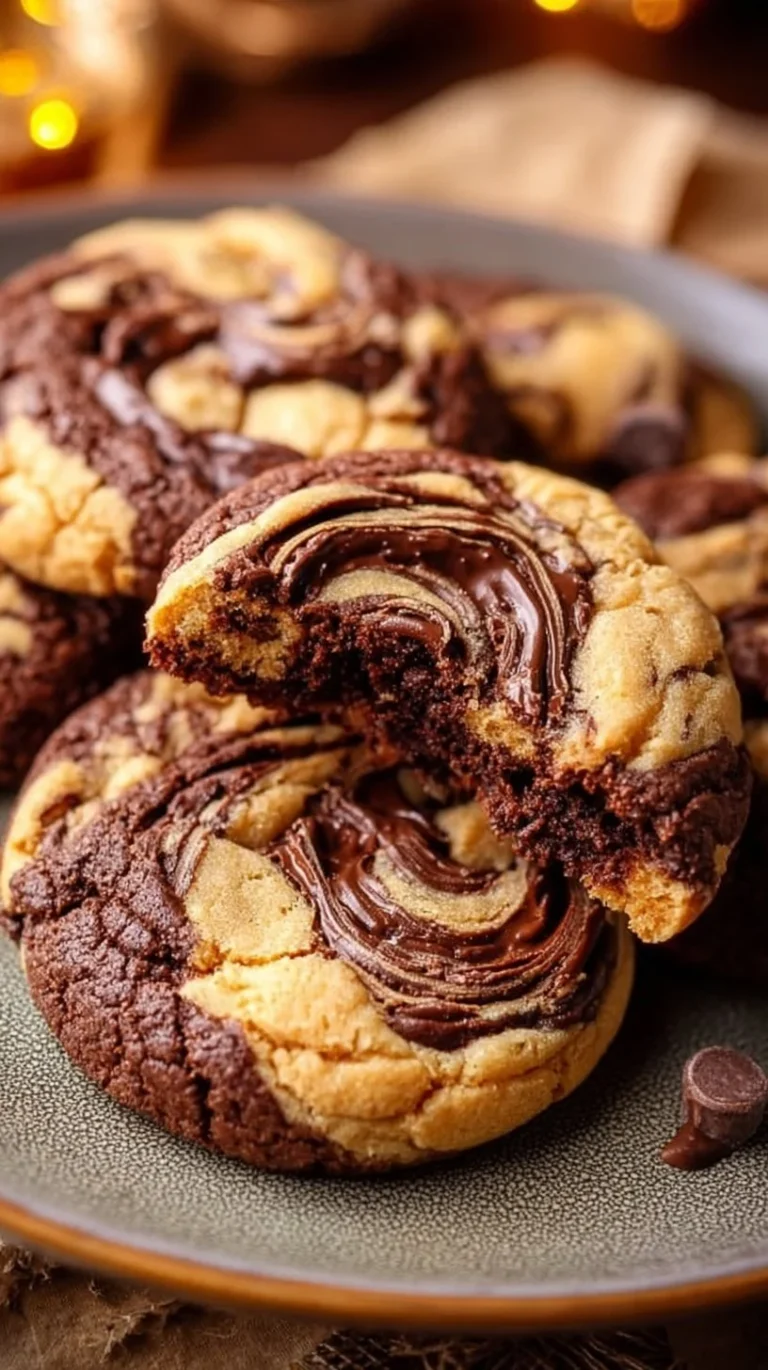
Cadbury Egg Cookies

Introduction
This recipe for Cadbury Egg Cookies is an exercise in controlled contrast: a sturdy, butter-leavened cookie matrix that supports the delicate, sugary crunch of crushed Cadbury mini eggs and the soft, yielding pockets of melted mini chocolate chips. The technique prioritizes emulsification, measured creaming, and restrained hydration to produce cookies that are tender inside with a defined golden edge. For perspective on chew versus crumble balance, compare structure and ingredient ratios with a similarly textured example like chewy maple cinnamon cookies. The following analysis and method examine how each ingredient and step builds toward the final sensory profile—aroma, color, mouthfeel, and melt—so you can reproduce consistent results.
The culinary logic behind this dish
At its core this cookie is a hybrid: the base is a classic creamed butter-sugar dough, augmented with quick oats for restrained chew and visual grain, and tempered by leavening that gives lift without excessive spread. The Cadbury mini eggs contribute both sugar crystals and a thin hardened shell; when crushed and folded in, they create intermittent bursts of sweetness and a distinct textural counterpoint to the chocolate chips. The logic is to allow the cookie’s structure to support inclusions without collapse—hence modest leavening (1 tsp baking soda), controlled fat content (1/2 cup unsalted butter), and a proportionate amount of flour (1 1/4 cup) to maintain integrity while still delivering a tender crumb. Timing—mixing, chilling (brief rest on the pan), and precise bake time—controls moisture migration and caramelization, producing a balanced golden edge and a moist interior.
How to make Cadbury Egg Cookies
This section outlines the technique priorities and the reasons behind each stage. The recipe’s steps emphasize aeration, gentle incorporation of dry ingredients, and restraint when combining fragile inclusions. When creaming butter and sugar, incorporate air to provide lift but avoid over-oxidation that can dry the dough. Add the egg and vanilla to form a stable emulsion; this binds fat and water phases so the dough bakes uniformly. Introduce flour incrementally to avoid over-developing gluten; finishing with oats and leavening at low speed keeps the matrix open yet cohesive. Fold in chocolate chips and crushed Cadbury eggs with minimal agitation to preserve the granular integrity of the crushed shells and avoid premature color bleed. Portion uniformly and maintain spacing to allow for controlled lateral spread and edge development. Finally, brief on-sheet cooling allows internal steam to redistribute, setting the crumb while preserving tenderness.
Ingredients :
1/2 cup unsalted butter (softened), 1/2 cup brown sugar, 1/2 cup granulated sugar, 1 Egg, 1 tsp pure vanilla extract, 1 1/4 cup flour, 1 tsp baking soda, 1 tsp kosher salt, 1/2 Cup quick oats, 1 cup mini chocolate chips, 1 1/4 cup crushed Cadbury mini eggs (divided)
Directions :
Preheat the oven to 350 degrees. Then prepare a baking sheet by lining it with parchment paper, , Combine the butter, brown sugar, and sugar in the bowl of a stand mixer and beat until light and creamy., Add in the egg and vanilla and mix again until smooth., Add in the flour about 1/2 cup at a time, mix on low until all the flour has been added. Add the baking soda, salt, and oats mix again on medium low until the oats are mixed through., Stir in the chocolate chips and crushed Cadbury eggs with a wooden spoon or spatula (don’t mix)., Scoop the dough out onto the prepared baking sheet using a 3 tablespoon cookie scoop. Place each ball of dough about 3 inches apart., Bake the cookies for 8-9 minutes or until edges are golden., Put the rest of the crushed Cadbury eggs on top., Let the cookies cool on the pan for about 10 minutes then serve!
Ingredient analysis through a chef’s lens
- Butter (1/2 cup unsalted, softened): Provides flavor, tenderness, and controlled spread. Softened—not melted—but still cool prevents excessive early spread while allowing creaming to incorporate air for lift. Unsalted gives the baker control over sodium, key when balancing with kosher salt.
- Sugars (1/2 cup brown, 1/2 cup granulated): Browning and moisture are split functions here. Brown sugar contributes hygroscopic molasses components, enhancing chew and a deeper caramel aroma; granulated sugar encourages edge crisping and provides structure through crystal formation during creaming.
- Egg (1): Acts as emulsifier and structure agent. The yolk contributes fat and richness; the white adds protein for setting. One egg balances hydration without making the dough overly slack.
- Vanilla (1 tsp): Aromatic accent that complements the chocolate and the Cadbury candy’s vanilla-laced shell.
- Flour (1 1/4 cup): The principal structural element; measured against the fat and sugar to ensure a tender crumb while preventing cakiness. The modest quantity keeps cookies tender and allows inclusions to protrude without collapsing the dough.
- Baking soda (1 tsp): Provides gentle lift and influences browning by raising pH, promoting Maillard reactions that create color and complex toasty notes.
- Kosher salt (1 tsp): Essential for flavor modulation—heightening chocolate and candy sweetness and rounding overall taste.
- Quick oats (1/2 Cup): Adds controlled chew and subtle cereal notes without the chew of rolled oats. Their size integrates into the dough matrix and reduces spread through water absorption.
- Mini chocolate chips (1 cup): Provide soft pockets of molten chocolate; small size allows even distribution and predictable melting behavior.
- Crushed Cadbury mini eggs (1 1/4 cup, divided): The divided approach—some folded in, some sprinkled—preserves crisp shell shards on the surface while integrating interior bursts of candy sugar. Their crystalline sugar content and thin shell design mean they partially soften during baking but retain a distinctive textural snap.
Kitchen workflow & technique breakdown
Efficient workflow reduces handling and optimizes texture. Sequence your mise en place: measure flours and baking soda together, have sugars combined, and pre-crush Cadbury eggs with a mallet in a bag to a mix of shard sizes—fine dust will dissolve and color the dough; large shards will remain as crunchy accents. Use a stand mixer with paddle attachment for creaming: start at medium speed until the butter lightens in color and appears aerated; this creates microscopic air cells that expand in the oven. When adding flour, pulse or mix on low to avoid gluten development; overmixing yields a tough cookie. For mixing the inclusions—mini chips and crushed candy—use a spatula to fold, preserving their integrity and avoiding crushing the candy further. Portioning with a 3-tablespoon scoop produces consistent diameters and ensures uniform bake times. Use parchment to prevent localized scorching and to promote even underside browning.
Texture control, heat management & timing
Texture is modulation between interior tenderness and edge caramelization. Bake at 350°F for the specified 8–9 minutes; this relatively high initial heat encourages rapid edge set and browning, while the interior finishes with residual heat during the 10-minute cool-on-pan period. The 8–9 minute window is purposeful: remove cookies when edges are golden but centers still look slightly undercooked—carryover heat will finish them without overbaking. If you prefer a chewier center, err toward the lower end of the range and cool on the sheet to allow moisture redistribution. For crisper cookies, extend by 1–2 minutes and transfer briefly to a cooling rack to allow air exposure. Oven calibration matters: use an oven thermometer to verify true temperature, and rotate the sheet halfway through the bake if your oven has hot spots. The distribution of inclusions also affects heat: cookies with more candy near the surface will brown differently due to sugar concentration—hence the instruction to reserve crushed eggs for topping after baking.
Professional variations
As a chef, variations should preserve technique while exploiting ingredient behavior. For a slightly chewier cookie, swap 2 tablespoons of flour for an equal weight of bread flour to increase protein fraction and chew; keep mixing gentle. To emphasize chocolate, use dark chocolate mini chips or a mix of chip sizes—larger pieces melt differently and create varied pockets. If you prefer a filled center, consider incorporating a soft caramel or ganache quenelle at the scoop center (account for extra bake time) — see a complementary approach to filled cookie balls in this resource on Easter egg Oreo cookie balls. For a gluten-sensitive adaptation, replace the all-purpose flour with a 1:1 gluten-free blend designed for baking, and reduce oats slightly to compensate for differing absorption.
Finishing touches & plating philosophy
Finish these cookies deliberately. Sprinkling the reserved crushed Cadbury mini eggs on top while the cookies are still warm secures adhesion through slight melting without fully dissolving the shell—this yields an attractive color contrast and crunchy finish. Presentation should emphasize translucence at the edges and a satin sheen on the surface; arrange cookies on neutral platters that allow the candy colors to read. If serving warm, provide a thin board or parchment to absorb any residual butter to avoid sogginess in presentation. For plated desserts, consider pairing one cookie with a small quenelle of lightly whipped cream or a scoop of vanilla bean gelato to offset the intensified sweetness with dairy freshness; portion control is important given the concentrated sugar.
Maintaining quality after cooking
Storage impacts texture. For short-term (1–2 days) keep cookies in an airtight container at room temperature with a single bread slice or a small apple wedge to maintain moisture balance; this reduces staling without introducing off-flavors. For longer storage, freeze the baked cookies in a single layer on a tray, then transfer to a sealed container; thaw at room temperature to avoid condensation. If you freeze raw dough portions, bake directly from frozen with an extra 1–2 minutes of oven time. Avoid refrigeration of baked cookies; the cold accelerates sugar crystallization and makes the texture firmer and less pleasant.
Questions from home cooks (chef answers)
Q: Why is the dough mixed on low when adding flour and oats?
A: Mixing on low minimizes gluten development and prevents the oats from shredding the dough matrix. Gentle incorporation keeps the crumb tender.
Q: Why are some crushed Cadbury eggs reserved for the top?
A: The reserved shards preserve an external crunchy accent and provide visual color contrast. They adhere to warm dough without fully dissolving, which would otherwise color the entire cookie.
Q: Can I substitute brown sugar with all dark brown sugar?
A: Yes, increasing the molasses content will deepen flavor and chewiness, but expect slightly darker color and increased moisture—adjust bake time by a minute if needed.
Q: What causes cookies to spread too much?
A: Over-softened butter, too much liquid, undermeasured flour, or insufficient chilling/creaming technique. Ensure butter is softened but not melted and measure flour accurately.
Final chef notes
Technique discipline yields consistent results: control temperature, avoid overmixing, portion uniformly, and observe bake time strictly. The interplay between the buttery dough and the crunchy-sweet Cadbury shards is the defining character of these cookies; preserve that contrast through careful folding and by reserving some crushed candy for topping. Taste and adjust within the boundaries of the recipe—minor shifts in sugar type or chip size produce predictable changes in texture and flavor, but the structural logic remains constant.
Conclusion
For an alternative take that emphasizes candy distribution and a slightly different approach to mixing, consult Cooking With Karli’s Cadbury Egg Cookie Recipe which examines similar techniques in a home-baker context. For a version that leans into seasonal presentation and varied inclusion sizes, review Two Peas & Their Pod’s Cadbury Egg Cookies for visual ideas and serving suggestions. For a tested method with troubleshooting insights relevant to this technique, see Our Best Bites’ Cadbury Egg Cookies.