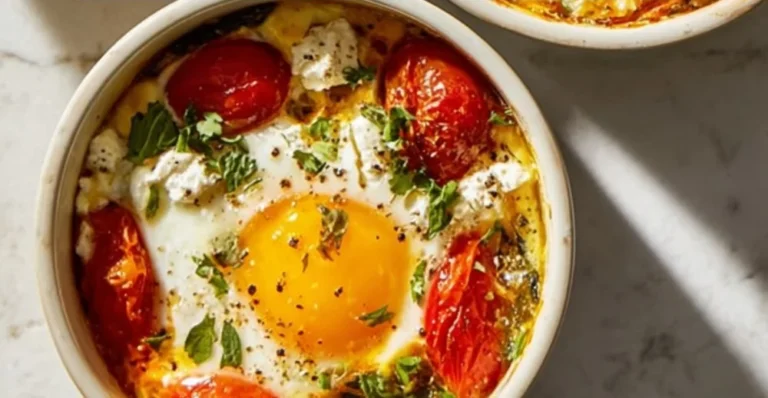
Easy Mini Quiche

AARON Introduction
Easy Mini Quiche is a simple, adaptable snack or meal component that fits well into a balanced eating pattern. As a nutrition specialist, I focus on how recipes like this support digestion, nutrient density, and sustainable eating habits rather than quick-fix promises. Mini quiches offer a compact way to combine protein, vegetables, dairy, and a small amount of carbohydrate-rich crust. That combination can make them practical for breakfast, a light lunch, or a snack to pair with salad or fruit.
If you enjoy small-format recipes that are convenient for batch cooking and portion control, you might appreciate how mini quiches work within a weekly meal plan. They pair well with sweet mini-dessert ideas and other easy bites, so consider alternating them with treats like 3-ingredient no-bake brownie bites for an approachable, family-friendly rotation.
How this recipe supports overall wellness
Mini quiches are an example of a mixed plate—protein, fat, carbohydrate, and vegetable matter—packed into a single, easy-to-serve portion. That mixed composition helps with satiety and steady energy, which can support better appetite control throughout the day. From a digestive perspective, the inclusion of vegetables adds fiber and plant compounds that feed gut bacteria and support stool regularity. Protein from eggs and optional meats contributes to muscle maintenance and the slow, steady release of energy.
The recipe also lends itself to portion control. Using a muffin tin standardizes serving size and can reduce inadvertent overeating. From a long-term wellness lens, recipes you enjoy and can prepare regularly are the ones most likely to support healthy patterns—mini quiches are quick to make, refrigerate, reheat, and bring on the go.
How to make Easy Mini Quiche
Ingredients :
1 refrigerated pie crust, 6 large eggs, 1 cup milk, 1 cup cheese (cheddar, mozzarella, or your choice), 1 cup chopped vegetables (like spinach, bell peppers, or onions), 1 cup cooked meat (like bacon, ham, or sausage), Salt and pepper to taste
Directions :
- Preheat the oven to 375°F (190°C)., 2. Roll out the refrigerated pie crust and cut it into circles to fit into the muffin tin cups., 3. Press the dough into the muffin tin cups., 4. In a bowl, whisk together the eggs, milk, salt, and pepper., 5. Evenly distribute the chopped vegetables, cooked meat, and cheese among the crusts., 6. Pour the egg mixture over the fillings., 7. Bake for 20-25 minutes or until the egg is set and the tops are golden., 8. Allow to cool slightly before removing from the muffin tin. Serve warm.
The method is straightforward and forgiving, which is helpful when people are learning to balance flavors and textures. Following the directions precisely will produce consistent mini quiches that are firm enough to handle but tender inside.
Nutrient roles of each main ingredient
Refrigerated pie crust: The crust provides primarily carbohydrate and a small amount of fat. It offers a quick source of energy and improves texture and enjoyment, which are important for adherence to healthy eating. Choosing a whole-grain crust, if available, would contribute more fiber and micronutrients, but the small amount used here keeps the overall refined carbohydrate moderate.
Eggs: Eggs are nutrient-dense and provide high-quality protein, essential amino acids for tissue repair and maintenance, and satiating fats. They also contain choline, which supports cell membranes and liver function, and several B vitamins important for energy metabolism.
Milk: Milk contributes fluid, calcium, vitamin D (if fortified), and additional protein. The liquid milk helps set the custard texture of the quiche while adding nutrients that support bone health and metabolic processes.
Cheese: Cheese adds flavor, calcium, and protein. It also contributes saturated fat, so choosing the type and quantity can help balance overall saturated fat intake. Using a moderate amount (as in the recipe) gives savory satisfaction while keeping portions sensible.
Vegetables: Vegetables bring fiber, vitamins, minerals, and phytonutrients. Leafy greens like spinach contribute vitamin K and folate; bell peppers add vitamin C and carotenoids; onions provide prebiotic fibers that support healthy gut bacteria.
Cooked meat: Bacon, ham, or sausage provide additional protein and flavor. They can also be higher in sodium and saturated fat, so balancing portion size and frequency is sensible. Leaner cooked meats or smaller amounts can keep the dish protein-forward without excess sodium.
Each ingredient plays a role in making the mini quiche both satisfying and nutrient-dense when assembled thoughtfully.
The preparation method & its health impact
Baking the mini quiches is a gentle dry-heat method that cooks eggs quickly while preserving nutrients better than prolonged high-heat methods. The short bake time (20–25 minutes) helps maintain the integrity of heat-sensitive vitamins like some B vitamins and vitamin C in vegetables. Browning on top adds flavor through Maillard reactions, which increase palatability and can improve acceptance, especially for children and picky eaters.
From a digestion standpoint, the combination of protein and fat in the eggs and cheese slows gastric emptying, which supports stable blood sugar and sustained fullness. Including vegetables increases fiber, which supports gut motility and feeds beneficial microbes. If sensitive to dairy or eggs, consider the broader section on modifications below.
Ways to lighten, enrich or modify the dish nutritionally
You can adapt this recipe to meet different nutrition goals while keeping the core steps and ingredient list intact.
Lighten: Use a thin crust or cut crust circles slightly smaller to reduce refined carbs. Swap whole milk for lower-fat milk to lower saturated fat. Choose a modest amount of cheese or a lower-fat cheese option. Replace higher-fat meats with diced, lean ham or omit meat entirely and add extra vegetables and a sprinkle of herbs for flavor.
Enrich: Boost fiber and micronutrients by adding an extra cup of vegetables divided across the batch—mushrooms, kale, or grated zucchini are good options. Use milk fortified with vitamin D and choose a cheese that’s calcium-rich. Serve alongside a whole-grain toast or a mixed leafy salad to increase fiber and phytonutrient variety.
Make it plant-forward: Keep the eggs but emphasize vegetables and use a small amount of plant-based proteins like crumbled tofu or cooked lentils mixed with spices as a portion of the meat replacement. While this changes texture, it can increase fiber and lower saturated fat.
Allergy-friendly: For egg-free diets, this specific recipe can’t be directly substituted without changing ingredients, so consider making an eggless custard alternative in a separate recipe. For dairy sensitivity, try unsweetened oat or soy milk and omit the cheese, or use a dairy-free cheese alternative.
All these approaches help tailor the mini quiche to individual health goals while preserving flavor and convenience.
Pairing ideas for a balanced, complete meal
Mini quiches make a versatile centerpiece for small plates or a full meal. Pairing them thoughtfully increases meal balance:
For a breakfast plate: Serve two mini quiches with a side of mixed fruit and a small portion of whole-grain toast. The fruit provides fiber and vitamins while the toast adds whole-grain carbohydrates.
For a light lunch: Pair a mini quiche with a large leafy salad that includes chickpeas or a small portion of grains like quinoa to increase fiber and plant protein, rounding out the plate.
For brunch or entertaining: Offer an assortment of mini quiches with a vegetable platter of roasted asparagus or steamed broccoli and a yogurt-based dip; include a grain option like a farro salad for variety and sustained energy.
For a family dinner: Serve mini quiches alongside roasted sweet potatoes and a green vegetable. Consider the protein content and adjust the number of mini quiches so total protein matches the meal goal.
For added inspiration that complements small-format savory dishes, consider rotating in recipes like crispy parmesan chicken with a rich garlic sauce for a contrasting dinner option, or offer a small dessert like mini black forest dessert cups on special occasions.
Safe storage, food safety & optimal reheating
Food safety is important with egg-based dishes. Store mini quiches in the refrigerator within two hours of baking. Keep them in an airtight container for up to 3–4 days. For longer storage, freeze individual quiches on a tray until solid, then transfer to a freezer-safe bag for up to two months.
Reheating advice:
- From refrigerator: Reheat in a 350°F (175°C) oven for about 8–10 minutes, or microwave briefly (about 60–90 seconds depending on power) until warmed through. Using the oven improves texture and prevents sogginess.
- From frozen: Reheat from frozen in a 350°F oven for approximately 20–25 minutes, or until the center is hot. Allow a few minutes of standing time to distribute heat.
Always check that the center reaches a safe, hot temperature and that steam is visible when heated. Avoid repeated temperature cycling—reheat only what you plan to eat.
Common nutrition questions about this dish
Are mini quiches a good source of protein?
Yes. Eggs and any added meat or cheese provide high-quality protein. A single mini quiche will contribute a meaningful protein portion; two will more reliably meet a typical single meal protein target for many adults.Will the crust make these high in carbs?
The crust does add refined carbohydrate, but the portion is small. If you need more fiber, serve mini quiches with whole-grain sides or increase vegetable content. For lower-carb needs, reduce crust size or remove the crust post-bake (crustless quiche is an alternative recipe, not a modification of this one).Are mini quiches good for gut health?
They can be. Including a cup of vegetables across the batch increases fiber and prebiotic compounds that support gut bacteria. Combining vegetables with protein and healthy fats promotes steady digestion and satiety.How can I reduce sodium?
Choose lower-sodium cooked meats or use less of them. Limit added salt and rely on herbs, spices, and vegetables for flavor. Using unsalted cheese or reduced-sodium varieties also helps.Can children eat these?
Yes. Mini quiches are easy for little hands and can be made milder for kids by choosing milder cheeses and finely chopped vegetables. Watch portion sizes and adjust fillings to their developmental needs and family nutrition goals.
Final wellness notes
Mini quiches are a practical, adaptable recipe that supports balanced eating in real life. They are nutrient-dense when packed with vegetables, provide quality protein from eggs, and are easy to portion-control. The recipe’s versatility allows you to align it with different health goals—whether that’s modest calorie reduction, increased vegetable intake, or higher-protein meals for active days.
Mastering small, repeatable recipes you enjoy increases the likelihood of long-term healthy habits. Prepare a batch for the week, combine them with colorful sides, and focus on variety across meals rather than perfection in any single dish. Small changes—like increasing vegetables, choosing leaner meats, or swapping milk types—add up over time and support digestion, energy stability, and overall wellbeing.
Conclusion
If you want a tested version of a classic mini quiche approach for inspiration and technique tips, this Mini Quiche Recipe (Any Flavor!) – Sally’s Baking Addiction provides a reliable reference that complements the nutrition-focused guidance above.
Easy Mini Quiche
Ingredients
Method
- Preheat the oven to 375°F (190°C).
- Roll out the refrigerated pie crust and cut it into circles to fit into the muffin tin cups.
- Press the dough into the muffin tin cups.
- In a bowl, whisk together the eggs, milk, salt, and pepper.
- Evenly distribute the chopped vegetables, cooked meat, and cheese among the crusts.
- Pour the egg mixture over the fillings.
- Bake for 20-25 minutes or until the egg is set and the tops are golden.
- Allow to cool slightly before removing from the muffin tin. Serve warm.