3-Ingredient Easy No Bake Brownie Bites
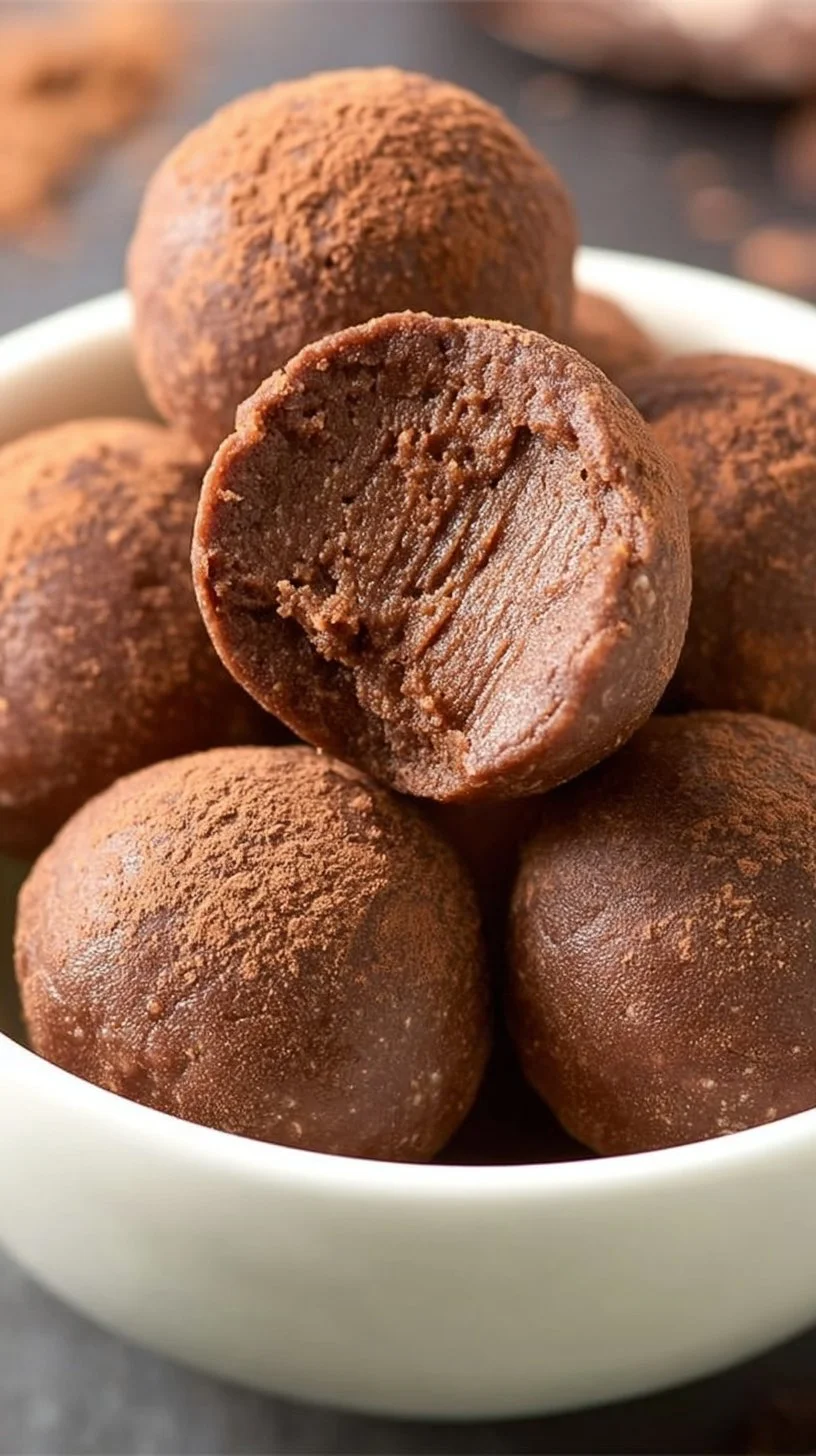
These 3-Ingredient Easy No Bake Brownie Bites distill chocolate confectionery into its essential structural and flavor elements. The recipe relies on the natural binding quality and caramelized depth of dates, the fat and texture matrix of walnuts, and the bitter, aromatically complex profile of unsweetened cocoa powder. The technique is deliberately minimal — a single processing step followed by shaping and cooling — but precision in ingredient condition, processing rhythm, and refrigeration time determines the final texture and flavor balance. For cooks who want an efficient sweet with professional finish, the mise en place and handling described below will convert a rapid assembly into consistent, restaurant-quality bites. For related compact, no-bake desserts that use similar workflow principles, note how an easy baked donut bars approach can inform portioning and cooling logistics.
The culinary logic behind this dish
At its core this recipe is an emulsion-like particulate matrix: the dates supply sugars and natural pectin-like binding agents, walnuts contribute oil and particulate structure, and cocoa powder provides dry flavor carriers and anti-plasticizing bitterness. When combined in a food processor the frictional heat softens the dates and partially releases walnut oils, promoting adhesion between particles and forming a pliable dough. The culinary logic is to strike a balance between over-processing — which turns the mixture greasy and pasty — and under-processing — which leaves the mass crumbly and unable to hold shape. Refrigeration serves two roles: it solidifies fats released from the nuts and eases bite cohesion, and it stabilizes the sugar matrix so the surface develops a clean matte finish rather than tackiness.
Flavor development is achieved through simple but deliberate choices: using pitted dates that are slightly soft avoids adding external sweeteners while providing subtle caramel notes, and unsweetened cocoa powder introduces roasted, phenolic bitterness that cuts sweetness and enhances perceived cocoa intensity. Walnuts, when processed just enough to release oils, contribute a warm, slightly bitter nuttiness that complements cocoa and masks cloying sweetness. The result is a compact confection with a firm exterior yielding to a slightly creamy interior.
How to make 3-Ingredient Easy No Bake Brownie Bites
Precision in execution begins with ingredient temperature and equipment choices. Work with room-temperature dates that yield slightly to pressure; overly dry dates will require soaking, which alters the sugar concentration and texture. Use a high-quality food processor with a metal S-blade to ensure efficient shear — this limits processing time and prevents excessive heat build-up. Pulse in controlled bursts: hold the processor for one to two seconds, pause, and inspect the mass. Look for a cohesive ball forming at the blade, indicative of adequate moisture distribution and oil release.
When shaping, aim for consistent sizing — roughly 1 inch in diameter — which ensures uniform mouthfeel and cooling time. Use a small scoop or a scale to portion the mass, then roll with light, even pressure to avoid compressing oils to the surface. If the mixture sticks excessively, brief chilling of the bowl or a dusting of cocoa on hands will reduce adhesion without adding foreign ingredients.
Refrigerate on a parchment-lined tray so the bites do not pick up ambient moisture or odors. The suggested minimum chill time of 30 minutes is the point at which fats re-solidify and the surface firms; waiting longer tightens the texture further and improves snap. Serve chilled to preserve the intended contrast between firm exterior and yielding interior.
Ingredients :
1 cup dates, pitted, 1 cup walnuts, 1/3 cup cocoa powder
Directions :
- In a food processor, combine the dates, walnuts, and cocoa powder. Blend until the mixture is well combined and forms a dough., 2. Roll the mixture into small balls, about 1 inch in diameter., 3. Place the brownie bites on a parchment-lined tray and refrigerate for at least 30 minutes to firm up., 4. Serve chilled and enjoy!
Ingredient analysis through a chef’s lens
Dates: They are both the sweetener and the binder. Varietal choice matters; Medjool dates provide a softer, more caramel-forward profile with high moisture content, which facilitates cohesion without added liquids. If using drier dates, brief soaking in warm water (and thorough draining) can restore pliability, but this will dilute the sugar concentration and may lengthen the refrigeration time required for firming.
Walnuts: Their oil content is lower than some other tree nuts, which is beneficial here — the goal is controlled oil release to aid cohesion without creating an oily paste. Walnuts bring astringency and astringent phenolics that balance the dates’ sweetness; they also contribute particulate texture that yields a pleasant tooth against the chocolate base. Toasting walnuts lightly before processing intensifies aroma but accelerates oil release; use toasting judiciously if you desire more roasted complexity.
Cocoa powder: Unsweetened, natural cocoa is the principal flavoring agent and a binder of fine particles. It absorbs residual surface moisture, reduces tack, and delivers aromatic complexity — from dark chocolate to subtle citrus-like acidity depending on origin. Be precise with quantity: too little, and bites risk being cloying; too much, and the mixture becomes dry and chalky.
Kitchen workflow & technique breakdown
Set up a clear workflow: prep, process, shape, chill, finish. Prep: pit dates and measure ingredients precisely; avoid improvising measurements for cocoa as it modulates dryness significantly. Processing: use short pulse cycles and scrape down the bowl between pulses to ensure even distribution. Scraping prevents overworking localized spots while under-processing others; it also provides real-time feedback on consistency.
Shaping: portion with a one-inch scoop or a gram scale set to approximately 12–14 g per ball to maintain uniformity. Rolling should be executed with light, frequent rotations in the palm — excessive pressure forces oil to the surface, creating a glossy exterior rather than the desired matte finish. Lining trays with parchment reduces sticking and facilitates transfer to refrigeration.
Chilling: arrange bites so they do not touch; airflow around each piece ensures uniform cooling and prevents condensation formation on surfaces. The minimum 30-minute chill is enough for initial firming; however, if bites will be held longer, place them in an airtight container with a sheet of parchment between layers to avoid compression and moisture migration. For guidance on no-bake timing and storage logistics in similar recipes, review a structured approach such as the one used in a no-bake Grinch pie, which details chilling and staging methods applicable across small-format desserts.
Texture control, heat management & timing
Texture control hinges on managing three parameters: particle size, oil release, and temperature. Particle size of the walnuts should be fine enough to provide cohesion but retain perceptible grain; process until the mixture barely forms a cohesive mass. If walnuts are ground too finely, lubrication increases and the mass turns paste-like.
Heat management during processing is critical. Continuous processing generates frictional heat that liquefies nut oils prematurely, producing a greasy mouthfeel. Use pulse mode and allow a five- to ten-second pause between longer processing bursts to dissipate heat. If the bowl becomes noticeably warm, stop and chill the bowl and blades briefly.
Timing in refrigeration defines the bite’s eating temperature. Serving straight from the refrigerator ensures a clean break and concentrated flavors; allowing the bites to sit at room temperature for five to ten minutes softens the interior and enhances aroma release. For immediate service, refrigerate until just firm; for transporting, freeze briefly for 10–15 minutes to set the shape, then transfer to a chilled container.
Professional variations
Maintain ingredient proportions but adjust technique for targeted results:
- For a fudgier interior: select softer dates (Medjool) and reduce walnut processing time to retain slightly larger particles, offering a creamier center without adding liquids.
- For a more robust nutty profile: toast walnuts at 325°F for 6–8 minutes until fragrant, cool completely, then process. Toasting intensifies aroma but increases surface oil release; compensate by pulsing more and chilling the bowl beforehand.
- For intensified cocoa: replace one-quarter of the cocoa with Dutch-processed cocoa for a rounder, less acidic chocolate note; do not change the total cocoa weight.
- For added texture contrast: fold in 1–2 tablespoons of finely chopped toasted hazelnuts post-processing to introduce intermittent crunch while preserving the recipe’s three-ingredient integrity at the core.
Each variation preserves the original proportions and fundamental technique; none require additional binders or sweeteners.
Finishing touches & plating philosophy
Finishing should be restrained and functional. A light dusting of unsweetened cocoa or a microscopic grating of citrus zest adds visual contrast and aromatic lift without altering structural balance. Arrange bites in even rows or geometric groupings to emphasize precision; negative space on the plate accentuates each portion’s small scale. Serve on a cool plate to maintain chilled temperature for the diner; avoid warm platters that will hasten softening.
If presenting as part of a tasting sequence, stagger temperatures: present one chilled bite followed by a slightly warmer one to demonstrate the shift in aroma and mouthfeel as the interior relaxes. Use small forks or toothpicks that provide leverage without piercing the bite too deeply, which can release oils prematurely.
Maintaining quality after cooking
Storage is straightforward: keep the bites refrigerated in an airtight container layered with parchment to prevent sticking and moisture transfer. For short-term holding (24–48 hours), refrigeration preserves texture and flavor. For longer storage up to two weeks, freeze on a tray until solid, then transfer to a freezer-safe container; thaw in the refrigerator for several hours before service to retain structure.
Avoid storing near strongly aromatic foods — dates and walnuts are absorbent and will take on surrounding odors. If transporting, stabilize the tray with a low-temperature cooler pack and maintain separation to prevent compression. For advice on packaging and holding that applies to compact no-bake desserts, inspect handling techniques used for similar bars such as the no-bake rocky road bars which align with these storage principles.
Questions from home cooks (chef answers)
Q: My mixture is greasy after processing. How do I fix it?
A: Greasiness indicates over-processing and heat-induced oil release. Chill the mixture briefly, add a small quantity of additional dates in pulsed increments (not liquids) to absorb excess oil, or incorporate a few more walnuts coarsely ground to rebalance solids-to-oils. Next time, use shorter pulses and pause to cool the bowl.
Q: The bites are dry and crumbly. What went wrong?
A: That typically means the dates were too dry or the cocoa volume too high. Add one or two softened dates to the processor and pulse until cohesion is restored. Ensure dates are pitted and pliable before starting.
Q: Can I substitute other nuts or sweeteners?
A: Substitutions will change texture and flavor profiles. Almonds or cashews increase fat content and can yield a smoother paste; pistachios impart color and a different aromatic profile. Avoid adding liquid sweeteners as they will alter refrigerant behavior and shelf life.
Final chef notes
This recipe emphasizes restraint: three ingredients, simple equipment, and an outcome that rewards attention to process over decorative complexity. The critical moments are ingredient condition, pulse discipline, and chilling. Mastery lies in perceiving subtle changes in fragrance, texture, and temperature during processing — skills that translate directly to larger-scale pastry work. Respect the proportions, control processing heat, and allocate sufficient chill time to achieve bites that are balanced, texturally precise, and flavor-forward.
Conclusion
For additional three-ingredient no-bake brownie variations that explore different flavor pairings and seasonal finishes, consult a focused recipe such as 3- Ingredient No Bake Brownie Balls (Halloween Edition), which applies similar shaping and chilling techniques. If you are interested in alternative presentations and more detailed troubleshooting, this No Bake Brownie Bites – 3 Ingredient, Easy Recipe! provides practical tips and visual references. For storage, staging, and serving strategies for comparable no-bake bars, review the handling notes in Easy No bake Brownie Bites – Upstate Ramblings.
No Bake Brownie Bites
Ingredients
Method
- In a food processor, combine the dates, walnuts, and cocoa powder. Blend until the mixture is well combined and forms a dough.
- Roll the mixture into small balls, about 1 inch in diameter.
- Place the brownie bites on a parchment-lined tray and refrigerate for at least 30 minutes to firm up.
- Serve chilled and enjoy!