Cottage Cheese Peanut Butter Mousse
AARON Introduction
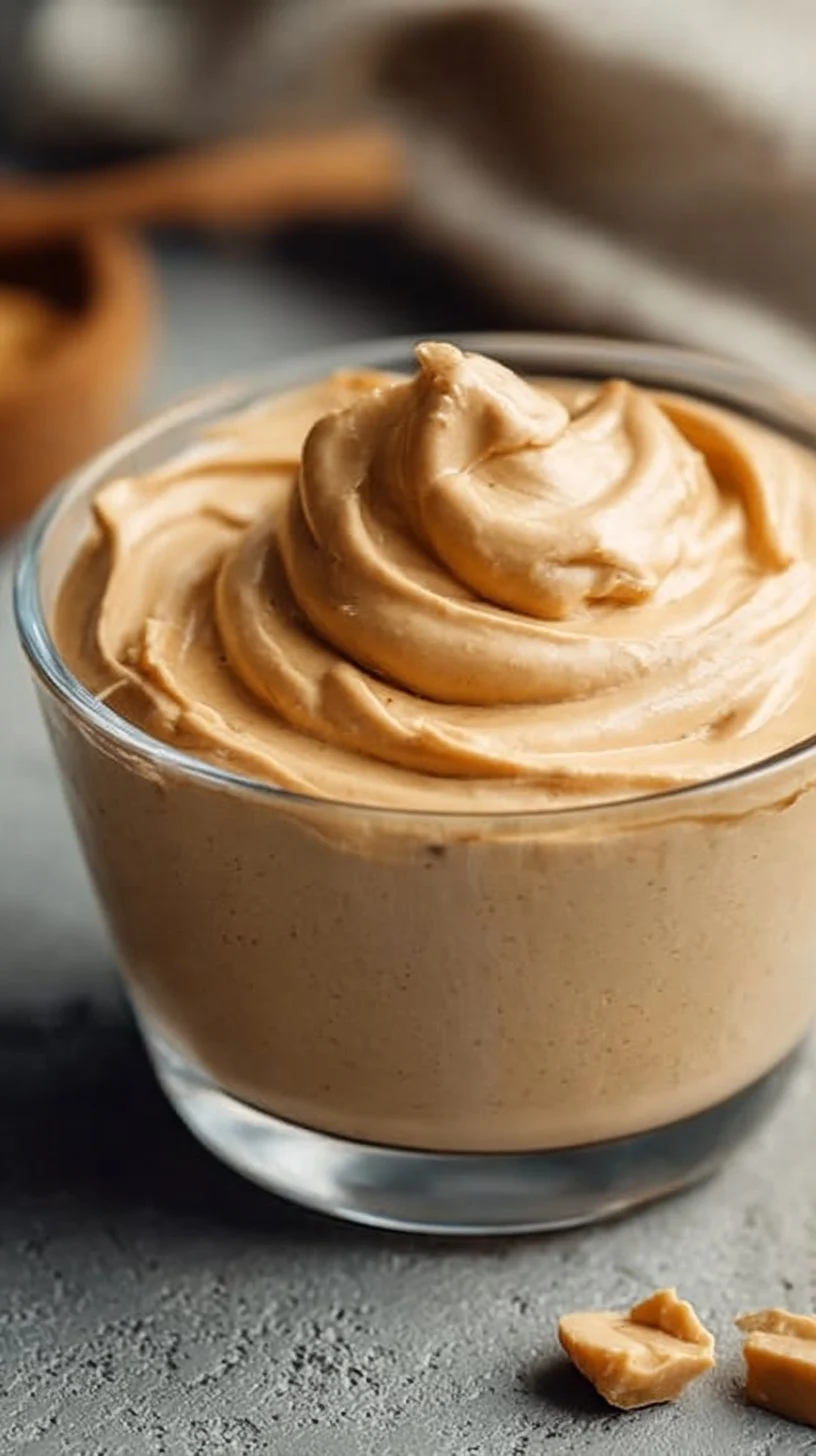
Cottage Cheese Peanut Butter Mousse is a simple, satisfying recipe that blends creaminess, protein and a touch of sweetness. As a nutrition specialist, I appreciate dishes that are both nutrient-dense and easy to prepare—especially when they can serve as a snack, a dessert, or part of a balanced meal. This mousse fits that role well: it uses cottage cheese for protein and calcium, peanut butter for healthy fats and flavor, and a modest sweetener to make it enjoyable without overdoing added sugars.
If you like experimenting with texture and flavor in high-protein, comfort-style dishes, you might find inspiration from other creamy recipes such as this Biscoff cheese cupcake, which shows how small changes in ingredients can shift a recipe’s nutrition and purpose. In this article I’ll walk through how this mousse supports overall wellness, what each ingredient contributes, how the preparation affects digestion and nutrient availability, and practical tips to modify and pair the dish for a balanced approach to eating.
How this recipe supports overall wellness
This mousse supports wellness through a combination of protein, healthy fats, and modest carbohydrate from natural sweeteners. Protein promotes satiety and supports muscle maintenance and metabolic functions, while fats from natural peanut butter provide energy, help absorb fat-soluble vitamins, and contribute to a pleasant mouthfeel that makes the mousse enjoyable. By leaning on whole-food ingredients rather than processed additives, the recipe is nutrient-forward and versatile within a balanced diet.
From a digestive standpoint, cottage cheese is generally easier for many people to tolerate than whole-milk cheeses because it is lower in lactose, though tolerance varies. Peanut butter adds fiber and plant-based protein, which can help steady blood sugar and prolong fullness. The small amount of sweetener—honey or maple syrup—adds sweetness and flavor without the large sugar hits found in many desserts. Overall, this recipe can fit into a variety of eating patterns: it can be a post-workout snack, a protein-rich dessert, or a component of a light meal when paired with fruit and whole grains.
If you are building a meal plan that balances comfort and nourishment, look for recipes that marry protein with healthy fats and carbohydrate—similar nutritional priorities are explored in savory dishes like garlic butter chicken and bowtie pasta, which demonstrates how to pair protein with complementary sides for a complete plate.
How to make Cottage Cheese Peanut Butter Mousse
This section describes how to make the mousse in plain, practical steps while preserving the original directions you provided.
Ingredients :
1 cup cottage cheese, 1/2 cup natural peanut butter, 1/4 cup honey or maple syrup, 1 teaspoon vanilla extract, 1/4 cup cocoa powder (optional for chocolate flavor), Pinch of salt
Directions :
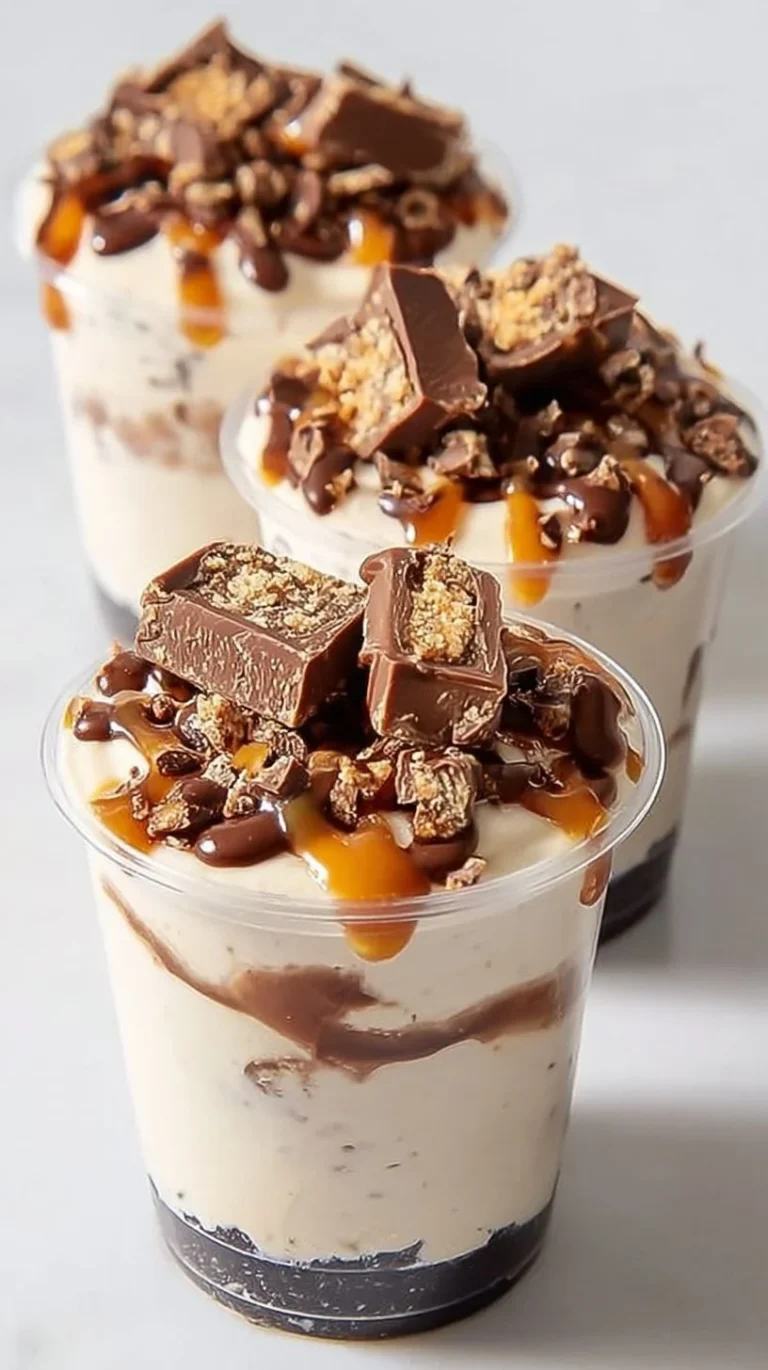
In a blender or food processor, combine cottage cheese, peanut butter, honey (or maple syrup), vanilla extract, cocoa powder (if using), and a pinch of salt. Blend until smooth and creamy. Taste and adjust sweetness if needed. Chill in the refrigerator for 30 minutes before serving. Serve in bowls and enjoy as a dessert or snack.
These exact steps are straightforward: blending creates a smooth texture while chilling helps flavors meld and improves mouthfeel. The method is fast and requires minimal cleanup—attributes that support consistent, sustainable cooking habits, which are important for long-term nutrition success.
Nutrient roles of each main ingredient
Cottage cheese: Primary source of high-quality protein in this recipe. Protein supports muscle repair, immune function and satiety. Cottage cheese also provides calcium, which is important for bone health, and small amounts of B vitamins that support energy metabolism. Because cottage cheese is lower in lactose than some dairy products, some people who are mildly lactose intolerant tolerate it well; those with higher sensitivity should choose lactose-free options or a different base.
Natural peanut butter: Supplies monounsaturated and polyunsaturated fats, which are heart-friendly when consumed in moderation. It also adds plant-based protein and fiber, contributing to sustained energy release and improved fullness. Choose natural peanut butter with minimal added sugar or hydrogenated oils to keep the ingredient nutrient-dense and minimally processed.
Honey or maple syrup: These natural sweeteners provide flavor and a sweeter mouthfeel without the intense processing of many refined sugars. Both contain small amounts of minerals and antioxidants, though those amounts are modest compared to whole foods. Using 1/4 cup keeps added sugars relatively low per serving, and you can always reduce the amount to suit your taste and metabolic needs.
Vanilla extract: Adds aroma and depth with virtually no calories. A small amount improves palatability and can reduce the desire for additional sugar.
Cocoa powder (optional): If included, cocoa introduces flavonoids—bioactive compounds associated with modest cardiovascular benefits when consumed as part of an overall healthy diet. Unsweetened cocoa also adds flavor and antioxidant capacity without substantial added sugar.
Pinch of salt: Enhances flavor and rounds out sweetness. Small amounts are fine for most people and can help the senses perceive flavors more completely.
Understanding each ingredient’s role helps you make conscious swaps or keep the recipe aligned with your nutritional goals—for example, adjusting sweetness for blood sugar control or boosting the protein if you need more post-exercise recovery.
The preparation method & its health impact
Blending cottage cheese and peanut butter creates a mousse with a smooth texture that’s easier to digest than denser recipes. The mechanical action of blending breaks down food structures, which can make nutrients more accessible for digestion—especially proteins and fats. Chilling the mousse after blending helps stabilize the texture, and it can reduce immediate palatability-driven overeating because colder, more set foods are often consumed more slowly.
There are some practical notes on digestion: blending does not alter the macronutrient composition, but it can speed gastric emptying slightly compared to eating solid chunks, depending on what else you pair it with. To moderate this and maintain steady energy, pair the mousse with a fiber-rich element (like whole-grain crackers or fresh fruit) or include it as part of a meal that contains vegetables and a whole grain. This slows digestion and keeps blood sugar more stable.
The short ingredient list and minimal processing also support food safety and nutrient retention. Avoid over-blending to prevent an overly oily separation—blend until smooth and homogeneous, then chill to set.
Ways to lighten, enrich or modify the dish nutritionally
This recipe is flexible. Here are evidence-based, practical adjustments you can make without changing the original ingredient list or measurements:
Lighten: Reduce the honey or maple syrup slightly (try 2 tablespoons instead of 1/4 cup) and add a splash of water or unsweetened almond milk while blending to maintain texture. This lowers added sugar per serving while keeping the mousse creamy.
Enrich with fiber: Serve the mousse over a bed of fresh berries or chia-seed–sprinkled fruit. Fruit adds fiber, vitamins, and phytochemicals, increasing nutrient density without much extra prep.
Increase protein: Pair a smaller portion of mousse with Greek-style yogurt on the side, or serve it alongside a small portion of roasted nuts for more protein and texture. If you want to boost protein within the mousse without changing the given ingredients, simply increase the serving size of cottage cheese in the meal plan surrounding the mousse.
Reduce saturated fat: Choose a natural peanut butter that lists only peanuts and salt on the label and avoids added hydrogenated oils. Some reduced-fat nut butters exist, but they often add sugar or thickeners—so read labels and prioritize whole-food versions.
Make it more nutrient-dense: Stir in a tablespoon of ground flaxseed or hemp seeds on top when serving. These add omega-3s and fiber and don’t require changing the recipe itself.
If you want ideas that pair well with other comfort dishes while maintaining balanced nutrition, consider the flavor principles used in savory recipes like garlic butter chicken and salmon, where thoughtful fats and protein choices create nourished satisfaction.
Pairing ideas for a balanced, complete meal
To create a balanced plate, combine the mousse with items that fill out nutrients it lacks in abundance:
Fruit and fiber: Fresh berries, sliced apple, or pear provide fiber and phytonutrients and pair well with the peanut-butter flavor.
Whole grains: A small portion of toasted oats, whole-grain crackers, or a slice of sprouted-grain toast can add complex carbohydrates and additional fiber, supporting prolonged energy.
Vegetables and protein: If serving the mousse as a dessert after a meal, balance the preceding main course with non-starchy vegetables and a lean protein source to maintain fullness. For lighter meals, pair a modest bowl of mousse with a fresh spinach salad topped with chickpeas and lemon vinaigrette.
Beverage pairing: Water, herbal tea, or a small latte can be fine companions. If you frequently reach for sweet beverages, consider plain water or unsweetened tea to avoid excess added sugars across the meal.
If you enjoy building balanced menus around creamy protein-rich sides, you might also enjoy recipes that emphasize protein and flavor balance, such as simple one-pan dishes like garlic butter chicken, which highlight how to combine ingredients for a satisfying main course.
Safe storage, food safety & optimal reheating
Because this mousse contains fresh cottage cheese, refrigeration and conservative storage are important:
Refrigeration: Store leftovers in an airtight container in the fridge and consume within 2–3 days. Cottage cheese is a fresh dairy product and is best eaten within a few days of preparation.
Freezing: Freezing is possible but not ideal—cottage cheese’s texture can change when frozen and thawed, becoming grainy or watery. If you must freeze, expect some textural changes and plan to reblend after thawing.
Reheating: This mousse is intended to be served chilled. Reheating is not recommended because heat can change the texture and flavor of cottage cheese and peanut butter. If you prefer a warm dessert, prepare a different recipe designed for heat.
Hygiene: Use clean utensils and bowls when serving and avoid leaving the mousse at room temperature for extended periods—limit to 1–2 hours depending on ambient temperature, then refrigerate.
These practices preserve food safety and help maintain the recipe’s best texture and flavor.
Common nutrition questions about this dish
Is this mousse high in protein? Yes—cottage cheese is a concentrated dairy protein source, and peanut butter adds additional plant protein. The mousse can be a good protein-containing snack or dessert.
Is it suitable for weight management? It can be. Because the recipe combines protein and fats, it tends to increase satiety compared with sugary desserts. Portion control and pairing with fiber-rich foods make it a practical option in a weight-management plan.
What if I’m lactose intolerant? Mild lactose intolerance may be compatible with cottage cheese in small amounts; however, very lactose-sensitive individuals should choose lactose-free cottage cheese or a different base such as silken tofu (note this would change the original recipe, so use that only if you need an alternative).
How to reduce added sugar? Cut back on the honey or maple syrup or replace part of it with mashed banana for natural sweetness and extra fiber. Tasting as you blend helps you find the right level for your palate while limiting added sugars.
Is peanut butter a heart-healthy choice? Natural peanut butter provides predominantly unsaturated fats and can be part of a heart-healthy diet when consumed in moderation and when it replaces saturated-fat sources. Choose products without added trans fats or excessive sugar.
Final wellness notes
This Cottage Cheese Peanut Butter Mousse is a practical, nutrient-forward recipe that aligns with balanced eating principles: prioritize protein, include healthy fats, use natural sweeteners moderately, and favor whole-food ingredients over processed alternatives. Its simplicity helps with consistent home cooking, which is a powerful tool for long-term wellness. Enjoy it mindfully—savor the texture, notice fullness cues, and pair it with fiber-rich accompaniments when you want a more complete meal.
Conclusion
For further inspiration on similar cottage-cheese–based mousses and creative ways to combine simple ingredients, you might find a related approach in this chocolate-forward technique at Cottage Cheese Chocolate Mousse – Nadia’s Healthy Kitchen. If you like minimal ingredient peanut butter mousses for quick snacks, see a three-ingredient version here: 3-Ingredient Peanut Butter Mousse – Sammi Brondo. For a variation that emphasizes high protein and a whipped texture with peanut butter, this recipe offers practical tips: Keto Whipped Cottage Cheese with Peanut Butter | high protein too.
Cottage Cheese Peanut Butter Mousse
Ingredients
Method
- In a blender or food processor, combine cottage cheese, peanut butter, honey (or maple syrup), vanilla extract, cocoa powder (if using), and a pinch of salt. Blend until smooth and creamy.
- Taste and adjust sweetness if needed.
- Chill in the refrigerator for 30 minutes before serving.
- Serve in bowls and enjoy as a dessert or snack.