Healthy No Bake Cookies
AARON Introduction
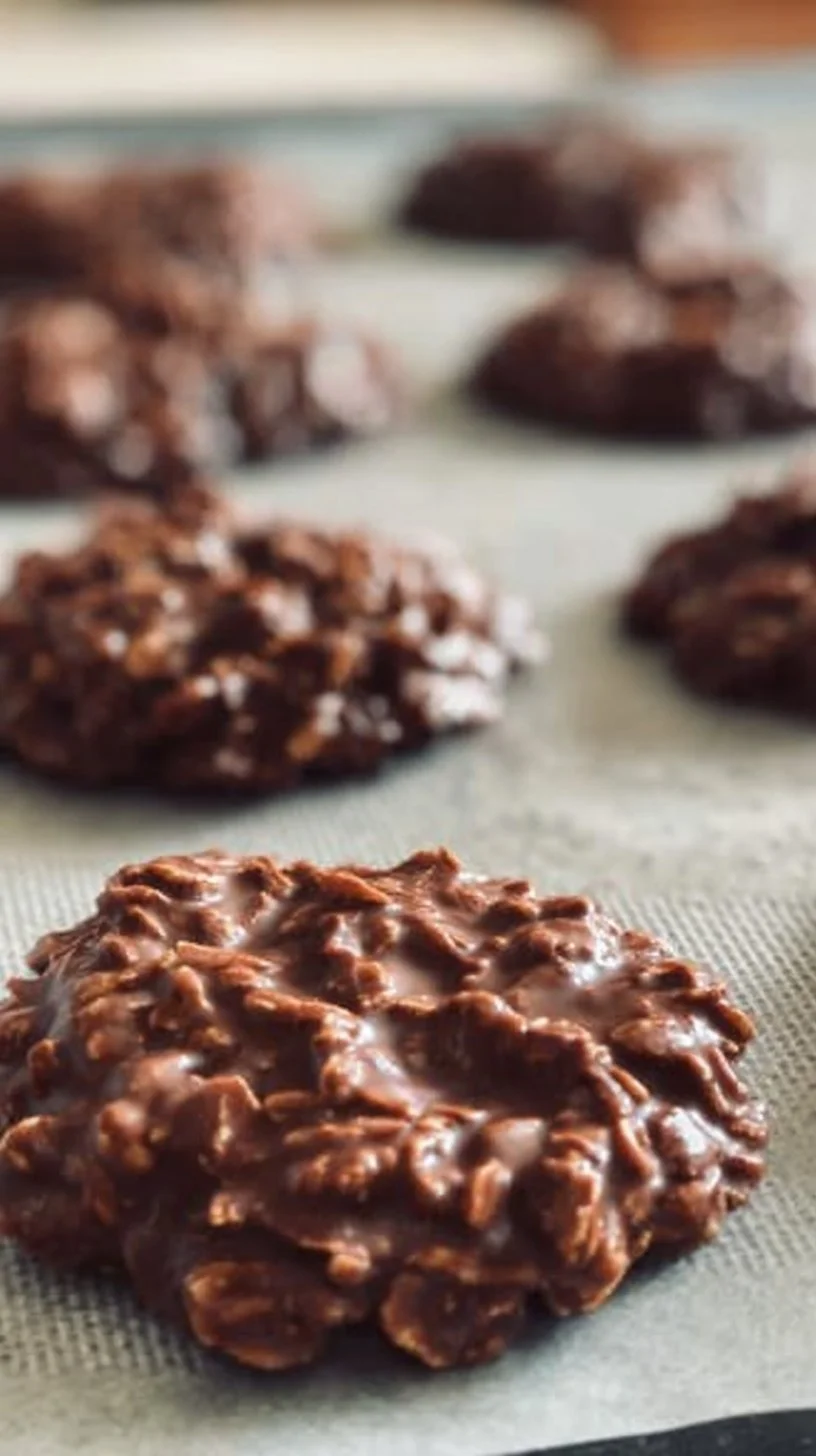
Healthy No Bake Cookies are a simple, nutrient-forward take on a classic no-bake treat. As a nutrition specialist, I approach recipes like this by balancing enjoyment with digestion-friendly choices and nutrient density. These cookies rely on a short list of whole-food ingredients—oils, sweetener, nut butter, cocoa, and oats—which makes them straightforward to assess and adapt for different needs. If you enjoy other chilled, quick desserts you may recognize similar techniques from a no-bake Grinch pie, where structure comes from chilled fats and binders rather than baking.
In this article I’ll walk through how this recipe supports overall wellness, explain how each ingredient contributes to digestion and long-term health, and offer practical, evidence-based tips for storing and pairing these cookies into balanced meals. My aim is to help you use this recipe in a way that supports regular digestion, steady energy, and a sustainable approach to treats.
How this recipe supports overall wellness
No-bake recipes like these can be supportive of overall wellness when used mindfully. They prioritize minimally processed components and provide a mix of macronutrients—fat from coconut oil and nut butter, carbohydrates from oats and maple syrup, and a modest amount of protein from the nut butter and oats. This combination slows digestion slightly compared with a sugar-only snack, which tends to blunt sharp blood sugar spikes and supports more stable energy between meals.
The oat base adds soluble fiber, which promotes healthy digestion and can support feelings of fullness after eating. The nut butter contributes monounsaturated and polyunsaturated fats that are beneficial for heart health when used in place of trans and excessive saturated fats. Cocoa powder contributes antioxidant polyphenols that, in the context of an overall healthy diet, may support vascular health and inflammation control.
For people who enjoy making quick treats at home, these cookies are an opportunity to practice portion awareness and ingredient transparency—two important habits for long-term wellness. If you’re looking for other no-bake ideas that use similar mixing and chilling techniques, try comparing preparations such as the no-bake rocky road bars to observe how different binders and add-ins change texture and satiety.
How to make Healthy No Bake Cookies
This recipe is intentionally simple, and its method is gentle on ingredients to preserve texture and digestibility. The goal is to melt and combine the fats and sweetener, incorporate the cocoa for flavor, and then fold in the oats so they absorb the mixture and bind without heat. The process avoids boiling, which helps preserve the flavor of maple syrup and maintain the nut butter’s natural oils.
When following the Directions below, focus on medium heat and gentle stirring to create a smooth emulsion. Work quickly once the oats are added—drop the mixture onto the prepared surface while warm so the cookies set with an even shape once chilled. The step to place cookies in the freezer accelerates setting and gives a firmer bite; storing them in the refrigerator or freezer thereafter will keep them stable and reduce the risk of oil separation at room temperature.
Ingredients :
1/4 cup coconut oil, 1/4 cup maple syrup, 1/2 cup nut butter, 1/3 cup cocoa powder, 1 cup oats
Directions :
- Over medium heat in a small pot, combine coconut oil, maple syrup, and nut butter until smooth.
- Add cocoa powder and stir until smooth.
- Add oats and stir to combine. Do not boil.
- Drop into 12 cookies on a cookie sheet covered in wax paper.
- Place in the freezer for 20 minutes to set. Store in the refrigerator or freezer.
Nutrient roles of each main ingredient
Coconut oil: Provides a concentrated source of fat that helps the cookies set when chilled. Fats slow gastric emptying so that carbohydrates are released into the bloodstream more gradually, which can support more sustained energy. Use it moderately because fat is calorie-dense.
Maple syrup: Acts as the sweetener and a binder because of its liquid sugars. It contains trace minerals like manganese and zinc and lends a complex flavor compared with refined sugar. From a nutrition perspective, keep portion size in mind since sugars are quickly absorbed.
Nut butter: Adds flavor, texture, and protein as well as heart-healthy unsaturated fats. Nut butters also contribute micronutrients such as vitamin E, magnesium, and B vitamins. Choose a pure nut butter with minimal added sugar or oils for the best nutritional profile.
Cocoa powder: Provides rich chocolate flavor with relatively low added calories and a meaningful dose of polyphenols, which have antioxidant activity. Unsweetened cocoa supports flavor without extra sugars.
Oats: The primary carbohydrate and fiber source. Oats contain both soluble fiber (beta-glucan) and resistant starch when cooled, which can support healthy digestion, improved lipid profiles, and increased satiety.
The preparation method & its health impact
No-bake preparation preserves certain heat-sensitive nutrients and maintains the natural oils and flavors of ingredients like nut butter and maple syrup. Because the recipe avoids high temperatures and prolonged cooking, it keeps the structure of oats and the aromatic compounds in cocoa intact. However, because coconut oil is a saturated fat, keep total portion sizes moderate within daily intakes.
Chilling rather than baking also means less Maillard reaction (browning), which some people prefer for flavor but which can diminish some heat-sensitive antioxidants. The short heat step used here—just enough to create a smooth mixture—strikes a balance between palatability and nutrient preservation.
From a digestion standpoint, combining fat with carbohydrate slows absorption, which can be useful for managing hunger and energy levels. If you have specific digestive conditions (for example, fat malabsorption), consider adjusting portion sizes or using a lighter oil and discussing with a clinician.
Ways to lighten, enrich or modify the dish nutritionally
There are sensible, evidence-based ways to tweak this recipe while keeping the core instructions and measurements unchanged. To lighten calories per cookie without altering ingredient quantities in the recipe, serve smaller portions—divide the batch into 16–18 smaller cookies instead of 12. That preserves the ingredient ratios while reducing per-cookie energy.
To enrich micronutrients and fiber, consider serving a cookie alongside fresh fruit or a plain Greek yogurt (see pairing ideas below) rather than adding extra ingredients directly into the dough. If you want a different texture or to increase plant-based protein, experiment outside this recipe by choosing a nut butter higher in protein (e.g., almond or soy-based spreads) or alternating some oats with a small proportion of ground oats or oat flour in other recipes. For ideas about how similar no-bake recipes balance add-ins and textures, the baked chicken cordon bleu recipe is an example of balancing components for a complete meal in a different context; thinking about whole plate balance is useful when incorporating treats.
If you’re avoiding coconut for flavor or allergy reasons, be mindful that switching oils will change the setting properties; some oils remain liquid at refrigerator temperatures and won’t allow the cookies to set as firmly.
Pairing ideas for a balanced, complete meal
Think of these cookies as an energy-rich item that’s best paired with fiber and protein for a satisfying, balanced snack or light dessert. Practical pairings include:
- A small container of plain Greek yogurt and a handful of berries for added protein and vitamin C.
- An apple or pear sliced alongside one cookie to add extra fiber and water content, supporting digestion.
- A warm cup of herbal tea and a small portion of cottage cheese for a calming, protein-forward evening snack.
When assembling a balanced plate that includes a sweet treat, aim to include a source of protein, some fiber-rich produce, and fluid to support digestion and satiety. If you enjoy exploring sweet-baked treats in a breakfast format, contrast methods and flavors with recipes like the chewy maple cinnamon cookies to see how different textures and pairings influence fullness and enjoyment.
Safe storage, food safety & optimal reheating
Because this recipe uses melted fats and no eggs or dairy in the mixture itself, the major food-safety concerns are temperature and oil separation. After the initial 20 minutes in the freezer, store cookies in an airtight container in the refrigerator for up to one week, or freeze them for up to three months. When frozen, thaw in the refrigerator to preserve texture; avoid leaving them at room temperature for extended periods, especially in warm environments, to reduce oil separation and maintain quality.
If oil separates and pools on the surface after storage, a brief return to the refrigerator will resolidify the fats; stirring isn’t appropriate here because the cookies are set. There’s no need to reheat these cookies—serve chilled or at cool room temperature. If a softer texture is preferred, let them sit for 10–15 minutes at room temperature before serving.
Common nutrition questions about this dish
Are these cookies suitable for blood sugar management? Because they contain fat, protein, and fiber, they produce a slower post-meal glucose response than a sugar-only cookie. Still, portion control matters: combining a cookie with a protein source (yogurt, nuts) further blunts glucose peaks and improves satisfaction.
Are they appropriate for weight management? In a balanced diet, occasional treats can fit within calorie goals. Focus on mindful portioning and pairings that add protein and produce to support fullness.
Are they allergen-friendly? The recipe includes nut butter, so it isn’t nut-free unless you substitute a seed butter (note: substitutions are outside the allowed recipe changes in this article). Always consider household and guest allergies and label containers clearly if sharing.
Can children eat them? Yes, in moderation. Watch portion sizes and be mindful of choking hazards for very young children; oats and nut butter textures are typically fine, but always supervise.
Final wellness notes
These Healthy No Bake Cookies offer a quick, satisfying option when you want a chocolatey treat without baking. The simplicity of the ingredients supports transparency and allows you to integrate them thoughtfully into a balanced eating pattern. Focus on portion size, pair with protein and fiber-rich foods when possible, and store them properly to maintain texture and safety. Enjoying small, well-composed treats regularly can be part of a sustainable approach to long-term wellness when combined with diverse whole foods, adequate sleep, movement, and hydration.
Conclusion
For a similar approach to a chocolate-peanut butter no-bake cookie, check the recipe at Healthy No-Bake Cookies – JoyFoodSunshine which offers a comparable technique and flavor profile. If you’re curious about another clean-ingredient version, this Healthy No Bake Cookies Recipe – Detoxinista is a useful reference for ingredient swaps and texture notes. For a gluten-free, vegan take that uses similar chilling methods, see Healthy No Bake Cookies (Gluten Free, Vegan) – One Lovely Life.
Healthy No Bake Cookies
Ingredients
Method
- Over medium heat in a small pot, combine coconut oil, maple syrup, and nut butter until smooth.
- Add cocoa powder and stir until smooth.
- Add oats and stir to combine. Do not boil.
- Drop into 12 cookies on a cookie sheet covered in wax paper.
- Place in the freezer for 20 minutes to set.
- Store in the refrigerator or freezer.