High-Protein Chocolate Banana Bread
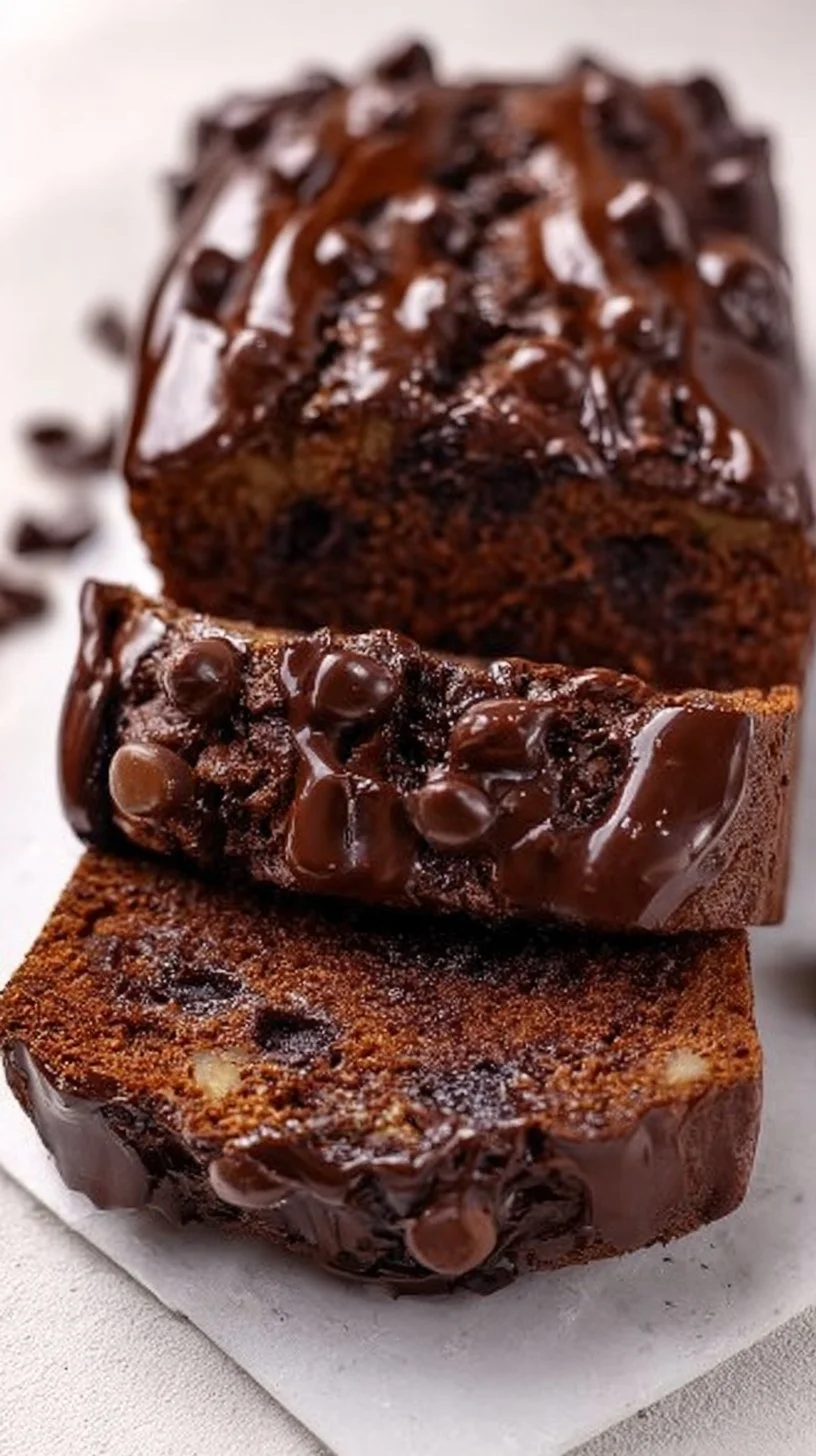
There is a particular comfort that travels well: the smell of warm chocolate threaded with banana, an aroma that can anchor a morning in a fisherman’s village or a late afternoon in a metropolitan apartment. High-Protein Chocolate Banana Bread is a contemporary curio — a loaf that nods to deep, tropical histories and to modern demands for nourishment that fits a life in motion. My own first encounter with something like this bread happened in a sunlit hostel kitchen in Lisbon, where a young climber from Brazil offered a slice he called "bolo de banana com cacau" and spoke of mornings on a cliff, quick calories tucked between routes. In that kitchen the loaf was more than sustenance; it became an object of exchange, an edible postcard that stitched together Atlantic histories and the intimate geography of memory. For a reader curious about how an everyday loaf carries the weight of place, I’ll take you through the lineage, the sensory life, and the quiet ways this recipe has been folded into regional traditions and personal rituals. Along the way you may find kin in other sweet treats — for instance, the playful, celebratory textures of chocolate confetti squares — and begin to see this bread as part of a broader family of shared confections.
The origin story & regional influence behind this dish
Banana bread, at its heart, is a product of converging histories: the migration of the banana from Southeast Asia to the Americas through colonial trade, and the global voyage of cacao from its Mesoamerican cradle to European tables and beyond. The banana itself became a household staple in the Caribbean and Latin America long before it found its way into quick-bread loaves in mid-century North America. Cacao, fermenting under tropical leaves, carries a lineage that is both ritual and exchange, and when it meets banana in a kitchen the result is a dialogue between two tropical flavors that have traversed oceans.
In the middle of the twentieth century, when home baking became both economy and craft, banana bread emerged as a comforting solution to overripe fruit and an emblem of domestic resourcefulness. It traveled with migrants and travelers, its recipe adapting as it landed in different kitchens. Enter protein powder — a distinctly modern ingredient that signals the era of fitness culture and the commodification of nutrition. When I taste a high-protein chocolate banana loaf, I taste history layered with present-day priorities: the old resilience of using what you have, and the new impulse to fortify nourishment for an active life. Regional influences also color the loaf: almond flour brings in Mediterranean and Middle Eastern echoes of nut-based baking, while honey or maple syrup evokes beekeeping traditions and the forest syrup of North America.
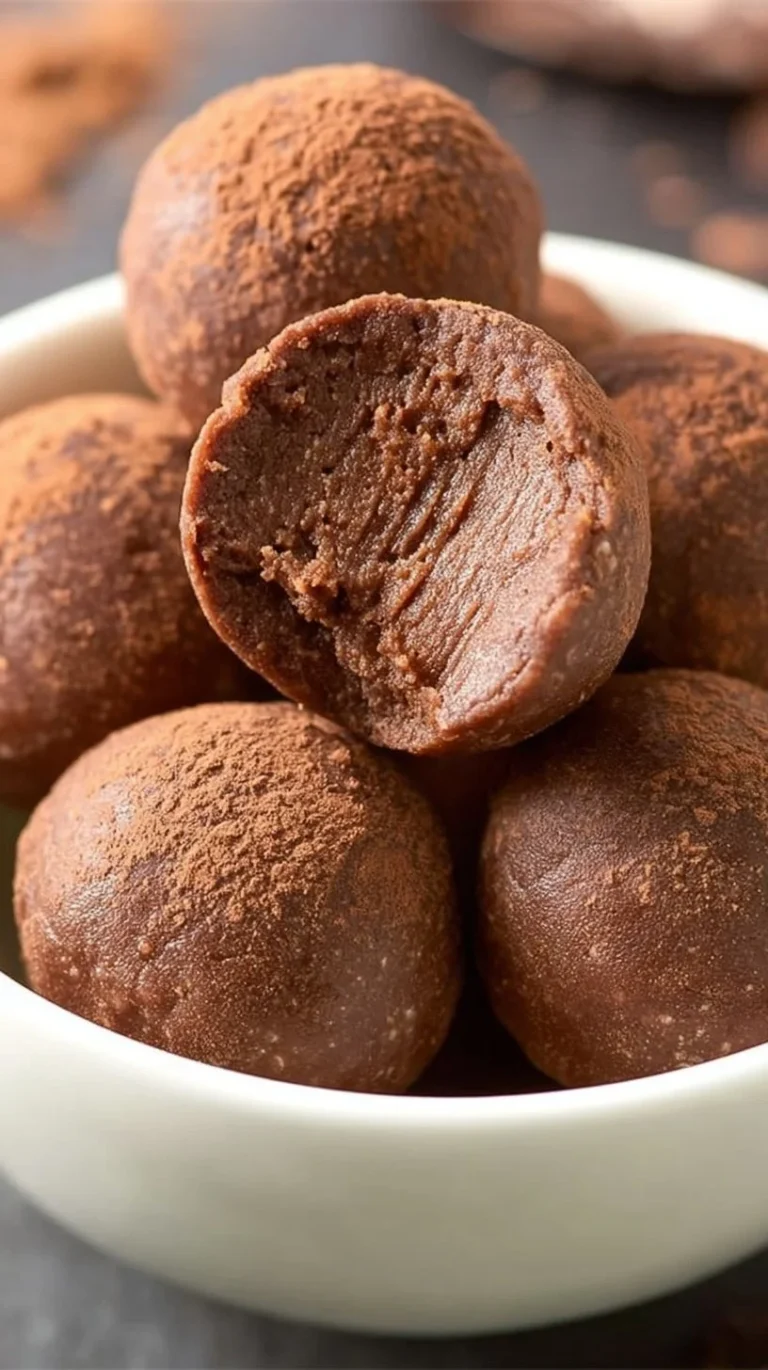
There is a soft but revealing comparison to be made with other hybrid desserts that bridge cultures, such as the sensory drama of chocolate-covered cherry magic bars, where textures and flavors converse across culinary borders. In each case, the dish becomes a map — you can trace trade routes and home kitchens in its crumbs.
How to make High-Protein Chocolate Banana Bread
To speak of making this loaf is to speak of a ritual: preheating an oven like a small hearth, mashing bananas until their perfume rises, folding in dark cocoa until the batter recalls wet earth. The act is intimate, literal, and almost ceremonial. When travelers in small guesthouses hand over a warm slice, they are offering not only food but the reassurance that life continues across borders and time zones. This lane between the pragmatic and the sentimental is where this bread lives. The directions that follow are a simple, human itinerary — a few gestures, a loaf pan, an oven — and from them emerge the deep, consoling textures that link kitchens from Brooklyn to Beirut.
Ingredients :
3 ripe bananas, 1 cup cocoa powder, 1 scoop protein powder, 1 cup almond flour, 1/2 cup honey or maple syrup, 1 teaspoon baking soda, 1 teaspoon vanilla extract, Pinch of salt
Directions :
- Preheat your oven to 350°F (175°C) and line a loaf pan with parchment paper., 2. In a mixing bowl, mash the ripe bananas until smooth., 3. Add the cocoa powder, protein powder, almond flour, honey or maple syrup, baking soda, vanilla extract, and salt to the mashed bananas., 4. Mix until all ingredients are well combined., 5. Pour the batter into the prepared loaf pan and smooth the top., 6. Bake for 30-35 minutes, or until a toothpick inserted into the center comes out clean., 7. Allow to cool before slicing. Enjoy your high-protein chocolate banana bread!
Ingredients through a cultural & historical lens
The list of ingredients reads like a small atlas. Bananas — the immediate, fragrant anchor — carry stories of plantation economies and peasant gardens alike. Cocoa powder is the textural memory of indigenous beverages, refined and globalized by centuries of trade. Almond flour hints at an older world of nut-based pastries, where almonds were prized in Mediterranean and Middle Eastern patisseries; its presence here softens gluten’s role and nods to grainless traditions. The scoop of protein powder is the unmistakable hallmark of recent decades: powdered extracts and isolates that promise concentrated strength, prized by athletes and commuters who need compact, portable nutrition.
Honey or maple syrup introduces a choice of sweet terroir: the golden viscosity of honey conjures sunlit hives and the citrus blossom notes of the Mediterranean, while the resinous warmth of maple syrup evokes frost-lined forests and Indigenous knowledge of tapping trees. Baking soda, vanilla, and a pinch of salt are the seasoning of memory, small chemical gestures that nudge texture and flavor into familiar shapes. Together these ingredients map a world where citrus orchards, cacao groves, beehives, and gyms all converge in a single loaf.
Cooking the dish: sensory notes & traditional techniques
Making this bread is less about scientific exactitude and more about attunement to scent, texture, and season. When bananas are mashed, they release a perfume that is simultaneously sweet and grassy; fold in cocoa and the air gains a deeper, slightly bitter hum that tempers the fruit’s brightness. The batter should be glossy and dense, a dusk of chocolate shading into the pale yellow traces of banana. Pour it into the pan and watch as the kitchen warms; the oven becomes a small theater where starches and sugars reconcile.
In many traditional kitchens, the oven is not merely a tool but an heirloom — a communal heart that also cooks stews, roasts, and breads. Even in urban apartments, the act of sliding a pan into heat connects the baker to countless hands that have done the same for generations. Texture-wise, the finished loaf should be moist, with a crumb that yields to a fork but resists collapsing; the top may crack like a sun-browned road, hinting at the custardy interior. Serve it warm and the chocolate aroma will rise, a scent that often opens conversation, sparking reminiscences of childhood loaves or market afternoons. This is food that encourages memory to surface, not through complex technique, but through simple, shared sensation.
How different regions prepare their version
If you follow this recipe from port to port, subtle shifts appear like accents in a spoken dialect. In North American kitchens, the recipe often wears maple syrup like a warm scarf; in Mediterranean homes, a drizzle of honey may follow the slice like a benediction. In parts of the Middle East where almond flavors are beloved, almond flour becomes less a substitute and more a signature — bakers might fold in a scattering of chopped pistachios or toast the almond flour lightly to deepen its aroma. In Brazil or the Caribbean, where plantains and bananas are omnipresent, bakers sometimes incorporate a hint of spice — allspice or cinnamon — that echoes local dessert traditions.
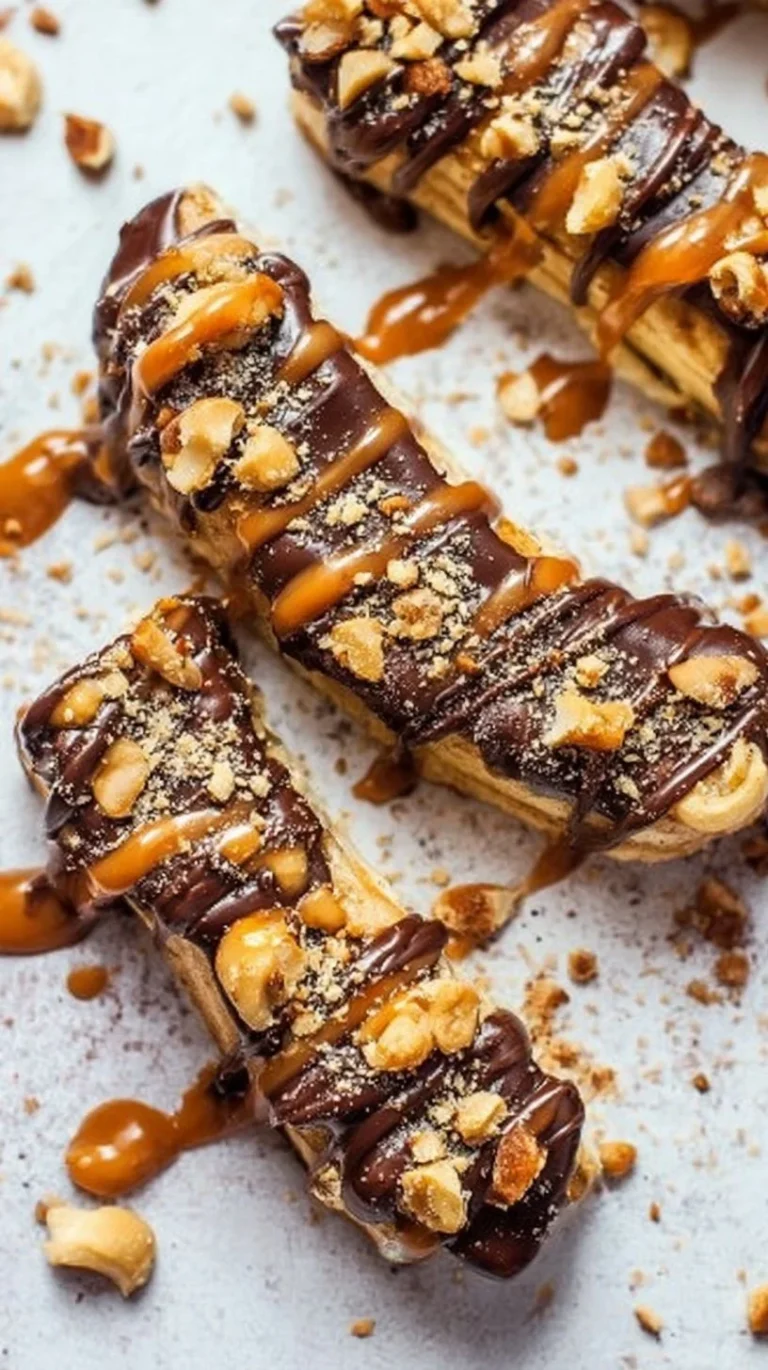
There are also urban fitness-culture takes that situate the loaf in contemporary rituals: packed into lunchboxes as a post-run recovery, it shares shelves and sympathy with the protein-packed snacks of gym communities. Yet elsewhere the loaf is ceremonial, cut into thin slices and offered with coffee during long conversations, or wrapped in paper and handed to a neighbor as a small, nourishing gift. For a sense of how chocolate finds new partners, one can look to inventive pairings such as the indulgent textures of chocolate-covered strawberry brownies, where fruit and chocolate continue their dialogue in other forms and regions.
Traditional ways this dish is shared or served
Across cultures, the simplest generosity is to break bread together. This loaf is often sliced and passed around at breakfast tables, served alongside a pot of tea or strong coffee. In some communities, it becomes the centerpiece of a picnic, its dense crumb forgiving the jostle of a woven basket. Elsewhere it is folded into school lunch traditions, an offering that speaks of a parent’s wish to give both sweetness and sustenance. When shared in the early hours, it reads as a promise: that the day will be met with warmth.
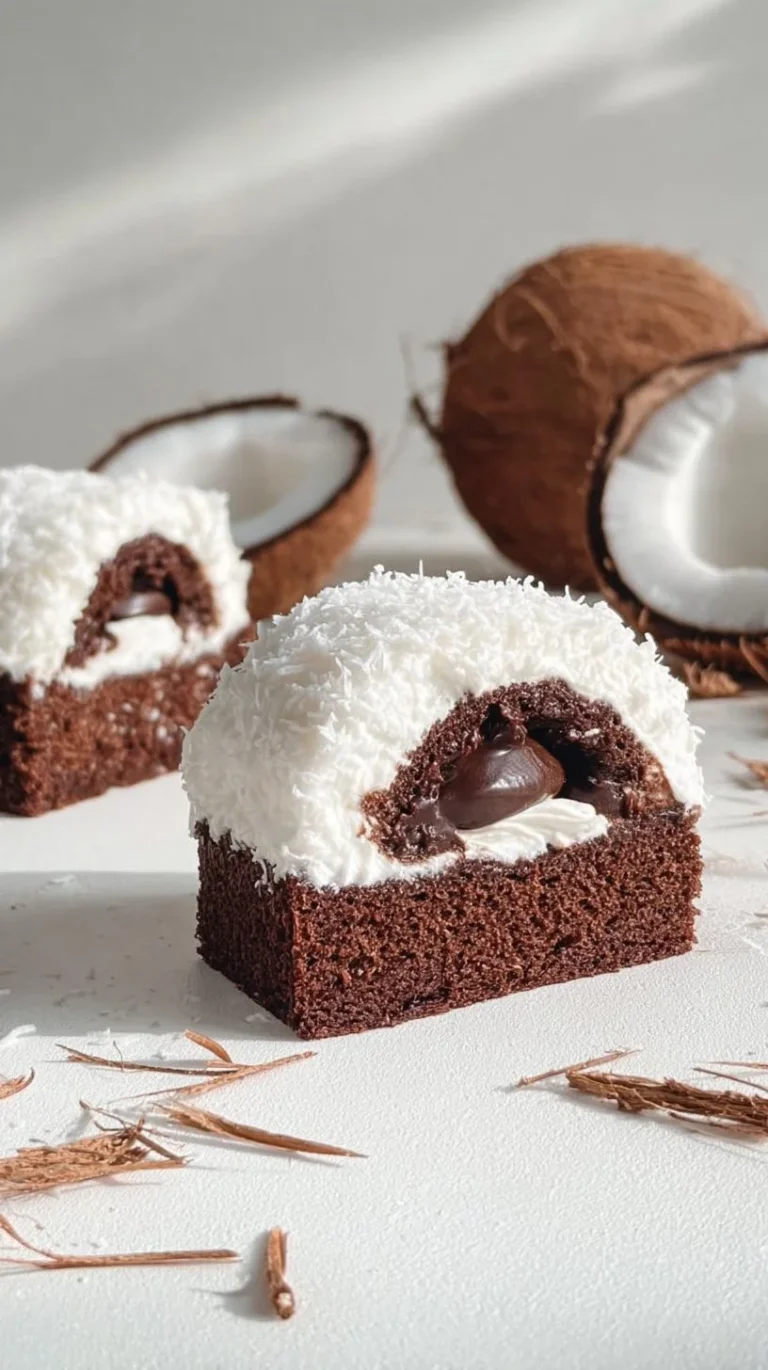
Gift-giving rituals also elevate this loaf. Imagine a neighbor, carrying a wrapped, still-warm slice, knocking on a new family’s door; the exchange is a ritual of welcome as old as villages. In colder regions the loaf might accompany winter gatherings, the chocolate offering a small hearth against the cold. And in the kind of convivial kitchens where different sweets converse, this loaf might be found alongside confections like a coconut dome with chocolate spread, each item a chapter in a conversation across palates.
Storing the dish without losing its cultural essence
Storage is practical but also cultural. Leftovers wrapped in cloth — a practice common in markets and home pantries — allow the flavors to mature gently, a micro-aging that can deepen the bread’s aroma. Refrigeration will extend shelf life but can stiffen crumb; in climates where refrigeration is traditional, slices may be warmed briefly to restore suppleness. For travelers and those on the move, wrapping a slice in parchment and carrying it in a bag is more than an act of preservation: it is a way of bringing home with you, letting the loaf be a portable memory.
Preserving the loaf’s cultural essence is less about temperature and more about manner. The way it is sliced and presented, the company with which it is consumed, these are the frames that keep its meaning intact. A slice offered with intention — whether to soothe a guest or to fuel a worker — retains the human generosity that makes food memorable.
Cultural questions people often ask
People often ask: "Is this still banana bread?" or "Does protein powder make it less authentic?" Such questions betray an understandable curiosity about what makes a dish "true." In culinary life, authenticity is less a rigid standard and more a story of continuity; this loaf is authentic insofar as it continues practices of sharing, improvising with available food, and honoring flavor. The inclusion of protein powder is a contemporary riff, akin to the way cooks once added ground nuts or local sweeteners to bolster flavor and sustenance. Others ask how to make it more traditional — and the answer is the same across kitchens: keep the gestures that matter, share the loaf, and let it be an excuse to converse.
Another frequent question is practical and human: "Who should bake it?" The answer is everyone. This recipe belongs to hands that want to bridge past and present — parents, athletes, bakers on short afternoons, travelers who want a piece of home. These social queries reveal that beyond technique, the loaf is a social object; it exists to be given and to be remembered.
A closing note on food, memory & travel
Food is a kind of map, and a loaf like High-Protein Chocolate Banana Bread charts routes between plantation and pantry, between colonial trade and kitchen improvisation, between the desire for flavor and the need for fuel. When I travel, I listen for these culinary connections: how a mashed banana in one town speaks the same albeit accented language as a mashed banana in another, how cocoa brings a bitter, sweet register to morning and evening alike. Recipes are not static; they travel with us, acquiring new layers of meaning as they are baked and shared in different rooms of the world. If you bake this loaf, consider it a small pilgrimage: an act that links your countertop to distant groves, to athletes’ routines, to honeyed afternoons and syrupy, frost-kissed mornings. It is a bread that nourishes not only the body but also the memory, and in its scent you can find the echo of many places.
Conclusion
If you’re curious to explore similar hybrids of chocolate and banana, a delightful modern take can be found in this approachable recipe for Easy Chocolate Banana Bread with Protein Powder – Liv B., which mirrors the spirit of adaptation found in many kitchens. For another perspective that leans into protein-enriched baking with a different textural balance, see this thoughtful riff on Chocolate Protein Banana Bread – Still Busy Baking.
High-Protein Chocolate Banana Bread
Ingredients
Method
- Preheat your oven to 350°F (175°C) and line a loaf pan with parchment paper.
- In a mixing bowl, mash the ripe bananas until smooth.
- Add cocoa powder, protein powder, almond flour, honey or maple syrup, baking soda, vanilla extract, and salt to the mashed bananas.
- Mix until all ingredients are well combined.
- Pour the batter into the prepared loaf pan and smooth the top.
- Bake for 30-35 minutes, or until a toothpick inserted into the center comes out clean.
- Allow to cool before slicing. Enjoy your high-protein chocolate banana bread!