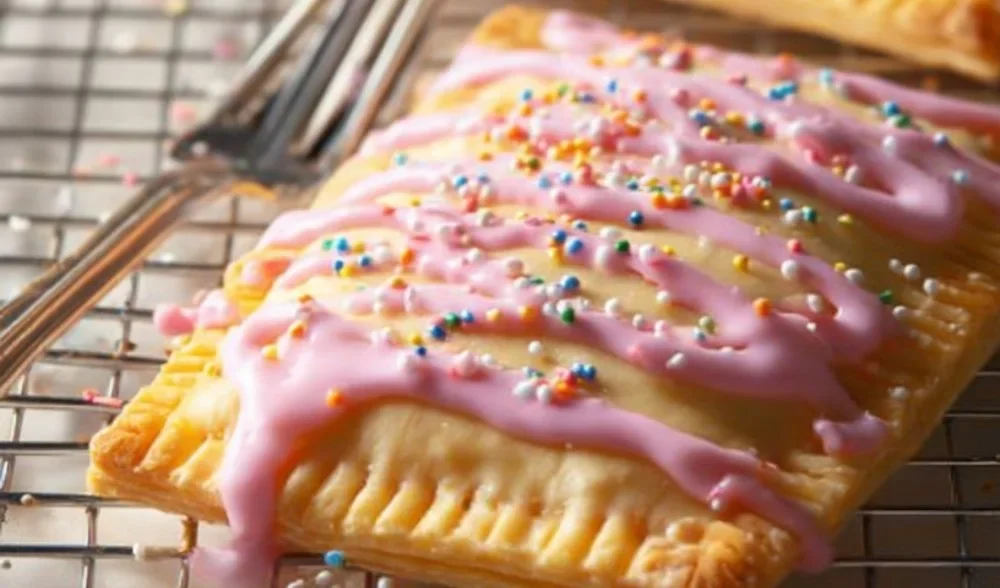
Homemade Pop Tarts
Introduction
As a nutrition specialist, I approach recipes with curiosity about how they support digestion, nutrient balance, and long-term wellness — while recognizing the pleasure and social value of food. Homemade Pop Tarts are a classic example of a comfort pastry that can be made at home with simple ingredients and a bit of technique. Making them yourself gives you control over quality, texture, and portion size in ways that store-bought versions often do not.
This article will walk through the recipe, explain the roles each ingredient plays in the body, highlight how the preparation influences digestion and nutrient availability, and offer practical, evidence-based suggestions to help you enjoy this treat as part of a balanced eating pattern. My aim is to be clear and practical: to help you make choices that are sustainable for everyday life rather than promising quick fixes or dramatic health claims.
How this recipe supports overall wellness
Homemade Pop Tarts can support wellness when used thoughtfully within a varied diet. They provide quick energy from carbohydrates, some fats for satiety and flavor, and an opportunity to combine a small treat with protein-rich or fiber-rich choices to create a more balanced eating occasion. Preparing foods at home is associated with healthier dietary patterns in observational studies, largely because it increases control over ingredients and portion sizes.
The act of making them can be beneficial, too: cooking fosters food literacy and mindful eating. From a digestive perspective, enjoying a pop tart alongside a source of protein or fiber helps moderate blood sugar response and promotes a more even release of energy. Overall, think of these as an occasional, enjoyable addition to a diet that prioritizes vegetables, whole grains, legumes, lean proteins, and healthy fats on a regular basis.
How to make Homemade Pop Tarts
This recipe follows a straightforward pastry method that many home bakers will find familiar: mix dry ingredients, cut in cold butter to create a flaky texture, bind with cold water, and roll, fill, and bake. The key techniques to emphasize are keeping the butter cold to promote flakiness, working the dough minimally to avoid toughness, and sealing edges well to prevent leakage of filling. Chilling the dough briefly can help make it easier to roll and cut clean rectangles.
When you place a filling between two rectangles, be mindful of the amount — overfilling increases the chance of bursts while baking. An even egg wash promotes golden color and helps sprinkles or icing adhere. Allowing the pastries to cool before glazing or dipping keeps the icing from sliding off and ensures a pleasant texture. These practical tips align with the provided directions and help you get consistent results.
Ingredients :
1 cup all-purpose flour, 2 tablespoons sugar, 1/4 teaspoon salt, 1/2 cup unsalted butter, chilled and cubed, 1/4 cup cold water, Filling of your choice (jam, chocolate, etc.), 1 egg (for egg wash), Sprinkles or icing (optional)
Directions :
- In a mixing bowl, combine flour, sugar, and salt.
- Add the cold butter and mix until crumbly.
- Gradually add cold water until the dough comes together.
- Roll out the dough and cut into rectangles.
- Place filling on one rectangle, top with another, and seal edges.
- Brush with egg wash.
- Bake at 350°F (175°C) for about 20 minutes until golden.
- Allow to cool, then add sprinkles or icing if desired.
Nutrient roles of each main ingredient
Understanding what each ingredient contributes helps you make informed choices.
All-purpose flour: Primarily a source of carbohydrates, it provides energy and structure to the pastry. Refined flour has most of the bran and germ removed, so it contains less fiber and fewer micronutrients than whole-grain flours. Fiber slows digestion and supports gut health, so pairing or slight substitutions can affect how the pastry impacts satiety and blood glucose.
Sugar: Adds sweetness and improves texture. Sugar is quickly digested and raises blood glucose more rapidly than complex carbohydrates. In small amounts, sugar enhances palatability and enjoyment, but repeated high intake is associated with negative health outcomes, so portion control matters.
Butter: Adds flavor, tenderness, and flakiness. Butter is a source of saturated fats and fat-soluble vitamins (if from whole dairy). Fats slow gastric emptying, which can help extend feelings of fullness and blunt a rapid blood sugar spike when consumed alongside carbohydrates.
Cold water: Hydrates the flour to form gluten and binds the dough. The amount of water determines dough consistency; working gently helps keep the texture tender.
Filling (jam, chocolate, etc.): Contributes concentrated sugars and, depending on choice, fruit-derived vitamins or small amounts of antioxidants. Chocolate fillings can add small amounts of minerals and fats. If you choose a fruit-based filling with visible fruit, you’ll add a little fiber and phytochemicals.
Egg (for egg wash): Adds a glossy, appetizing finish and a small amount of protein and micronutrients on the pastry surface.
Sprinkles or icing: Mostly sugar and colorants; they are optional and mainly decorative and for taste.
Taken together, this recipe yields a carbohydrate-rich pastry with fat from butter and small amounts of protein. Mindful pairing and portioning will help it fit into a nutrient-dense eating pattern.
The preparation method & its health impact
Baking, rather than frying, is a health-forward preparation method because it minimizes added fats that come with frying. The technique of cutting cold butter into flour creates discrete layers of fat and flour that bake into a flaky texture; this also distributes fat more evenly so each bite contains both carbohydrate and fat. This combination slows digestion slightly compared to pure carbohydrate, which can help moderate glycemic response.
However, because the base uses refined flour and sugar, the overall glycemic load per serving will still be moderate to high — especially if you consume multiple pop tarts. Combining a pop tart with a protein-rich food (e.g., Greek yogurt or a small handful of nuts) or a fiber-rich side (e.g., fresh berries) can lower the meal’s glycemic impact and increase satiety. Additionally, paying attention to portion size and frequency of consumption is important: enjoy these as occasional treats woven into meals that are otherwise high in vegetables, protein, and whole grains.
Ways to lighten, enrich or modify the dish nutritionally
Without changing the recipe text itself, there are practical, evidence-based ways to shift the nutritional profile when you make similar pastries in your own kitchen:
Add protein at the meal: Serve one pop tart with a hard-boiled egg or a small cup of low-fat Greek yogurt to balance the carbohydrate with protein.
Incorporate fiber: Use fruit-based fillings with larger fruit chunks or add a side of fresh berries to increase fiber and antioxidants, which helps slow digestion.
Control portion sizes: Make smaller rectangles to reduce per-serving carbohydrate and calorie load while preserving the enjoyment of a homemade treat.
Choose fillings wisely: A filling with less added sugar or one that is more fruit-forward will contribute fewer refined sugars per serving than a heavy chocolate ganache or high-sugar jam.
Mind the toppings: If you want a sweet finish, consider a thin dusting of powdered sugar or a light glaze rather than heavy icing and sprinkles; this reduces added sugars.
These approaches allow you to preserve the joy of the recipe while nudging nutrient density upward and added sugars downward.
Pairing ideas for a balanced, complete meal
Pairing is a simple, effective way to make a treat more balanced:
Breakfast pairing: One Homemade Pop Tart with a serving of plain Greek yogurt topped with a sprinkle of nuts and fresh fruit. This adds protein, healthy fats, and fiber.
Snack pairing: Pair with a small apple and 1 tablespoon of almond butter to combine carbs with fiber and plant-based fat and protein.
Brunch option: Serve one pop tart alongside an omelet filled with vegetables; the eggs lend protein and the vegetables supply fiber and micronutrients.
Kid-friendly plate: Cut a pop tart into smaller pieces and offer with cottage cheese and sliced banana to make a mix-and-match plate that promotes variety.
The goal is not to transform the pastry into a health food, but to create eating opportunities that support steady energy, digestive comfort, and nutrient balance.
Safe storage, food safety & optimal reheating
Proper storage preserves quality and food safety. Once baked and fully cooled, store Homemade Pop Tarts at room temperature in an airtight container for up to 2 days to maintain crispness. If your filling is perishable (for example, custard or a fresh fruit compote), refrigerate and consume within 2–3 days.
For longer storage, you can freeze fully cooled pop tarts in a single layer on a baking sheet until firm, then transfer to a freezer bag for up to 1 month. Thaw in the refrigerator or at room temperature, and re-crisp in a toaster oven or regular oven at 325°F (160°C) for 5–10 minutes. Avoid microwaving if you want to preserve flakiness, though a quick microwave revive can work for a softer texture.
Always ensure fillings are heated to a comfortable eating temperature and that eggs used for wash are handled with usual food-safety precautions (keep eggs refrigerated and avoid cross-contamination). Clean hands and surfaces during prep reduce the risk of contamination.
Common nutrition questions about this dish
Are pop tarts “unhealthy”? No food is inherently off-limits. Homemade Pop Tarts are an energy-dense bakery item; enjoyed occasionally within a varied diet they can fit into a healthy lifestyle. What matters most is overall dietary pattern, portion control, and meal composition.
How do they affect blood sugar? Because they are made with refined flour and sugar, they can raise blood glucose relatively quickly. Pairing with protein, fat, or fiber can moderate this response.
Can children eat them? Yes, in age-appropriate portions. Balancing a pop tart with nutrient-dense foods (fruit, dairy, protein) helps ensure a more nourishing meal. For very young children, consider texture and portion size.
What about allergies? This recipe contains wheat, dairy (butter), and egg. Substitute strategies exist for those with allergies, but if you have to follow strict medical restrictions, consult a registered dietitian for safe alternatives.
How often is too often? Frequency is personal and depends on overall diet quality. Regularly prioritizing vegetables, whole grains, legumes, lean proteins, and healthy fats is more important than eliminating occasional treats.
Final wellness notes
Homemade Pop Tarts illustrate how small, home-prepared treats can be integrated into a balanced dietary approach. They offer sensory pleasure and the satisfaction of making something by hand, while also providing an opportunity to practice portion control and thoughtful pairing. Prioritize variety over perfection: a largely nutrient-dense diet with occasional home-made pastries can support both physical health and quality of life.
If you’re aiming to improve nutrient intake over time, focus on adding consistent servings of vegetables, fruits, whole grains, and lean protein across the day, and use treats like pop tarts as intentional parts of meals or snacks rather than as frequent stand-alone choices. This approach supports digestive comfort, steady energy, and long-term adherence because it balances enjoyment and nourishment.
Conclusion
For technique inspiration and variations when you want to explore more homemade pop tart ideas, Sally’s Baking provides a detailed take on a frosted brown sugar cinnamon version that highlights flavor and technique: Sally’s Baking’s brown sugar cinnamon pop tarts. For a simple, classic homemade pop tart method with step-by-step photos, Farmhouse on Boone offers a helpful tutorial you can compare with this recipe: Farmhouse on Boone’s homemade pop tarts guide. And if you’re interested in another home-cook perspective with approachable instructions and flavor ideas, The Pioneer Woman’s take on Homemade Pop Tarts is a useful reference: The Pioneer Woman’s Homemade Pop Tarts.
Homemade Pop Tarts
Ingredients
Method
- In a mixing bowl, combine flour, sugar, and salt.
- Add the cold butter and mix until crumbly.
- Gradually add cold water until the dough comes together.
- Roll out the dough and cut into rectangles.
- Place filling on one rectangle, top with another, and seal edges.
- Brush with egg wash.
- Bake at 350°F (175°C) for about 20 minutes until golden.
- Allow to cool, then add sprinkles or icing if desired.