Vanilla Cheesecake Dessert Cups
AARON Introduction
As a nutrition specialist, I see desserts like Vanilla Cheesecake Dessert Cups not only as treats but also as opportunities to practice mindful eating and balance. These individual cups can be a controlled way to enjoy a creamy, satisfying dessert while paying attention to portion, ingredients, and how the treat fits into overall daily nutrition. Small-format desserts often help people moderate intake without feeling deprived, and they can be built to emphasize flavor and a pleasant eating experience rather than excess.
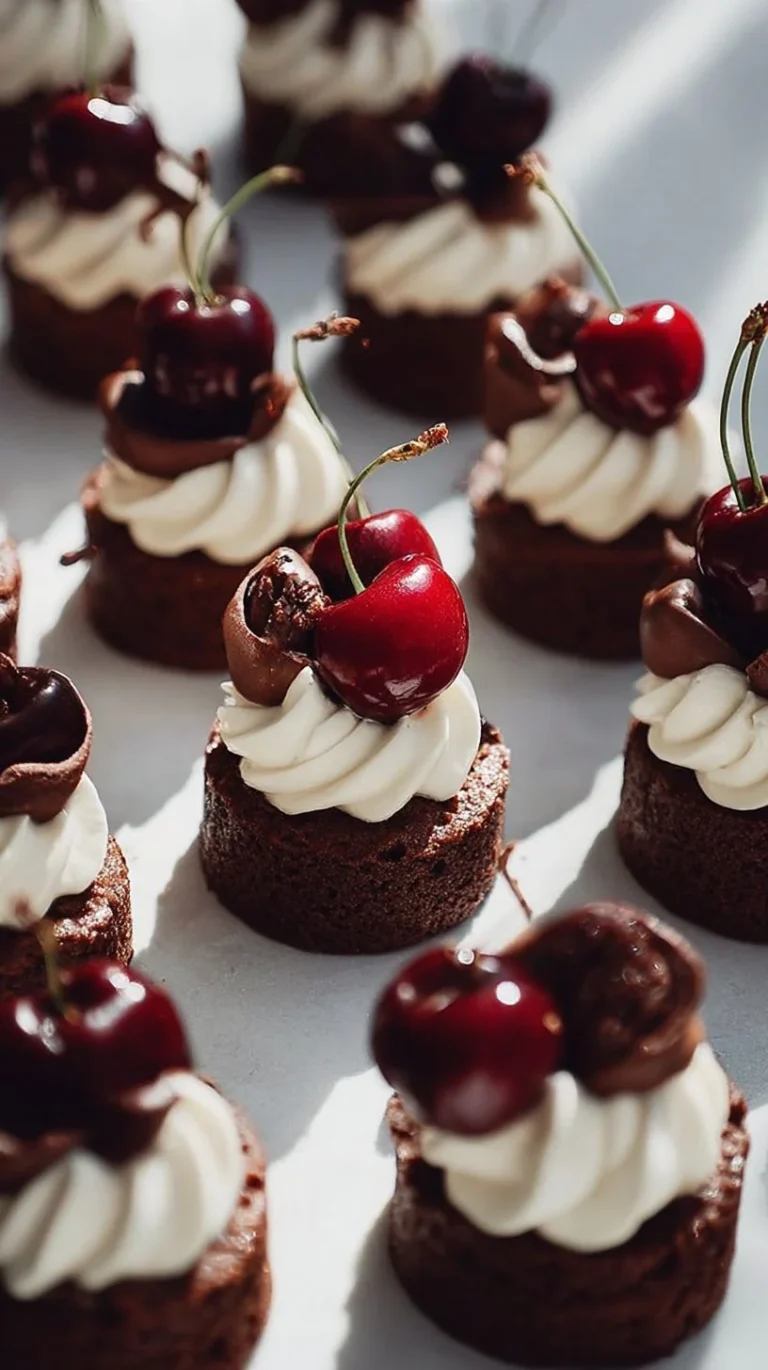
If you enjoy mini desserts and want ideas for variety, you might appreciate how different small-format treats compare; for example, the Black Forest mini dessert cups recipe takes a different flavor approach but similarly focuses on portion control and presentation. Throughout this article I’ll explain the role each ingredient plays, how the preparation method affects digestion and nutrient quality, and practical, evidence-based ways to adjust the recipe for a balance that supports long-term wellness.
How this recipe supports overall wellness
Vanilla Cheesecake Dessert Cups are energy-dense but can be integrated into a nutrient-balanced eating pattern. From a wellness perspective, the recipe supports enjoyment and satiety through fat and protein (mainly from cream cheese and cream), while the cookie crumb base provides carbohydrate that satisfies cravings for something crunchy and sweet. Eating a small, pleasurable dessert can help people sustain healthier eating patterns over time by reducing the urge to binge or substitute with less-satisfying options.
This dish can also be useful for people who need concentrated calories—athletes, older adults, or those recovering from illness—when consumed within an appropriate meal plan. For most people aiming for long-term wellness, the key is moderation, pairing dessert with balanced meals across the day, and paying attention to hunger and fullness cues. For a broader look at sweet treats and how they fit into an overall approach to desserts, consider reading an overview of desserts and sweet treats that highlights portion and frequency in context: desserts and sweet treats guidance.
How to make Vanilla Cheesecake Dessert Cups
This section walks through the recipe process with practical notes on technique and digestion-friendly tips. The original method is preserved exactly below, and then I’ll highlight simple tweaks you can use without changing the core steps.
Ingredients :
120 g cookie crumbs, 250 g cream cheese, ¾ cup superfine sugar, 300 ml heavy cream, 2 tsp vanilla, 10 Raffaello chocolates
Directions :
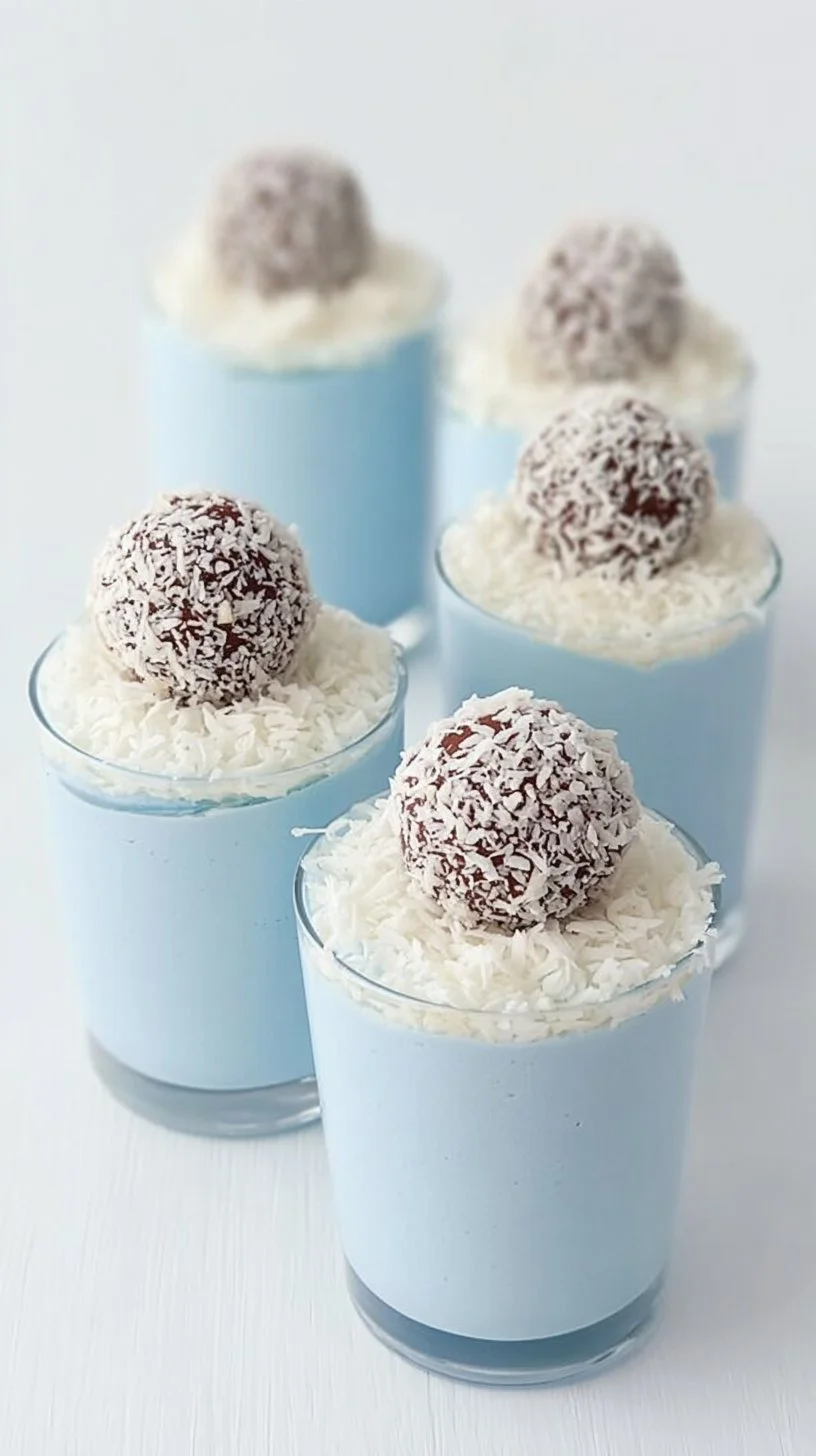
Use a stick blender, food processor, or a zip lock bag and rolling pin to blend cookies into a fine crumb., Distribute evenly among 10 mini dessert cups., Place cream cheese in a mixing bowl. Use a hand mixer to mix until smooth and fluffy., Add the caster sugar to the cream cheese and mix again until well blended and smooth., Add the heavy cream and vanilla extract to the cream cheese mixture. Mix well until the mixture is evenly blended and thickened. Ensure to scrape the sides and bottom of the bowl thoroughly., Add a couple of drops of violet gel food colour (or any color of your preference). Mix well until the color is evenly distributed., Pour or spoon the cheesecake mixture into the mini dessert cups on top of the crumb base., Refrigerate the dessert cups for at least two hours to set before decorating., Top each mini dessert cup with a Raffaello chocolate., Keep refrigerated until ready to serve.
Practical notes while making:
- Texture matters for digestion. Beat the cream cheese until smooth to make the dessert easier to eat and slightly easier to digest for people who sometimes struggle with dense textures.
- Chilling for at least two hours lets the fats solidify and the flavors meld, which often improves satiety—small portions can feel more satisfying when texture and temperature are optimal.
- If you want inspiration for other small-format creamy desserts that use similar techniques (blending, layering, chilling), see a comparable mini mousse approach: mini chocolate mousse cups.
Nutrient roles of each main ingredient
Understanding what each major component contributes helps you tune the dessert to nutritional goals:
- Cookie crumbs (120 g): Primarily a source of carbohydrates and some added sugars. They provide the crunchy contrast and contribute to energy. If whole-grain or nut-based crumbs are used as a variation, you can increase fiber and micronutrients, but the original crumbs are kept as specified here.
- Cream cheese (250 g): A concentrated source of fat and a modest amount of protein along with fat-soluble vitamins like A and small amounts of calcium. It contributes mouthfeel and satiety.
- Superfine sugar (¾ cup): Adds sweetness and quick energy. In small amounts within a shared dessert, sugar helps palatability and enjoyment; balance comes from portion control.
- Heavy cream (300 ml): High in fat (mostly saturated) that provides richness, slows gastric emptying, and enhances flavor. Fat slows digestion slightly, which can help with satiety.
- Vanilla (2 tsp): Adds aroma and perceived sweetness without calories, enhancing taste and satisfaction from the dessert.
- Raffaello chocolates (10): Decorative and provide additional textural contrast and flavor; these are treat items best used sparingly as garnish.
Taken together, the dessert is a high-fat, moderate-carbohydrate treat with some protein. Eating it with a meal that includes fiber and vegetables can help moderate blood sugar response and contribute to overall meal balance.
The preparation method & its health impact
No-bake, chilled desserts have specific implications for digestion and food safety:
- No-bake technique: Because this recipe is no-bake, it preserves the textures of dairy (cream and cream cheese) that can be sensitive to heat. The no-bake method also means the structure relies on chilled fats and aeration rather than gelatinization. This typically results in a soft, creamy texture that many find easy to consume and digest.
- Aeration and fat: Whipping the cream and beating the cream cheese incorporates air and changes the texture, which can increase perceived volume without changing energy content. This makes small portions feel more substantial.
- Cooling and setting: Refrigeration for at least two hours is important for safety and structure. Cooling also reduces the volatility of aromas, which can make the dessert taste richer and more satisfying, so people may eat less to feel satisfied.
- Food safety: Since dairy is not cooked in this recipe, maintain good hygiene, use pasteurized cream and cream cheese, and keep everything chilled during preparation. I’ll expand on safe storage below.
For more examples of chilled or layered desserts that follow similar preparation principles, you might look at dessert formats like dessert tacos for contrasting textures: dessert tacos ideas.
Ways to lighten, enrich or modify the dish nutritionally
Keeping the recipe unchanged is important when following it verbatim, but if your goal is to tailor similar treats to be lighter or more nutrient-dense while maintaining the same method, consider these evidence-based strategies you can apply in other contexts:
- Lighten (reduce energy density): Use a lower-fat cream cheese or replace part of the cream with thickened yogurt (Greek-style) in other recipes; this reduces fat and increases protein. Swapping half the crumbs for crushed nuts adds healthy fats and protein but may not lighten calories.
- Enrich (increase nutrients): Add grated citrus zest into the cream mixture for vitamin C and flavor with minimal calories. Fold in a small amount of mashed berries for color, fiber, and antioxidants.
- Reduce added sugar: Try using a slightly smaller quantity of superfine sugar or replace a portion with a natural sweetener like mashed ripe banana or a concentrated fruit purée in different versions.
- Increase fiber: Top each cup with a teaspoon of toasted seeds or a few berries at serving to add fiber and phytonutrients that aid digestion and slow glucose absorption.
- Portion control: Serve in the specified mini dessert cups (10 portions) to keep single servings reasonable and mindful.
If you want a lighter creamy dessert that uses a similar no-bake method, a mini mousse version might inspire swaps: mini chocolate mousse cups variations.
Pairing ideas for a balanced, complete meal
Pairing dessert with other foods can help balance blood sugar and improve digestion:
- After a balanced meal: Enjoy a single dessert cup after a meal that includes lean protein (fish, poultry, legumes), fiber-rich vegetables, and a whole grain. The protein and fiber slow digestion, moderating the metabolic response to dessert sugars.
- Beverage pairing: A cup of unsweetened herbal tea or coffee can complement the creaminess and aid in a satisfying finish. For those sensitive to caffeine, a small glass of low-sugar kefir or yogurt-based drink adds probiotic support.
- Timing: Consider dessert as part of a meal rather than an isolated snack when you want to avoid repeated snacking. Eating a small dessert at the end of a meal often reduces total daily intake by providing closure and satisfaction.
Safe storage, food safety & optimal reheating
Because this is a refrigerated, no-bake dairy dessert, safe storage is straightforward but important:
- Refrigeration: Keep the cups refrigerated at or below 4°C (40°F). Store covered to prevent absorption of fridge odors and to reduce drying out.
- Shelf life: Consume within 2–3 days for best quality and safety. The dairy base can still support bacterial growth if kept too long even when chilled.
- Freezing: These cups are not ideally suited to freezing because of texture changes in the dairy; freezing and thawing can cause separation and graininess. If you must freeze, expect altered texture and consume within 1 month after rapid freezing; thaw overnight in the fridge.
- Reheating: No reheating is needed; serve cold. If you’d like a slightly softer texture after storage, allow the cup to sit for 10–15 minutes at room temperature before serving.
Common nutrition questions about this dish
Q: Is this dessert high in saturated fat?
A: Yes, ingredients like heavy cream and cream cheese contribute saturated fat. Saturated fat in moderation is acceptable for most people within a balanced diet, but those with specific heart-health goals should consult individualized advice and consider lower-saturated-fat variations.
Q: Can people with lactose intolerance enjoy this?
A: Because this recipe uses dairy, it contains lactose. Some people with mild intolerance tolerate small amounts of lactose in a mixed meal; alternatives (lactose-free cream and cream cheese) can be used in similar recipes to reduce discomfort.
Q: Is it okay to eat this daily?
A: Regular daily intake of energy-dense desserts may contribute to excess calorie intake for many people. Treats are best enjoyed occasionally or in portion-controlled ways. Using the mini cups and pairing them with balanced meals helps maintain a healthy pattern.
Q: How does this dessert affect digestion?
A: Fat slows gastric emptying which can increase the sensation of fullness and slow sugar absorption. For sensitive individuals, rich dairy can occasionally cause bloating; monitoring your response and adjusting portions or ingredients is sensible.
Final wellness notes
This Vanilla Cheesecake Dessert Cups recipe is a delightful example of how small-format desserts can support dietary satisfaction without compromising long-term goals when portioned and paired thoughtfully. Focus on quality ingredients, mindful serving sizes, and simple pairing strategies—those small choices cumulatively have the greatest impact on well-being. If you have particular dietary needs or health conditions, personalized guidance from a registered dietitian can help adapt treats like this into a sustainable eating pattern.
Conclusion
If you enjoy no-bake, individual cheesecakes and want a similar format to reference for technique and presentation, see this helpful guide to an Individual No-Bake Cheesecake for inspiration and practical tips on making single-serve chilled cheesecakes.
Vanilla Cheesecake Dessert Cups
Ingredients
Method
- Blend cookies into fine crumbs using a stick blender, food processor, or a zip-lock bag and rolling pin.
- Distribute cookie crumbs evenly among 10 mini dessert cups.
- In a mixing bowl, blend cream cheese using a hand mixer until smooth and fluffy.
- Gradually add superfine sugar to cream cheese and mix until well blended and smooth.
- Add heavy cream and vanilla extract to the cream cheese mixture and mix until thickened, scraping the sides and bottom of the bowl.
- Optional: Add drops of gel food color and mix until evenly distributed.
- Spoon cheesecake mixture into mini dessert cups on top of the cookie crumb base.
- Refrigerate dessert cups for at least two hours to set.
- Top each mini dessert cup with a Raffaello chocolate before serving.