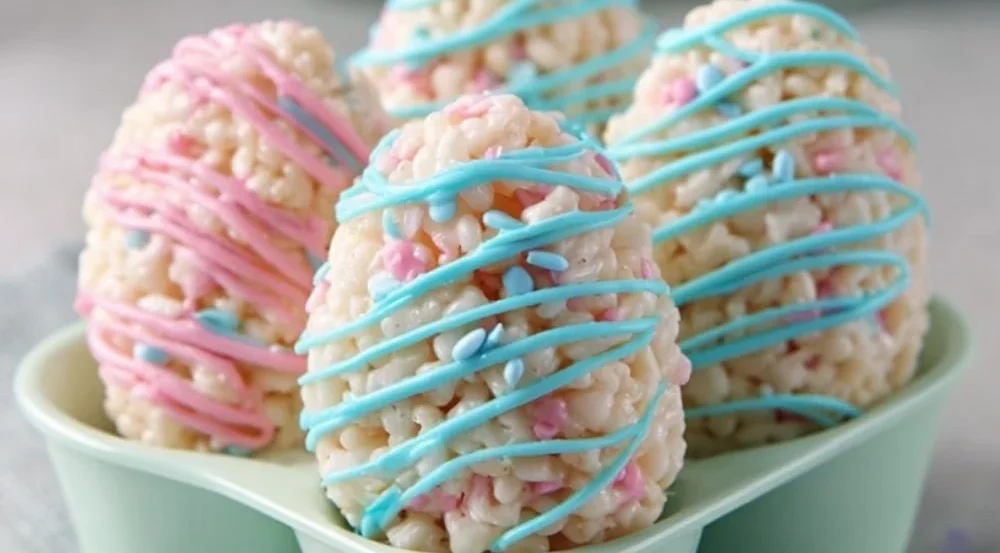
Easter Egg Rice Krispies Treats
Introduction
Easter Egg Rice Krispies Treats are a playful, seasonal twist on a classic snack that many of us enjoy at gatherings and family events. As a nutrition specialist, I want to acknowledge that foods like these can fit into a healthy pattern of eating when enjoyed mindfully and with attention to balance. This article explores the recipe in a practical, evidence-informed way: how it’s made, what the ingredients contribute, how digestion and nutrient balance are affected, and easy ways to adjust the recipe to better support long-term wellness. If you enjoy seasonal desserts and want more ideas for thoughtful treats, you might find our dessert and sweet-treats collection helpful for inspiration.
How this recipe supports overall wellness
Treats like these serve several roles: they are a source of energy, a way to share food socially, and an opportunity to practice moderation. Marshmallow-and-cereal bars are primarily carbohydrate-rich, offering quick energy that can be useful around active social events or as a small post-play snack for children. They also support positive food experiences — celebrating holidays and building memories — which are meaningful components of mental well-being.
From a nutrition standpoint, these treats are low in protein, fiber, and micronutrients unless paired with other foods. That doesn’t make them “bad”; it simply means they have a specific role in a day’s overall nutrient pattern. Including these treats occasionally as part of a diet that otherwise emphasizes vegetables, fruits, whole grains, lean proteins, and healthy fats helps maintain nutrient density and digestive balance over time. If you want more seasonal dessert ideas that balance indulgence with mindful choices, our dessert and sweet-treats collection can offer variations and context.
How to make Easter Egg Rice Krispies Treats
Below are the exact ingredients and directions for this festive recipe. Follow the steps as written for the intended result.
Ingredients :
3 tablespoons butter, 1 package (10 oz) of marshmallows, 6 cups Rice Krispies cereal, Food coloring (various colors), Candy melts or chocolate (for coating), Sprinkles (optional)
Directions :
- In a large saucepan, melt the butter over low heat. Add the marshmallows and stir until completely melted., 2. Remove from heat and add in the Rice Krispies cereal, mixing until well coated., 3. Divide the mixture into separate bowls and add food coloring to each, mixing until the desired colors are achieved., 4. Shape the colored Rice Krispies mixture into egg shapes and let them cool on wax paper., 5. Once cooled, dip the shaped treats in melted candy melts or chocolate and decorate with sprinkles if desired., 6. Allow the chocolate to set before serving.
A few practical tips when making the recipe: work over low heat to avoid scorching the marshmallows, use a lightly buttered spoon or hands (or parchment) to shape the eggs so they don’t stick, and let them cool fully before dipping to keep the coating neat. If you want more ideas for desserts that follow a similar preparation flow, check other recipes in our dessert and sweet-treats collection for inspiration on presentation and flavor pairings.
Nutrient roles of each main ingredient
Understanding what each ingredient contributes can help you make choices that align with digestion and nutrient needs:
- Butter: Adds fat, which contributes to texture and flavor. Dietary fats slow gastric emptying slightly, meaning a fatty component can help a carbohydrate-rich snack feel more satisfying. Butter contains saturated fat; moderate amounts are appropriate within a balanced diet.
- Marshmallows: Primarily sugar and some water-soluble additives; they provide quick-digesting carbohydrates that raise blood glucose rapidly. For short-term energy needs (e.g., active children or post-exercise treats for light activity), this can be appropriate; pairing with protein or fat helps blunt rapid blood sugar swings.
- Rice Krispies cereal: A source of refined carbohydrates made from puffed rice. It provides energy with minimal fiber or protein. Because it’s light and easy to digest, it can be a gentle option for people with sensitive digestion or low appetite, but should be balanced alongside more nutrient-dense foods at meals.
- Food coloring: Decorative and functionally neutral for energy and nutrients. Most common food colorings are used in small amounts; if you or family members are sensitive, choose natural colorings (e.g., beet or turmeric-based) for fewer additives.
- Candy melts or chocolate: Adds flavor and a coating that can include additional fat and sugar. Dark chocolate will introduce some polyphenols and slightly less sugar than some candy coatings, while candy melts are often higher in sugar and stabilizers.
- Sprinkles: Primarily decorative sugar; they add texture and visual appeal without contributing meaningful nutrients.
Taken together, the recipe is a carbohydrate-forward treat with small amounts of fat and minimal protein or fiber. From a digestive perspective, these treats are typically easy to digest for most people, producing limited gastric distress when consumed in moderate portions, but faster digestion can also mean faster return of hunger.
The preparation method & its health impact
The cooking method — melting butter and marshmallows and combining with puffed cereal — creates a cohesive, chewable matrix that’s appealing and easy to consume. Heat softens the marshmallows and allows the butter and sugars to interact with the cereal surface, producing a texture that many find satisfying. The low-heat approach preserves the cereal’s structure and minimizes nutrient degradation.
Healthwise, the method doesn’t introduce harmful compounds when done properly; it’s a stovetop, short-duration heat process. The primary health considerations are portion size and frequency. Because the product is calorie-dense and low in satiety-promoting nutrients like protein and fiber, pairing it with proteins or fiber at the same eating occasion can help balance blood sugar and prolong fullness. For example, serving a small Rice Krispies egg with a handful of nuts or Greek yogurt on the side is a simple strategy. To explore other dessert techniques and their impacts on texture and digestibility, consider browsing additional resources in our dessert and sweet-treats collection.
Ways to lighten, enrich or modify the dish nutritionally
You asked not to alter the official ingredients or steps, and below are suggestions you can apply around or alongside the recipe — not within the recipe itself — to improve nutrient density and satiety:
- Portion control: Make smaller egg shapes to limit single-serving carbohydrate loads, which helps manage energy intake without losing the celebratory aspect.
- Add a protein or fiber side: Serve each treat with a small portion of cottage cheese, Greek yogurt, or a few almonds. Proteins slow digestion and help stabilize appetite after a sweet treat.
- Choose coating thoughtfully: If coating is desired, use a thin layer of dark chocolate to add antioxidants and less sugar compared to some candy melts. This is a pairing choice rather than a recipe change.
- Mind the timing: Offer these treats after meals that include vegetables, lean protein, and whole grains so the overall nutrient profile of the meal remains balanced.
- Decorative swaps: If additive sensitivity is a concern, use natural colorants (for example, powdered freeze-dried fruit, spirulina, or turmeric) applied outside the recipe steps — on top of fully made treats — for a color effect that avoids synthetic dyes.
These approaches keep the original recipe intact while supporting better balance and longer-term wellness.
Pairing ideas for a balanced, complete meal
Turning a holiday snack into part of a satisfying eating occasion is simple with intentional pairings. Aim to include a protein, produce, and healthy fat to complement the Rice Krispies treat:
- Brunch plate: A small Easter Egg Rice Krispies Treat served with scrambled eggs and spinach adds protein and fiber to accompany the sweet treat.
- Snack plate for kids: One Rice Krispies egg with apple slices and a tablespoon of nut butter offers fiber and protein that slow carbohydrate absorption and support fullness.
- Dessert course: After a family-style dinner of grilled chicken or legumes with roasted vegetables and a whole grain, serve one treat alongside a small portion of plain Greek yogurt topped with berries for a rounded finish.
- Beverage pairing: If offering a drink, choose water, milk, or a lightly sweetened herbal tea. Milk provides calcium and protein that complement the treat, whereas water maintains hydration without extra calories.
These pairings help preserve nutrient density across the meal and support stable digestion and appetite control.
Safe storage, food safety & optimal reheating
Rice Krispies treats are sensitive to moisture and temperature. For best quality and food safety:
- Storage at room temperature: Keep finished treats in an airtight container at room temperature for up to 2–3 days. This prevents them from becoming stale or excessively sticky.
- Refrigeration: If you’ve coated treats in chocolate and are in a warm environment, refrigeration can help set the coating. Store in an airtight container with parchment between layers to prevent sticking. Consume within about 5–7 days for best texture.
- Freezing: These treats freeze well. Wrap individual eggs in plastic wrap and place them in a freezer-safe container. They can be frozen up to 6 weeks. Thaw at room temperature before serving to preserve texture.
- Reheating: Reheating isn’t typically necessary; gentle warming in a microwave for 5–8 seconds can soften an overly firm treat, but avoid prolonged heat which will melt coatings and change texture. If chocolate coating has been chilled and appears dull or foggy after refrigeration, leave at room temperature briefly to remove condensation before serving.
From a safety perspective, the ingredients are shelf-stable once prepared and cooled. Ensure hands and tools are clean during shaping and decorating to reduce contamination risk.
Common nutrition questions about this dish
Q: Are Rice Krispies treats gluten-free?
A: Rice itself is gluten-free, but cross-contact or added ingredients may contain gluten. The classic Rice Krispies cereal formulation has changed in some markets, so check the cereal packaging for a gluten-free label if needed.
Q: How often is it okay to have treats like this?
A: Frequency depends on overall dietary patterns and personal health goals. Enjoying a treat occasionally — for example, as part of a holiday celebration — fits within most healthy eating patterns. Prioritize nutrient-dense foods most of the time, and allow for enjoyable foods without guilt.
Q: Will these spike blood sugar?
A: The treats contain rapidly digestible carbohydrates which can raise blood glucose relatively quickly. Pairing with protein or fat and consuming them alongside a meal that includes fiber can moderate blood sugar response for most people. Individuals with diabetes or other metabolic concerns should monitor portion sizes and consult personalized guidance if needed.
Q: Are there dental concerns?
A: Sticky, sugary foods can increase the risk of dental cavities if oral hygiene is poor. Encourage rinsing with water and regular brushing, especially after consuming sticky sweets.
Final wellness notes
Easter Egg Rice Krispies Treats are a joyful, social food that can be enjoyed responsibly within a broader pattern of nutrient-dense eating. They provide quick energy and sensory satisfaction, which are legitimate aspects of a healthy relationship with food. The key considerations for long-term wellness are balance, portion awareness, and combining treats with protein, fiber, and activities that support digestion and metabolism. Mindful enjoyment — noticing flavors and savoring small portions — can enhance satisfaction while aligning with health goals. If you make these treats for family events, you’re also supporting social connection, which is an important but often overlooked aspect of holistic health.
Conclusion
If you’d like a step-by-step visual or another inspiration for shaping and decorating Rice Krispie Easter eggs, this tutorial offers helpful photos and presentation ideas: Rice Krispie Easter Eggs – Two Sisters.
Easter Egg Rice Krispies Treats
Ingredients
Method
- In a large saucepan, melt the butter over low heat.
- Add the marshmallows and stir until completely melted.
- Remove from heat and add in the Rice Krispies cereal, mixing until well coated.
- Divide the mixture into separate bowls and add food coloring to each, mixing until the desired colors are achieved.
- Shape the colored Rice Krispies mixture into egg shapes and let them cool on wax paper.
- Once cooled, dip the shaped treats in melted candy melts or chocolate and decorate with sprinkles if desired.
- Allow the chocolate to set before serving.