Cinnamon Roll Cupcakes
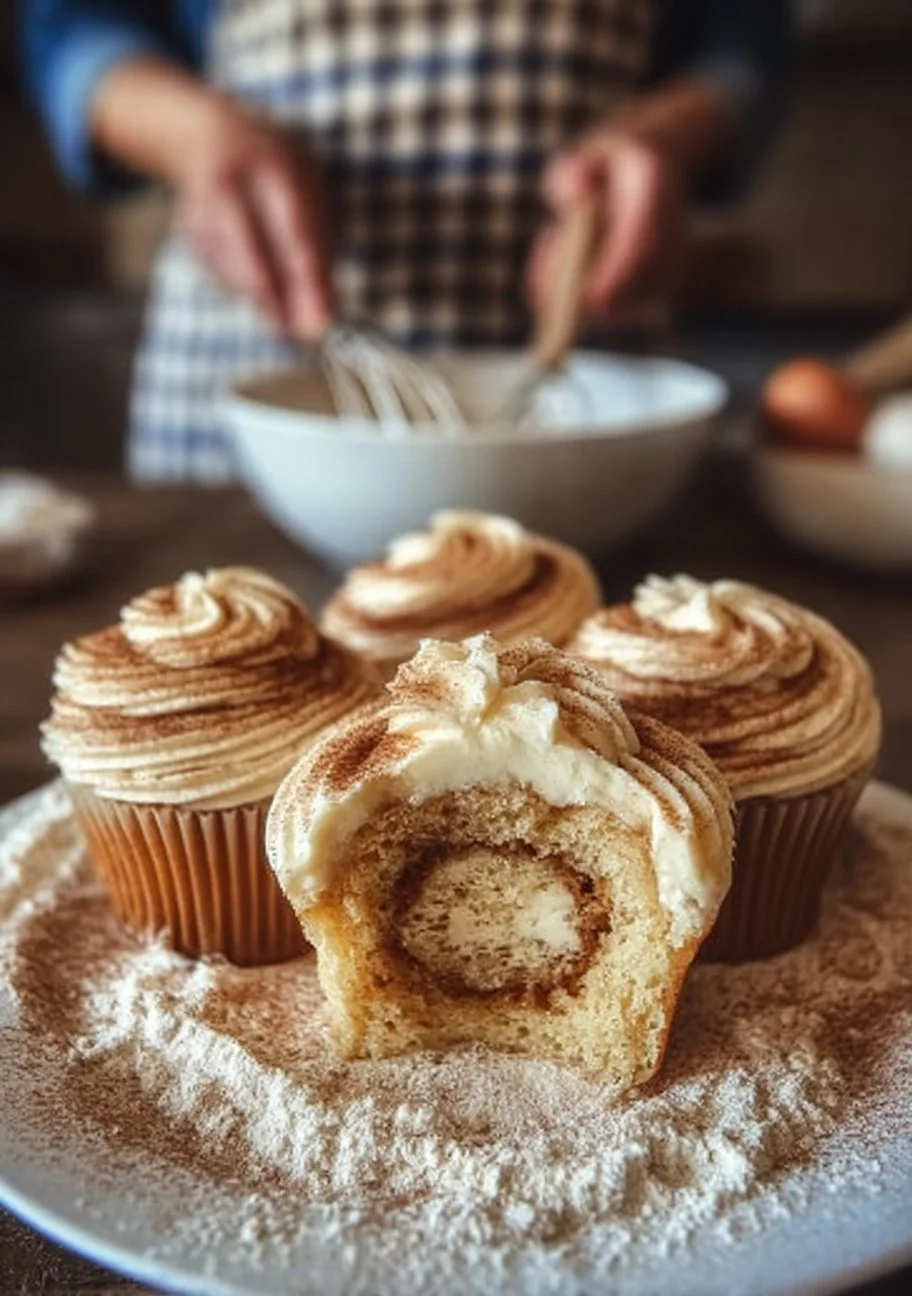
The Cinnamon Roll Cupcakes recipe presented here distills laminated, yeasted pastry flavor into a single-serve, chemically-leavened format that yields tender crumb and an immediate cinnamon-sugar spiral. The goal in approaching this recipe is to preserve the fragrant, caramelized cinnamon ribbon and the buttery mouthfeel of a classic roll while relying on a straightforward cupcake batter for speed and consistency. Read with intent: each technique and ingredient is there to control texture, flavor concentration, and oven behavior. For a comparative reference on concentrated cinnamon-sugar applications and textural contrast in single-serve formats, consult this complementary recipe for a similar bar-style approach, which illustrates how sugar distribution influences the final mouthfeel: cinnamon roll bliss bars recipe.
The culinary logic behind this dish
The recipe is built on three culinary principles: emulsion and aeration, controlled sugar distribution, and strategic fat placement. Creaming the softened unsalted butter with granulated sugar incorporates air and establishes a fine, evenly aerated matrix that supports the batter during oven spring. Sour cream is included to provide acidity and moisture, which strengthen gluten stability while tenderizing crumb through fat and lactic acidity. The cinnamon-sugar swirl is a concentrated zone of sugar and butter: when embedded within the batter it melts and pockets, producing localized caramelization and a textural contrast between the tender cake and the slightly syrupy ribbon.
The choice of leaveners—baking powder and baking soda—reflects the need for both immediate lift and pH-based reaction with the sour cream. Baking powder provides neutral, predictable rise while baking soda reacts with the acidic sour cream to enhance browning and increase internal volume. Cinnamon is used in two places: a subtle background flavor in the dry mix and a concentrated application in the swirl; this two-tiered approach prevents monocultural spice intensity and allows aroma to evolve during baking.
For contextual exploration of spiral technique and filling distribution in compact baked goods, review this related roll-format analysis, which reinforces how fill ratios influence final texture: cinnamon roll swirl comparative study.
How to make Cinnamon Roll Cupcakes
Ingredients :
1 1/2 cups all-purpose flour, 1/2 teaspoon baking powder, 1/4 teaspoon baking soda, 1/2 teaspoon ground cinnamon, 1/4 teaspoon salt, 1/2 cup unsalted butter, softened, 3/4 cup granulated sugar, 2 large eggs, 1 teaspoon vanilla extract, 1/2 cup sour cream, 1/4 cup whole milk, 1/4 cup brown sugar, 1 tablespoon ground cinnamon, 1/4 cup unsalted butter, melted, 1/2 cup powdered sugar, 1 tablespoon milk, 1/2 teaspoon vanilla extract
Directions :
Preheat the oven to 350°F (175°C) and line a 12-cup muffin tin with cupcake liners. , In a medium bowl, whisk together the all-purpose flour, baking powder, baking soda, ground cinnamon, and salt. , In a large mixing bowl, cream the softened butter and granulated sugar together using a hand mixer or stand mixer on medium speed until the mixture is light and fluffy, about 3-4 minutes. , Add the eggs one at a time, beating well after each addition. , Stir in the vanilla extract. , Alternate adding the dry ingredients and the sour cream to the butter mixture, starting and ending with the dry ingredients. , Mix until just combined. , Add the milk and gently mix until the batter is smooth and well incorporated. , In a small bowl, mix together the brown sugar and ground cinnamon for the cinnamon swirl. , Drizzle the melted butter into the cinnamon-sugar mixture and stir until it forms a paste. , Spoon a heaping tablespoon of batter into each cupcake liner, then top each with a small spoonful of the cinnamon-sugar mixture. , Use a toothpick or a small knife to swirl the cinnamon-sugar mixture into the batter, creating a marbled effect. , Add another heaping tablespoon of batter on top of each cinnamon swirl, filling the liners about two-thirds full. , Bake the cupcakes in the preheated oven for 18-22 minutes, or until a toothpick inserted into the center comes out clean. , Allow the cupcakes to cool in the tin for 5 minutes, then transfer them to a wire rack to cool completely. , While the cupcakes cool, make the glaze by whisking together the powdered sugar, milk, and vanilla extract in a small bowl. , Once the cupcakes are completely cool, drizzle the glaze over the top of each cupcake. , Allow the glaze to set before serving the cupcakes.
Ingredient analysis through a chef’s lens
Every ingredient has a specific structural or sensory role. All-purpose flour provides moderate protein to develop sufficient gluten for a tender but stable crumb; too much protein yields toughness, too little yields collapse. The paired leaveners—baking powder and baking soda—deliver staged lift and promote Maillard reaction for color. Ground cinnamon is measured in two locations to avoid overpowering the batter while concentrating aromatic intensity in the swirl. Granulated sugar participates in creaming to trap air; brown sugar in the swirl increases moisture and creates a deeper, molasses-like caramel note when heated. Butter appears twice—softened for creaming and melted for the swirl—to present both aeration and an even fat dispersion within the cinnamon paste. Sour cream supplies acidity and fat, which shortens gluten strands for a tender, moist crumb; it also reacts with baking soda to enhance rise and color. The glaze—simple powdered sugar, milk, and vanilla—provides a bright, sweet counterpoint and should be applied only after complete cooling to prevent dissolution into the crumb.
Kitchen workflow & technique breakdown
Efficiency and sequencing prevent overworking and ensure consistent results. Begin by preheating the oven and preparing liners—this guarantees that once batter is combined, it proceeds quickly to the oven, preserving trapped air. Weigh or measure dry ingredients and whisk them together to ensure even distribution of leavening; this prevents localized tunnels or uneven rise. Cold or improperly softened butter will not aerate; conversely, overly warm butter will collapse the emulsion. When creaming, beat long enough to capture air (3–4 minutes) but stop before the mixture separates.
Adding eggs one at a time maintains emulsion integrity; if you add them all at once you risk curdling. The specified alternation of dry ingredients and sour cream reduces shock to the emulsion, preventing overmixing while ensuring even hydration. Mixing until “just combined” preserves delicate air pockets; finish with a minimal stir for the milk to achieve a homogenous batter. Prepare the cinnamon paste while the batter rests briefly at room temperature—this keeps workflow continuous and prevents the butter in the paste from solidifying.
For additional perspective on timing and roll-based assembly in compact formats, examine an analogous roll technique that underlines how sequencing affects final structure: rolled cake assembly principles.
Texture control, heat management & timing
Texture is governed by batter aeration, oven temperature, and fill ratio. The recipe’s 350°F setting balances internal gelatinization and crust formation: high enough for color and caramelization of the cinnamon pocket, low enough to allow thorough cooking without excessive doming. Fill liners to about two-thirds; overfilling promotes spillover and underfilling reduces lift and creates thin tops. The cinnamon-sugar paste acts as a local heat conductor: sugar heats faster and can encourage a slightly denser ribbon if too much is used. The 18–22 minute window is intentionally narrow—use a toothpick test in the batter to avoid overbaking, which dries the crumb and amplifies the granulated sugar’s perception.
Cooling strategy matters. Allowing cupcakes to rest five minutes in the tin helps set the crumb and reduces tearing during unmolding. Immediate glazing while warm risks the glaze absorbing into the top layer and losing visual definition; wait until fully cool to preserve contrast between shiny glaze and tender crumb.
Professional variations
Variations should respect the foundational logic. To increase tenderization, replace up to 2 tablespoons of flour with cake flour, which lowers protein content and yields a finer crumb. For a richer swirl, increase brown sugar by one tablespoon and reduce granulated sugar by the same amount to maintain overall sweetness while deepening molasses notes. If you require a vegan adaptation, substitute butter with an equal-mass vegan baking fat and replace eggs with a tested commercial egg replacer—note that emulsion and aeration will differ, and baking time may require adjustment. To shift spice profile, add a pinch (1/8 teaspoon) of freshly grated nutmeg into the swirl; fresh whole-spice grating will contribute volatile aromatics that pre-ground spice cannot match.
Do not alter the quantities in the given recipe for the principal method; these variations are optional and demand bench testing.
Finishing touches & plating philosophy
Presentation should communicate contrast and restraint. The glaze is meant to be thin and translucent—use the specified 1 tablespoon of milk and whisk to a ribbon consistency; add minute drops of milk if necessary, but avoid thinning to the point of opacity. Drizzle deliberately across the center to emphasize the spiral beneath; a light dusting of finely ground cinnamon over the top after glazing will sharpen aroma but keep it minimal to avoid staining the glaze.
For plated service, use a small doily or a matte plate to highlight the glaze sheen. Serve at room temperature; refrigeration dulls butter flavor and tightens crumb, while slightly warm cupcakes will make the swirl syrupy and unstable.
Maintaining quality after cooking
Storage strategy preserves texture and flavor. At room temperature, store in a loosely covered container for up to 48 hours to prevent crust softening and glaze tackiness. For longer storage, refrigeration will extend life to 4–5 days but expect a firmer, less tender crumb; rewarm gently at 275–300°F for 5–7 minutes to soften the fat and revive aromatics. Freeze unglazed cupcakes individually sealed in plastic wrap, then in an airtight container for up to one month; thaw at room temperature, then apply the glaze just before service. Do not freeze glazed cupcakes—the glaze will weep and become matte upon thawing.
Questions from home cooks (chef answers)
Q: Why cream butter and sugar instead of melting the butter first?
A: Creaming traps fine air bubbles that expand in the oven, giving lift and a delicate crumb. Melting bypasses aeration and yields a denser, more muffin-like texture.
Q: Can I substitute Greek yogurt for sour cream?
A: Yes, full-fat Greek yogurt will work due to similar acidity and fat content, but the tang will be slightly different and the texture marginally firmer. Adjust only if you prefer that texture.
Q: Is the swirl necessary?
A: The swirl concentrates cinnamon and brown sugar to mimic a roll. Omitting it results in a uniformly flavored cinnamon cupcake but loses the textural syrupy ribbon expected from a cinnamon roll.
Q: Why is milk added after mixing?
A: Milk adjusts batter viscosity at the end to ensure predictable filling and even baking. It should be added gently to avoid knocking out incorporated air.
Final chef notes
Precision matters at each stage: temperature, mixing duration, and ingredient state are the variables that transform this formula from a simple cupcake into a convincing cinnamon roll adaptation. Use fresh-ground cinnamon for the swirl when possible, ensure accurate measurement of leaveners, and respect resting and cooling intervals. When executed properly, the cupcakes will present a tender, even crumb, a distinct cinnamon ribbon with slight syrupiness, and a translucent glaze that crowns but does not overwhelm.
Conclusion
For an external reference that aligns closely with the intent and structure of this recipe, consider this Cinnamon Roll Cupcakes – Pies and Tacos post which examines a similar single-serve translation. For an alternative approach to swirl distribution and sugar concentration in cupcakes, review this Cinnamon Sugar Swirl Cupcakes resource that focuses on swirl technique. For additional commentary and a different stylistic execution of cinnamon roll cupcakes, see this recipe discussion at Cinnamon Roll Cupcakes | The Cake Blog.
Cinnamon Roll Cupcakes
Ingredients
Method
- Preheat the oven to 350°F (175°C) and line a 12-cup muffin tin with cupcake liners.
- In a medium bowl, whisk together the flour, baking powder, baking soda, ground cinnamon, and salt.
- In a large mixing bowl, cream the softened butter and granulated sugar together using a mixer on medium speed until light and fluffy, about 3-4 minutes.
- Add the eggs one at a time, beating well after each addition. Stir in the vanilla extract.
- Alternate adding the dry ingredients and sour cream to the butter mixture, starting and ending with dry ingredients. Mix until just combined.
- Add the milk and gently mix until the batter is smooth.
- In a small bowl, mix together brown sugar and ground cinnamon for the cinnamon swirl.
- Drizzle melted butter into the cinnamon-sugar mixture and stir until it forms a paste.
- Spoon a heaping tablespoon of batter into each cupcake liner, then top with a small spoonful of the cinnamon-sugar mixture.
- Use a toothpick or small knife to swirl the cinnamon-sugar mixture into the batter.
- Add another heaping tablespoon of batter on top, filling liners about two-thirds full.
- Bake the cupcakes in the preheated oven for 18-22 minutes or until a toothpick inserted comes out clean.
- Allow to cool in the tin for 5 minutes, then transfer to a wire rack to cool completely.
- Whisk together powdered sugar, milk, and vanilla extract in a small bowl to make the glaze.
- Once the cupcakes are completely cool, drizzle the glaze over each cupcake and allow to set before serving.