Decadent Elegant White Chocolate Mousse Tartlets to Impress
There is a peculiar kind of travel memory that lodges not in a photograph but in a flavor — a soft, lingering sweetness that unfolds like a city at dusk. I remember the first time I tasted a white chocolate mousse tartlet: it was not in a grand Parisian patisserie nor in a tucked-away coastal café, but at a small dinner where stories were served between courses. That moment taught me how a single bite can be an atlas, folding continents and customs into one delicate mouthful. If you are the sort of traveler who keeps a notebook of tastes rather than places, you will recognize this tartlet as a passport stamped with buttery crust, airy cream, and the faint perfume of vanilla-rich chocolate.
These tartlets sit at the intersection of comfort and ceremony. They can be arranged with casual ease for a garden brunch or dressed into a centerpiece for an evening meant to impress. They echo other small, refined desserts around the world; if you want a reminder of how similar and different our sweets can be, consider a comparison like the gentle mousse here and the frosted daintiness of the mini chocolate mousse cups I encountered in a Lisbon pastry shop: different in scale, identical in their ability to make time slow down and conversation lean closer.
In the pages that follow I want to guide you through not only how these tartlets are built, but how they connect to place — to the honeyed afternoons of American suburbs and the polished dessert plates of European bistros. I will trace their lineage, sketch the sensory geography of making them, and offer reflections on the ways families and guests around the world have made a version of this dessert their own.
The origin story & regional influence behind this dish
White chocolate, mousse, and tart shells each have their own histories, braided together in these tartlets. The mousse whispers of France — the word itself meaning “foam,” a culinary ode to lightness that French kitchens perfected. Mousse traveled beyond the salons of Paris, mingling with other ingredients and ideas as it moved across oceans. White chocolate is a more modern player in this tale: technically born in the 20th century, it carries a sweeter, creamier voice than its darker cousins, flavored with vanilla and milk fat rather than cocoa bite.
The graham cracker crumb base, however, is an unabashedly American note. Graham crackers, with their brown-sugar warmth, began as a healthful alternative in 19th-century America and evolved into an ingredient associated with picnic pies and late-summer s’mores. When paired with a mousse of European origin and white chocolate’s contemporary sweetness, the tartlet becomes a culinary map, marking where New World texture meets Old World technique.
Across regions, people have adapted this template to local tastes. In the American South, the tang of cream cheese and the gift of seasonal berries create a dessert that pairs perfectly with porch conversations and slow afternoons. In Japan, the same airy filling might be presented in smaller, more refined portions, evoking the minimalist tea houses where every element is curated. In coastal Mediterranean towns, a drizzle of local caramel — or even a hint of sea salt — nods to the nearby sea and the sun-warmed sugar markets. The tartlet, therefore, is less a fixed recipe and more a vessel for regional memory.
How to make Decadent Elegant White Chocolate Mousse Tartlets to Impress
Making these tartlets is less about technique notes and more about choreography: the rhythm of melting and folding, the pause while whipped cream becomes a cloud, the hush that follows when the tartlets settle in the refrigerator to set. Imagine standing in a kitchen where sunlight slants over a well-worn wooden table; the air smells of butter warmed just enough to coax its toasty heart into the crumbs, and the white chocolate unfolds like a slow, sweet tide, releasing a scent of vanilla and milk.
Begin with the crust: the graham crumbs become something sturdy and warm, a base that remembers every melody of contrast — crisp to meet soft, sweet to balance tang. The cream cheese adds a quiet depth, threadlike with a clean tang that keeps the sweetness from becoming cloying. As the mousse comes together, the texture shifts from dense to airy; listening to this change is unnecessary, but noticing it — the way the cream lifts, the way the chocolate gives under a spoon — is part of what makes this recipe feel like a memory regained rather than a task completed.
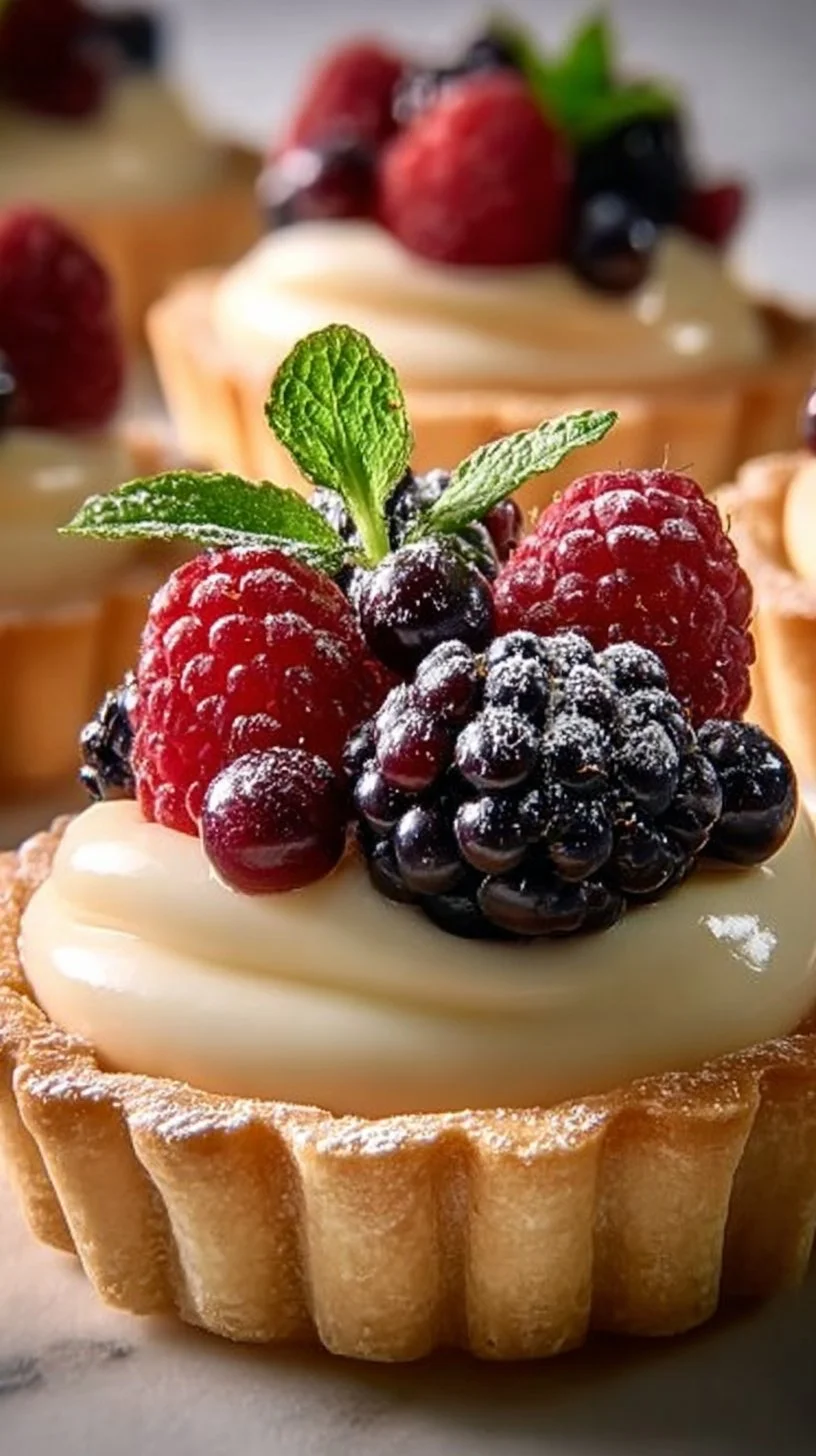
For presentation, nothing is more humane than a scattering of fresh raspberries — their bright tartness is like a small, bracing conversation in the middle of a long evening. A drizzle of caramel catches the light, a glossy bridge between the white chocolate’s hush and the berry’s cry. And if you have edible flowers, their fragile petals lend a visual exhale, a reminder that food is not only for the mouth but for the eye and the heart. Along the way, you might be reminded of other white chocolate confections, such as the playful shards of white chocolate Easter bark you’ve seen arranged like confetti on a spring table — different in form but kin in spirit.
Ingredients :
2 cups Graham Cracker Crumbs (Provides the crisp, buttery base that holds the mousse perfectly.), 1/2 cup Unsalted Butter (Binds the crust and enhances it with a rich, toasty flavor.), 8 oz White Chocolate (The star ingredient delivering creamy sweetness and a hint of vanilla.), 1 cup Heavy Whipping Cream (Whipped to soft peaks to add a light, airy texture to the mousse.), 8 oz Cream Cheese (Stabilizes the mousse while adding a subtle tang to balance the sweetness.), 1/2 cup Powdered Sugar (Sweetens the mousse without contributing a grainy texture.), 1 cup Fresh Raspberries (Provide a tart contrast and a pop of vibrant color in the presentation.), 1/4 cup Caramel Sauce (A light drizzle enhances sweetness and provides a glossy finish.), Edible Flowers (optional) (Perfect for an elegant, decorative touch to the tartlets.)
These words on a page are a kind of index to sensation. Each ingredient is a small cultural claim: graham crackers speak of summer gatherings and picnic blankets; cream cheese recalls cool, urban brunches; raspberries evoke hedgerow summers in temperate climates. The caramel — in its many forms — conjures markets and sugar pots around the world. Together they form not just a list but a palette.
Directions :
Instructions
This recipe asks you to move mindfully. Start by laying out your ingredients, feeling the cool ridge of the cream cheese and the fine, sand-like graham crumbs. Melt the white chocolate until it’s glossy and thick as warm honey; it will carry a scent almost like warm milk with a memory of vanilla. Blend crumbs and butter until the mixture holds together between your fingers, and press this warmth into tartlet tins until each shell feels steady beneath your palm. Whip the cream until it holds its breath in soft peaks and fold it with the white chocolate and cream cheese until the mixture feels like clouds folded into silk. Spoon this lightness into the crusts, invite the raspberries to rest on top, and let the tartlets sleep in the cool quiet of the refrigerator until they are set and ready to serve.
Ingredients through a cultural & historical lens
Every ingredient tells a story. Graham crackers carry a peculiarly American history — a 19th-century attempt at wholesome bread that found its place instead in cookies and crusts. Cream cheese is a New World comfort that found fame in many forms, from bagel spreads to the center of decadent desserts. White chocolate, younger than dark chocolate in the cultural imagination, speaks of modern indulgence and the globalization of taste, where vanilla and milk fat became a language of lushness easily understood across continents. Powdered sugar is the universal soft dusting of celebration, while raspberries and edible flowers speak of seasonality and the way people have always used the landscape’s fleeting gifts to mark an occasion.
Cooking the dish: sensory notes & traditional techniques
This is a dessert that rewards attention to sensation. The crust should sing a crisp note when fork meets it; the mousse should be a whisper, a texture that dissolves like breath on a winter window. Traditional techniques here are less about rigid measurements and more about respect for texture: the gentle folding to preserve air, the patient cooling so components marry rather than rush past one another. In certain cultures, resting a dessert is considered an act of hospitality — a kind of cocooning that readies a dish for conversation. Allowing the tartlets to flourish in their cold calm is part of the ritual.
How different regions prepare their version
Travel west from Europe and you’ll find crusts made of graham-like biscuits; travel east and crumbled tea biscuits sometimes stand in. In parts of Asia, white chocolate is tempered by green tea powder or yuzu for balance. In Latin America, a cinnamon note in the crust or a drizzle of dulce de leche can make the tartlet sing in a new key. That is the beauty of this recipe: it is a template, tender and porous, welcoming local fruits, syrups, and garnishes as if they had always belonged. Families adapt the tartlets to harvests and holidays; bakers swap one berry for another, one drizzle of sauce for a different memory.
Traditional ways this dish is shared or served
In many households, small tartlets are an expression of intimacy. They are passed around at family dinners, presented at weddings’ dessert tables, or set out at afternoon teas where conversation takes its time. In some traditions, miniature desserts serve as proof of generosity: each person receives a careful portion, a statement that abundance is not measured by size but by attention. In restaurants, these tartlets can be plated with more flourish — a smear of caramel, a ring of powdered sugar — but at the heart of both home and table presentation is the same human intention: to make sweetness an occasion.
Storing the dish without losing its cultural essence
These tartlets keep best when allowed the dignity of cool air and patience. Refrigeration preserves their texture, but it also pauses them like a good story between chapters. To maintain the balance of tartness and sweetness, store them in a single layer if possible, and add fresh raspberries just before serving if you want to capture the bright top-note of summer. The act of storage is, in itself, a cultural ritual: some families wrap desserts tightly as a way of saving them for later conversation; others leave them uncovered as if to say, “Eat now, while the house is still warm.” Both approaches tell stories about urgency and leisure in different kitchens.
Cultural questions people often ask
Why white chocolate and not dark? Often it’s about mood. White chocolate is the dessert of celebration when one seeks softness and vanilla warmth rather than cocoa’s assertive bitterness. People also ask how to make this feel less showy and more like a family recipe. The answer is simple: slow down. Let the chocolate melt without haste, let the cream thicken patiently, and arrange raspberries with the imperfection that marks a human hand. How do you make it last when transporting? Consider chilling the tartlets solid and packing them in a shallow box cushioned with cloth — this is as much a matter of care as a culinary tip.
A closing note on food, memory & travel
The things we eat while moving through the world often return to us as anchors. A tartlet eaten on a veranda in Buenos Aires, in a tiny flat in Lisbon, or at a friend’s kitchen table in Asheville will carry with it not just flavors but the light and people and conversations of that place. Making these tartlets at home can be an act of travel: a way to gather landscapes and encounters into a format you can share, one that says, quietly, “This is where I have been, and this is what I bring.”
Conclusion
If you want to explore other elegant, mousse-forward desserts that pair well with seasonal fruits, I’ve often turned to inspirations such as the rich and nuanced Chocolate Mousse Poached Pear Tart – Savory Simple, which shows how fruit and mousse converse on a plate. For ideas on festive presentation and bolder, show-stopping sweets that will make any gathering feel ceremonious, the collection of Jaw-Dropping Holiday Desserts Guaranteed to Impress Your Guests is a delightful resource. Above all, treat these tartlets as a small archive of pleasures — a way to translate the silent geography of a place into something you can hold and offer.
White Chocolate Mousse Tartlets
Ingredients
Method
- Melt the white chocolate until glossy and thick.
- Blend graham cracker crumbs and melted butter until mixture holds together.
- Press mixture into tartlet tins firmly to form the crust.
- Whip heavy cream until soft peaks form.
- Fold whipped cream into the melted white chocolate and cream cheese mixture until combined.
- Spoon the mousse into the cooled crusts.
- Top with fresh raspberries and drizzle with caramel sauce.
- Refrigerate the tartlets until set, approximately 2 hours.