Marry Me Chicken Pasta
Introduction
There are recipes that arrive like postcards from elsewhere, and there are recipes that arrive like a whispered promise. Marry Me Chicken Pasta belongs to the latter: a creamy, tomato-sweet comfort that appears in kitchens when someone wants an evening to feel important without the fuss of ceremony. I first met it on a rain-muted evening in a small apartment in Sofia, where the air held the scent of wet stone and coffee and my hostess moved with the easy economy of someone who cooks for the heart as much as for hunger. She set a pan on the stove, opened a jar of sun-dried tomatoes, and as the aromas gathered, the room filled with a kind of gentle attention—this, she told me, was a dish to make when you wanted the ordinary to become a little sacred.
That evening, between spoonfuls and conversation, I thought of how food becomes a place. The creamy sauce folded around the pasta like a familiar scarf; the chicken had a golden modesty that suggested patience rather than bravado. It was comforting in a way that was very European and very modern at once—an American invention that borrows from Italy’s depth of flavor and the global pantry of the contemporary home cook. If you want to explore similar gentle, saucy comforts, you might also enjoy the way a dreamy garlic butter chicken and bowtie pasta carries the same hearth-warmth into chilly evenings.
The origin story & regional influence behind this dish
Marry Me Chicken Pasta, despite its intimate name, has no cathedral of origin. It is a child of the 21st-century kitchen—blog-driven, shared with photos under soft light, reinvented on weeknights and at dinner parties across continents. Yet its soul is indebted to older geographies. The cream and Parmesan nod toward Northern Italy’s love of dairy-rich sauces; sun-dried tomatoes and garlic carry echoes of the Mediterranean sun—Sicily and southern Italy where tomatoes were dry and intense before refrigeration allowed them to be enjoyed fresh year-round.
There is a peculiarly American habit of naming comfort dishes after life events—a casserole for graduations, a roast for birthdays, and here, a recipe whose very name carries an emotional shorthand: make this for someone you hope will stay. The dish thus lives at the crossroads of longing and nourishment. While purists in Italy might raise an eyebrow at fettuccine swathed in a cream-starred sauce that also contains sun-dried tomatoes, the cultural blending is the point: it is an American adaptation that honors Italian flavor while embracing convenience and the intimate theater of the home kitchen. In many ways it stands beside dishes like parmesan-crusted chicken with creamy garlic sauce, both heirs to a diaspora of technique and affection.
How to make Marry Me Chicken Pasta
The act of making this dish is less a performance and more a conversation. It speaks to the rhythms of small movements—slicing, stirring, tasting—that make even a weeknight feel ceremonious. Below are the exact components and steps as they are often shared across kitchens, preserved here so that the recipe’s form remains faithful to its modern lineage.
Ingredients :
2 chicken breasts, 8 oz pasta (fettuccine or penne), 1 cup heavy cream, 1 cup chicken broth, 1/2 cup sun-dried tomatoes (chopped), 2 cloves garlic (minced), 1 cup spinach, 1/2 tsp Italian seasoning, Salt and pepper to taste, Parmesan cheese (for serving)
Directions :
- Cook the pasta according to package instructions; drain and set aside., 2. In a large skillet, cook the chicken breasts over medium heat until golden and cooked through, about 6-7 minutes per side. Remove and slice., 3. In the same skillet, add minced garlic and sun-dried tomatoes; sauté for 1-2 minutes., 4. Pour in the chicken broth and heavy cream; bring to a simmer., 5. Stir in the spinach and Italian seasoning; season with salt and pepper., 6. Add the cooked pasta and sliced chicken back into the skillet; toss to combine., 7. Serve hot, topped with Parmesan cheese.
These lines are not merely instructions; they are a script that has been read in kitchens with different languages, different plates, and different small domestic rituals. Keep them close to their original cadence if you want the dish to resonate with its typical texture and balance.
Ingredients through a cultural & historical lens
Each item in the ingredient list carries its own biography. Chicken, mundane and universal, is one of the most democratic proteins—easy to raise, easy to cook, common to feasts and everyday tables from Beijing to Bogotá. Pasta, whether fettuccine or penne, is an incantation to Italy and to migration; its embrace of sauce is an old language of comfort. Heavy cream, a luxury in earlier centuries, speaks to climates and economies where dairy was abundant; its presence here is a nod to richness and the desire for silkiness in the mouth.
Sun-dried tomatoes are perhaps the most storied ingredient: in the Mediterranean heat, tomatoes were concentrated to preserve the summer’s sun in jars, and those intense, slightly chewy bits add a floral tartness that cuts the cream. Garlic is a global talisman—peasant and noble alike—while spinach introduces a quick green freshness, a literal leaf of season. Parmesan crowns the dish with a crystalline umami, a small regional pilgrimage to Emilia-Romagna’s slow artisans. The “Italian seasoning” is a modern pantry shortcut—a commercial blend that attempts to capture thyme, basil, oregano, rosemary in a pinch—an emblem of globalization and culinary shorthand.
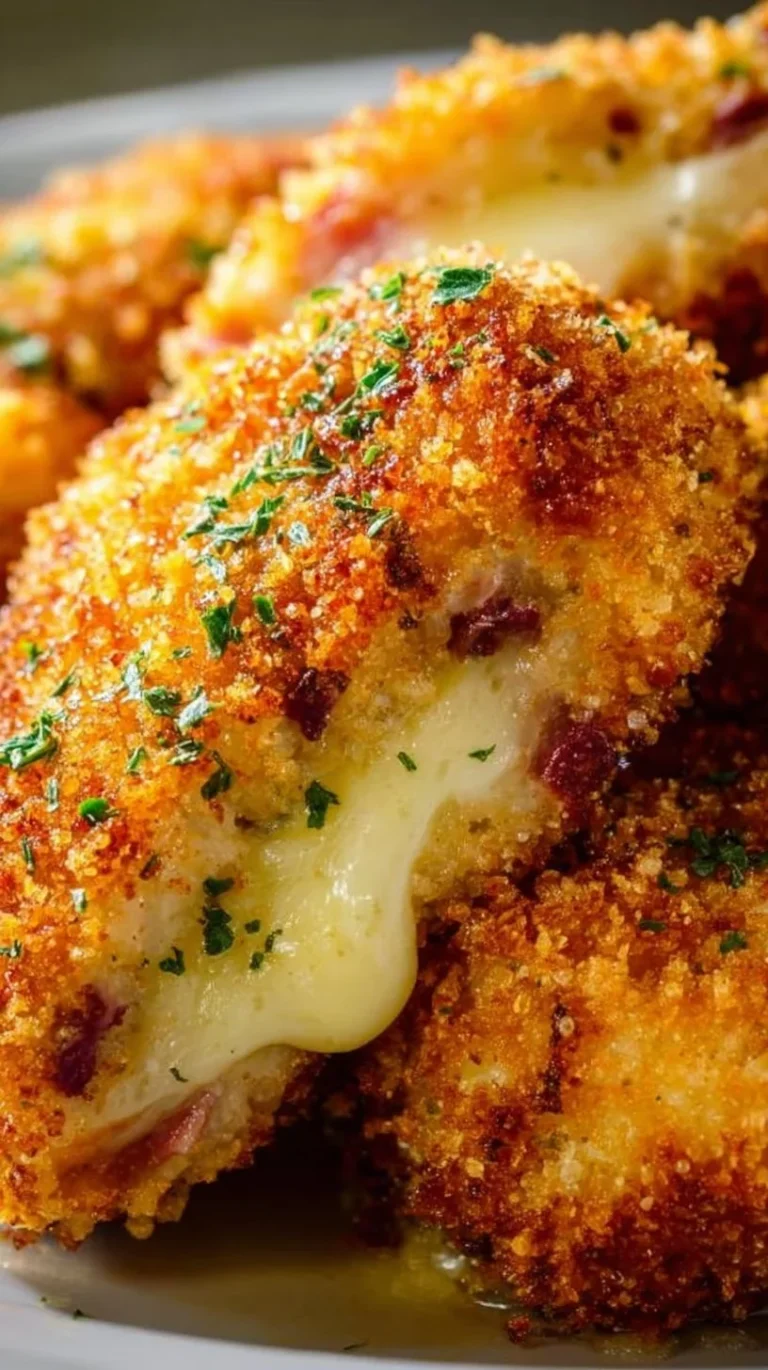
If you would like to compare this dish with classic European comforts, consider how it aligns with a baked chicken cordon bleu in its celebration of layered textures and cross-cultural borrowing.
Cooking the dish: sensory notes & traditional techniques
Cooking Marry Me Chicken Pasta is an exercise in balancing tactile sensations and smells. The chicken, searing in the skillet, gives off a sound like soft applause: a steady, pleasing sizzle that tells you Maillard reactions are at work—this is the chemistry of flavor that humans have learned to prize. The garlic, when touched to hot oil, releases a warm, almost floral aroma that rises through the kitchen like a memory of other meals. Sun-dried tomatoes add a perfume that is at once fruity and resinous; when sautéed briefly they bloom and perfume the fat, which becomes the flavor foundation.
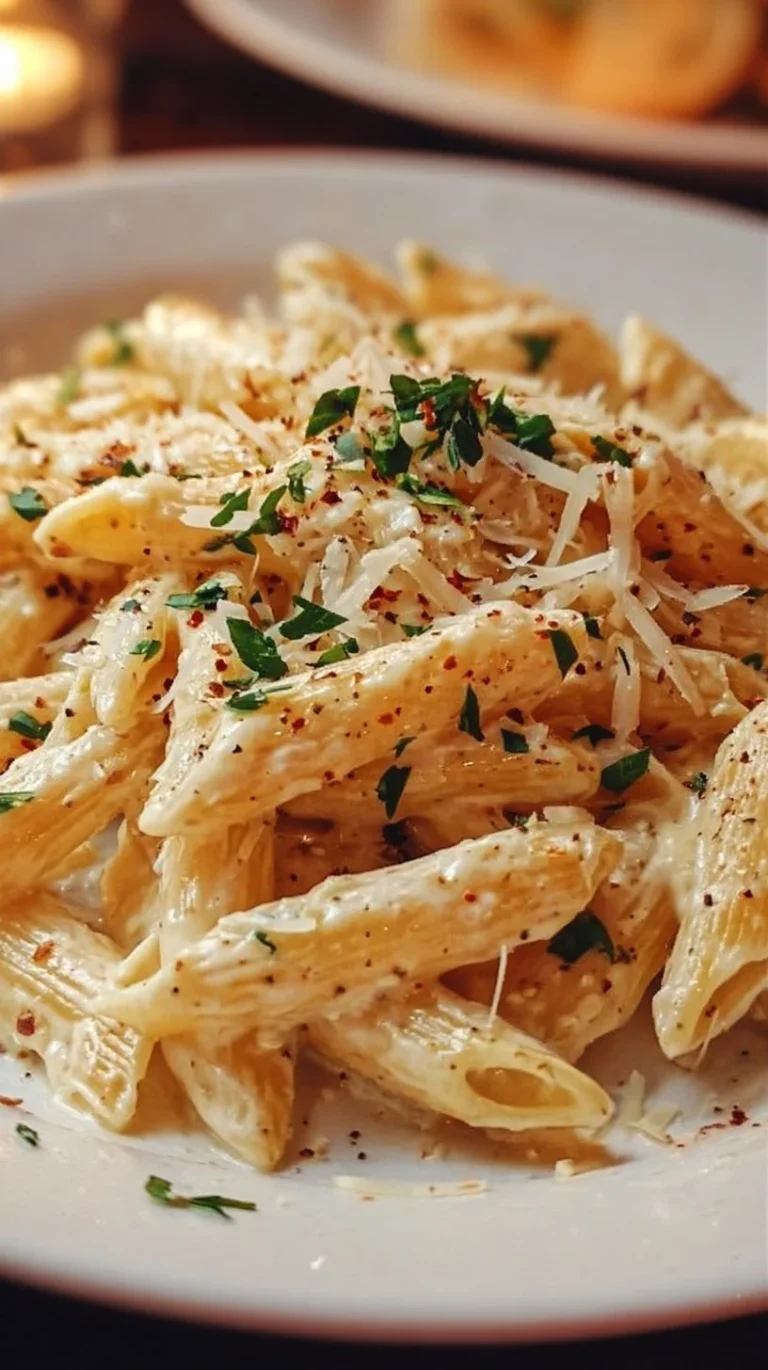
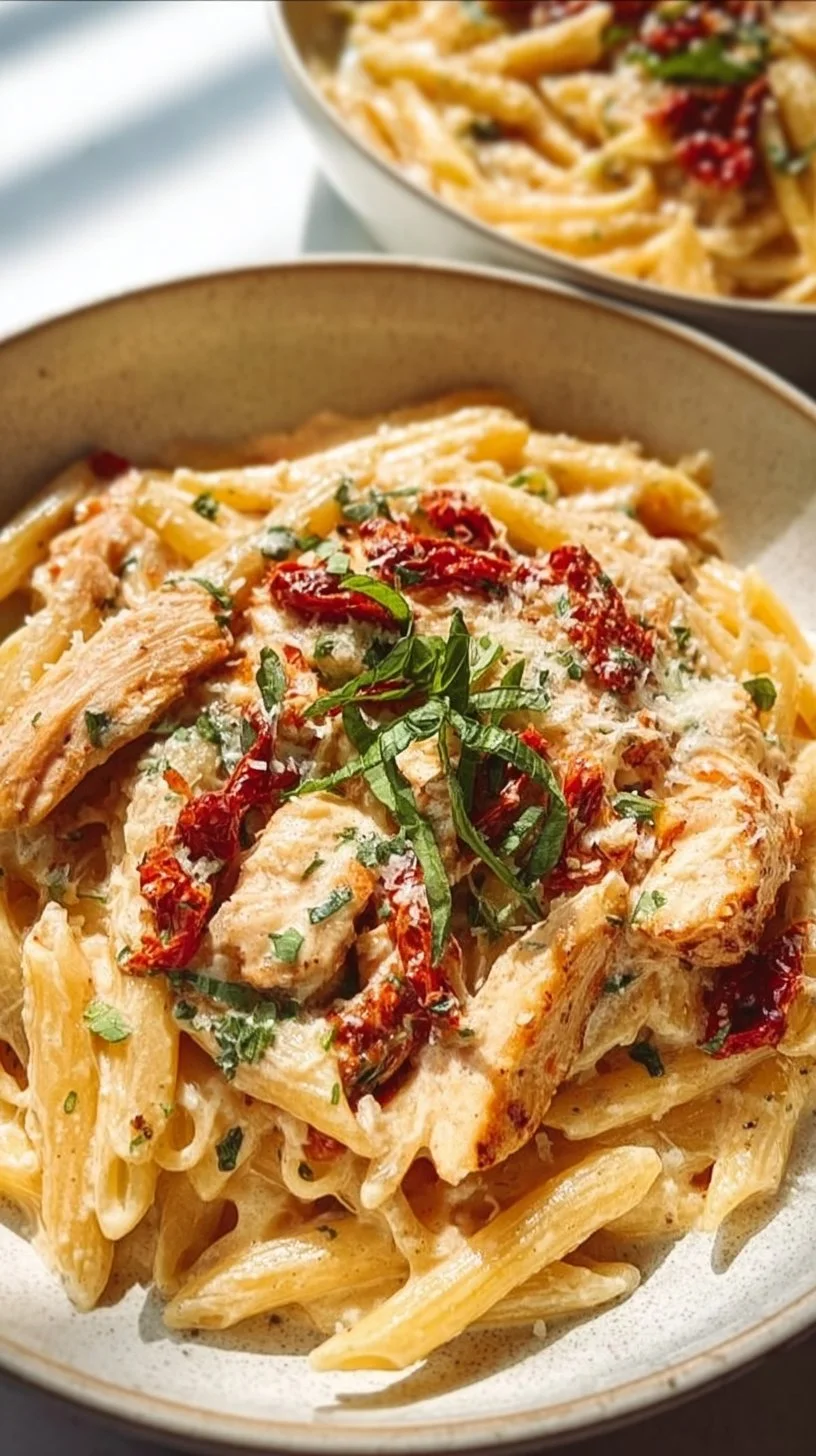
The cream and chicken broth, combined, form a lullaby of steam and thickness. As the sauce simmers, it softens into a glossy coating; when spinach is added, its leaves wilt with a whisper, shifting the sauce from indulgent to livelier, the green a visual punctuation. Tossing the pasta and slices of golden chicken into the sauce is the final choreography—each strand or tube gathers the sauce like a silver lining. The mouthfeel is layered: tender meat, al dente pasta, the silk of cream, the tiny tooth of sun-dried tomato, the granular finish of Parmesan. Share this in a small bowl under soft light, and the experience becomes memory.
How different regions prepare their version
Because Marry Me Chicken Pasta is more legend than tradition, its variations tell stories of place. In the American Midwest, cooks might streamline the dish for weeknight speed—thin-cut chicken, dried sun-dried tomato pieces, and a quick toss with any pasta at hand. In coastal California, sun-dried tomatoes may be replaced by blistered cherry tomatoes, and fresh basil might join or replace the Italian seasoning, introducing a bright herbal lift.
In parts of Europe where cream is treated with reverence, cooks may use crème fraîche or a thicker cream and insist on Parmigiano-Reggiano or a local hard cheese; in India, hands might translate the essence of the recipe by adding garam masala in place of Italian seasoning and serving the pasta alongside a spiced rice to suit regional palates. In Latin American kitchens, the tomato tang might be echoed with a hint of smoked paprika or cumin, creating a resonance with regional smoky notes. Each iteration preserves the heart of the recipe—the tender chicken, the pasta, the union of savory and tang—but dresses it in the vocabulary of local spice, seasonality, and available pantry goods.
Traditional ways this dish is shared or served
The name lends itself to intimacy. In homes I’ve visited across cities and islands, this dish is summoned for more than nourishment: anniversaries, reconciliations, late-night confessions, and simply-reasonable weeknight celebrations. It is not the centerpiece of a formal banquet but rather the main act in a small theater of attention: two plates, a shared bottle of wine, candles that have the humble duty of softening light and conversation.
In communal settings, it travels well to potlucks or neighborly gatherings, served from a skillet passed around the table, each person scraping up the last shimmering ribbon of sauce. In some families it becomes a marker of domestic heritage—an heirloom of practical tenderness, the recipe scrawled on a note tucked in a box of old photographs. How it is plated—on a deep bowl, on a simple plate, accompanied by a green salad or roasted vegetables—tells you about priorities: speed and heart, or ceremony and balance.
Storing the dish without losing its cultural essence
Preserving the soul of Marry Me Chicken Pasta is less about refrigeration technology and more about intention. Stored in an airtight container, the sauce will thicken as the cream cools; when reheating, a gentle return to warmth—low heat, a splash of water or broth—restores its silkiness. Reheating in a skillet rather than a microwave is, for many, a ritual of respect: it revives the softened edges of the chicken, encourages the flavors to mingle again, and allows the cook to correct seasoning with a tear of cracked pepper or a final grate of Parmesan.
If you must freeze, do so in portions; the texture of both cream and spinach changes under prolonged cold, and thawing slowly is an act of patience that honors the dish. Above technique, though, is preservation of story: when you store leftovers, label them with a note—the date, or the memory of the evening it came from—and you extend the life of whatever made the meal meaningful.
Cultural questions people often ask
Why is it called Marry Me Chicken? The name is part marketing and part mythology: it promises a meal that elevates the ordinary into the romantic, and thus it spread rapidly through social media as a dish to make for someone you hope will be impressed—not necessarily to propose marriage, but to tenderly court the idea of commitment through food.
Is it traditional Italian? No. It is an American adaptation that borrows Italian ingredients and sensibilities. Its charm comes precisely from this synthesis—modern, accessible, and affectionate.
Can it be adapted for dietary restrictions? Many cooks have adapted the recipe—substituting gluten-free pasta, using lighter creams, or replacing dairy with plant-based alternatives. Each adaptation is a cultural conversation, a negotiation between flavor and necessity. However, if you are preserving the original experience, the prescribed ingredients are part of the story.
How did it become so popular? Its virality can be traced to an era that values ease, aesthetics, and narrative—a photo-friendly plate with an emotionally catchy name, easily reproduced in busy kitchens. The recipe’s success is a testament to how taste and storytelling travel together.
A closing note on food, memory & travel
Food is geography made intimate. A recipe like Marry Me Chicken Pasta is a map of convergences—of Italian umami and American invention, of Mediterranean preservation techniques and modern pantry blends, of the private politics of meals meant to charm. As I travel, I collect these convergences: the small ways people make ordinary ingredients feel like treasure. Serve this dish on a rainy night in Sofia, in a sunlit Lisbon kitchen, or in a high-rise apartment with city lights: it will carry the same capacity to make an evening feel like an event. Its true power lies less in the possibility of union implied by its name and more in the quiet ritual of showing up to the table and sharing.
Conclusion
If you would like to see one of the more photographed versions that helped popularize the recipe online, the original approachable format is lovingly kept at the Running to the Kitchen Marry Me Chicken Pasta post. For a slightly different take and useful commentary from a home-cooking perspective, check the thoughtful adaptation at The Recipe Critic’s Marry Me Chicken Pasta. And for another well-loved variation with clear instructions and warm storytelling, the Salt & Lavender rendition offers a beautiful companion to the versions described above at Salt & Lavender’s Marry Me Chicken Pasta.
Marry Me Chicken Pasta
Ingredients
Method
- Cook the pasta according to package instructions; drain and set aside.
- In a large skillet, cook the chicken breasts over medium heat until golden and cooked through, about 6-7 minutes per side. Remove and slice.
- In the same skillet, add minced garlic and sun-dried tomatoes; sauté for 1-2 minutes.
- Pour in the chicken broth and heavy cream; bring to a simmer.
- Stir in the spinach and Italian seasoning; season with salt and pepper.
- Add the cooked pasta and sliced chicken back into the skillet; toss to combine.
- Serve hot, topped with Parmesan cheese.