Valentine’s Day Oreo Pops Recipe
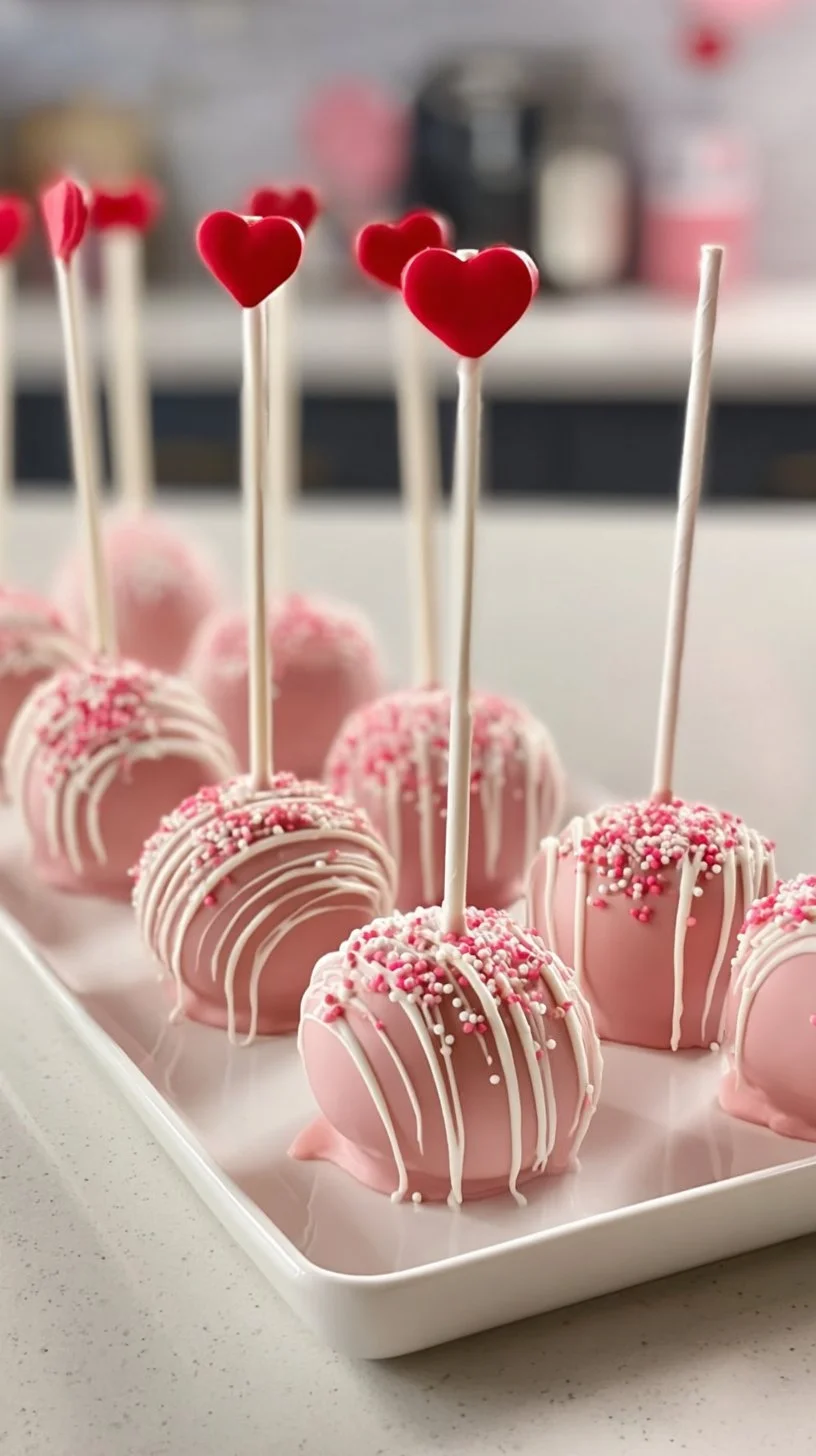
Valentine’s Day can feel like a map of small rituals: a coin dropped into a song, a paper heart tucked into a book, the careful wrapping of a sweet meant to say more than words. The Oreo pop—simple, playful, and dressed for the season—is one such ritual that travels well across kitchens and cultures. I first encountered a version of these little lollipops on a winter market stall, where a grandmother with flour-dusted hands handed me one wrapped in cellophane, the chocolate still glimmering from a recent dip. That single bite—a meeting of crisp cookie, sugared cream, and a lacquer of melted chocolate—felt like a keepsake, a portable memory of warm light and small gestures. For those who like their travel notes sweet, these pops are maps made edible: they carry the imprint of mass-produced biscuits and homemade care, industrial confection and the slow art of presentation.
Oreo pops sit comfortably between pastry case and candy counter. They are at once a child’s delight and an adult’s nod toward nostalgia, a marriage of the globally recognized Oreo with the very local practice of gilding simple things to mark a holiday. As you read this, think of the ways sweets mark time in your life—the way a specific texture or color can fetch an entire afternoon back into your lap. If you’re curious about playful desserts, you might also enjoy the whimsical drama of cake push pops, which similarly revitalize layered sweets into handheld moments.
The origin story & regional influence behind this dish
It is tempting to imagine the Oreo pop descending from a long lineage of ornate European confections, but its DNA is modern and multinational. The Oreo itself was born in the United States in the early 20th century as a product of industrial baking, a cookie designed for scale. Yet its adoption into homemade rituals—truffles, pops, stacked towers—transforms it into something tenderly domestic. This transformation is a common culinary pattern: a manufactured product becomes the canvas for personal celebration.
What makes this dish fascinating from a regional perspective is not a deep history rooted in one village, but rather the ways different places took the idea and made it local. In North America, Oreo pops often come frosted and bright, playing into a loud candy culture for holidays. In parts of Europe, where chocolate-dipping has longer artisanal traditions, the coating might be darker and more restrained, with delicate drizzles rather than glossy candy shell. If you want to read how other candy-ornamented cookies have been reinvented for seasonal joy, consider how people repurpose childhood favorites into new treats like Easter egg Oreo cookie balls, which see the same cookie reborn with paint-like candy melts and sprinkles.
How to make Valentine’s Day Oreo Pops Recipe
Making these pops is less about professional technique and more about the choreography of gesture: twist, secure, chill, and dress. It is the choreography of making an offering. Imagine a kitchen lit by afternoon sun; a radio murmuring somewhere in the background; a child’s hand hovering over the tray as you dip the first cookie. The act itself asks for patience and a gentle touch—the kind of touch that only people who often wrap gifts or tie ribbons possess.
There is a communal ease to assembling these pops: some families make the doughy centre (if one were to make cookies from scratch), but here the Oreo’s factory-made perfection becomes a shortcut to moments. As you work, you will hear the slight crack as the cookie halves separate, smell the faint cardboard sweetness of the creme, feel the chocolate thicken and gloss in the bowl. For a full list of other comforting communal recipes you might serve alongside a festive snack, explore our collection of easy dinner recipes, which pair well with a seasonal sweets table.
Ingredients :
12 Oreo cookies, 1 cup white chocolate chips or white candy melts, 1 cup milk or dark chocolate chips or candy melts, 12 lollipop sticks, Valentine’s Day sprinkles, Red or pink candy melts
Directions :
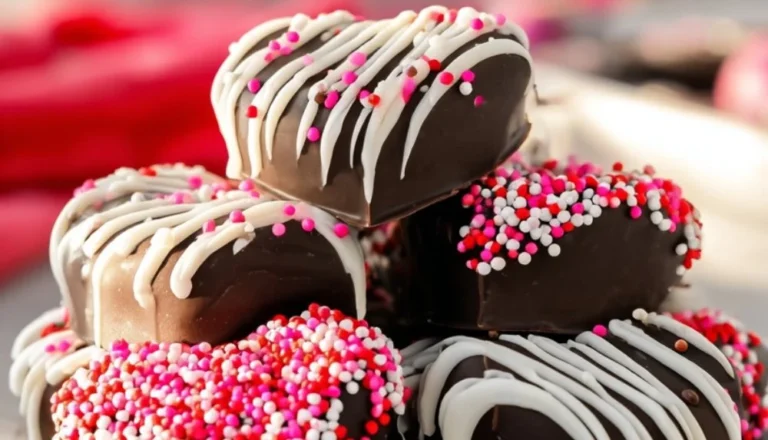
Carefully twist Oreo cookies apart, keeping cream on one side., Insert a lollipop stick into the cream side of each Oreo. Add a little melted chocolate if needed to secure. Place the other half of cookie back on top and gently press., Freeze Oreo pops for 5 minutes for easier dipping., Melt white and milk/dark chocolate separately according to package directions., Dip each Oreo pop into melted chocolate, covering completely. Allow excess chocolate to drip off., Place dipped pops on parchment-lined tray. Decorate immediately with sprinkles, or drizzle melted red/pink candy melts over the top., Let the pops set completely at room temperature or refrigerate for faster setting., Serve wrapped in cellophane as gifts or arrange on a platter for your Valentine celebration.
Ingredients through a cultural & historical lens
When I speak of ingredients I always try to listen to them as if they told stories. The Oreo is an emblem of 20th-century food manufacturing—its consistent crunch and uniform cream a product of conveyor belts and recipes honed for millions of mouths. White and dark chocolates, meanwhile, carry their own histories: dark chocolate’s lineage to the bitter ceremonial cacao of Mesoamerica and the later European refinement, white chocolate as a later, sweeter confection born of modern invention. Sprinkles might seem frivolous, but they are a descendant of sugared decorations used in celebratory baking across cultures—from Middle Eastern sugared nuts to European dragees—and thus connect a holiday pop to centuries of ornamenting sweets to mark rites of passage.
Even the lollipop stick has a small provenance: skewers turned ceremonial, borrowed from street vendors and festival stalls where fruit and sweets are impaled for quick, elegant eating. It is no accident that handheld desserts are often used for communal gifting; compactness has always been a way to carry sentiment across distance.
This interplay of mass-produced base and lovingly applied finish is why these pops feel both global and intimate. It mirrors how many cultures welcome industrial staples into domestic rituals, reshaping them with local tastes and decoration. You might find echoes of this in savory skewers like those in the Japanese chicken yakitori recipe, where a simple meat becomes ceremonial through glazing, timing, and context.
Cooking the dish: sensory notes & traditional techniques
The sensory pleasure of making and eating these pops lies in contrasts. The first is temperature: the cool snap of the cookie against the warm, glossy embrace of melted chocolate. The second is texture: the brittle bite of the Oreo’s outer shell giving way to the soft, sweet cream center. The third is visual—valentine hues of pink and red, the glitter of sprinkles, the clean line of a chocolate drizzle—which signals festivity the way decorated storefronts do in a market.
Traditional techniques here are less about precision and more about patience and rhythm. The gentle twist to separate cookie halves is almost meditative, while chilling the assembled pops allows the coating to adhere without shocking the chocolate into brittle fractures. The act of dipping is almost ceremonial; skilled hands will let excess chocolate drip back into the bowl with a steady motion, while others will coax out prettiness with a hurried, joyous abandon. The drizzle of colored candy melts is akin to icing a wedding cake: a simple gesture that can feel profoundly ceremonial when executed for someone you love.
These tactile acts—twisting, pressing, chilling, dipping—are common across myriad small confections worldwide and are what convert a factory-made biscuit into something you have personally tended. If you prefer richer, savory comforts on the table after such sweets, the textural play is not unlike what happens in dishes such as parmesan-crusted chicken with creamy garlic sauce, where crisp exterior and soft interior create the same satisfying dialogue.
How different regions prepare their version
Across the globe, decorators adapt colors and finishes to local taste. In parts of Latin America, vivid colors and abundant sugary adornment might be preferred—pops, in this context, become almost carnivalesque, dripping in candy confetti. In Japan, where minimalist aesthetics often reign, a pop might be finished with a thin, precise drizzle and a single, small sugar heart: understated but deliberate. Northern European tables might favor darker chocolate coats, a solemn nod to a fondness for less sweet confitures.
Cultural caregiving traditions also influence presentation. In many Latin households, sweets for Valentine’s are shared with neighbors and family in large, ornate platters; in some East Asian contexts, small individually wrapped gifts are given in exchange among classmates or coworkers. Wherever they appear, these pops are adapted to local rituals of giving—tied with ribbons, placed in small boxes, or handed from one palm to another during an evening walk.
Traditional ways this dish is shared or served
The charm of the Oreo pop is its portability and immediate giftability. Traditionally, such treats are wrapped in cellophane and tied with ribbon—making them perfect for passing between friends at school parties or leaving on co-workers’ desks. In homes where communal dining is central, they might be arranged like flowers in a jar at the center of the table, creating a tableau that invites conversation.
In families used to baking for charity or church events, these pops travel well in boxes for bake sales. In romantic contexts they are given as tokens—less formal than a box of artisan chocolates, yet more personal than a store-bought treat. This quality makes them versatile: they are as at-home on a picnic blanket in the park as they are among the twinkling lights at a Valentine’s Day community fair.
Storing the dish without losing its cultural essence
Storage is a practical note that also plays into cultural taste. In warm climates, refrigeration is common and accepted; the pops retain their glossy coat and maintain structure. In cooler places, room temperature storage in a cool cupboard might be preferred to avoid condensation on the chocolate that can dull its sheen. If you plan to gift them, wrapping individually preserves the visual language of a present—each pop becomes a small, private offering.
In communities that prize presentation, the way sweets are stored and unwrapped becomes part of the ritual: untying the ribbon, unfolding the paper, the momentary pause before the first bite. These acts are why you should consider the manner of storage not merely as logistics but as part of the treat’s narrative continuity.
Cultural questions people often ask
People often ask whether such a modern, branded cookie can have cultural significance. The answer is yes—cultural meaning often springs from how objects are used in gatherings, not from their origin. Another frequent question is whether it is acceptable to alter the cookie; the pops embrace alteration rather than purity—the combination of factory biscuit and handmade finish is a model of how many modern traditions form. Questions about health, too, are common, and many cultures balance indulgence with communal sharing—one pop shared among friends can be a way to partake without excess.
A closing note on food, memory & travel
Food is a language for telling where we’ve been and who we love. The Valentine’s Day Oreo pop is not ancient cuisine, but it is a vessel of affection, a small curated gesture that says: I thought of you. Its simplicity makes it portable across cultures, and its decorative possibilities let each person or family place their own signature on it. As a traveler and eater, I have learned that such small sweets often hold the richest memories—not because they are rare or costly, but because they are given and received with intention. Next time you twist an Oreo apart, pause for that moment: it is, in its own modest way, a little ritual of care.
Conclusion
If you want a visual guide or an alternative take on the idea, this charming tutorial on Valentine’s Day Oreo Pops – Happiness is Homemade offers step-by-step photos and styling ideas, while this other version on Valentine’s Day Oreo Pops recipe – Urban Bliss Life shows playful decoration techniques that might inspire your own seasonal touches.
Valentine's Day Oreo Pops
Ingredients
Method
- Carefully twist Oreo cookies apart, keeping cream on one side.
- Insert a lollipop stick into the cream side of each Oreo. Add a little melted chocolate if needed to secure.
- Place the other half of the cookie back on top and gently press.
- Freeze Oreo pops for 5 minutes for easier dipping.
- Melt white and milk/dark chocolate separately according to package directions.
- Dip each Oreo pop into melted chocolate, covering completely. Allow excess chocolate to drip off.
- Place dipped pops on a parchment-lined tray.
- Decorate immediately with sprinkles, or drizzle melted red/pink candy melts over the top.
- Let the pops set completely at room temperature or refrigerate for faster setting.
- Serve wrapped in cellophane as gifts or arrange on a platter for your Valentine celebration.