Teriyaki Pineapple Chicken and Rice Stuffed Peppers
AARON Introduction
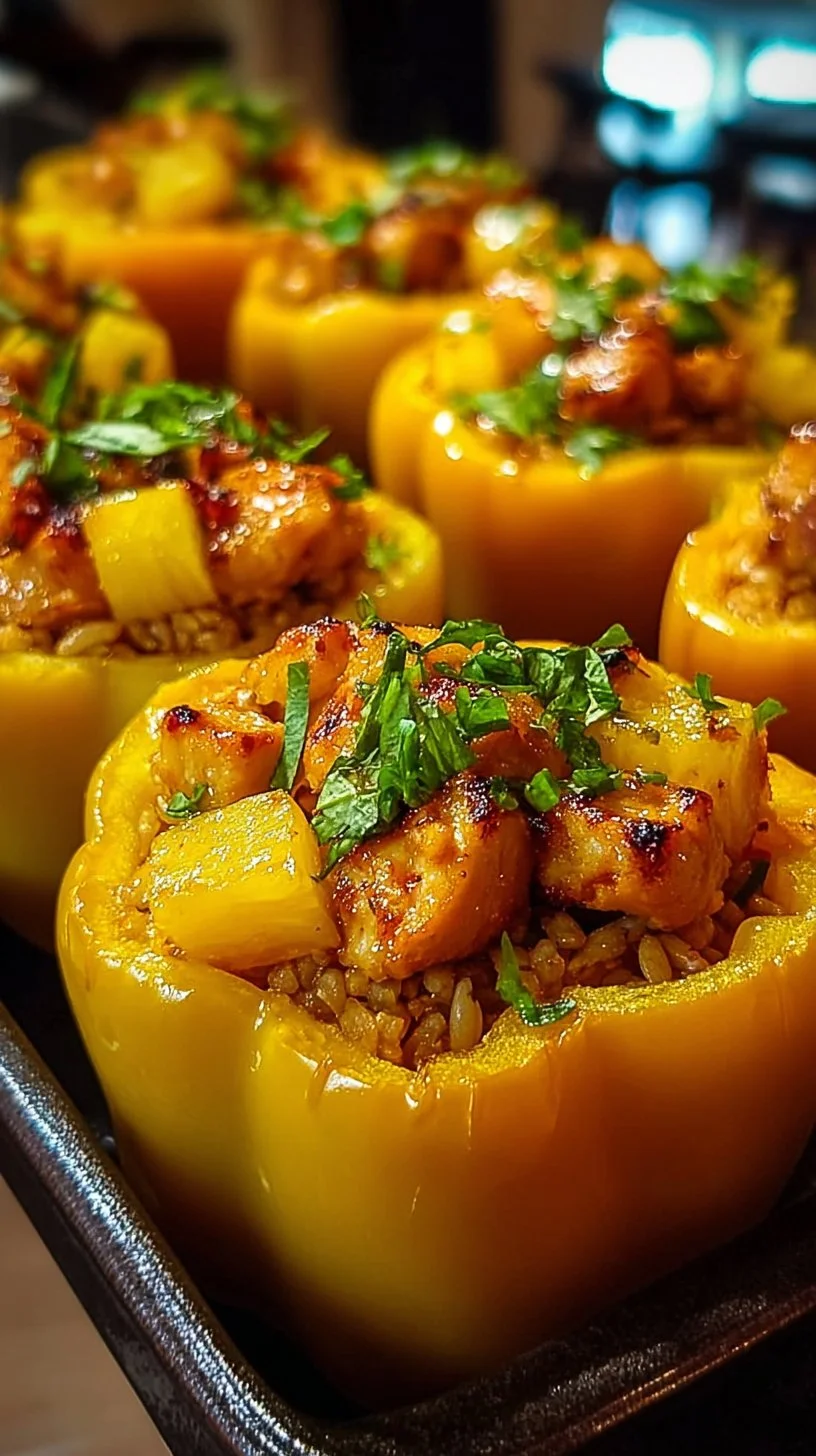
As a nutrition specialist, I see recipes as practical tools for supporting long-term health rather than quick fixes. Teriyaki Pineapple Chicken and Rice Stuffed Peppers is a colorful, protein-forward meal that balances flavor with whole-food ingredients and straightforward preparation. In this article I’ll walk through how this recipe supports digestion, nutrient balance, and sustainable eating habits, and provide evidence-based guidance on portioning, storage, and sensible modifications. If you enjoy combining lean protein with fruit and vegetables, this dish sits comfortably alongside other simple family meals — for example, you might also like the richly flavored creamy garlic butter chicken and bowtie pasta, which shares the same approachable protein-first philosophy.
How this recipe supports overall wellness
This stuffed-pepper dish layers several nutrition strengths into one plate: lean protein from chicken, fiber and antioxidants from bell peppers and pineapple, and carbohydrates from cooked rice for energy. Together these elements help stabilize blood sugar, support muscle maintenance, and contribute to satiety after a meal. From a digestion standpoint, the fiber in the bell peppers and the natural enzymes in pineapple (bromelain) can assist digestive processes when combined with mindful eating — chewing thoroughly and allowing time between bites supports more efficient nutrient absorption.
Beyond digestion, the teriyaki glaze adds flavor that increases palatability and can help people adhere to a nutrient-dense eating pattern. Taste matters for sustainability: people are more likely to repeat meals they enjoy, which helps make nutritious habits consistent. If you want another balanced weeknight option that emphasizes lean protein and simple prep, consider pairing this approach with dishes such as garlic butter chicken and salmon, which similarly blends protein with healthy fats and vegetables.
How to make Teriyaki Pineapple Chicken and Rice Stuffed Peppers
This section gives an overview of practical tips and small adjustments to ensure the recipe is both nourishing and easy to prepare for everyday life. The core method is straightforward: cook the chicken simply, mix it with rice and pineapple, stuff into peppers, and bake until tender. When preparing, aim to use even-sized bell peppers to promote uniform cooking. If you’re short on time, cook the chicken in batches and dice it while warm to retain juiciness, then combine with the rice and teriyaki sauce before stuffing to streamline assembly. Remember to taste the filling and adjust seasoning with salt and pepper prior to stuffing — small adjustments here can make the baked result more balanced.
To keep meal prep efficient for the week, consider cooking a larger batch of rice or chicken and refrigerating the extras for future stuffed-pepper nights. This method supports consistency in healthy eating without requiring daily cooking. For inspiration on how modest changes to familiar recipes can refresh a weekly menu, you might also explore different stuffed-protein preparations such as the technique used in baked chicken cordon bleu, which emphasizes assembly and reheating strategies.
Ingredients :
4 bell peppers, 1 pound boneless, skinless chicken breast, 1 cup cooked rice, 1 cup pineapple chunks, 1/4 cup teriyaki sauce, 1 tablespoon olive oil, Salt and pepper to taste, Chopped green onions for garnish
Directions :
- Preheat the oven to 375°F (190°C)., 2. Cut the tops off the bell peppers and remove the seeds., 3. In a pan, heat olive oil over medium heat and cook the chicken until fully cooked, about 6-8 minutes per side., 4. In a bowl, combine the cooked chicken (diced), rice, pineapple chunks, and teriyaki sauce., 5. Stuff each bell pepper with the chicken and rice mixture., 6. Place the stuffed peppers in a baking dish and cover with foil., 7. Bake for 25-30 minutes until the peppers are tender., 8. Garnish with chopped green onions before serving.
Nutrient roles of each main ingredient
- Bell peppers: These provide fiber, vitamin C, and a range of antioxidants like carotenoids. Fiber supports regular bowel movements and slows carbohydrate absorption, which can help maintain steady energy levels after a meal. Vitamin C supports connective tissue and iron absorption from meals that include plant-based iron sources.
- Chicken breast: A lean source of high-quality protein, important for muscle repair and maintenance, immune function, and satiety. Protein slows gastric emptying, which contributes to feeling full and can moderate post-meal blood glucose peaks.
- Cooked rice: Primarily a source of carbohydrate, rice supplies glucose needed for brain function and physical activity. Choosing whole-grain rice increases fiber and micronutrient content, but white rice is often more palatable and digests more quickly — both choices are valid depending on individual digestive tolerance and activity level.
- Pineapple chunks: Pineapple adds natural sweetness, vitamin C, and bromelain — an enzyme mix that has mild proteolytic activity. Bromelain may complement protein digestion when consumed alongside meat, and the fruit provides flavor variety that encourages vegetable intake.
- Teriyaki sauce: Often a blend of soy sauce, sugar, and aromatics, this sauce contributes sodium and sugars as flavor drivers. Used in moderation, it enhances compliance with healthy eating patterns by making meals enjoyable.
- Olive oil: A source of monounsaturated fat which supports fat-soluble vitamin absorption and contributes to a feeling of satiation. Cooking the chicken in a modest amount of oil helps preserve moisture and flavor without excessive added fat.
- Green onions: Provide small amounts of vitamins and phytonutrients while adding fresh flavor that reduces the need for extra salt.
Taken together, the combination provides a mix of macronutrients and micronutrients that support both immediate energy needs and ongoing wellness when consumed as part of a varied diet.
The preparation method & its health impact
Browning the chicken in olive oil before combining it with rice helps seal in juices and enhance flavor through the Maillard reaction; this increases palatability and reduces the temptation to add excess high-calorie condiments later. Baking the stuffed peppers with foil traps steam to soften the peppers efficiently while preserving nutrients that might otherwise degrade in prolonged high-heat exposure. Covering the dish also reduces the need for added fats to keep the filling moist.
From a safety perspective, cooking chicken to an internal temperature of 165°F (74°C) ensures pathogens are minimized; the described pan-cooking time (about 6–8 minutes per side) is a practical guide but using a thermometer is the most reliable method. The moderate oven temperature (375°F / 190°C) allows the peppers to soften without overcooking the filling. These methods together support both nutrient retention and food safety.
Ways to lighten, enrich or modify the dish nutritionally
If you want to adjust the recipe for specific goals, consider the following evidence-based options:
- Lighten: Use a reduced-sodium teriyaki sauce or dilute a regular sauce with a splash of water and a squeeze of citrus to lower sodium per serving. Swap white rice for a smaller portion of brown rice or a mixed grain to increase fiber, which supports digestion and prolonged fullness.
- Enrich (add more nutrients): Stir in a handful of finely chopped spinach or kale into the filling before stuffing — these will wilt during baking and add iron, calcium, fiber, and phytochemicals without overwhelming flavor. Add a tablespoon of toasted sesame seeds for trace minerals and a pleasant texture contrast.
- Increase healthy fats: For someone needing more energy (athlete, pregnancy), include a small drizzle of extra-virgin olive oil over the finished peppers or serve with a side of avocado salad to boost monounsaturated fats and fat-soluble vitamin absorption.
- Reduce carbohydrate load: Replace part of the rice with riced cauliflower for a lower-carb option while keeping volume and texture. This approach increases vegetable intake and reduces caloric density.
- Make it vegetarian: Substitute the chicken with firm tofu or tempeh that’s been lightly pan-fried and seasoned; keep the teriyaki and pineapple for a familiar flavor profile.
Each modification keeps the core recipe intact while adjusting nutrient balance to match individual needs or preferences.
Pairing ideas for a balanced, complete meal
To round out this stuffed-pepper entree into a well-balanced plate, combine it with items that complement macronutrients and increase vegetable variety:
- A crisp side salad of mixed greens, cucumber, and a light vinaigrette adds fiber and hydrating volume.
- Steamed or roasted cruciferous vegetables (broccoli or Brussels sprouts) contribute extra fiber, vitamin K, and sulforaphane precursors that support metabolic health.
- If you’d like a heartier meal, add a small side of edamame, which provides plant-based protein and fiber to complement the animal protein in the peppers.
- For dessert or contrast, a simple fresh fruit salad can satisfy sweet cravings while providing additional vitamins and water content.
Think in terms of plate composition: aim for half vegetables, a quarter lean protein (the stuffed pepper filling), and a quarter whole grains or starchy vegetables for steady energy.
Safe storage, food safety & optimal reheating
Proper storage and reheating preserve both safety and nutrient quality. After cooking, cool the stuffed peppers to room temperature for no more than two hours, then refrigerate in an airtight container. Stored properly, they will keep safely for 3–4 days. For longer storage, freeze in suitable containers for up to 2–3 months; thaw overnight in the refrigerator before reheating.
When reheating, make sure the internal temperature reaches 165°F (74°C) to ensure food safety. Reheat gently in an oven at 325–350°F (160–175°C) covered for 15–20 minutes, or use a microwave-safe dish and cover to retain moisture, rotating as needed. Reheating slowly helps maintain texture and prevents the peppers from becoming overly soft.
Common nutrition questions about this dish
- Is teriyaki sauce too high in sodium? Teriyaki sauces vary widely. Choose a reduced-sodium option if you’re monitoring salt, and balance the meal with potassium-rich foods (like leafy greens) to support electrolyte balance.
- Can pineapple help digest protein? Pineapple contains bromelain, an enzyme that can help break down protein slightly, which may make digestion easier for some people. The effect is mild and complements normal digestive enzymes from the pancreas and stomach.
- Is chicken breast the best protein choice? Chicken breast is a lean, versatile choice that fits many nutrition goals. If you prefer, other proteins such as turkey breast, tofu, or fish can be substituted in the same preparation framework while maintaining the meal’s overall nutritional balance.
- How can I make this suitable for children or older adults? Reduce spice and strong flavors, cut the peppers into smaller pieces, and ensure the filling is well-cooked and soft. Serve alongside a familiar carbohydrate like additional rice or whole-grain bread for easier eating and acceptance.
These answers focus on practical changes rather than prescriptive mandates, encouraging personalization based on needs and preferences.
Final wellness notes
This recipe exemplifies a balanced approach to meal building: it pairs lean protein with vegetables and a controlled portion of carbohydrate, adds fruit for flavor and digestive benefits, and uses modest added fat for satiation and nutrient absorption. The emphasis should be on consistent, enjoyable meals that you can prepare reliably — food that supports energy, recovery, and long-term habits without complicated rules. Regularly including colorful vegetables, adequate protein, and mindful portions will move you toward sustainable wellness.
Conclusion
If you’d like to see a closely related version of this concept, the site offers a similar take on the flavor profile at Teriyaki Pineapple Chicken & Rice Stuffed Peppers – Umami | Recipe, which can inspire variations in seasoning and presentation. For a Hawaiian-style twist that emphasizes sweet-savory balance, check out this adaptation at Hawaiian Stuffed Peppers – 12 Tomatoes, useful for family-friendly swaps. Finally, if you’re exploring different stuffed-pepper techniques with chicken and rice, this example provides helpful assembly and baking cues: Chicken Stuffed Bell Peppers – Jar Of Lemons.
Teriyaki Pineapple Chicken and Rice Stuffed Peppers
Ingredients
Method
- Preheat the oven to 375°F (190°C).
- Cut the tops off the bell peppers and remove the seeds.
- In a pan, heat olive oil over medium heat and cook the chicken until fully cooked, about 6-8 minutes per side.
- In a bowl, combine the cooked chicken (diced), rice, pineapple chunks, and teriyaki sauce.
- Stuff each bell pepper with the chicken and rice mixture.
- Place the stuffed peppers in a baking dish and cover with foil.
- Bake for 25-30 minutes until the peppers are tender.
- Garnish with chopped green onions before serving.