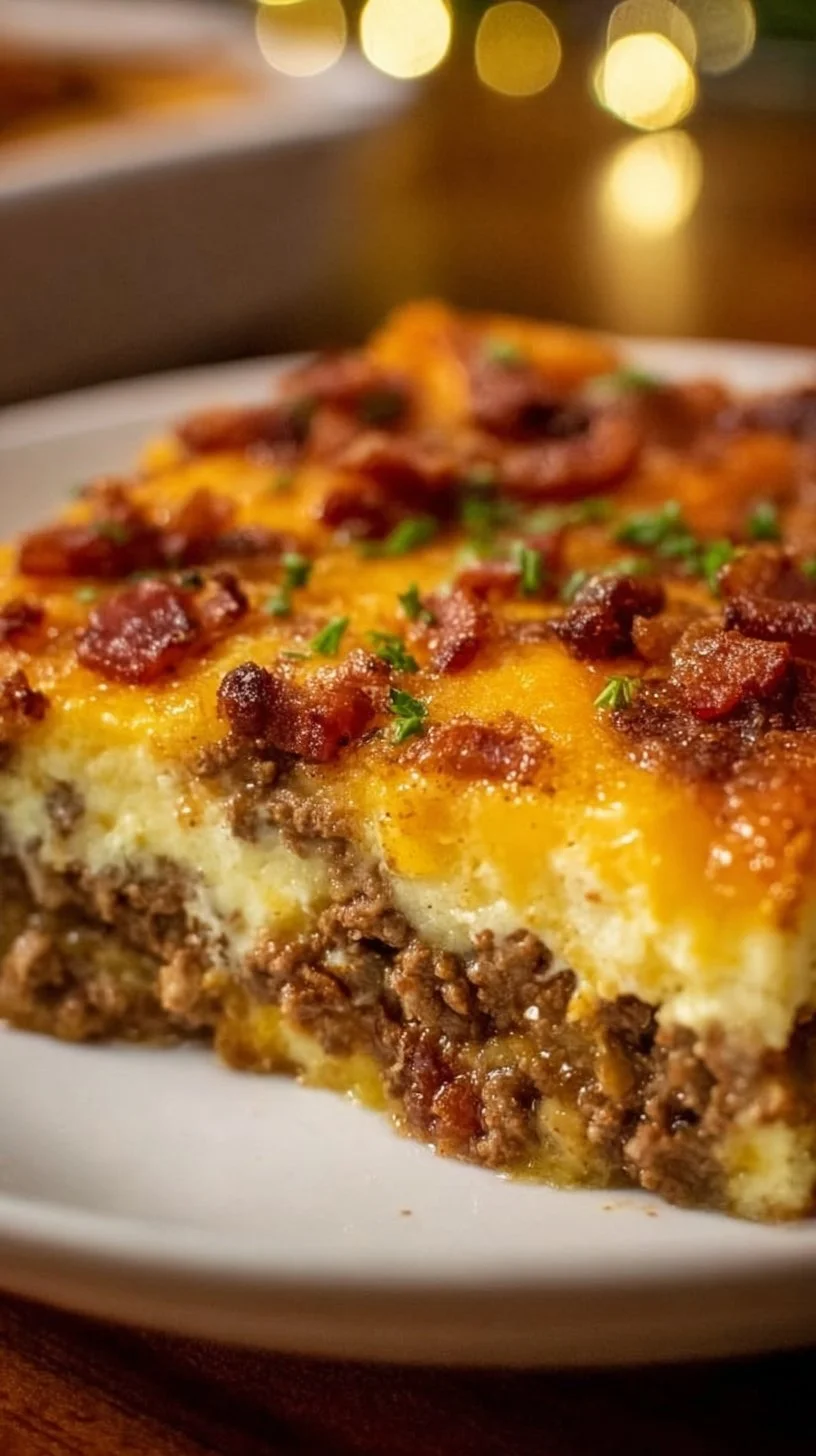
Low-Carb Bacon Cheeseburger Casserole
AARON Introduction
As a nutrition specialist, I approach recipes with an eye toward how they fit into a balanced diet, support digestion, and contribute to long-term wellness. This Low-Carb Bacon Cheeseburger Casserole is a comforting, protein-forward dish that can be enjoyed as part of a varied eating pattern. While it leans into richer ingredients like cheeses and heavy cream, those components also provide satiation and essential nutrients when portioned thoughtfully. For context on combining protein-rich casseroles with starchy comfort dishes in a way that supports satiety, I sometimes reference complementary recipes such as the Mac and Cheese Meatloaf Casserole mashup, which explores balance between indulgence and nourishment. This article walks through the recipe, the nutritional roles of its parts, practical digestion-focused tips, storage safety, and thoughtful ways to adapt the meal for your goals without changing the original ingredients or directions provided below.
How this recipe supports overall wellness
This casserole supports wellness most directly through its high-quality protein content and the feeling of fullness it provides. Ground beef, eggs, and cheeses supply complete proteins — that is, they deliver all the essential amino acids the body needs to build and repair tissues and to maintain immune and metabolic health. Protein-rich meals also tend to slow gastric emptying, which helps regulate post-meal blood sugar responses and keeps you satisfied longer, potentially reducing the urge to snack on less-nutritious options.
Fat in this recipe comes from several sources (bacon, heavy cream, cheeses), which increases caloric density but also contributes to nutrient absorption — especially fat-soluble vitamins like A, D, E, and K when paired with vegetables. The inclusion of onion, garlic, and optional pickles provides small amounts of fiber and phytonutrients that support gut health and flavor complexity. Overall, when served with vegetable-rich sides and consumed in appropriate portions, this casserole can fit into a healthful eating pattern focused on nutrient density and digestive comfort.
For practical meal planning ideas that marry casserole-style comfort with balanced sides, take a look at complementary casserole approaches like the Mac and Cheese Meatloaf Casserole mashup, which highlights pairing strategies that maintain balance.
How to make Low-Carb Bacon Cheeseburger Casserole
This section walks through what you’ll do, step by step, following the exact directions below. The recipe is straightforward: you crisp bacon, brown the beef with aromatics and seasonings, incorporate cream cheese for richness and binding, then create an egg-and-cream custard that is poured over the meat base and finished with melted cheese in the oven. Baking at a moderate temperature sets the custard while keeping the texture tender. The final dish slices neatly and can be garnished with pickles or parsley to introduce acidity and freshness that aid digestion. If you want a reference for different casserole textures and how they respond to baking times, this kind of approach is consistent with similar layered comfort bakes such as the Mac and Cheese Meatloaf Casserole mashup.
Ingredients :
1 lb 450 g ground beef, 6 slices bacon (cooked and crumbled), 1 small onion (finely chopped), 2 cloves garlic (minced), 4 large eggs, 1 cup 240 ml heavy cream, 1 cup shredded cheddar cheese (divided), 1 cup shredded mozzarella cheese (divided), 2 tbsp cream cheese (softened), 2 tbsp sugar-free ketchup (optional), 1 tsp yellow mustard, ½ tsp smoked paprika, ½ tsp garlic powder, ½ tsp salt (or to taste), ¼ tsp black pepper, 2 tbsp chopped pickles (optional topping), Fresh parsley for garnish (optional)
Directions :
Cook the Bacon: In a skillet, cook bacon until crispy. Remove, crumble, and set aside., Brown the Beef: Drain most of the bacon grease, leaving about 1 tbsp. Add ground beef, onion, and garlic. Cook until beef is browned and onion is soft. Stir in smoked paprika, garlic powder, salt, and pepper., Mix in Cream Cheese: Lower heat, stir in softened cream cheese until melted into the beef mixture. Add crumbled bacon back in. Spread this mixture evenly into a greased 9×13-inch baking dish., Prepare Egg Mixture: In a bowl, whisk together eggs, heavy cream, mustard, and ketchup (if using). Stir in half the cheddar and half the mozzarella., Assemble: Pour egg mixture over the beef layer in the baking dish. Top with remaining cheeses., Bake: Place in a preheated oven at 350°F (175°C) for 25–30 minutes, or until the center is set and the top is golden., Serve: Let cool slightly before slicing. Garnish with pickles or parsley if desired.
Nutrient roles of each main ingredient
- Ground beef: Primary source of complete protein and bioavailable iron (heme iron), along with zinc and B vitamins (especially B12). These nutrients support energy, red blood cell production, and cognitive function. Choosing leaner ground beef lowers saturated fat if that’s a priority, but the fat in regular ground beef contributes to satiety.
- Bacon: Provides flavor and additional fat-soluble flavor compounds; it contributes sodium and saturated fat. As a garnish rather than the main protein source, it adds texture and taste that promote meal satisfaction.
- Eggs: Contribute high-quality protein, choline (important for liver function and brain health), and micronutrients like selenium. Eggs help the casserole set into a custard-like texture because their proteins coagulate when heated.
- Heavy cream and cream cheese: Add richness, mouthfeel, and fat-soluble vitamin carrier properties. They increase caloric density and satiation, which can be helpful for people managing appetite, but they should be balanced with lower-calorie, fiber-rich sides when desired.
- Cheddar and mozzarella: Provide calcium, phosphorus, and protein. Cheese adds a source of dietary calcium and contributes to the dish’s texture and melting qualities.
- Onion and garlic: Offer small amounts of fiber and prebiotic compounds that support gut bacteria. They also add flavor, which can enhance enjoyment and the likelihood of including vegetables alongside the meal.
- Mustard, smoked paprika, pickles: Minor contributors to flavor complexity; pickles introduce acetic acid from fermentation or pickling, which some people find helpful for digestion and appetite regulation.
The preparation method & its health impact
The cooking sequence — frying bacon, browning beef, and then baking with an egg custard — influences both flavor and nutrition. Browning meat produces Maillard reaction compounds that create desirable savory flavors; however, high-temperature charring can form heterocyclic amines in small amounts. You can reduce these by avoiding excessive burning and by draining most of the bacon grease (as the recipe instructs). Using moderate oven temperatures (350°F/175°C) to finish the casserole gently sets the egg custard without over-browning.
Mixing cream cheese into the warm beef helps distribute fat and protein evenly, creating a cohesive base that improves texture and satiety. Baking the dish helps the proteins coagulate into a stable structure that slices well, while the cheeses on top form a flavorful crust. From a digestive perspective, combining fats with protein slows gastric emptying, which supports stable energy release but also means portion size matters for comfort — large portions can feel heavy for some people. Serving the casserole with acidic elements (pickles, a squeeze of lemon on greens) or fiber-rich sides can help balance richness and support digestion.
Ways to lighten, enrich or modify the dish nutritionally
There are several optional adjustments you can consider to shift the dish’s nutrient profile while keeping the original recipe intact for reference or occasional enjoyment:
- Increase vegetables on the side: Serve with a large green salad, steamed broccoli, or roasted Brussels sprouts to boost fiber, micronutrients, and volume per meal.
- Add fermented or acidic sides: A small serving of sauerkraut, pickles (as suggested), or a vinegar-based slaw can aid digestion for some people and add a bright contrast to the richness.
- Mindful portioning: Because the dish is calorie-dense, plate smaller portions with generous vegetable sides to create balance without changing the recipe itself.
- Boost fiber at the table: Offer a side of whole-grain crackers or a small portion of roasted root vegetables if you tolerate carbs and want more fiber with the meal.
- Flavor-focused reductions: If you’re watching sodium, keep the recipe the same but reduce added table salt at the meal and rely more on herbs and lemon to brighten plates.
If you’re interested in other casserole-style recipes that have been adapted for different nutritional goals, see an alternative comfort-bake discussion like the Mac and Cheese Meatloaf Casserole mashup for ideas on texture and side pairings.
Pairing ideas for a balanced, complete meal
To make this casserole part of a complete, balanced plate, think in terms of the “protein + fiber + fat” triad:
- Vegetables: A large mixed-leaf salad with a vinaigrette, steamed green beans, or roasted cauliflower provides fiber, vitamin C, and potassium that complement the dish’s richness.
- Fermented foods: A tablespoon of sauerkraut or a pickle (already suggested in the recipe) can add acidity and small amounts of probiotics that some find supportive for digestion.
- Healthy fats and grains (optional): If you include grains in your diet, a small serving of quinoa or farro on the side provides whole-grain fiber and additional micronutrients. Alternatively, avocado slices provide mono-unsaturated fats and fiber for heart health when desired.
- Beverages: Water, sparkling water with a lemon wedge, or unsweetened iced tea are suitable choices; avoid sugar-sweetened beverages which add empty calories and can compete with the dish’s flavor profile.
Balanced meals like this that combine protein with vegetables and a modest portion of complex carbohydrates when desired support steady energy, nutrient adequacy, and digestive comfort.
Safe storage, food safety & optimal reheating
Food safety is essential with egg- and meat-based casseroles. Follow these guidelines:
- Cool promptly: After baking, allow the casserole to cool slightly, then refrigerate within two hours to minimize bacterial growth.
- Fridge storage: Keep refrigerated at 40°F (4°C) or below and consume within 3–4 days for best quality and safety.
- Freezing: If you want longer storage, portion the casserole into airtight containers and freeze for up to 2–3 months. Label with the date.
- Reheating: Reheat individual portions until they reach 165°F (74°C) throughout. Use a microwave or oven; cover to retain moisture and reheat evenly. If reheating from frozen, thaw overnight in the refrigerator before reheating for best texture.
- Leftover sniff test: Discard if there is an off smell or visible mold. When in doubt, prioritize safety.
Common nutrition questions about this dish
- Is this casserole “keto” or low-carb? The ingredient list is low in digestible carbohydrates, so the recipe is compatible with low-carb approaches. However, exact carbohydrate content depends on optional ketchup and pickles; the dish is primarily protein and fat.
- What about saturated fat and cholesterol? This dish contains sources of saturated fat and dietary cholesterol from meats and dairy. For most people, enjoying such a dish occasionally as part of an overall balanced diet is reasonable. If you have specific health conditions or dietary targets, consult a healthcare provider or dietitian to tailor frequency and portion size.
- Will it be hard to digest? The combination of fat and protein can feel heavy for some. Pairing the casserole with fiber-rich vegetables, adding a small acidic side, and practicing portion control can support digestion and comfort.
- Is it nutrient-dense? Yes — it provides complete protein, B vitamins, iron, calcium, and other micronutrients. To enhance nutrient density further, combine it with colorful vegetables and a source of fiber.
- Are there common allergens? Yes — eggs and dairy are present, and the recipe contains meat. Modify your meal planning if you have food allergies or intolerances.
Final wellness notes
This Low-Carb Bacon Cheeseburger Casserole is an example of how comfort foods can be integrated thoughtfully into a nutritious living pattern. It supplies satiating protein and flavorful fats, which can support appetite control and provide essential micronutrients when balanced with vegetables and mindful portioning. Focus on enjoying foods in the context of variety, listening to your hunger and fullness cues, and pairing richer dishes with fiber-rich, vitamin-dense sides to promote digestion and overall wellbeing. If you have individualized nutrition goals or medical conditions, working with a registered dietitian can help adapt frequency and portion sizes to your needs.
Conclusion
For further inspiration or alternative takes on low-carb bacon cheeseburger-style casseroles, you may find recipes and variations helpful, such as the detailed version at Low Carb Bacon Cheeseburger Casserole – Buns In My Oven. If you’re exploring keto-friendly adaptations and step-by-step tips, see this practical guide at Easy Keto Low-Carb Bacon Cheeseburger Casserole – Stay Snatched. For another flavorful interpretation with serving suggestions and swaps, consult Low Carb Bacon Cheeseburger Casserole – The Buttered Home.
Low-Carb Bacon Cheeseburger Casserole
Ingredients
Method
- In a skillet, cook bacon until crispy. Remove, crumble, and set aside.
- Drain most of the bacon grease, leaving about 1 tbsp. Add ground beef, onion, and garlic. Cook until beef is browned and onion is soft.
- Stir in smoked paprika, garlic powder, salt, and pepper.
- Lower heat, stir in softened cream cheese until melted into the beef mixture. Add crumbled bacon back in.
- Spread this mixture evenly into a greased 9×13-inch baking dish.
- In a bowl, whisk together eggs, heavy cream, mustard, and ketchup (if using). Stir in half the cheddar and half the mozzarella.
- Pour egg mixture over the beef layer in the baking dish. Top with remaining cheeses.
- Place in a preheated oven at 350°F (175°C) for 25–30 minutes, or until the center is set and the top is golden.
- Let cool slightly before slicing. Garnish with pickles or parsley if desired.