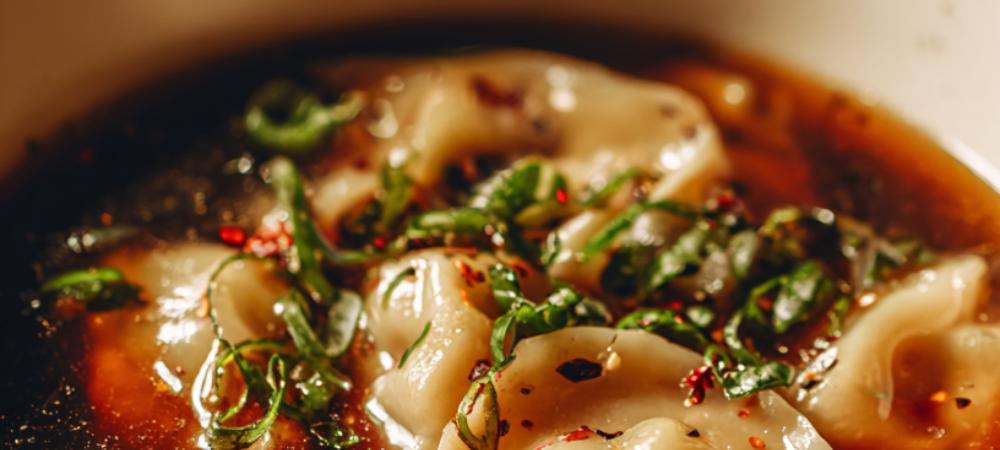
Potsticker Soup
Introduction
There is a certain magic that envelops a bowl of soup when it carries within it not just nourishment but a rich history, a chorus of diverse flavors, and tales that traverse generations. Potsticker Soup, a delightful union of tender dumplings and savory broth, unfolds like a chapter in a much-loved storybook, each spoonful narrating its own tale. As we gaze into the steaming depths of this aromatic concoction, we are reminded of the communal meals and familial gatherings that have shaped our culinary landscapes. Potsticker Soup is not merely a dish; it is a passport to the heart of cultures intertwined through food.
The origin story & regional influence behind this dish
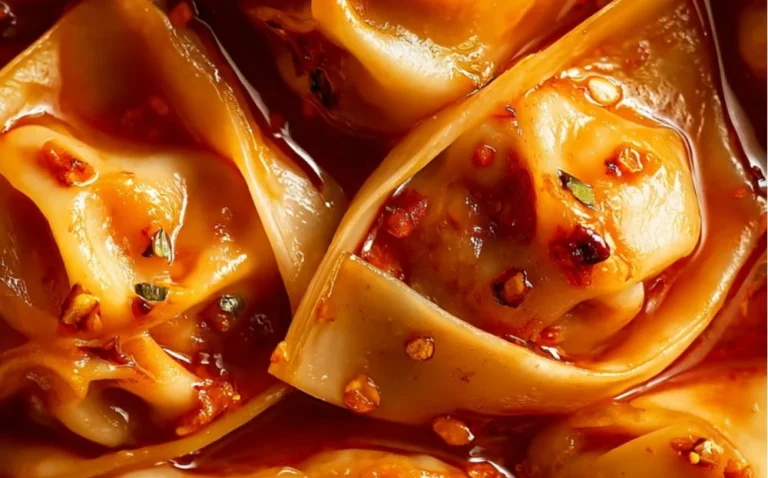
Potstickers, with their crisp bottoms and soft tops, are thought to have originated in China over a thousand years ago. Traditionally known as “jiaozi,” these dumplings have roots deeply embedded in the lunar New Year celebrations, symbolizing wealth and prosperity. They are lovingly crafted as families come together, folding the dough with precision made effective by familial bonds, every pinch sealing in cherished flavors. As migration patterns shifted and culinary traditions found their way across continents, potstickers transformed—and continued to do so—in various cultural contexts.
In Japan, you might find their counterparts in “gyoza,” which echo the potsticker tradition with subtle nuances in flavor, often imbued with scallions and garlic. Meanwhile, in Korea, “mandu”—dumplings enveloped in delicate wrappers—are glammed up in grand feasts as symbols of health and good fortune. Each of these variants, inspired by the same ancestral roots, has its own story, its own memories slumbering within the folds of dough.
The melding of these inspirations into a soup format allows this dish to shift from an appetizer to a warming main course, capable of bringing comfort on a chilly evening or on a day when life simply feels overwhelming. It embodies the warmth of home, a culinary hug that tells you that no matter where in the world you find yourself, you’re always welcome at the table.
How to make Potsticker Soup
Ingredients
To capture the essence of this beloved dish, the ingredients include:
- Dumplings
- Garlic
- Ginger
- Vegetable broth
- Soy sauce
- Scallions
- Greens (e.g., spinach or bok choy)
- Carrots
- Sesame oil
- Salt and pepper to taste
Directions
To create this soul-warming concoction, one begins with the simplicity of communion in a kitchen:
- In a large pot, heat sesame oil over medium heat.
- Add minced garlic and ginger, sautéing until fragrant.
- Pour in the vegetable broth and bring to a simmer.
- Add dumplings to the pot and cook according to package instructions.
- Stir in sliced carrots and greens, simmering until tender.
- Season with soy sauce, salt, and pepper to taste.
- Garnish with chopped scallions and serve hot.
Ingredients through a cultural & historical lens
Every ingredient in Potsticker Soup whispers hints of its journey through history. The dumplings—which often take center stage—are not mere pockets of dough; they are vessels of stories, representing the communal effort of families and friends bonding over their preparation. Each bite evokes the joy of sharing meals, as generations have learned through the ages about love, labor, and celebration.
Garlic and ginger—aromatic staples in Chinese cuisine—carry with them traditions of health and wellness, believed in many cultures to ward off illness and bring good luck. Their partnership in the sautéing process sings an intoxicating song that wafts through the kitchen, gathering everyone for a taste. It’s a scent that has beckoned families to the dinner table for centuries, a promise of warmth and comfort.
Vegetable broth quenching the pot is an homage to frugality and the art of repurposing; a rich elixir distilled from leftover vegetables and scraps, it tells stories of resourcefulness in survival. While soy sauce introduces umami depth, often called the “fifth taste,” it reminds us that fermented tradition is central to many Asian cuisines, carrying tales of patience and the deft hand of skilled artisans.
Greens, whether they are vibrant bok choy or tender spinach, symbolize the freshness and vitality of the earth, woven into the tapestry of living and seasonal recipes. Carrots lend a sweet crunch, their bright orange hue adding a burst of energy and joy to the ensemble. The final touch of scallions is the bow on the elegant package, bringing brightness and a hint of bite to echo the song of the other ingredients.
Cooking the dish: sensory notes & traditional techniques
As the sesame oil gently begins to shimmer in the pot, it fills the air with the nutty aroma that is often associated with home cooking in Asian households. The minute you add the garlic and ginger, it’s as if time itself slows; the fragrance swirls, drawing you in and grounding you in the moment. This mingling of scents is a tender reminder of the kitchens where generations have collaborated, hunched over simmering pots and warm dough, sharing not only ingredients but life lessons and laughter.
The act of cooking Potsticker Soup transcends mere culinary technique; it is a dance of flavors. The broth, infused with garlic and ginger, becomes a warming embrace, cradling the tender dumplings as they bob along, like little boats in a sea of love. The greens and carrots add vibrant colors, each hue a vivid testimony to the care and passion poured into this dish.
As you taste the first spoonful, the warmth floods your being, echoing the feeling of being enveloped by family during celebrations and holidays. It’s a sensory explosion—the softness of the dumplings, the richness of the broth, and the crunch of the vegetables create a delightful tapestry of textures and tastes that linger lingering on the palate, inducing reminiscence of childhood meals and shared laughter.
How different regions prepare their version
As one travels across the globe, the variations of potsticker soup shimmer in diverse culinary lights. In Taiwan, perhaps the broth is more robust, courtesy of a handful of mushrooms adding depth. The dumplings may be thick-skinned, filled with a bountiful mix of pork and vegetables, reflecting the country’s penchant for bold flavors.
In the bustling street markets of South Korea, one might encounter mandu soup where spicy kimchi adds a vibrant kick to the otherwise comforting environment, contrasting the traditional warmth of the other regional interpretations. Here, the seasonal ingredients dance through the styles of communal cooking, emphasizing the local spice palette.
In the coastal regions of Japan, a seafood version of potsticker soup is often spotted, featuring delicate fish dumplings that highlight the freshness of the catch and local taste preferences—each sip embodying the ocean’s wisdom and tradition of respecting the sea.
As we navigate these culinary landscapes, we recognize Potsticker Soup not only as comfort food but as a bridge connecting diverse cultures, each incorporating their essence and stories into the pot.
Traditional ways this dish is shared or served
Within the home, Potsticker Soup often graces the table at gatherings, warm enough to create a sense of belonging and familial love. On cold winter evenings, families gather around, eager to ladle the steaming broth into bowls, conversations flowing as freely as the savory liquid. It offers not just nourishment but an experience—sharing stories, laughter, and the warmth of togetherness.
Throughout Chinese festivals, the emphasis on sharing dumpling-centered dishes serves to anchor familial connections. Each dumpling becomes a symbol of reunion, emphasizing the belief that food brings people together. As family members prepare the meal, younger generations learn the time-honored traditions of creating their own dumplings, encasing flavors of history and contributions from every hand involved.
In restaurants, this soup often finds a place in the entire family’s dining experience—large bowls set in the center to encourage communal sharing, reinforcing cultural values of community and interconnectedness. The soup acts as a hearty centerpiece for the meal, reminding us that every ingredient matters, much like every family member sitting at the table.
Storing the dish without losing its cultural essence
As enchanting as Potsticker Soup is fresh and steaming, its essence can be maintained even when stored for later enjoyment. The key is to treat the leftovers with care. Separation becomes the watchword—dumplings can be removed from the broth to prevent becoming too soft, while the remaining broth can be refrigerated or frozen, preserving its aromatic qualities.
When reheating, add in fresh greens for an extra flourish, just like a theatrical production adds a concluding bow. This preserves the credibility of the dish, honoring tradition while making accommodations for modern fridges and busy lives. Each bowl served thereafter still pulses with the warmth of its original creation, even if removed from the hearth of familial hands.
Cultural questions people often ask
As Potsticker Soup travels through kitchens and families, certain cultural queries inevitably accompany its journey:
- Why do we celebrate dumplings during the Lunar New Year? Dumplings symbolize wealth and prosperity, representing the ancient Chinese belief that their shape resembles gold ingots, which connects them to good fortune.
- Can potstickers be made with different fillings? Absolutely! Across cultures, potstickers have evolved to incorporate various meats, seafood, or vegetarian options, each filling narrating a different tale of regional taste preferences.
- Are dumplings considered a comfort food? Indeed! For many, potstickers and their soup forms evoke nostalgia, reminding individuals of familial gatherings, celebrations, and the comforts of one’s heritage.
A closing note on food, memory & travel
Food remains an extraordinary lens through which we can explore our shared human experience. Potsticker Soup is a pulsating narrative of love, and resilience carrying whispers of nostalgia bound in its fragrant steam. It reminds us of home—not just where we grew up, but the homes we create wherever life takes us. Whether we find ourselves in a bustling market, a fine-dining establishment, or comfortable family kitchens, this dish threads us back to the stories and traditions that unite us as a global village.
So the next time you immerse a spoon into a warm bowl of Potsticker Soup, take a moment to savor not just its rich flavors but the echoes of distant kitchens and shared laughter. Food carries the depth of culture, tradition, and memory—allowing us to taste a piece of history while we create new stories to share for generations to come.
Potsticker Soup
Ingredients
Method
- In a large pot, heat sesame oil over medium heat.
- Add minced garlic and ginger, sautéing until fragrant.
- Pour in the vegetable broth and bring to a simmer.
- Add dumplings to the pot and cook according to package instructions.
- Stir in sliced carrots and greens, simmering until tender.
- Season with soy sauce, salt, and pepper to taste.
- Garnish with chopped scallions and serve hot.