Birria Tacos
Introduction
There are dishes that feed you, and then there are dishes that remember you. Birria tacos belong firmly in the second category. The first time I tasted them was on a rain-softened evening in western Mexico, standing under a flickering streetlight, the scent of slow-simmered chiles wrapping around me like a familiar shawl. The tortilla was warm, the meat impossibly tender, and the broth—oh, the broth—was a deep, brick-red consomé that tasted of patience, history, and celebration.
Birria tacos are not fast food, even when eaten on the street. They are the result of hours, sometimes days, of care. They are made for gatherings, for family tables pushed together, for weddings and wakes, for Sundays that stretch long into evening. Each bite carries echoes of rural kitchens, clay pots, and hands that know exactly when the meat is ready—not by timers, but by touch.
This is a dish born of resilience and joy, a culinary answer to abundance and necessity alike. To make birria tacos at home is not simply to cook; it is to participate in a living tradition that spans regions, generations, and borders.
The Origin Story & Regional Influence Behind This Dish
Birria traces its roots to the state of Jalisco, though neighboring regions like Michoacán and Zacatecas have long claimed their own versions. Traditionally, birria was made with goat—a meat introduced during Spanish colonization that thrived in the arid landscapes of western Mexico. Goat was plentiful, resilient, and deeply flavorful, but also challenging. Birria was the answer: a slow-cooked stew fragrant with chiles, herbs, and spices that softened the meat and transformed it into something celebratory.
Over time, beef birria became more common, especially outside rural areas and across the border. Beef chuck, with its marbling and structure, lends itself beautifully to long simmering, absorbing the chile-rich sauce while yielding a broth worthy of reverence.
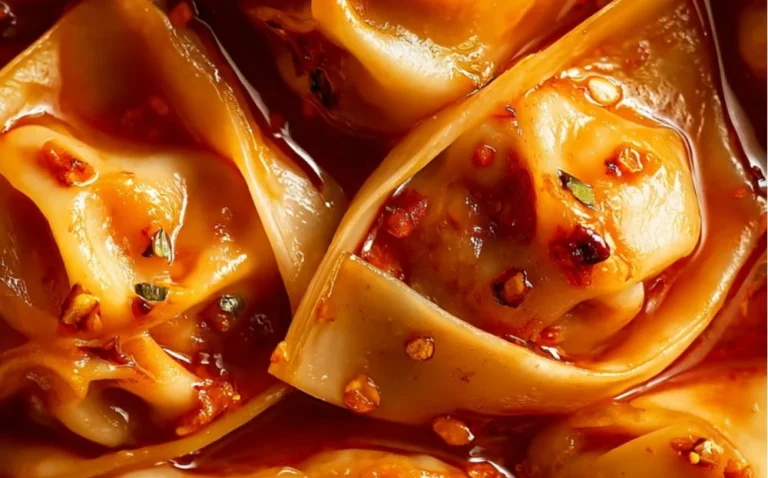
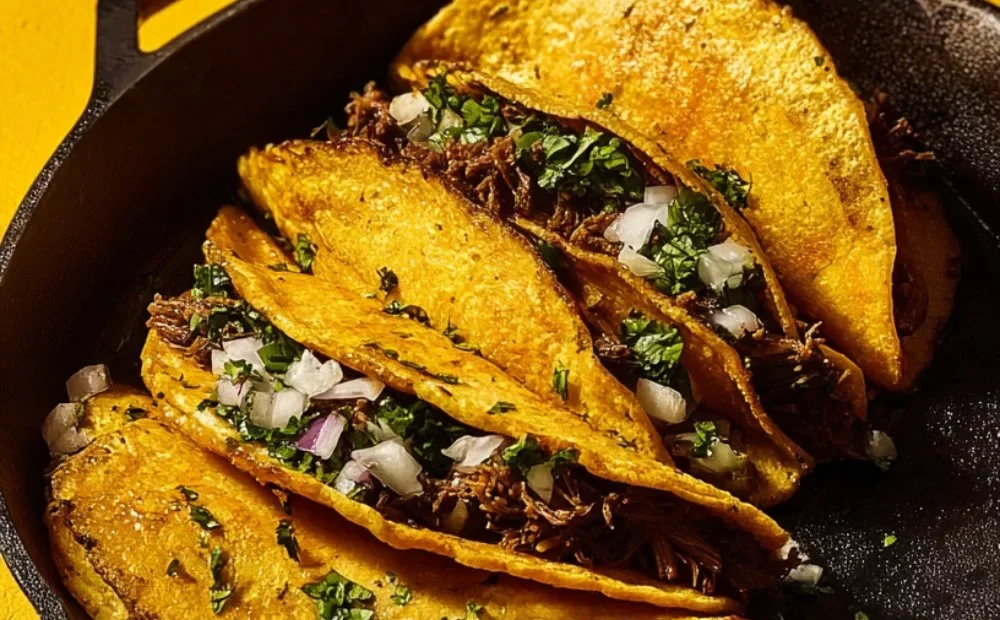
What began as a stew served in bowls gradually found its way into tortillas. Street vendors, ever inventive, tucked the shredded meat into corn tortillas, often dipping them into the surface fat of the consomé before warming them. The result was something irresistible: tacos both tender and rich, designed for dipping, dripping, and lingering.
Birria tacos are now celebrated globally, but their soul remains deeply regional—rooted in western Mexico’s landscapes, livestock, and communal way of eating.
Ingredients Through a Cultural & Historical Lens
Every ingredient in birria tacos tells a story, and none are accidental.
Dried guajillo and ancho chiles form the backbone of the dish’s flavor. Guajillo brings brightness and gentle heat; ancho, made from dried poblanos, offers sweetness and depth. These chiles are not meant to burn, but to envelop—coloring the broth a deep red-brown that signals comfort rather than fire.
Garlic and onion are universal, yet deeply personal. In Mexican cooking, they are rarely aggressive; instead, they melt into sauces, creating a base that supports rather than dominates.
Cumin and oregano speak to the blending of indigenous and European influences. Mexican oregano, particularly, has a citrusy, almost wild quality that lifts the richness of the meat.
Bay leaves, often overlooked, lend a quiet bitterness that balances the chiles.
Beef chuck roast is a practical, generous cut—ideal for feeding many. Its transformation through slow cooking mirrors the philosophy of birria itself: time, not extravagance, creates luxury.
Finally, corn tortillas, cilantro, onion, and lime return the dish to freshness and earthiness. They cut through the richness, reminding you that birria is a balance—never heavy, never flat.
Cooking the Dish: Sensory Notes & Traditional Techniques
Making birria tacos begins not with heat, but with water. The dried chiles are softened in hot water, their skins loosening, their aroma awakening. This moment is always quiet, almost ceremonial. The chiles darken, the water blushes, and the kitchen begins to smell like something important is happening.
Blending the chiles with garlic, onion, spices, and broth creates a sauce that is thick, smooth, and deeply aromatic. This is where birria’s personality forms. Taste it here, before it meets the meat, and you’ll understand its intent.
The beef is then bathed in this sauce, submerged alongside broth, salt, and bay leaves. Once the pot reaches a boil, everything slows. The heat drops. The lid goes on. Time stretches. Over hours, the meat yields, fibers relaxing into strands that pull apart effortlessly.
As it cooks, the broth deepens, fat rising gently to the surface. This consomé is not a byproduct; it is a companion, meant for sipping, dipping, and savoring.
When the beef is shredded and tucked into warm tortillas, the final assembly feels almost casual—because the real work has already been done by patience.
How Different Regions Prepare Their Version
In Jalisco, birria is often served as a stew first, tacos second. The broth is paramount, sometimes seasoned with vinegar or served with handmade tortillas on the side.
In Michoacán, spices may lean warmer, sometimes incorporating clove or cinnamon for depth.
Across northern Mexico, beef dominates, and birria tacos are heartier, often larger, built for long days of labor.
In border cities and beyond, birria tacos have taken on new lives—crisped tortillas, cheese melted inside, variations that reflect migration and adaptation. While purists debate, history reminds us that birria itself was once an adaptation.
What matters is intention: respect for the broth, the meat, and the time required.
Traditional Ways This Dish Is Shared or Served
Birria is rarely eaten alone. It appears at weddings, baptisms, and family reunions—often early in the morning, when the air is cool and appetites are open.
Tacos are assembled at the table, garnished generously with chopped onion and cilantro, lime squeezed just before the bite. The consomé is served alongside, sometimes in mugs, meant to be sipped between tacos or used for dipping.
There is conversation, laughter, the clatter of bowls. Birria tacos are not rushed. They invite pause, second servings, and stories that begin with, “Do you remember the time…?”
Storing the Dish Without Losing Its Cultural Essence
Birria keeps beautifully, perhaps because it was always meant to last. Stored in an airtight container in the refrigerator, the meat and broth remain vibrant for up to three days.
Some families keep them together, allowing flavors to continue mingling. Others separate them for flexibility. When reheating, do so gently—on the stove if possible—so the broth retains its silkiness.
Freezing birria is common, especially in households that cook in large quantities. Thawed slowly and reheated with care, it remains a gift from your past self.
Cultural Questions People Often Ask
Can birria be made with other meats?
Yes. Goat is traditional, beef is common, lamb deeply beloved, and chicken welcomed. Each brings its own character, but the method remains sacred.
Is birria spicy?
It is flavorful, not fiery. The chiles are chosen for depth, not heat.
Why is the broth so important?
Because birria is not just tacos—it is stew, sauce, and memory in liquid form.
Can it be made ahead?
Not only can it—it often should be. Like many traditional dishes, birria improves with rest.
A Closing Note on Food, Memory & Travel
When I make birria tacos far from Mexico, I am reminded that recipes are passports. They carry us across borders, into kitchens we may never see again, back to moments we didn’t know we’d miss.
Birria teaches patience. It asks you to trust time, to let flavors unfold, to understand that the best meals are rarely rushed. Whether you serve it at a crowded table or a quiet one, it arrives with generosity.
And when you dip that taco into the consomé, when the tortilla darkens and drips, you are participating in something older than trends—a conversation between land, people, and fire that continues, one pot at a time.
Birria Tacos
Ingredients
Method
- Rehydrate the dried chiles in hot water for about 15 minutes until soft.
- In a blender, combine the chiles, garlic, onion, cumin, oregano, bay leaves, and a bit of the broth. Blend until smooth.
- In a large pot, add the beef chuck roast and pour the blended sauce over it. Add the remaining beef broth and season with salt and pepper.
- Bring to a boil, then reduce heat to low. Cover and simmer for about 2-3 hours, or until the meat is tender.
- Once cooked, shred the beef with two forks.
- In a skillet, warm the tortillas and fill them with the shredded beef.
- Top with chopped cilantro and onion.
- Serve with lime wedges and enjoy your Birria Tacos!