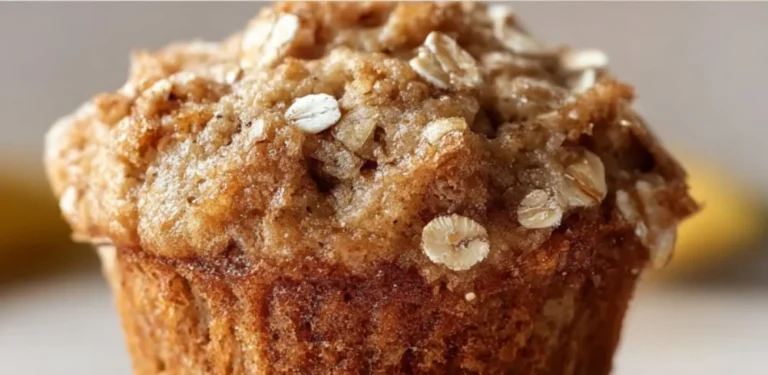
Pancake Mini Muffins
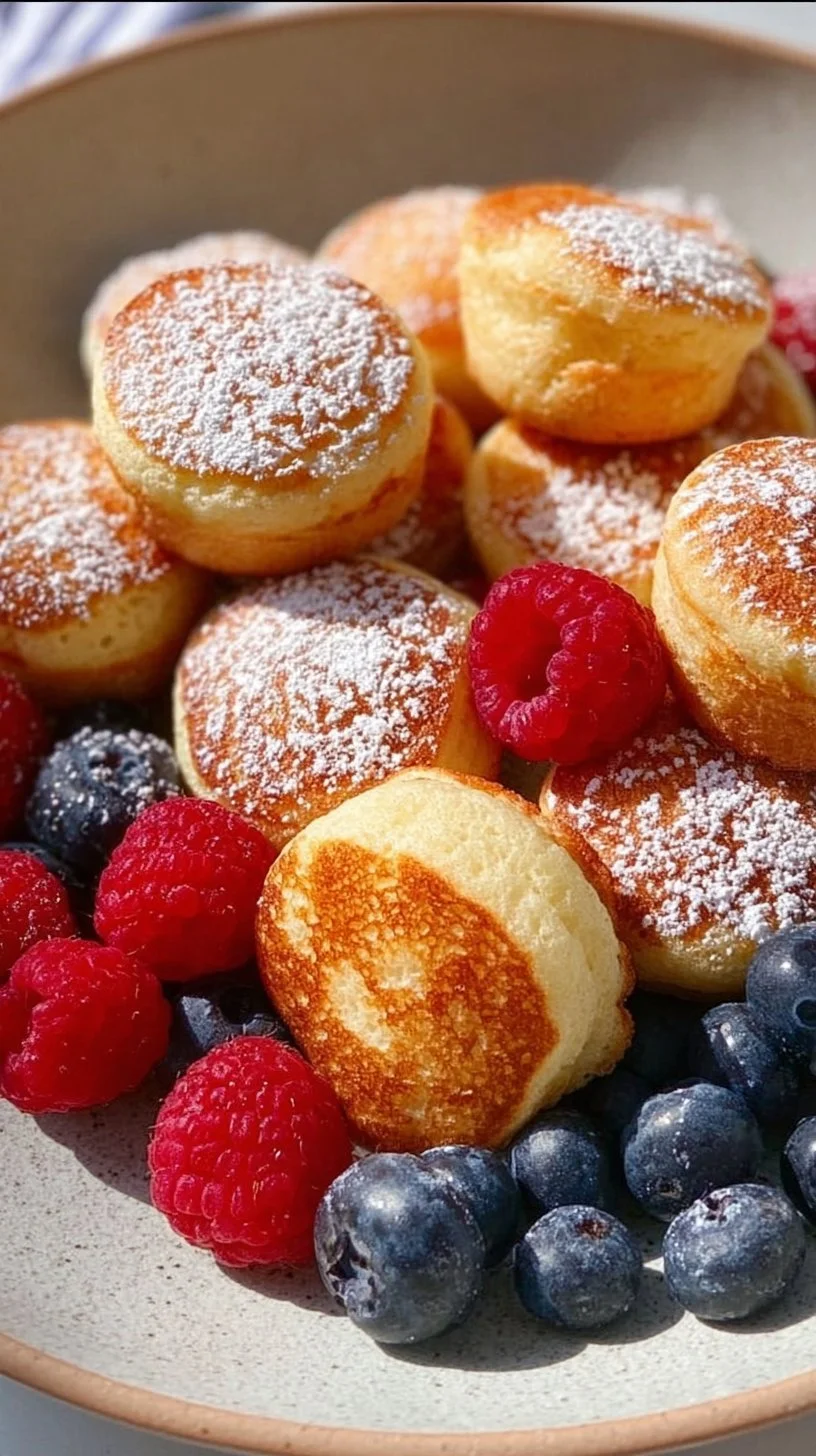
Pancake Mini Muffins distill the formula of a classic griddle pancake into a compact, oven-baked format that prioritizes uniformity, crust development, and controlled interior crumb. As a professional chef, I approach this preparation as an exercise in balancing chemical leavening, hydration, and gentle mixing so that each bite presents a tender interior, a thin caramelized exterior, and a concentrated flavor profile. This recipe is straightforward but rewards precise timing and technique; small adjustments in handling yield distinctly different textures. For a parallel approach to portioned breakfast desserts and to compare textural outcomes, consult this demonstration of refined small-format desserts like Black Forest mini dessert cups which apply similar principles of portion control and finishing.
The culinary logic behind this dish
The fundamental logic is conversion: transform a pancake batter—quick, wet, leavened primarily by chemical agents—into a stable, oven-baked pocket. Baking in a metal mini muffin tin changes heat transfer dynamics compared with a griddle. Conduction from the tin produces a faster, more uniform gelation of starches at the perimeter and quicker Maillard reactions at the exposed rim. Baking also favors a drier crumb than pan-cooking, so ingredient ratios are tuned to maintain tenderness without collapse.
Baking powder provides the immediate lift necessary to create internal porosity; it begins acting upon hydration and accelerates with oven heat. The eggs contribute both structure through coagulation and emulsification for even fat distribution; the melted butter adds flavor depth and a silkier crumb by coating starch granules. Sugar participates in browning and hygroscopic retention, preserving tenderness. Precise control of mixing and temperature ensures these elements perform in concert rather than at cross-purposes, producing a mini muffin with an evenly baked interior and a thin, aromatic crust.
How to make Pancake Mini Muffins
Follow the recipe as written for consistent results. Do not alter quantities or steps.
Ingredients :
1 cup all-purpose flour, 2 tsp baking powder, 2 tbsp granulated sugar, 1/4 tsp salt, 1/2 cup milk (whole or substitute), 2 large eggs, 1 tsp vanilla extract, 2 tbsp melted butter (cooled)
Directions :
Preheat oven to 350°F (175°C) and prepare a mini muffin tin with nonstick spray or liners., In a bowl, whisk together flour, baking powder, sugar, and salt., In another bowl, mix milk, eggs, melted butter, and vanilla until well combined., Pour the wet ingredients into the dry ingredients and stir gently until just combined; lumps are okay., Fill muffin tins about two-thirds full with batter., Bake for 12-15 minutes until golden brown and a toothpick comes out clean.
Ingredient analysis through a chef’s lens
Flour: All-purpose flour supplies a balance of protein for structure without producing an overly chewy crumb. The quantity here yields a batter with sufficient body to hold shape when scooped into mini cavities but not so much that the interior becomes dense.
Baking powder: At 2 teaspoons for a cup of flour this is a moderate lift designed to open crumb quickly as steam forms; it must be fresh. Stale leaven will reduce oven rise and produce tighter crumbs.
Sugar: Two tablespoons provide light sweetness and accelerate browning. The amount is intentionally restrained to keep the profile balanced and to avoid gummier textures that higher sugar concentrations can produce in small-format bakes.
Salt: 1/4 teaspoon is critical for flavor amplification; it also tightens protein networks subtly, contributing to a clean finish.
Milk and eggs: Milk hydrates starch and proteins; eggs act as the primary coagulative agent and emulsifier. The ratio of two eggs to half a cup of milk ensures the batter has adequate liquid and binding power for both moisture and structure.
Butter and vanilla: Melted butter contributes fat for mouthfeel and encourages even browning; cooling it before incorporation prevents premature cooking of eggs. Vanilla is a volatile aromatic—add it to wet ingredients to distribute flavor evenly.
Understanding each ingredient’s function allows controlled manipulation of texture and flavor without changing the recipe.
Kitchen workflow & technique breakdown
Efficient workflow and deliberate technique reduce variability. Work in two mixing bowls—one for dry, one for wet. Whisk the dry ingredients to ensure the baking powder is evenly dispersed; clumps of leaven will yield uneven rise. Combine wet ingredients until homogenous; at this stage, emulsification of butter into the eggs and milk ensures an even fat distribution which is crucial to consistent surface browning and interior tenderness.
When combining wet into dry, fold just enough to hydrate the flour. Lumps are acceptable and preferred: overmixing develops gluten, creating a tight, elastic crumb rather than the delicate crumb desired here. Use a rigid 1-tablespoon scoop to portion into the mini tin; this standardizes portions and baking time. Line or spray the tin uniformly; uneven lubrication causes inconsistent release and can abrade the muffin exterior upon removal.
Preheat the oven thoroughly—mini tins are sensitive to initial oven temperature. An oven with a verified temperature is non-negotiable; if the environment is slow to come to temperature, the muffins will absorb longer heat exposure and can dry out before proper rise occurs. A quick rotation of the tin halfway through the interval is optional but can compensate for small hot spots in domestic ovens.
For cross-referencing portion-sized technique applied to mousses and other mini preparations, see a comparable methodology used in this example of mini chocolate mousse cups where precision in portion and finish governs final quality.
Texture control, heat management & timing
Texture hinges on three levers: mixing, temperature, and bake time. Gentle mixing preserves air pockets and prevents a gummy interior. If you detect a batter that’s overly glossy and elastic, you’ve likely overdeveloped gluten—stop mixing immediately. The oven set at 350°F (175°C) is chosen to balance internal setting and external color development: lower temperatures force longer bake times and drier crumbs, while higher temperatures can produce excessive crust before the interior sets.
Mini formats reduce required bake time; the recipe’s 12–15 minutes window reflects the rapid conduction in metal tins. Bake toward the lower end for a moister crumb; push toward the upper end if your oven runs cool or your tin is dark (which accelerates browning). Use the toothpick test sparingly and insert in the center of one of the larger wells; intercepting a shore of melted butter can mistakenly be read as underbaked—look for minimal damp crumbs rather than raw batter.
Temperature gradients within a small muffin are steep: edges will set and brown first. To maintain a soft center, avoid opening the oven in the first two-thirds of the bake; sudden influx of cool air can arrest rise and cause collapse. After removal, let the muffins rest in the tin briefly—2 to 3 minutes—so residual heat completes gelatinization and coagulation without drying the interior.
Professional variations
Without altering the base measurements, you can refine the profile for service:
Flavor layering: Fold in micro-additions like 1 teaspoon grated lemon zest or 1/2 teaspoon ground cinnamon into the dry mix to alter aromatic profile. These are small, controlled changes that preserve bake dynamics.
Inclusion technique: To add inclusions (berries, chocolate chips), toss them in a tablespoon of flour before folding into the batter to prevent sinkage. Add them at the last possible moment to avoid color bleed and moisture release.
Crust treatment: For a brushed-sugar finish, lightly brush melted butter on the tops immediately after baking and dust with superfine sugar; this creates a thin crystalline surface for contrast.
These variations keep the original ingredient ratios intact while leveraging technique to diversify final presentations.
Finishing touches & plating philosophy
Finishing is about contrast and economy. The compact size benefits from a single accent rather than multiple competing elements. A controlled squeeze of warm maple-honey reduction or a thin smear of cultured butter on the plate lets the muffin’s interior and rim be the primary focus. Texturally, micro-herbal garnishes—like a single thyme leaf—or a small scatter of toasted oats can offer visual and palate contrast.
When plating several portions for service, stagger them on a warm plate to extend tactile warmth while ensuring each piece retains its thin caramelized edge. Arrange so that cut surfaces or open crumbing face the diner; this highlights the internal crumb structure and signals proper bake.
Maintaining quality after cooking
Small muffins are prone to dehydration. Cool them completely on a wire rack to avoid condensation in storage containers; trapping residual steam will lead to sogginess and accelerated staling. For short-term holding (up to 2 hours), cover loosely with a clean cloth to retain warmth without trapping moisture. For longer storage, wrap individually or store in an airtight container with a small slice of apple or a dampened paper towel in a separate compartment to moderate humidity—monitor carefully to avoid sogginess.
Reheat gently to restore warmth and soften fats—10–15 seconds in a microwave at medium power or 3–5 minutes in a 300°F (150°C) oven will revive surface aroma and reintegrate melted butter without overcooking.
Questions from home cooks (chef answers)
Q: My muffins were pale and dense—what went wrong?
A: Most likely underactive baking powder or insufficient oven heat. Verify leaven freshness and that the oven attains 350°F before baking. Also avoid overmixing; a dense crumb often results from gluten development.
Q: The centers are wet but toothpick-clean—are they underbaked?
A: If centers are gummy but a toothpick appears clean, it’s often due to high-fat inclusions or pockets of melted butter. Allow a 2–3 minute rest in the tin post-bake; residual heat finishes coagulation. If persistently wet, bake 1–2 minutes longer and check again.
Q: How can I make them more golden without drying?
A: Use melted butter in the batter as the recipe specifies and ensure the tin is at proper temperature. A light egg wash is an option on larger formats, but for this recipe, slight elevation of oven temperature by 10°F for the last 2 minutes will darken edges without significant moisture loss—only if your oven is accurate.
Q: Can I freeze the muffins?
A: Yes. Cool completely, flash-freeze on a tray, then transfer to a sealed container. Reheat from frozen at 300°F (150°C) for 6–8 minutes to avoid overbrowning.
For further examples of small-format cheesecakes and portioned dessert technique, review the approach used in these mini Easter cheesecakes with chocolate eggs.
Final chef notes
Adherence to proportion and minimalism in technique is the hallmark of success with Pancake Mini Muffins. The recipe’s simplicity is its strength; restraint in mixing, respect for oven temperature, and attention to portioning yield repeatable results. Measure precisely, hydrate evenly, and treat the batter with a light hand. The result should be a collection of evenly domed, golden mini muffins with a silky interior, subtle caramelization at the edges, and a straightforward flavor profile that accepts a range of accompaniments.
Conclusion
For a tested visual and procedural reference to an Americanized take on mini pancake muffins, this iteration from Pancake Mini-Muffins – The Pioneer Woman provides a comparative benchmark for presentation. If you seek an alternative technique and service suggestion set, review the concise method documented at Pancake Mini Muffins – Build Your Bite. For an adaptation using a mix and different finishing approaches, the write-up at Mini Pancake Muffins: Delicious Breakfast Bites Using Mix demonstrates practical substitutions and speed-oriented workflow.
Pancake Mini Muffins
Ingredients
Method
- Preheat oven to 350°F (175°C) and prepare a mini muffin tin with nonstick spray or liners.
- In a bowl, whisk together flour, baking powder, sugar, and salt.
- In another bowl, mix milk, eggs, melted butter, and vanilla until well combined.
- Pour the wet ingredients into the dry ingredients and stir gently until just combined; lumps are okay.
- Fill muffin tins about two-thirds full with batter.
- Bake for 12-15 minutes until golden brown and a toothpick comes out clean.