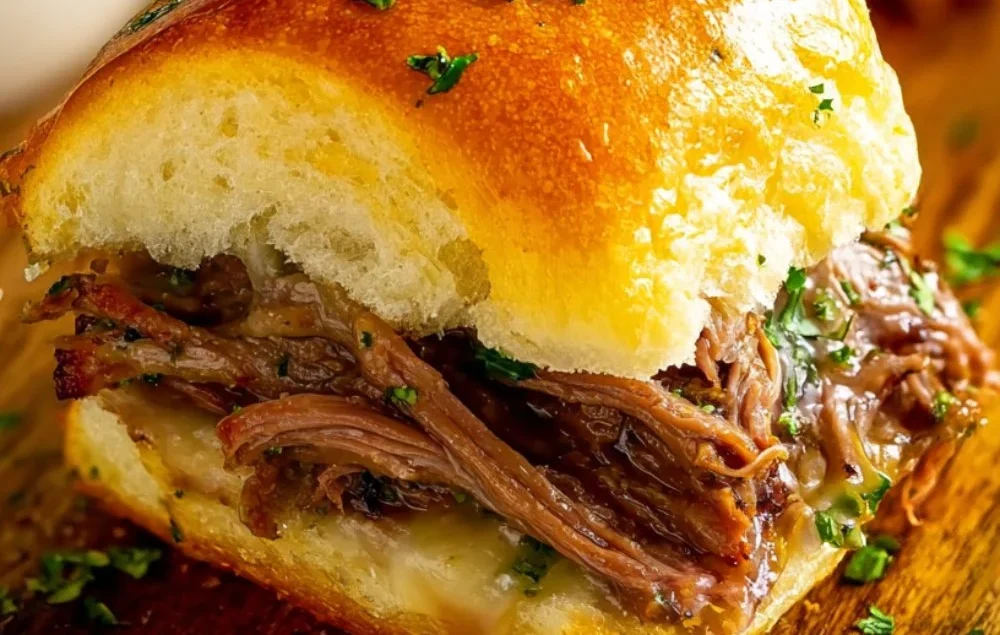
French Dip Sliders
Introduction
As a globetrotter, my passion for cuisines goes beyond mere satisfaction of hunger; it is an exploration of cultures, a quest for understanding human experiences, and a journey that transcends borders. Each dish carries tales of its genesis, tales whispered through smoky kitchens and vibrant marketplaces. One dish that has carved an unforgettable place in my gastronomic memory is the French Dip Slider. This exceptional creation, an embodiment of comfort and conviviality, beckons with its alluring aroma, melding the savory essence of slow-roasted beef with the decadence of melted provolone, all cradled within the softness of buttery rolls. It evokes nostalgia and warmth, reminiscent of gatherings where laughter is punctuated by the clinking of glasses and the murmur of affectionate exchanges.
In this article, we will sidestep the mundane and embark on a rich narrative through the origins of French Dip Sliders and their evolution through regional influences. We will infuse each step of their creation with sensory notes as we unravel the tapestry of history, tradition, and the communal spirit they embody.
The origin story & regional influence behind this dish
The French Dip sandwich’s origins remain cloaked in a veil of delicious ambiguity, as is often the case with culinary delights steeped in tradition. Some tales suggest that this iconic sandwich was born in Los Angeles during the early 20th century—one local legend credits its inception to a chef who inadvertently dropped a roll into a pan of beef drippings, resulting in a culinary stroke of genius that would ricochet through the annals of American cuisine. Over time, the French Dip evolved into a popular dish, but its interpretation has taken on various forms across different regions.
The French Dip Slider draws not just from this legendary sandwich but also from the broader landscape of slider culture found in many parts of the world. The concept of a “slider,” that miniaturized version of a sandwich, has deep roots that blossom throughout the Americas, particularly within the traditional gatherings of families. While embracing a melange of influences—from the hearty sandwiches of the Midwest to the sweet allure of Hawaiian rolls—the French Dip Slider remains a testimony to comfort food that transcends culinary boundaries, weaving together the cherished moments of our lives through shared meals.
How to make French Dip Sliders
To recreate this remarkable dish, we embark on a culinary journey using these components:
Ingredients:
- Deli roast beef
- Caramelized onions
- Provolone cheese
- King’s Hawaiian rolls
- Au jus (for dipping)
- Butter (for brushing)
As you gather these ingredients, imagine each element, every texture and aroma bringing forth memories. The sweet, pillowy embrace of King’s Hawaiian rolls, for instance, hints at delightful childhood treats enjoyed during festive family gatherings. The savory smell of caramelized onions sizzling gently on the stove beckons stories of home-cooked meals, their aroma twining through the air like an invisible invitation to indulge.
Directions:
- Preheat your oven to 350°F (175°C).
- Slice the King’s Hawaiian rolls in half horizontally and place the bottom half in a baking dish.
- Layer the deli roast beef evenly over the bottom half of the rolls.
- Top the roast beef with caramelized onions and melted provolone cheese.
- Place the top halves of the rolls over the fillings.
- In a small bowl, melt butter and brush it over the tops of the sliders.
- Cover the baking dish with foil and bake in the preheated oven for about 15 minutes.
- Remove the foil and bake for an additional 10 minutes, or until the tops are golden brown.
- Serve warm with au jus for dipping.
Ingredients through a cultural & historical lens
Analyzing the ingredients of French Dip Sliders reveals a glimpse into the regional influences and cultural significance behind each component. Deli roast beef invokes the grand tradition of meat preservation and preparation that has been honored in various forms around the globe, from European charcuterie to the quintessential American deli sandwich.
Caramelized onions—simple yet profound—are a culinary alchemy representing patience and time. Slowly cooked until they become luxuriously sweet, they evoke memories of shared dinners and familial bonds sewn together through the act of cooking. Their evolution within this dish serves as a testament to the beauty of humble ingredients transformed into comforting narratives.
Provolone cheese enriches the experience, its smooth, melt-in-your-mouth quality embodying hearth and home. As the cheese oozes, it softens the savory notes of the roast beef, each layer telling a story of balance and harmony—an ode to culinary practice across cultures.
The King’s Hawaiian rolls—golden, soft, and sweet—pay homage to the islands while intertwining with American tastes that embrace both novelty and tradition. Their gentle sweetness symbolizes the warmth found in shared meals, able to draw family and friends together around a table.
Finally, au jus, a dish’s lifeblood, allows for a harmonious merging of flavor and sentiment. A pot of dipping sauce means more than just flavor—it’s a communal experience, a shared moment that invites storytelling and laughter over a meal.
Cooking the dish: sensory notes & traditional techniques
As you step into the process of making French Dip Sliders, the atmosphere becomes enveloped in a symphony of fragrances and textures. Imagine the sound of delicate slicing as the rolls are cut open, the soft insides already whispering secrets of warmth. The rustic snaps of freshly caramelized onions introduce rich sweetness, enticing your senses and evoking memories of bustling kitchens alive with energy and laughter.
Each layer added to the sliders brings forth vibrant imagery; the deli roast beef, radiant with juices, elicits the fragrant smokiness reminiscent of summer barbecues. The melted provolone cascades like a silky waterfall over the beef, giving it not just flavor but a visual allure that cannot be ignored.
In this dish, traditional cooking techniques play a significant role. The careful caramelization of onions calls for patience, a gentle reminder that the best flavors develop over time. It is this dedication to simplicity that allows the dish to shine, showcasing how profound tastes can arise from the most basic of ingredients—an acknowledgment of the age-old culinary adage that great food does not need to be complicated.
How different regions prepare their version
As the French Dip Slider travels across the landscape of America, its interpretations mirror the local tastes and traditions of diverse regions. In Los Angeles, where it first gained fame, the sandwich is often served alongside rich dipping sauces reflecting the city’s commitment to fusion cuisine. Mexican influences may introduce spices or jalapeños, creating a vibrant marriage of flavors, showcasing how cultural intersections fuel culinary creativity.
On the East Coast, variations often lean toward thicker cuts of beef, highlighting a more hearty sensibility reflective of the region’s preference for robust flavors. The addition of provolone cheese speaks to the Italian immigrant influence, as these communities adapted available ingredients into their own interpretations of classic dishes.
Moving south, in the coastal regions, chefs might play with the richness of the ingredients by introducing herbs and seasonings that represent the local bounty. Incorporating elements like roasted garlic or a creamy ranch dip speaks to the southern culinary heart that celebrates bold flavors and shared experiences.
Traditional ways this dish is shared or served
The essence of French Dip Sliders goes beyond individual plates; it resonates with communal sharing, bringing people together in celebration. Traditionally assembled for family gatherings or friends’ game nights, these sliders exude a sense of togetherness.
Wherever they may be served—be it a cozy living room, a backyard barbecue, or a festive holiday table—each gathering centers around stories unfolding with every bite. The sliders evoke images of animated conversations, while the au jus invites collective dipping—a tactile experience that binds friends and family further through playfulness and shared emotional connection.
In restaurants, the dish is frequently accompanied by a side of crisp pickles or hand-cut fries, providing a delightful crunch that complements the tender, juicy sliders. Each plate embodied whispers of familiarity and love—a celebration of life’s simple pleasures.
Storing the dish without losing its cultural essence
Preserving the story of French Dip Sliders doesn’t stop once the last bite is savored. If you find yourself with leftovers, the key to maintaining their essence lies in proper storage. Cool them to room temperature before sealing them in an airtight container—this act of care ensures that aromas and flavors remain intact.
The beauty of this dish even extends to being frozen; however, a slight tweak to the reheating process ensures the sliders retain their cultural heart. Slow reheating in the oven, rather than the microwave, revives that golden crunch while allowing the steam to awaken the comforting warmth like a pleasant hug from an old friend.
On a nostalgia-laden rainy day, taking a moment to reheat these sliders can rekindle memories of laughter and shared meals, affirming that even in their storage, they possess the ability to evoke emotion and connection.
Cultural questions people often ask
As I share the delectable journey of French Dip Sliders with others, I am often met with curious inquiries. Some ask, “What makes this dish ‘French’ when its roots lie in American cuisine?” My response weaves the threads of history, illustrating how culinary nomenclature often transcends geography, capturing the essence of shared flavors and global influences.
Others ponder the dip itself, asking whether other sauces could ever replace the classic au jus. This sparks a delightful dialogue about cultural context and taste preferences; while traditionalists might argue for the authenticity of rich beef broth, modern takes often include inventive dips that reflect personal twists on family recipes.
One particular query frequently arises from food enthusiasts: “Are sliders just a trend?” This question resonates as we consider the spirit behind sliders—not merely as trendy bites, but as vessels for compelling culinary stories. These miniature wonders encapsulate memories, journeys, and the essence of feasting with others, reminding us that food is not just about sustenance but celebrating moments shared with loved ones.
A closing note on food, memory & travel
As our exploration of the French Dip Slider draws to a close, it becomes evident that food forms the core of our human experience, interspersing memory, culture, and adventure. Each bite of this joyous dish is interwoven with stories of warmth and unity, resonating with the essence of our connections to one another.
As I recount meals shared under the twinkling lights of a bustling restaurant or the quiet comfort of home, the aromas and textures linger long after the plates are empty. Such is the power of food—not solely as sustenance but as an expression of love, tradition, and the unforgettable footprints we leave as we traverse the rich tapestry of our culinary world.
Whether you’re savoring these sliders alone or sharing them with friends at a warm, inviting table, may the experience remind you of the beauty found in food, the stories hidden within each bite, and the lasting memories crafted throughout your travels. Bon appétit!