Easter Cathedral Candy
Introduction
As a nutrition specialist, I approach seasonal treats like Easter Cathedral Candy with both appreciation for their cultural role and an eye toward how they fit into a balanced eating pattern. This recipe is a traditional sweet treat—simple, nostalgic, and designed for sharing. It’s also an opportunity to practice mindful portioning, pair sweets with wholesome foods, and consider small swaps that support digestion and overall nutrient balance over time. If you enjoy exploring springtime favorites, you might also find inspiration in a family-style recipe such as Easter cake mix cookie bars, which offer another way to celebrate with variety while keeping portion awareness in mind.
In the sections that follow I’ll give a clear, practical breakdown of what this candy contains, how it fits into everyday eating, and safe preparation and storage tips. The goal is not to label foods as “good” or “bad,” but to offer evidence-based, usable guidance so this treat can sit comfortably within long-term wellness habits.
How this recipe supports overall wellness
Easter Cathedral Candy is primarily a confection: high in simple carbohydrates and fats from sweet ingredients like chocolate, marshmallows, and coconut. On its own it’s not a nutrient-dense meal replacement, but it can support overall wellness when integrated thoughtfully into a balanced eating pattern. Small, occasional treats help many people meet nutrition goals sustainably by preventing feelings of deprivation and helping maintain consistency with healthier choices the rest of the day.
From a digestion perspective, this candy is easy to chew and digest for most people, thanks to the soft marshmallows and melted chocolate matrix. Coconut adds a bit of fiber and medium-chain triglycerides (MCTs), which some people find are easier to digest than longer-chain fats. Pairing this candy with a source of protein or fiber, or enjoying it in the context of a balanced snack or meal, slows sugar absorption and moderates blood sugar response—an evidence-based approach to reducing sharp glucose spikes after sweets. For recipes that combine celebration and balance, you might also explore savory or protein-forward snack ideas like Easter dip to create more balanced party spreads.
How to make Easter Cathedral Candy
Below are the ingredients and directions exactly as provided for this classic confection. I will follow with practical notes on preparation, portioning, and health-focused adaptations.
Ingredients :
chocolate chips, mini marshmallows, shredded coconut
Directions :
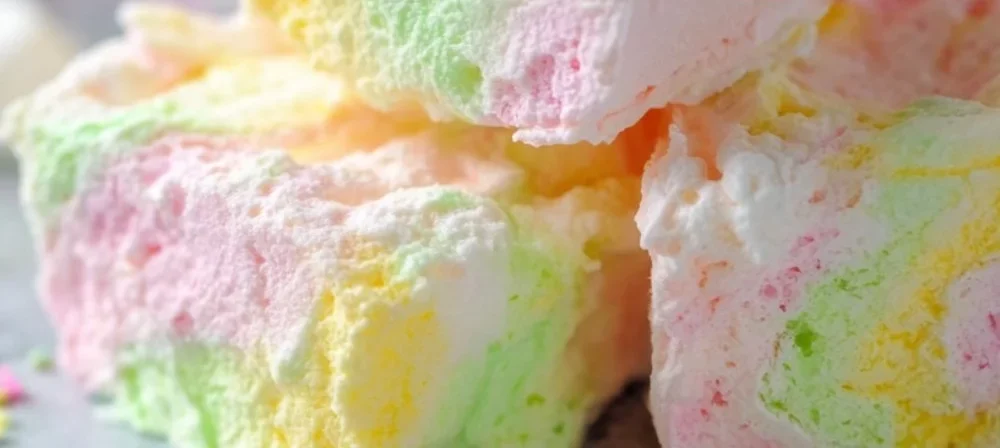
- Melt the chocolate chips in a microwave-safe bowl., 2. Stir in mini marshmallows and shredded coconut until well coated., 3. Spread the mixture onto a parchment-lined tray and form into a flat rectangle., 4. Allow to cool and set, then cut into pieces to serve.
Follow the steps as written when making the candy. Simple recipes like this are forgiving and quick, which is helpful when cooking with children or preparing a small seasonal treat.
Nutrient roles of each main ingredient
- Chocolate chips: Most commercial chocolate chips are a combination of sugar, cocoa solids, and fats. Cocoa provides small amounts of minerals such as magnesium and iron, and dark chocolate varieties can supply polyphenols—plant compounds associated with antioxidant activity. However, chips also add concentrated sugars and saturated fats, so portion control matters.
- Mini marshmallows: Marshmallows are primarily made from sugar and gelatin. Gelatin contains amino acids and may support a sense of satiety in small amounts, but marshmallows are mainly a source of simple carbohydrates with minimal vitamins or minerals. They contribute quick energy and the soft texture that defines this candy.
- Shredded coconut: Coconut contributes both flavor and texture. It supplies fiber, small amounts of minerals such as manganese, and fats that are higher in medium-chain fatty acids (MCTs) relative to longer-chain fats. The fiber in coconut can modestly slow digestion and help reduce the speed of sugar absorption when eaten with carbohydrate-rich ingredients.
Understanding these roles helps you see how the combination provides mouthfeel and satisfaction: fat and sweetness for flavor, with a bit of fiber for modest digestive benefit.
The preparation method & its health impact
Melting chocolate and coating mix-ins is a low-heat, low-ingredient preparation method that preserves the characteristics of each ingredient while avoiding added processed oils or complex emulsifiers often found in commercial confections. From a health standpoint:
- Low heat: Melting chocolate gently (in short microwave bursts or a double boiler) preserves antioxidant compounds and prevents burning that could create bitter off-flavors. Avoiding high-heat frying or baking keeps the process simple and limits formation of undesirable compounds.
- Minimal processing: The recipe’s short ingredient list means fewer additives, which can be a positive for some people who prefer whole-food approaches. However, commercial chocolate chips and marshmallows are still processed products—reading labels will help you choose options with lower added sugar or more recognizable ingredients if you prefer.
- Texture and portioning: Spreading the mixture and cutting into pieces lets you control portion size. Thinner pieces mean fewer calories per serving and allow guests to have a square without overdoing added sugars.
Overall, this method supports moderation and simple preparation, both of which align with long-term dietary adherence.
Ways to lighten, enrich or modify the dish nutritionally
If you want to keep the familiar flavor and texture while nudging the recipe toward greater nutrient density, consider these evidence-based options. Note: do not change the classic recipe when preparing it for tradition, but use these ideas when you’re intentionally aiming for a lighter or more nutrient-rich variation.
- Choose higher-cocoa chocolate chips: Use dark chocolate chips (70% cocoa or higher) to increase polyphenols and reduce added sugar per bite. Dark chocolate still contains fat, but the flavor intensity often encourages smaller portions.
- Add nuts or seeds sparingly: A small amount of chopped almonds, pistachios, or pumpkin seeds mixed into the melted chocolate provides protein, fiber, and minerals. This slows digestion and increases satiety. Even a tablespoon per batch can shift the snack toward a more balanced profile.
- Use unsweetened shredded coconut: If you can find unsweetened coconut, the recipe will have less added sugar and more natural fat and fiber. Toasting the coconut lightly can deepen flavor with no added sugar.
- Portion control: Form a thinner rectangle and cut smaller pieces. Visual portioning strategies—like cutting into smaller uniform squares—help with mindful eating and caloric density control.
- Add dried fruit in small amounts: A few chopped dried apricots or cherries can add chewiness and micronutrients, but keep amounts small to avoid greatly increasing sugar content.
- Serve with protein or fiber: Pairing this candy with a small handful of raw nuts or a Greek yogurt dip helps balance blood sugar response and supports longer-lasting fullness.
For other festive recipes that emphasize portion control while keeping the fun, consider recipes for bite-sized treats such as Easter egg Oreo cookie balls as inspiration for serving size and presentation.
Pairing ideas for a balanced, complete meal
Easter Cathedral Candy is a treat best enjoyed within a meal or snack that provides protein, fiber, and vegetables to maintain overall nutrient balance for the day. Pairing ideas that help balance digestion and blood sugar include:
- After a protein-rich snack: Serve one small square after a portion of cottage cheese, ricotta on whole-grain crackers, or a boiled egg. The protein helps blunt rapid glucose rises while still allowing some sweet enjoyment.
- With fresh fruit and nuts: Arrange a small plate with fresh berries (fiber and antioxidants), a few raw almonds (protein and healthy fats), and one piece of the candy for a satisfying dessert-style snack.
- As part of a celebratory spread: Combine this candy with vegetable-forward appetizers (crudités with hummus), lean proteins (roast chicken slices), and whole-grain breads. This improves overall nutrient variety and prevents the candy from becoming the primary energy source in a meal.
If you’re creating a buffet or family table, try offering small plates and tasting portions—this can be especially helpful with children and guests by modeling balanced choices and preventing overeating. For playful complementary treats that keep serving sizes in mind, you might also include light cereal-based bites like Easter egg Rice Krispies treats alongside vegetables and lean proteins.
Safe storage, food safety & optimal reheating
Homemade confections like Easter Cathedral Candy are easy to store safely when handled correctly:
- Cooling and setting: Allow the mixture to cool completely at room temperature until set before covering. This prevents condensation and sogginess.
- Short-term storage: Store in an airtight container at room temperature for up to 3–4 days in a cool, dry place away from direct sunlight. If your home is warm, refrigeration can help preserve texture but may make the chocolate firmer.
- Refrigerator storage: If refrigerated, place a sheet of parchment between layers to prevent sticking. Consume within 1–2 weeks for best quality. Note that refrigeration can slightly change mouthfeel, but it is safe and can prolong freshness.
- Freezing: For longer storage, wrap individual pieces in parchment or wax paper and place in an airtight container or freezer bag. Frozen pieces keep well for up to 2–3 months. Thaw in the refrigerator or at room temperature briefly before serving to avoid sweating.
- Food safety: Use clean utensils and surfaces; melted chocolate can cool quickly and trap moisture, which increases the risk of texture changes. Marshmallows are shelf-stable but should not be exposed to moisture during preparation. Avoid cross-contamination with raw foods; this is a ready-to-eat confection.
Reheating: If you’d like to gently re-melt a portion for serving, use short microwave bursts (5–10 seconds) and stir in between to avoid overheating. Overheating can cause separation of cocoa butter and dryness.
Common nutrition questions about this dish
- Is this candy “bad” for me? No single food defines your health. This candy is an occasional treat. The important question is how it fits into your overall pattern of eating over days and weeks. When included in moderation and alongside nutrient-rich foods, it can be part of a sustainable diet.
- How much is an appropriate portion? A small piece—about one to two bites—can satisfy cravings while limiting calories and sugar. Cutting the tray into smaller squares and placing them on a plate helps with mindful eating.
- Is there a way to make it less sugary? Choosing dark chocolate chips and unsweetened coconut reduces added sugar. Limiting added dried fruit and serving smaller portions also lowers sugar per serving.
- Will the fats in the chocolate and coconut raise cholesterol? Dietary patterns matter more than single foods. Using dark chocolate and balancing with fruits, vegetables, and whole grains supports healthy lipid profiles. If you have specific lipid or cardiovascular concerns, discuss individualized guidance with your healthcare provider.
- Is this recipe suitable for children? Yes, in small portions and under supervision, especially because the soft texture reduces choking risk. Be mindful of added sugars and aim to balance sweets with nutritious meals and snacks during the day.
Final wellness notes
When you make Easter Cathedral Candy, focus on the social and sensory aspects—sharing, the aroma of chocolate, and the nostalgic textures. These pleasures have value for psychological well-being and can support a sustainable relationship with food. Use portioning, pairing with protein and fiber, and small ingredient choices to align the treat with longer-term nutrition goals. Celebrate mindfully, enjoy the ritual, and remember that consistent, balanced daily habits are what support health over time.
Conclusion
For a straightforward classic version of this treat, see the original recipe guidelines at Easter Cathedral Candy Recipe, and if you want colorful variations that keep the tradition lively, review a family-friendly take at Colorful Cathedral Candy – Family Favorite Holiday Recipes. For a vintage perspective and ideas about presentation, explore the historic approach at Church Window Candy – Vintage Dish & Tell. If you’re interested in a white chocolate alternative and different textural contrasts, this easy bark version provides inspiration: Easy White Chocolate Easter Candy Bark – Grits and Gouda.
Easter Cathedral Candy
Ingredients
Method
- Melt the chocolate chips in a microwave-safe bowl.
- Stir in mini marshmallows and shredded coconut until well coated.
- Spread the mixture onto a parchment-lined tray and form into a flat rectangle.
- Allow to cool and set, then cut into pieces to serve.