High-Protein Creamy Philly Cheesesteak Mac & Cheese Bliss
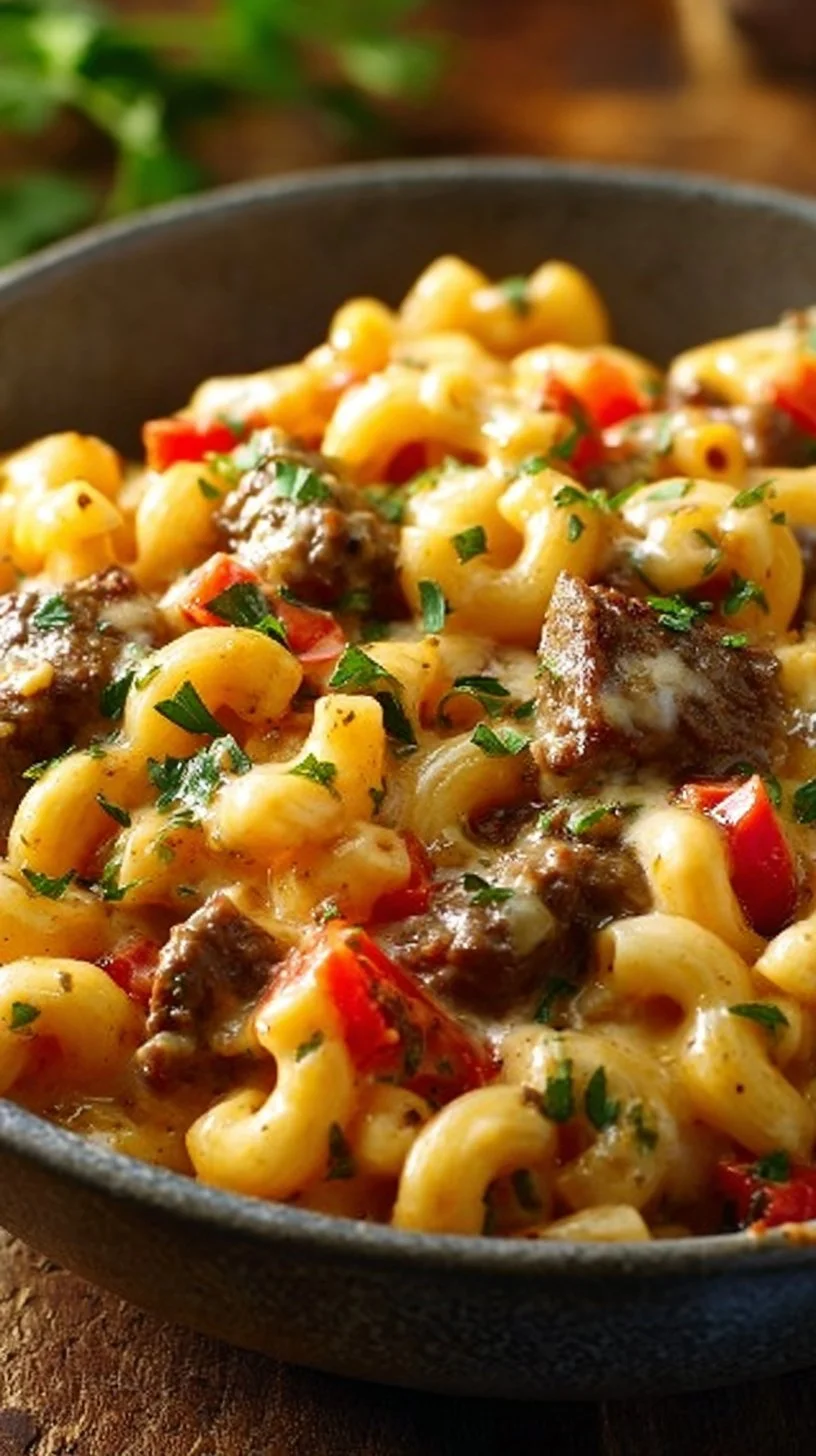
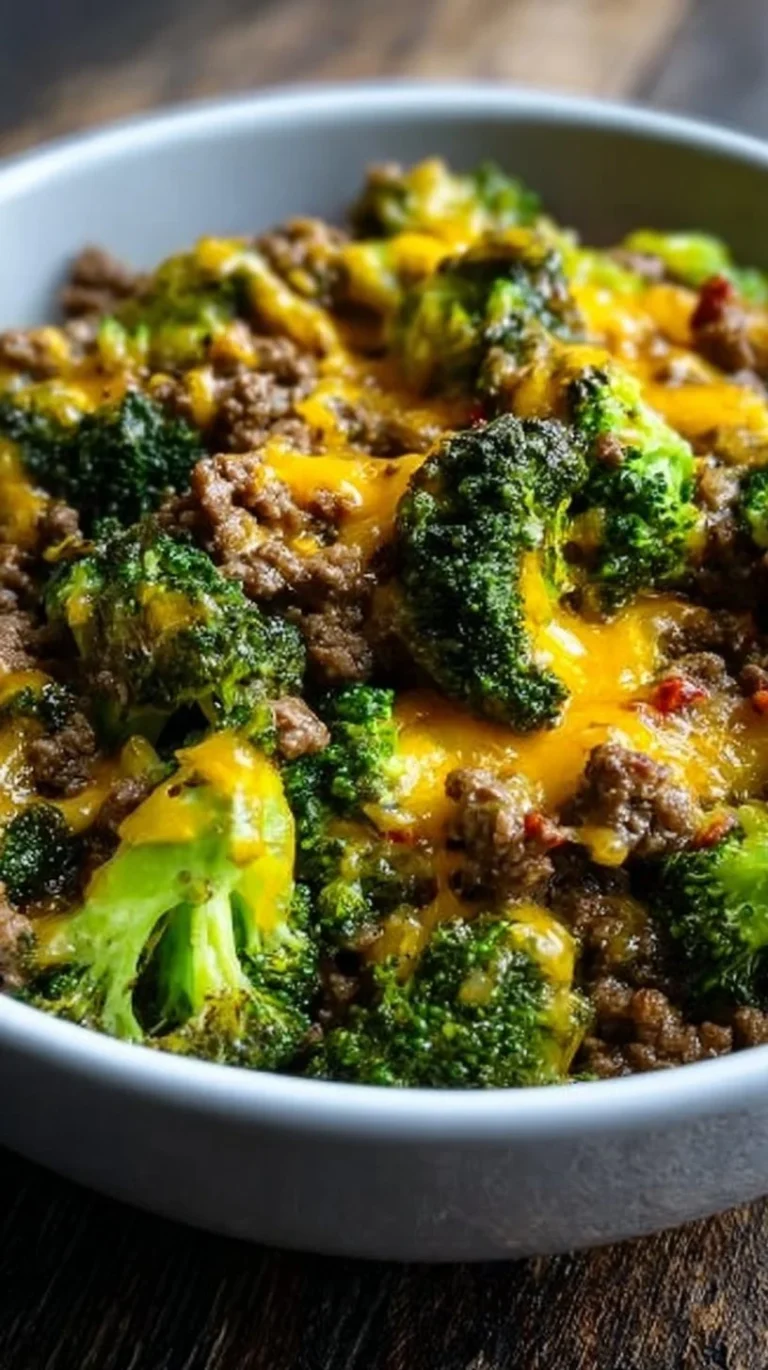
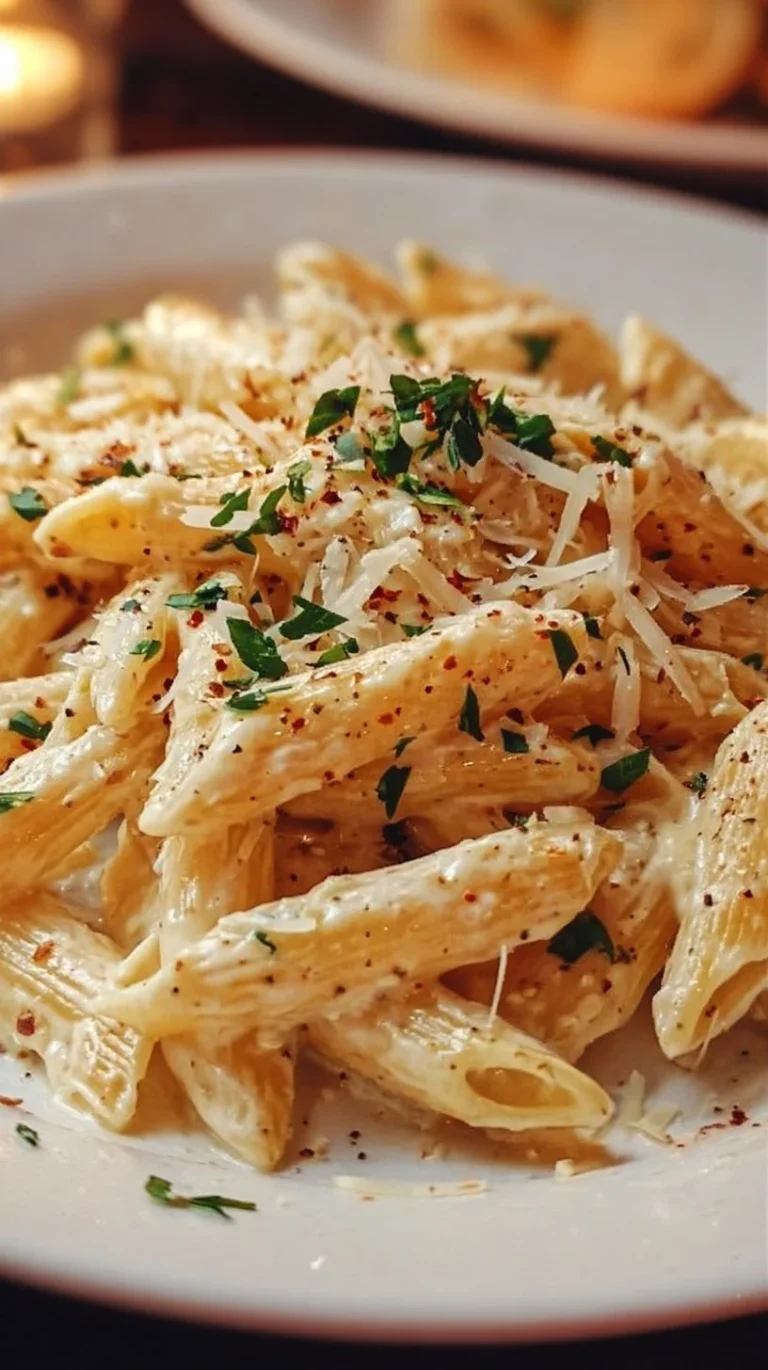
If you love the comfort of mac and cheese but want something heartier, higher in protein, and still irresistibly creamy, this High-Protein Creamy Philly Cheesesteak Mac & Cheese Bliss is for you. I created this recipe to be a gentle step up from basic weeknight cooking: familiar ingredients, simple techniques, and a big payoff in flavor and satisfaction. Whether you’re feeding a family, meal-prepping for the week, or just want a cozy dinner that feels special, this recipe is approachable and forgiving.
If you enjoy mashups that pair classic comfort foods in one skillet, you might like my take on a mac and cheese meatloaf casserole, which follows the same friendly spirit of combining familiar textures into something new. I’ll walk you through each stage so you know what to look for and why each step matters. You don’t need advanced tools or skills—just a little patience and a willingness to taste as you go.
Why this recipe is easy to get right
This dish is forgiving in several ways. The base — cooked macaroni — is stable and easy to judge visually: you can test a piece for doneness and stop when it’s just tender. The sauce that makes it “creamy Philly” is built from cheeses and cream cheese, which melt and bind smoothly, reducing the risk of a broken sauce. Because the recipe uses shredded and sliced melting cheeses together, the texture comes together even if one part melts a touch faster than another.
There’s flexibility where it’s helpful: you can substitute lean ground turkey for beef without needing to change technique, and whole wheat or chickpea pasta works if you prefer. Timing isn’t razor-thin; if the pasta rests a few minutes while you finish the beef and veggies, it will still be fine — the sauce will rewarm and coat the noodles. This makes it a dependable choice for cooks who like to move at their own pace.
If you’d like more hearty mac-and-cheese ideas, my BBQ chicken mac and cheese has a similar relaxed method and flavor-focus, and it shows how these techniques translate to other comforting dishes.
How to make High-Protein Creamy Philly Cheesesteak Mac & Cheese Bliss
At a glance, this recipe happens in three main stages: cook the pasta, cook the beef and vegetables, and finish by melting the cheeses into a glossy sauce and combining everything.
First: boil the macaroni until al dente. Focus on texture here — a bite should be tender with a little chew, not mushy. Taste a piece around the minimum package time to check. While the pasta cooks, you’ll have time to prepare the aromatics and peppers.
Next: sauté your onion, garlic, and bell peppers until they’re softened and fragrant, then brown the ground beef. You want the onions to be translucent and the peppers to lose their raw edge but still hold a little shape. Browning the meat builds flavor; don’t rush this step, but you don’t need to achieve a deep crust — just a good golden color and no pink.
Last: add your spices, cream cheese, shredded mozzarella, and cheese slices to the hot skillet with the beef and vegetables. The cheeses melt into a creamy sauce that clings to the pasta. If the sauce seems thick at first, a splash of reserved pasta water or a minute of gentle heat will loosen it and help everything come together.
Beginners should slow down during the browning and the cheese-melting steps. Browning takes a little time and attention to prevent steaming the meat, and gentle heat during melting keeps the sauce smooth. I’ll point out visual cues as we go so you know what success looks like.
Ingredients
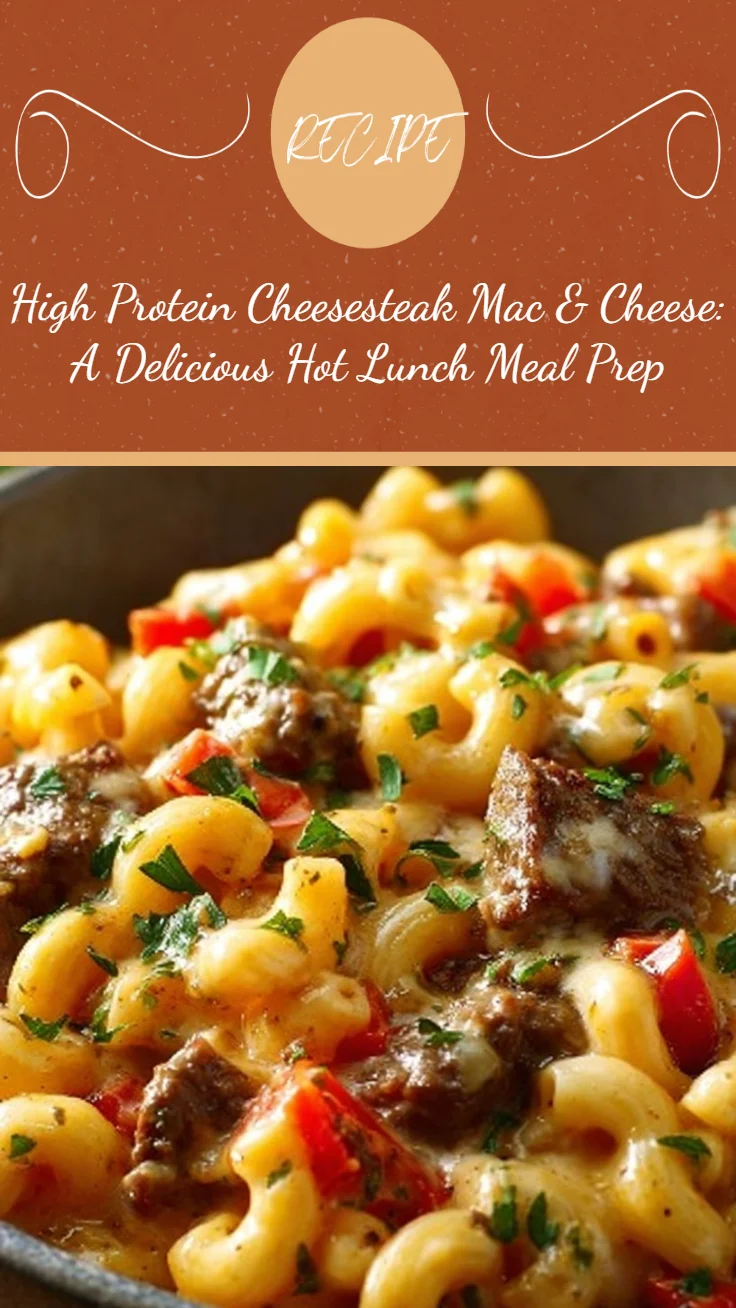
8 oz Dry Macaroni (Whole wheat or chickpea pasta can be used), 1 lb Lean Ground Beef (Can be swapped with ground turkey or chickpeas), 1 cup Chopped White Onion (Yellow onion works well as a substitute), 2 cloves Minced Garlic (Use freshly minced for maximum flavor), 2 cups Bell Peppers (Red, Green & Yellow) (Use any mix based on preference), 2 tablespoons Butter (Olive oil can be used as a healthier alternative), 8 oz Light Cream Cheese (Regular cream cheese can be used for a richer sauce), 1 cup Shredded Mozzarella (Any favorite melting cheese can substitute), 4 slices Light Cheese Slices (Any good melting cheese slice will do), 1 teaspoon Salt, 1 teaspoon Pepper, 1 teaspoon Paprika, 1/2 teaspoon Chili Flakes (Adjust to taste), 1/4 cup Fresh Parsley (Optional for garnish)
Each ingredient plays a clear role and none are intimidating. The macaroni is the vehicle — it soaks up and shows off the sauce. Lean ground beef provides the high-protein base and savory notes; if you choose turkey or chickpeas, you’re still keeping the protein focus. Onion and garlic build aromatic depth; bell peppers add color, mild sweetness, and texture. Butter helps sauté and adds flavor, while cream cheese is the secret to a silky, stable sauce that blends predictably with the shredded and sliced cheeses. Salt, pepper, paprika, and chili flakes provide rhythm to the overall flavor — they’re easy to adjust to your taste. Parsley is a bright finishing touch, but entirely optional.
None of these items require special handling: chop the vegetables to similar sizes so they cook evenly, and have your cheeses ready to add so the sauce comes together quickly once the heat is on.
Directions
Step-by-Step Instructions
Below I walk through the practical sequence of the recipe and add supportive guidance at each step. I am not changing any ingredients or measurements — just describing what to expect and how to judge each moment.
Cook the macaroni: Bring a pot of salted water to a boil and add the pasta. Stir occasionally so it doesn’t clump. You’re aiming for al dente — tender but with a little bite. Taste a noodle near the lower end of the time range on the package; if it offers a slight resistance, it’s ready. Drain and set aside, reserving a small cup of the pasta water in case you need to loosen the sauce later.
Visual cue: the pasta will look plump and slightly opaque in the center when done. If it looks broken or very soft, it’s overcooked; resist the urge to rinse — you want the sauce to cling to the hot pasta.
Sauté aromatics and peppers: In a large skillet, melt the butter over medium heat. Add the chopped onion and sauté until it becomes translucent and slightly soft. Add the minced garlic and cook for about 30 seconds until fragrant — garlic cooks fast, so watch it closely. Add the bell peppers and cook until they’re softened but still have a bit of body.
Texture and timing hint: the onion should change from white to a softer, translucent look and the peppers will lose their raw sheen. If the pan starts to smoke, reduce the heat — we want gentle browning, not burning.
Brown the ground beef: Push the vegetables to the side or remove them briefly, then add the lean ground beef to the skillet. Break it into small pieces and let it brown undisturbed for a minute or two so it develops color. Stir and continue cooking until no pink remains. If there’s excess fat, drain a little — you want flavor but not oil pooling in the skillet.
Reassurance: some little flecks of browned meat (fond) will stick to the pan — that brown flavor is desirable and will boost the sauce. If the beef is still a little pink in places, give it another minute; safety and texture matter.
Season and combine: Sprinkle in the salt, pepper, paprika, and chili flakes. Stir to coat the meat and veggies. Next, add the cream cheese, shredded mozzarella, and the light cheese slices. Keep the heat on low to medium-low and stir gently as the cheeses melt and form a creamy sauce.
Visual cue: cream cheese will first look thick and clumpy but will melt into a smooth, glossy cream when gently warmed and stirred. If it feels too thick, stir in a tablespoon or two of reserved pasta water until you reach a creamy consistency.
Bring it all together: Add the drained macaroni to the skillet and stir so every noodle is coated in the cheesy, savory mixture. Taste and adjust seasoning if needed. Finish with chopped parsley for a fresh note.
Texture hint: the finished dish should be saucy enough to coat noodles without being soupy. Imperfections — a few clumps from cream cheese or slightly uneven cheese melt — are normal and won’t harm the dish; a brief stir and a splash of warm pasta water usually smooth things out.
If something doesn’t look perfect at first — maybe the sauce seems too thick or the pasta cooled — gentle, patient warming and a small splash of liquid will almost always recover the texture without changing flavor.
Key techniques you’ll practice in this recipe
This recipe is a gentle workshop for a few core kitchen skills that pay off across many meals.
- Cooking pasta to al dente: You’ll learn to judge pasta by taste rather than time alone. That small test bite is the best indicator of doneness.
- Sautéing aromatics without burning: You’ll practice using medium heat and watching color changes — translucent onions and softened peppers are the goal.
- Browning ground meat: Letting meat sit briefly in the pan creates flavor through browning. You’ll notice how greater surface contact equals more depth of flavor.
- Melting and finishing a cheese sauce: Combining different cheeses and controlling heat while stirring produces a stable, creamy sauce. You’ll gain a sense of when low heat and patience win over high heat and rushed melting.
These techniques are transferable: the pasta and sauce skills will help in any creamy pasta recipe; sautéing and browning are foundational for soups, stir-fries, and weeknight proteins.
If you want a sweet baking contrast later, try techniques from my Biscoff cheese cupcake — it highlights a gentle approach to melting and folding, similar in mindset.
Common mistakes and how to avoid them
- Overcooking the pasta: This turns it mushy and less pleasant. Avoid this by tasting a noodle a minute or two before the package time and using that as your guide.
- Burning garlic or onions: Garlic especially goes from fragrant to bitter in seconds. Keep the heat moderate and add garlic after the onions have softened.
- Rushing the browning step: If you stir constantly, the meat steams instead of browns. Give it a minute without moving so it can form a light crust, then stir.
- A grainy or separated sauce: This happens when cheese is melted over very high heat or mixed with cold ingredients. Use low heat and let cheeses melt gradually; if needed, add reserved pasta water a tablespoon at a time to smooth the sauce.
How to recover: if the sauce is too thick, warm the skillet and stir in a little pasta water or milk until it loosens. If something tastes flat, a pinch more salt or a squeeze of lemon (not part of the recipe, but useful in a pinch) balances flavors.
How to adjust confidently without changing the recipe
You can scale this dish up or down conceptually without altering the listed ingredients. For larger portions, double all items and use a larger pot and skillet; the sequence stays the same. For smaller portions, halve and watch your pan size — too large a surface can dry ingredients; consider cooking in batches.
For flavor preferences, think in ranges rather than exact swaps: if you like more heat, increase chili flakes slightly; for milder, reduce them. For texture, if you prefer a looser sauce, reserve more pasta water and add as needed.
I won’t change the recipe or quantities here, but understanding these concepts lets you adapt with confidence: keep proportions balanced, taste as you go, and use temperature and small additions of liquid to fine-tune texture.
Serving, storage, and reheating made simple
Serve this mac and cheese hot, straight from the skillet, with a sprinkle of fresh parsley for brightness. It pairs well with a crisp green salad or simple steamed veggies to cut the richness.
To store: cool the dish to room temperature within two hours and transfer to an airtight container. Refrigerate for up to 3–4 days. For longer storage, freeze in a freezer-safe container for up to 2 months. Label with the date and portion size for easy reheating.
To reheat from the fridge: warm gently in a skillet over low heat, stirring and adding a splash of water or milk to restore creaminess. In the microwave, reheat in short bursts (30–45 seconds), stirring in between and adding liquid if needed. From frozen, thaw overnight in the fridge before reheating for best texture, or reheat gently in a covered oven-safe dish at 325°F until warmed through.
Small texture changes are normal after refrigeration — reheating slowly and adding a touch of liquid will bring the dish back to life.
Questions new cooks often ask about this recipe
Q: How do I know when the pasta is done?
A: Taste a noodle — it should be tender with a slight chew, not floppy. That’s al dente.
Q: Can I make this ahead?
A: Yes. Prepare the recipe, cool, and refrigerate. Reheat gently as described above. The sauce will tighten when cold but loosens with gentle warming.
Q: What if my sauce looks lumpy?
A: Keep the heat low and stir. Add a tablespoon of reserved pasta water to smooth it. Lumps often come from too-high heat or adding cheese to a cold pan.
Q: Do I need a special pan?
A: No. A wide skillet or sauté pan works best so you can brown meat and melt cheese in the same vessel, but a saucepan and mixing bowl will work if you prefer to combine later.
Q: Is it normal if the cheese separates a bit?
A: Mild separation can happen with rapid temperature changes. Recover it with gentle heat and a splash of liquid while stirring.
Remember: small imperfections are part of cooking. You’re learning a rhythm, not chasing perfection.
Final encouragement from Carla
Cooking is a series of small, steady wins. This High-Protein Creamy Philly Cheesesteak Mac & Cheese Bliss is designed to teach a few reliable techniques while delivering comfort and protein in one pan. If a step feels tricky, slow down and look for the visual cues — translucent onions, golden-browned meat, a glossy melting sauce. Taste as you go and make tiny adjustments; that’s how confidence builds.
Keep this recipe as a dependable friend in your meal rotation. Each time you make it, you’ll notice little improvements — a better browning, a silkier sauce, a faster timing — and that’s progress. Be gentle with yourself and enjoy the process. You’re doing great.
Conclusion
If you want to explore a related baked boxed mac technique, there’s a helpful guide that walks through how to make baked boxed mac and cheese that translates some of the same ideas about texture and finishing: baked boxed mac and cheese guide. For more ideas and inspiration for pasta-based meals and variations on comforting noodle dishes, this collection of Pasta & Noodles resources is a great place to browse: Pasta & Noodles resources.
High-Protein Creamy Philly Cheesesteak Mac & Cheese Bliss
Ingredients
Method
- Bring a pot of salted water to a boil and add the pasta. Stir occasionally to prevent clumping. Cook until al dente.
- In a large skillet, melt butter over medium heat. Add chopped onion and sauté until translucent.
- Add minced garlic and cook for about 30 seconds until fragrant.
- Add bell peppers and cook until softened but still have some shape.
- Push the vegetables aside or remove them briefly, then add ground beef to the skillet. Cook until browned.
- Stir until no pink remains.
- Sprinkle in the salt, pepper, paprika, and chili flakes. Stir to coat.
- Add the cream cheese, shredded mozzarella, and cheese slices. Stir gently until melted into a creamy sauce.
- Add the drained macaroni to the skillet and stir so every noodle is coated. Adjust seasoning if needed.
- Finish with chopped parsley.