Cinnamon Roll Cupcakes
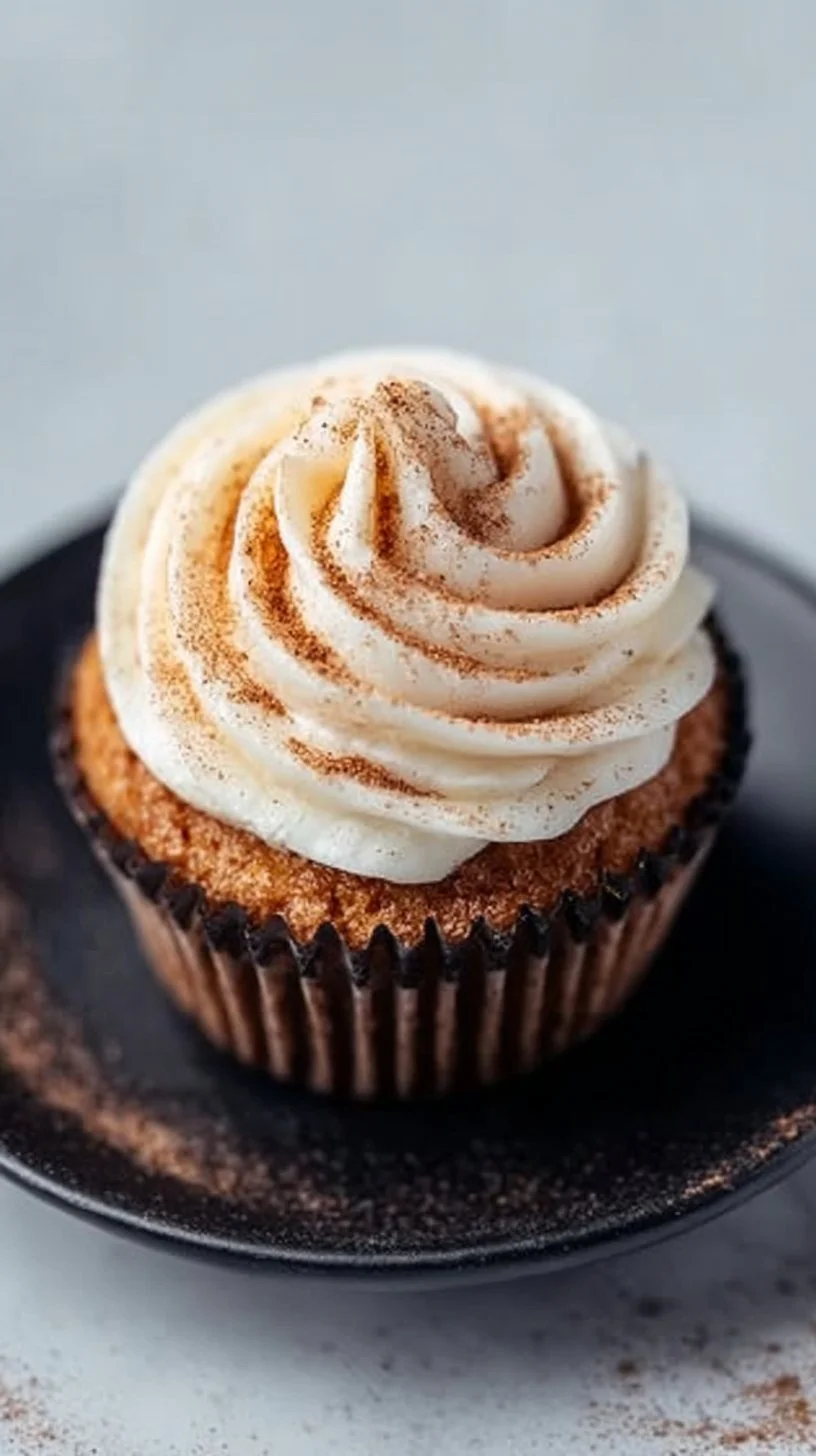
The first time I met a cinnamon roll transformed into a cupcake was in a small café on a rain-slicked street where the scent of yeast and spice wrapped itself around every passerby like a familiar shawl. Cinnamon Roll Cupcakes, a hybrid that feels both intimate and cosmopolitan, carry with them the warmth of kitchens and the itinerant genius of bakers who reimagine old comforts. They are the sort of thing that makes you close your eyes mid-bite and remember a grandmother’s porch, a northern market, or an autumn fair you stumbled into by chance. In many ways, they are a culinary compass pointing toward the shared human hunger for swirl, sweetness, and the solace of spice. For those who keep exploring the family tree of cinnamon-forward treats, there are surprising cousins and cousins-of-cousins to discover—like the playful riff of the cinnamon roll bliss bars—which remind you how recipes travel, mutate, and return home different but beloved.
The origin story & regional influence behind this dish
Cinnamon-spiced pastries have traced the arcs of trade routes and migration for centuries. The cinnamon stick itself is a conspirator in history: prized in ancient markets from Ceylon to Cairo, an exotic spice that found its way into European and eventually American pantries. The cinnamon roll, as we commonly know it, took shape in Northern Europe—particularly in the Scandinavian tradition of kardemummabullar and kanelbullar—where small, spiced buns became markers of fika, the ritual coffee pause that values slowness and company. When Scandinavian settlers and later urban bakers in North America sought to adapt comforting shapes into more modern, portable forms, the idea of the cinnamon roll collapsed neatly into cupcake-sized parcels, creating an approachable single-serve confection.
This miniature transformation also speaks to a North American tendency to democratize desserts: large, time-consuming bakes were shrunk into accessible, shareable forms that could traverse potlucks, school cafeterias, and commuter trains. Local variations emerged—richer with butter in regions that prized decadence, tangier in places that favor sour cream, or more restrained where the spice profile leans toward subtlety. The story of these cupcakes is not simply about ingredient lists; it’s a map of migration, urban convenience, and the way communities fold memory into a bite-sized form. Another line of descent and reinvention can be seen in American kitchens that play with roll-inspired bars and cookies, such as the diverse takes on cinnamon roll bliss bars, which celebrate the same core flavors but in different cultural frames.
How to make Cinnamon Roll Cupcakes
To make these Cinnamon Roll Cupcakes is to enact a small ceremony. The recipe collects ordinary pantry items—flour, butter, sugar—and arranges them to produce something fragrant enough to alter the mood of a room. Baking them is less about precise technical mastery and more about rhythm and attentiveness: creaming until light, alternating wet and dry like a conversation, and swirling the cinnamon paste with a gentle hand so that each cupcake tells its own tale in marbled lines. They are made to be shared at morning tables, window seats, and neighborhood gatherings where the glaze becomes a ribbon that glints like late-afternoon light. Below follows the ingredient list and the directions exactly as they are written, a small archive of the method that gives rise to those comforting spirals.
Ingredients :
1 1/2 cups all-purpose flour, 1/2 teaspoon baking powder, 1/4 teaspoon baking soda, 1/2 teaspoon ground cinnamon, 1/4 teaspoon salt, 1/2 cup unsalted butter, softened, 3/4 cup granulated sugar, 2 large eggs, 1 teaspoon vanilla extract, 1/2 cup sour cream, 1/4 cup whole milk, 1/4 cup brown sugar, 1 tablespoon ground cinnamon, 1/4 cup unsalted butter, melted, 1/2 cup powdered sugar, 1 tablespoon milk, 1/2 teaspoon vanilla extract
Directions :
Preheat the oven to 350°F (175°C) and line a 12-cup muffin tin with cupcake liners. , In a medium bowl, whisk together the all-purpose flour, baking powder, baking soda, ground cinnamon, and salt. , In a large mixing bowl, cream the softened butter and granulated sugar together using a hand mixer or stand mixer on medium speed until the mixture is light and fluffy, about 3-4 minutes. , Add the eggs one at a time, beating well after each addition. , Stir in the vanilla extract. , Alternate adding the dry ingredients and the sour cream to the butter mixture, starting and ending with the dry ingredients. , Mix until just combined. , Add the milk and gently mix until the batter is smooth and well incorporated. , In a small bowl, mix together the brown sugar and ground cinnamon for the cinnamon swirl. , Drizzle the melted butter into the cinnamon-sugar mixture and stir until it forms a paste. , Spoon a heaping tablespoon of batter into each cupcake liner, then top each with a small spoonful of the cinnamon-sugar mixture. , Use a toothpick or a small knife to swirl the cinnamon-sugar mixture into the batter, creating a marbled effect. , Add another heaping tablespoon of batter on top of each cinnamon swirl, filling the liners about two-thirds full. , Bake the cupcakes in the preheated oven for 18-22 minutes, or until a toothpick inserted into the center comes out clean. , Allow the cupcakes to cool in the tin for 5 minutes, then transfer them to a wire rack to cool completely. , While the cupcakes cool, make the glaze by whisking together the powdered sugar, milk, and vanilla extract in a small bowl. , Once the cupcakes are completely cool, drizzle the glaze over the top of each cupcake. , Allow the glaze to set before serving the cupcakes.
Ingredients through a cultural & historical lens
When you read the ingredients aloud—flour, butter, sugar, eggs—you hear the echoes of trade, agriculture, and domestic economies. The inclusion of sour cream and whole milk speaks to a dairy culture prevalent in Northern Europe and North America, where tang and richness anchor sweet breads with a comforting body. Brown sugar and cinnamon are shorthand for trade routes and plantation economies; their presence in modern recipes is layered with histories of exchange and exploitation, yet in kitchens they are also redemptive, turning complex pasts into gestures of care.
Powdered sugar glaze, simple as it is, has a ceremonial quality: a dusting or a drizzle that marks celebration. In many cultures, glazes are the final act of adornment, signaling that care was given. Even the act of using a toothpick to swirl the cinnamon speaks to improvisation and the human hand—small, decisive moves that have been practiced by home bakers for generations. The recipe, unpretentious on paper, becomes a palimpsest of histories: trade and migration, local dairying traditions, and the domestic rituals that enshrine daily life.
Cooking the dish: sensory notes & traditional techniques
The sensory arc of these cupcakes begins before the first bite. When the batter hits the warmth of the oven, the air fills with a fragrant duet of butter and cinnamon, melting into the more subtle aroma of vanilla and browned sugar. The crumb should be tender—not too dense—carrying the swirl like a memory line through each mouthful. The cinnamon paste, when swirled with a toothpick, creates veins of sticky sweetness that catch the light and the palate. The glaze, glossy and slightly cool, provides a contrapuntal texture: a quick, sweet snap against the soft cake beneath.
Traditional techniques here are less about strict ratios and more about the attention one gives to textures and temperatures. Let butter soften to the point where it will cream easily—this is an invitation to air. Whisk dry ingredients to distribute the spice evenly, as communities often pulse through recipes with such small acts of care. Swirling is an intimate, almost meditative motion: thoughtful, never violent, preserving both pattern and texture. These techniques are the kind that grandmothers demonstrate by hand, with a voice that explains not measurements alone but gestures—“don’t overmix,” “fold gently,” “let them cool so the glaze won’t run.” That oral transmission is as much a technique as any measuring spoon.
How different regions prepare their version
Regional variations read like postcards. In the American Midwest, cupcakes might be richer with extra butter and a brown-sugar-heavy swirl, meant to warm on cold mornings with thick coffee. In the Northeast, where European immigrant traditions run deep, the cake may lean toward a tighter crumb and a tang from sour cream that cuts through sweetness—an echo of Scandinavian buns set into a cupcake form. In the South, a more sultry glaze may appear, sometimes with a whisper of maple or buttermilk to complement local palates. Even within cities, neighborhood traditions shape the result: a bakery with roots in Latin America may add a pinch of anise or pair cinnamon with dulce de leche, while a café with a focus on New Nordic cuisine will emphasize purity of ingredients and restrained sweetness.
These variations are cultural conversations. They share DNA with other regionally spi‑ced or rolled goods; one can draw a line from these cupcakes to the inventive flavors of a carrot cake roll in a nearby bakery, where adaptation becomes a local signature. What remains constant is the desire to make the familiar feel like an offering—something toasted and spiced to be given, shared, and remembered.
Traditional ways this dish is shared or served
Cinnamon Roll Cupcakes fit beautifully into ritual. They are handed around at morning meetings, brought as a humble gift to new neighbors, and placed on holiday dessert tables where they bridge breakfast and dessert. In some households, they surface at weekend brunches, paired with thick-cut bacon and cups of strong, black coffee; in others, they appear as a late-afternoon consoling treat served with tea. Their single-serve nature makes them suited to potlucks and classrooms where portability and portion control matter.
Sharing them often involves stories—about the first time someone baked them for a partner, or how an aunt used to make them for winter solstice breakfasts. They travel in picnic baskets and paper bags, often accompanied by notes: “Bake for warmth,” “For the children,” “For the long drive.” The exchange itself—offering a cupcake—carries social currency. Another tradition, more playful, is pairing them with other spiced baked goods at community bake sales, where alongside you might find the sticky, maple-kissed comfort of chewy maple cinnamon cookies, creating a dialogue of texture and spice.
Storing the dish without losing its cultural essence
To store these cupcakes is to think of them as vessels of memory: they must be kept to preserve not just texture but the atmosphere they carry. Room temperature in an airtight container is often sufficient for a day or two; beyond that, refrigeration will slow staling but dull the buttery aroma. When retrieving them from cold, let them come to room temperature slowly so the spice and fat regain their perfume. For longer storage, freeze them unglazed, wrapped carefully; thaw and then apply glaze, as many home bakers do, treating the final garnish as a ritual finishing touch that revives both flavor and occasion.
These practices are local customs too—some cultures wrap sweet breads in cloth before tucking them away, others prefer communal sharing that eliminates storage concerns altogether. Choosing how to save them is an extension of how you intend to share them, and that intention is where cultural essence persists.
Cultural questions people often ask
People often ask: Are these really cinnamon rolls? The answer lies in lineage rather than strict definition: they are a translation, a condensed version of the roll’s spirit. Others wonder whether a glaze is obligatory; in many traditions, the glaze is the punctuation, the sign that a pastry is meant to be celebratory. Questions about substitutions—using less sugar or alternative flours—are common as modern palates and dietary needs evolve, and those adaptations are part of the living tradition of such recipes. Finally, many ask about the best moment to serve them: the true answer is whenever a small, fragrant sweetness can anchor a gathering or provide consolation—morning, noon, or a quiet evening.
A closing note on food, memory & travel
Food, for a traveler, is the most honest kind of map: it plots where people have lived, what they have loved, and the practicalities of climates and economies. A Cinnamon Roll Cupcake is a compact atlas. It contains routes of spice, migrations of technique, and the domestic habits of communities who turn a loaf into a personal offering. I have tasted these cupcakes in coastal bakeries and inner-city bakeries, in kitchens where a radio hums old songs and on tables where strangers exchange stories. Each time, the cupcake carried the light of its place—a village’s dairy rhythm, a city’s haste turned sweet, a family’s slow Saturday ritual.
Conclusion
For a familiar, lovingly spiced version you can compare with this hybrid, see a baker’s take at Pies and Tacos’ Cinnamon Roll Cupcakes, which explores a similar meeting of roll and cupcake. If you are interested in another swirl-focused recipe that emphasizes the cinnamon-sugar core in slightly different proportions, an inspired variation is available at Cinnamon Sugar Swirl Cupcakes. And for a blog-style narrative with images that trace the process visually, consider visiting The Cake Blog’s Cinnamon Roll Cupcakes to see how presentation and icing choices change the story on the plate.
Cinnamon Roll Cupcakes
Ingredients
Method
- Preheat the oven to 350°F (175°C) and line a 12-cup muffin tin with cupcake liners.
- In a medium bowl, whisk together the all-purpose flour, baking powder, baking soda, ground cinnamon, and salt.
- In a large mixing bowl, cream the softened butter and granulated sugar together using a hand mixer or stand mixer on medium speed until the mixture is light and fluffy, about 3-4 minutes.
- Add the eggs one at a time, beating well after each addition.
- Stir in the vanilla extract.
- Alternate adding the dry ingredients and the sour cream to the butter mixture, starting and ending with the dry ingredients. Mix until just combined.
- Add the milk and gently mix until the batter is smooth and well incorporated.
- In a small bowl, mix together the brown sugar and ground cinnamon for the cinnamon swirl.
- Drizzle the melted butter into the cinnamon-sugar mixture and stir until it forms a paste.
- Spoon a heaping tablespoon of batter into each cupcake liner, then top each with a small spoonful of the cinnamon-sugar mixture.
- Use a toothpick or a small knife to swirl the cinnamon-sugar mixture into the batter, creating a marbled effect.
- Add another heaping tablespoon of batter on top of each cinnamon swirl, filling the liners about two-thirds full.
- Bake the cupcakes in the preheated oven for 18-22 minutes, or until a toothpick inserted into the center comes out clean.
- Allow the cupcakes to cool in the tin for 5 minutes, then transfer them to a wire rack to cool completely.
- While the cupcakes cool, make the glaze by whisking together the powdered sugar, milk, and vanilla extract in a small bowl.
- Once the cupcakes are completely cool, drizzle the glaze over the top of each cupcake.
- Allow the glaze to set before serving the cupcakes.