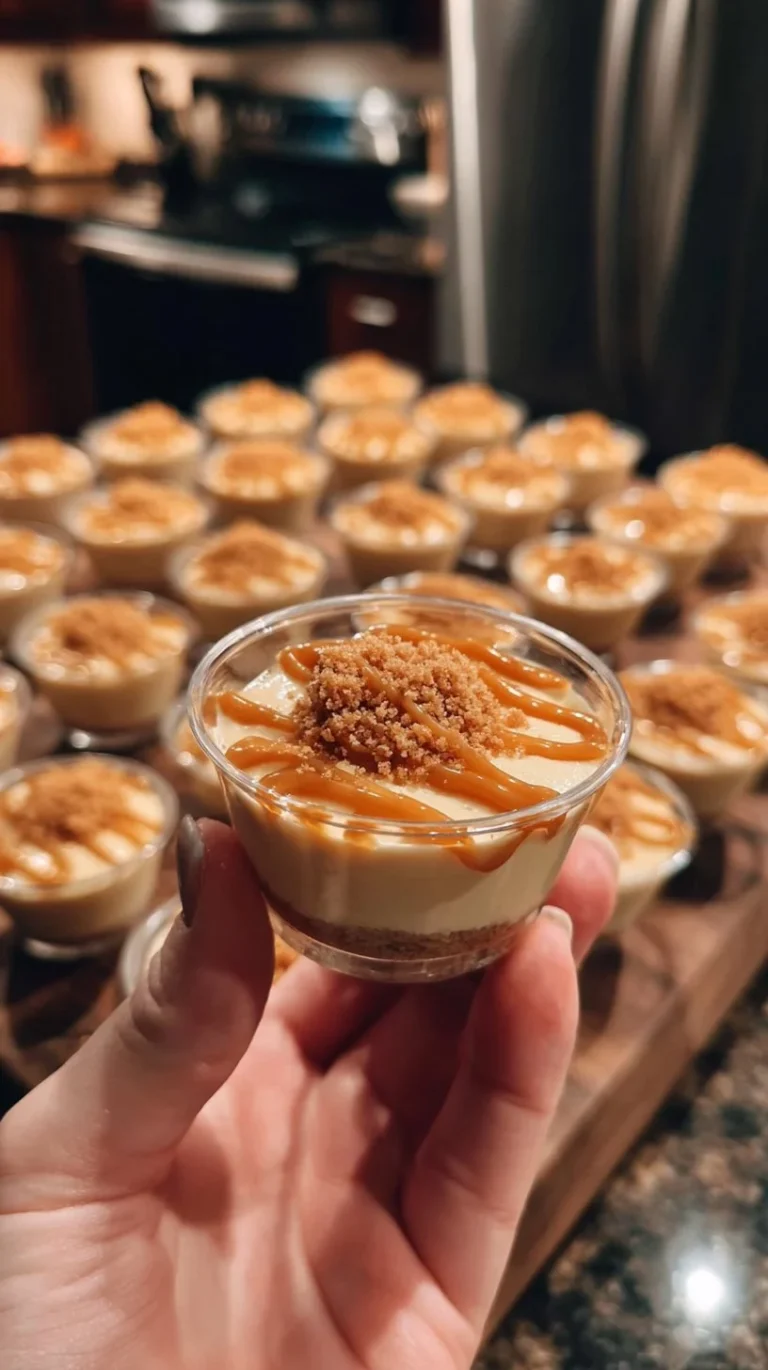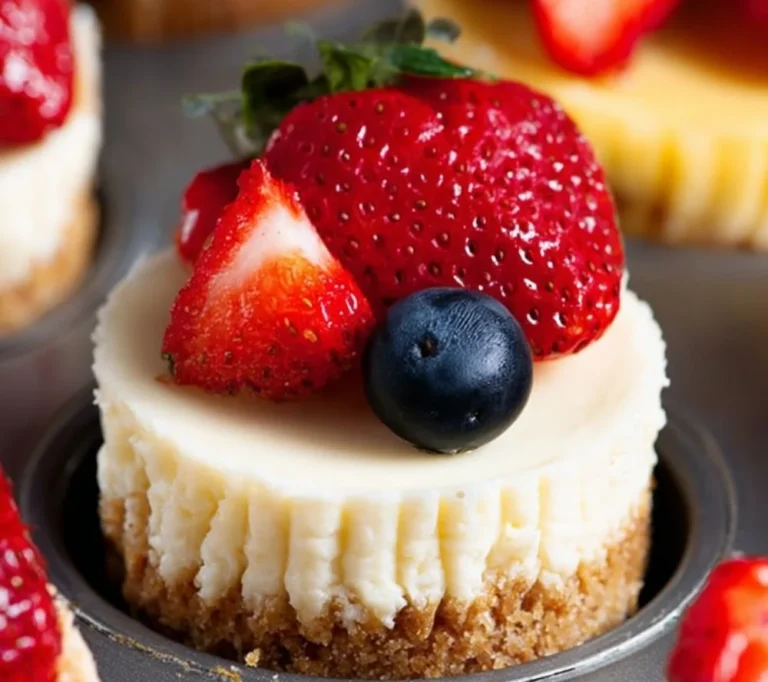
Mini Cannoli Cups

Introduction
Mini Cannoli Cups distill a classical Sicilian pastry into an immediately approachable format while preserving the defining contrasts of the original: a crisp, slightly sweet shell matched with a cool, creamy, subtly aromatic filling. This rendition prioritizes precision in texture and flavor layering. As a chef, I treat these cups not as a casual finger food but as a composed bite that must balance moisture, fat, sweetness, and temperature. The objective is to deliver the bright dairy tang of ricotta, the buttery depth of mascarpone, and the contrasting crunch of a properly prepared shell and garnish, all in an efficient mise en place designed for consistent results.
The culinary logic behind this dish
At its core, the Mini Cannoli Cups rely on contrast — crisp versus creamy, cool versus room temperature, fine-grain dairy versus intermittent crunchy elements. Ricotta contributes a clean, slightly granular dairy note and acidity that keeps the filling from becoming cloying. Mascarpone brings silkiness, body, and fat that round out the mouthfeel, creating a velvet texture that clings to the shell without collapsing it. Powdered sugar acts as a sweetener and stabilizer, dissolving into the dairy matrix to prevent grit. Vanilla extract is the aromatic anchor, elevating the dairy flavors without masking them.
From a structural standpoint, the shells are the only dry protective layer between the filling and the environment; their integrity determines the serving window. The culinary logic dictates filling at the last responsible moment to avoid moisture migration. Garnishes — chocolate chips or chopped pistachios — introduce flavor punctuation and textural contrast, aligning with the traditional cannoli profile while acknowledging the smaller footprint of a mini cup.
How to make Mini Cannoli Cups
Ingredients :
12 mini cannoli shells, 1 cup ricotta cheese, 1 cup mascarpone cheese, 1 cup powdered sugar, 1 teaspoon vanilla extract, chocolate chips or chopped pistachios (for garnish)
Directions :
- In a bowl, mix ricotta cheese, mascarpone cheese, powdered sugar, and vanilla extract until smooth., 2. Fill each mini cannoli shell with the cheese mixture., 3. Sprinkle chocolate chips or chopped pistachios on top for garnish., 4. Arrange on a plate and serve immediately.
The ingredients and directions above are presented verbatim to preserve the intended proportions and sequence. Below I will expand on technique, workflow, and timing to ensure those instructions execute at professional standard.
Ingredient analysis through a chef’s lens
Ricotta: The texture and moisture content of ricotta varies widely. Whole-milk, freshly drained ricotta is ideal; it contributes a delicate tang and a slightly grainy microstructure that, when blended with mascarpone, gives the filling a pleasing body. If ricotta is excessively wet, it will thin the filling and accelerate shell sogginess.
Mascarpone: This cheese supplies fat and silk. It emulsifies with ricotta when mixed gently, creating a stable, creamy matrix. Because mascarpone is temperature-sensitive, start with it at a cool-but-not-chilled state to avoid lumps.
Powdered sugar: Beyond sweetness, powdered sugar dissolves without leaving a grittiness that granulated sugar would. It helps bind the filling and slightly increases viscosity. Over-sweetening masks the dairy nuances; the quantity listed is calibrated for balance.
Vanilla extract: Use a pure extract for clean, complex aromatics. Vanilla enhances perceived sweetness and rounds the dairy flavors.
Mini cannoli shells: These must be crisp and free of oiliness. Their porosity governs how long they remain crisp once filled. Commercial shells vary, so treat them as a perishable asset.
Garnish: Chocolate chips supply bitter-sweet contrast and a firm crystalline bite; pistachios add an herbal, oily crunch. Both are traditional and selected to complement — not overpower — the dairy base.
Kitchen workflow & technique breakdown
Mise en place: Measure ingredients precisely and place tools within reach: small bowl, fine mesh strainer (optional), rubber spatula, piping bag or spoon, and a chilled serving platter. Pre-chilling the serving platter and the mascarpone by 10–15 minutes reduces warming during assembly.
Preparing the ricotta: If the ricotta appears loose, drain it briefly. Line a fine-mesh sieve with paper towel or cheesecloth and let it sit over a bowl for 20–30 minutes to remove excess whey. This step is optional but recommended for consistency and to prevent filling looseness.
Mixing method: Combine ricotta, mascarpone, powdered sugar, and vanilla in a bowl. Use a whisk or a flexible spatula and combine with measured, deliberate strokes to create a homogenous emulsion. Avoid vigorous whipping, which will incorporate air and change mouthfeel and stability. The directions specify “until smooth”; interpret this as a cohesive, lump-free texture achieved through gentle folding and low-speed whisking.
Filling technique: Filling at the right moment is critical. Transfer the mixture to a piping bag fitted with a medium plain tip for control, or use a small spoon if a piping bag is unavailable. Pipe slowly to avoid over-pressurizing the shell and breaking it; the objective is to fill the cavity without forcing cheese into the shell’s crevices where it will accelerate sogginess.
Garnishing: Apply chocolate chips or pistachios immediately after filling so they adhere but do not sink. Place larger chips sparingly to preserve bite balance. For chopped pistachios, toss through the topmost layer rather than pressing them into the filling to maintain contrast.
Texture control, heat management & timing
Temperature control governs texture. Serve the filling cool, ideally between 38–46°F (3–8°C). Cooler filling is firmer, making it easier to pipe and reducing migration into the shell. Mascarpone straight from the refrigerator is firmer and blends more predictably; bring it slightly toward room temperature only if it resists incorporation.
Timing: The shelf life of a filled mini cannoli cup is short due to moisture transfer. Plan assembly immediately before service — within 10–20 minutes of filling for optimal crispness. If you must prepare ahead, keep the shells and filling separate; assemble at the pass. If pre-filling is unavoidable, place filled cups in a single layer on a chilled tray and serve within 30–45 minutes.
Heat management: Although no high heat is applied in assembly, ambient kitchen temperature affects stability. In a warm kitchen, reduce assembly time and increase refrigeration breaks. Cold ingredients and chilled serving surfaces extend the working window and preserve mouthfeel.
Professional variations
Citrus lift: Zest from 1 small orange added to the filling yields bright, aromatic top notes that cut the richness. Add judiciously — the balance is subtle.
Liqueur infusion: A small splash of fine orange liqueur or amaretto incorporated into the filling can enhance complexity. Reduce powdered sugar slightly if adding liquid.
Chocolate-dipped rim: Dip the cup rims briefly into tempered dark chocolate, allow it to set before filling. This creates a moisture barrier and intensifies chocolate flavor. Note: this modifies shells but leaves original directions intact if done as a separate step.
Spiced pistachio crumble: Lightly toast chopped pistachios with a pinch of salt and a whisper of smoked sugar for an advanced garnish that adds savory depth.
Each variation preserves the foundational approach: protect shell integrity, keep filling cool, and apply garnish for contrast.
Finishing touches & plating philosophy
Plating mini cannoli cups is about rhythm and restraint. Arrange in small groups to create a repeating visual motif, maintaining consistent orientation so each guest recognizes the profile. Use negative space to emphasize texture contrast — a single cup on a small porcelain saucer looks deliberate, while an even row on a slate board reads modern. Garnish should be purposeful: a sprinkle of finely chopped pistachio at the center or three evenly distributed chocolate chips per cup ensures each bite begins with the intended textural cadence.
Temperature of the plate matters; a slightly chilled plate slows thermal equilibration. Avoid heavy sauces or wet elements under the cups; these will compromise shell crispness. If you choose to dust with extra powdered sugar, do so at service to preserve color and avoid dissolution.
Maintaining quality after cooking
Because there is no cooking in the final assembly, “after cooking” in this context means after shell preparation and during holding. Store shells in an airtight container at ambient temperature in a cool, dry area. Humidity and refrigeration lead to softening. Store the filling chilled and covered — tightly — to prevent skin formation and flavor loss.
If you must hold filled cups for short service periods, keep them on chilled trays and avoid stacking. Monitor for condensation when moving from cool storage to warmer service environments; allow trays to equilibrate slightly to prevent moisture beads forming on the filling surface.
Leftovers: If any remain, separate filling and shells for storage. Refrigerate the filling in an airtight container up to 48 hours; shells should be consumed within 24 hours or discarded if they have lost crispness.
Questions from home cooks (chef answers)
Q: Can I use only ricotta or only mascarpone?
A: Using only ricotta yields a lighter, grainier filling with less silk; only mascarpone produces a very rich, uniformly smooth filling that lacks ricotta’s tang. The combination leverages both strengths: balance is the goal.
Q: My ricotta is too wet. What should I do?
A: Drain it in a sieve lined with cheesecloth or paper towel for 20–30 minutes. Excess whey thins the filling and promotes shell sogginess.
Q: How do I prevent shells from becoming soggy?
A: Keep them dry and fill at the last moment. Use chilled filling to reduce moisture migration. For longer holding, consider applying a thin chocolate rim inside the shell as a moisture barrier.
Q: Can this be made ahead for an event?
A: Prepare filling and shells separately. Fill immediately before serving. If you must prepare a few hours in advance, accept some loss of crispness and store filled cups chilled on a single layer.
Q: Is piping better than spooning?
A: Piping gives control and reduces pressure applied to the shell, producing uniform distribution and a cleaner finish.
Final chef notes
This recipe is deceptively simple yet technically exacting. The ingredients are few, so technique defines the result. Focus on controlling moisture, temperature, and assembly timing. Respect the material qualities of the ricotta and mascarpone; treat the shells as a functional, fragile component — their crispness is central to the bite. When executed with care, Mini Cannoli Cups deliver concentrated, elegant flavors and texture contrasts that mirror their full-sized ancestor in miniature form.
Conclusion
For reference and variations from other accomplished sources, consult a classic mini cannoli cups adaptation at Love Bakes Good Cakes, an alternative presentation and technique notes at The Chunky Chef, and a concise six-ingredient approach at Kathryn’s Kitchen Blog.
Mini Cannoli Cups
Ingredients
Method
- In a bowl, mix ricotta cheese, mascarpone cheese, powdered sugar, and vanilla extract until smooth.
- Fill each mini cannoli shell with the cheese mixture.
- Sprinkle chocolate chips or chopped pistachios on top for garnish.
- Arrange on a plate and serve immediately.