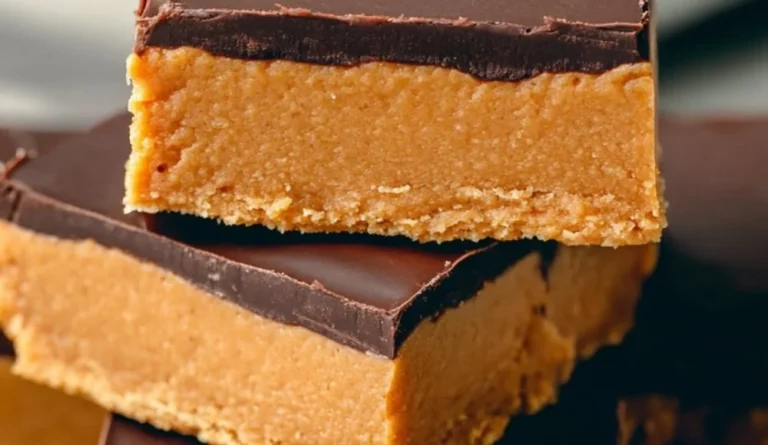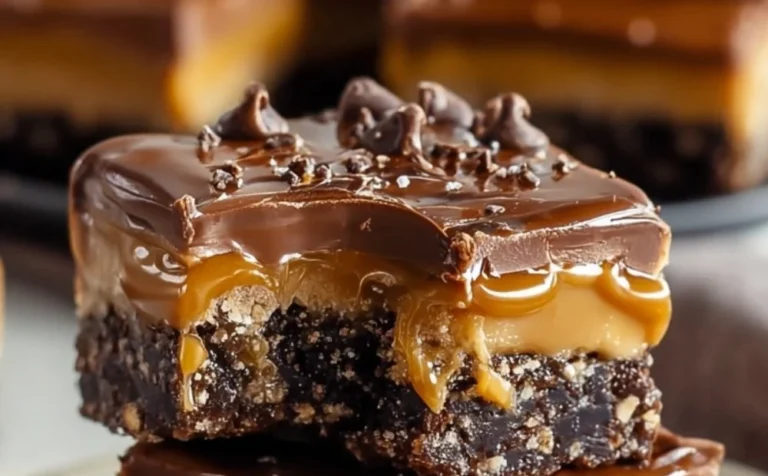
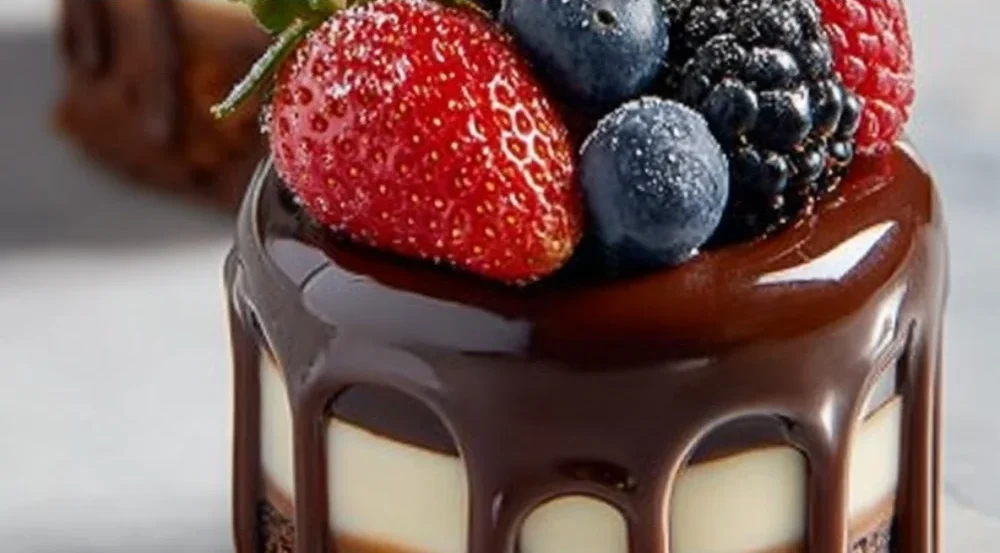
Loaded Brownie Cheesecake Dessert Cups
Introduction
There are recipes that arrive like postcards from another life — small, familiar, bearing the smudges and signatures of the kitchens that birthed them. The Loaded Brownie Cheesecake Dessert Cups are one of those, a compact jewel of joy that seems to transport you to a gathering room where laughter sits heavy in the air and someone always reaches for a second portion. In my travels through city markets and village alleys, these dessert cups have shown up in unexpected places: in American church basements after potlucks, at seaside cafés in places that have reinvented comfort food, and on the dessert tables of families who prefer bite-sized indulgence. For those who want to wander further into the world of sweets, I often point readers toward our wider desserts and sweet treats collection, where these cups feel right at home among other celebratory confections.
There is something inherently sociable about a dessert designed to be held in the hand. The compactness of a brownie crowned with cheesecake and a scatter of chocolate chips invites sharing, passing, and remarking upon texture and timing. They are the kind of thing you eat while standing in a kitchen doorway, steam from the coffee maker painting the air, or while perched on the edge of a picnic blanket with sunlight wrestling through leaves overhead. The sensory memory of that first bite — dense cocoa, the cool silk of cream cheese, the sharp swirl of caramel — can anchor a place in your personal map, a gastronomic coordinate that connects taste, moment, and memory.
The origin story & regional influence behind this dish
When I began asking around for the ancestry of these loaded brownie-cheesecake hybrids, the answers came as a chorus rather than a single voice. They are, fundamentally, a child of the late 20th-century American dessert imagination: convenience baking mixes meeting the home cook’s impulse to elaborate. The boxed brownie mix — a neat emblem of modern convenience — paired with a simple cheesecake topping, is an ingenious marriage of pantry pragmatism and indulgent decadence. In that sense, these cups are a testament to the era of the “quick bake,” when refrigeration and pre-made mixes altered the domestic calendar.
But the story deepens when you consider regional adaptations. In Midwestern potluck culture, for instance, the dessert cup becomes a portability solution — dessert that survives travel and transit, arriving intact and crowd-pleasing. In Southern hospitality circles, a drizzle of caramel or the addition of pecans turns the cups toward a warm, molasses-lit palate, echoing pecan pies and gooey chocolate pies that anchor many family tables. And in urban brunch spots, chefs might amplify the sweetness with flaky salt or a curl of espresso cream, nodding to contemporary taste for contrast.
Through it all, these cups carry a dual heritage — the frugal ingenuity of home cooks and the decorative flourish of celebratory desserts. The result is a recipe that can be both humble and showy, depending on the hand that finishes it.
How to make Loaded Brownie Cheesecake Dessert Cups
Ingredients :
1 box brownie mix, 1 package cream cheese, softened, 1/2 cup sugar, 1 teaspoon vanilla extract, 1 cup whipped cream, Chocolate chips, Crushed nuts, Caramel sauce
Directions :
- Preheat the oven according to the brownie mix instructions and prepare the brownie batter. Pour into cupcake liners in a muffin tin and bake as directed., 2. In a mixing bowl, beat together the cream cheese, sugar, and vanilla extract until smooth., 3. Once the brownies are cooled, remove them from the muffin tin and layer the cheesecake mixture on top of each brownie., 4. Top with whipped cream, chocolate chips, crushed nuts, and a drizzle of caramel sauce., 5. Chill in the refrigerator for at least 1 hour before serving.
To stand beside these steps is to stand beside the ritual of many kitchens: the measured patience of preheating, the hush that falls while batter transforms into something more permanent, the hush again as hot brownies rest and cool enough to accept the whisper-soft cheesecake. There’s a choreography to assembly that is more about feeling than technicality — dolloping, smoothing with the back of a spoon, letting tiny avalanches of chocolate chips tumble into place. If you are curious for more recipes in this spirit — easy to scale, generous in sweetness — consider how they sit beside other gatherings in our desserts and sweet treats archive.
Ingredients through a cultural & historical lens
Each ingredient in these cups has a small cultural biography. The boxed brownie mix is emblematic of mid-century mass-produced convenience food: shelf-stable, uniform, democratizing home baking for people with little time but longing for homemade ritual. Cream cheese, born in New York dairies and popularized across the United States, carries a cool-creamy delicacy that modern palates associate with cheesecake and bagel spreads alike. Sugar and vanilla are global travelers — sugar’s colonial and economic history is entangled with the rise of European trade networks, while vanilla’s story follows orchids that once seemed exotic and now perfume kitchens across continents.
Toppings such as chocolate chips and crushed nuts tell smaller, local stories. Chocolate chips owe their ubiquity to temperate American innovation, yet the cacao that feeds them is a product of tropical regions. Nuts like pecans or walnuts hark back to regional ecosystems — pecans especially to the Southern United States, where they are as much a cultural symbol as a flavor. Caramel sauce, with its amber hue and slow, patient creation, conjures kitchens where reduction and patient stirring are acts of care.
When assembled, the cups are a tapestry of histories: industrial convenience and regional commodity, global spice, and local orchard. They are, in their ingredients, a reminder that even the simplest pleasures travel through time and place before arriving at our plates.
Cooking the dish: sensory notes & traditional techniques
Making these dessert cups is less about rigorous technique and more about listening: listening for the oven’s gentle sigh as batter becomes cake, the hush as warm sugar cools to a sticky ribbon. The aroma in your kitchen will shift from the cocoa’s roast to the lactic sweetness of cream cheese; when the caramel is drizzled, there is a sound — a slow, viscous plop — as it finds its rest.
Texture is the quiet protagonist. The brownie is the anchor, dense and fudgy if properly baked, offering a concentrated chocolate note. The cheesecake layer brings a silky contrast, its cream catching light when smoothed. Toppings play a final scene: whipped cream adds air, chocolate chips a brittle snap, nuts a heartrending earthy crunch, and caramel a slow, warm envelope. Together, they compose multiple tempos in a single mouthful — immediate chocolate, slow cream, then a finishing sweetness that lingers.
Traditional techniques here are not complicated but are ritualistic: cooling brownies so they set properly, beating cream cheese until smooth to avoid lumps, and chilling to let flavors marry. These small practices are how many home cooks preserve the respectability of a recipe passed among friends.
How different regions prepare their version
Across regions, the template of brownie-plus-cheesecake becomes a canvas for local improvisation. In the American Midwest, you might find the cups studded with miniature marshmallows for a campfire echo, or topped with graham cracker crumbs in a wink towards s’mores. In the South, toasted pecans and a bourbon-tinged caramel speak to a love of deeply flavored, slowly built desserts. Urban bakeries on the coasts sometimes dust the final cream with flaked sea salt or espresso dust to cut sweetness and introduce modern contrast.
Further afield, in places where cream cheese is less common, cooks substitute similar-tasting curds or mascarpone, altering the mouthfeel slightly but preserving the idea of a cool, dairy topping. In this way, the cups become familiar to regional palates while retaining the pleasure of their original form. If you’d like to see how these sorts of adaptations live alongside other handheld sweets, our curated list of recipes offers many neighboring ideas, which you can explore at a larger collection of sweets.
Traditional ways this dish is shared or served
There is a generosity built into the format of these cups. They travel well, which makes them staples for potlucks, holiday buffets, and table spreads where variety is prized. In family contexts, they function both as reward and ritual: a child’s brownie elevated by the adult’s cheesecake topping, or a hostess’s quick triumph when a dozen identical beauties march from the fridge to the table. Presentation matters less than the act of offering; yet it is common to see these cups arranged on tiered trays or within boxes for gifts — small, edible tokens of affection.
At community events, the cups are often made in large batches, their assembly line becoming a social occasion. Friends will gather to press liners, fill tins, and trade stories as much as batter. The shared labor codifies the dessert as communal work, a practice that honours the idea that food warms both body and social bonds. For more ideas on how these communal desserts relate to the wider canon of sweets, browse related recipes in our collection at explore more dessert recipes.
Storing the dish without losing its cultural essence
Storage is an act of preservation and of respect. To store these dessert cups is not merely to extend their shelf life but to safeguard the textures and social intent embedded in them. Refrigeration is necessary because of the cream cheese and whipped cream; chilling makes for cleaner slices and ensures the cheesecake layer remains cool and bright against the dense brownie. Place them in an airtight container, layered with wax paper if stacking, and you preserve the intimacy of the first bite for a day or two.
If you must transport them, place them in a chilled box with ice packs on the journey, and try to keep them upright; the assembled toppings are part of the offering’s face, and their neatness is part of the reverence. Freezing is possible for unassembled elements — baked and cooled brownies or a separately frozen cheesecake batter — though the final texture after thawing will be slightly different. How a family chooses to store these cups often reflects how they hope to serve them later: casually, hurriedly, ceremonially.
Cultural questions people often ask
People ask, should this be a formal dessert or an after-school treat? The answer, culturally, is both. Is the boxed mix culinary sacrilege? In many communities, convenience is not shameful but practical; adding the homemade cheesecake transforms it into a hybrid that carries both economy and care. Is there a right topping? That depends on region and memory: someone’s grandmother’s pecans carry as much authority as a pastry chef’s fleur de sel.
Another common question is when to serve these: are they for celebrations or everyday joy? The cultural truth is that desserts like these often blur the line — they can anchor a funeral’s coffee hour and a child’s birthday with equal grace. Finally, many ask how to make them less sweet; the regional answer often involves adding a hint of salt, espresso, or a citrus zest to the cream layer, small touches that nod toward balance while keeping the dessert’s essential generosity.
A closing note on food, memory & travel
Travel teaches me that food is a language of hospitality: a shared cup, a plate passed across a table, the careful arrangement of toppings. The Loaded Brownie Cheesecake Dessert Cups are a small, eloquent paragraph in that language. They tell the story of convenience married to celebration, of regional flavors braided with immigrant ingredients, and of the human impulse to transform the ordinary into something worth remembering. When I eat one, I taste more than sugar and chocolate; I taste kitchens where hands have learned their sequence, living rooms where stories are traded, and the slow accumulation of small traditions that make a recipe more than a list of parts.
If this recipe is a place to return to, then it is also a place to start conversations: about how we adapt food across landscapes, about who gets to call a dessert “traditional,” and about the way simple things — a drizzle of caramel, a scatter of nuts — can become a signature of love. These cups are proof that the sweetest travel memories are often compact and unexpected, savored between the moments that define a trip.
Conclusion
For a practical, closely related version of this idea that shows step-by-step photos and variations, see Brownie Cheesecake Cups – Simply Stacie.
Loaded Brownie Cheesecake Dessert Cups
Ingredients
Method
- Preheat the oven according to the brownie mix instructions and prepare the brownie batter.
- Pour the brownie batter into cupcake liners in a muffin tin and bake as directed.
- In a mixing bowl, beat together the cream cheese, sugar, and vanilla extract until smooth.
- Once the brownies are cooled, remove them from the muffin tin and layer the cheesecake mixture on top of each brownie.
- Top with whipped cream, chocolate chips, crushed nuts, and a drizzle of caramel sauce.
- Chill in the refrigerator for at least 1 hour before serving.