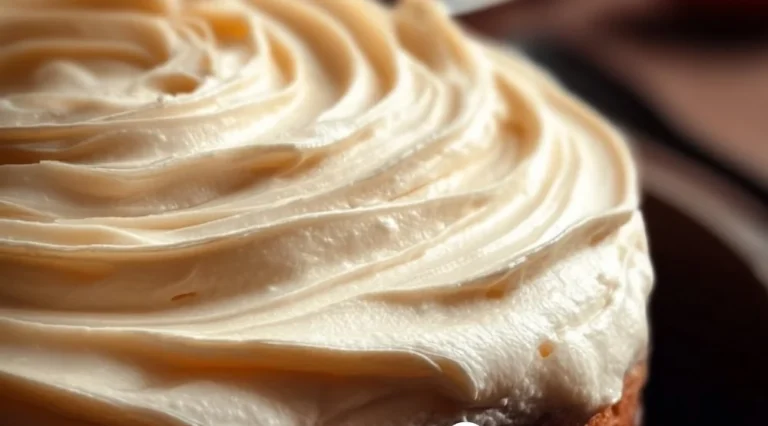
Caramel Apple Cheesecake Bars
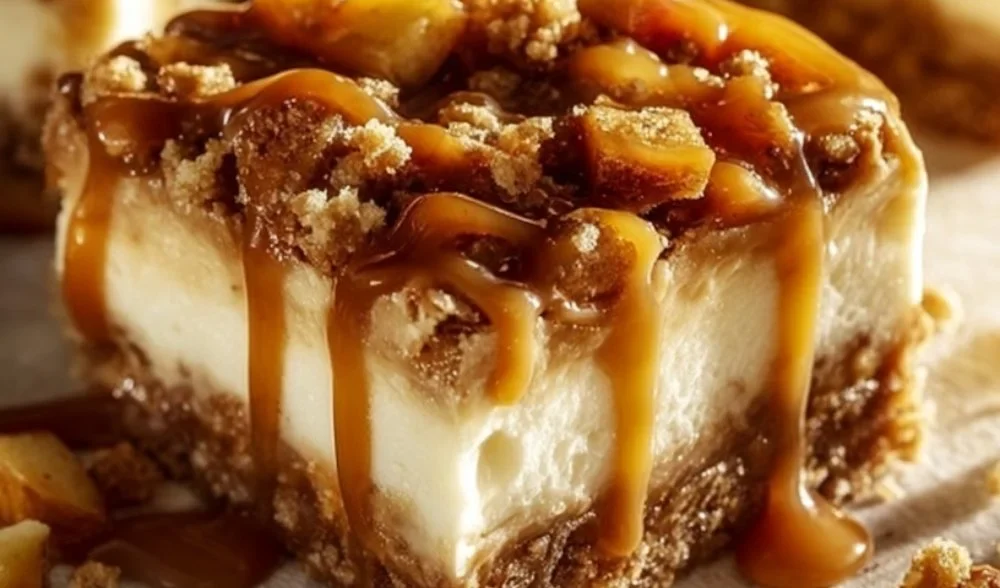
Introduction
As a nutrition specialist, I approach recipes like the Caramel Apple Cheesecake Bars through a lens of balance, digestion, and sustainable eating patterns. Desserts can be both nourishing and enjoyable when we understand their components and how they fit into a broader pattern of eating. This article will walk through the recipe step by step, explain the nutritional roles of the main ingredients, and offer practical, evidence-based suggestions to support digestion, satiety, and long-term wellness. My aim is to help you enjoy this seasonal treat without guilt, with clear, actionable guidance that respects taste and physiology.
How this recipe supports overall wellness
Caramel Apple Cheesecake Bars combine elements that contribute to satiety and pleasure—two important factors for sustainable eating. The cream cheese and eggs provide concentrated protein and fat, which slow gastric emptying and can help reduce post-meal blood sugar spikes when the bars are eaten in reasonable portions. Apples contribute fiber and polyphenols that support gentle digestion and beneficial microbial activity in the gut. The graham cracker crust provides carbohydrates for quick energy and a pleasing texture that makes the bar satisfying.
From a wellness perspective, the dessert can serve several functions: it can be a controlled treat that prevents overindulgence later, a component of social meals that supports emotional wellbeing, and a source of important micronutrients (calcium from dairy, vitamin C and fiber from apples) when balanced with other foods across the day. The key is portion awareness and pairing the bars thoughtfully within a meal pattern that includes vegetables, lean protein, and hydration.
How to make Caramel Apple Cheesecake Bars
A clear technique helps the finished bars set well and remain pleasant to digest. Room-temperature cream cheese blends more evenly, which reduces the amount of additional sugar needed for smoothness. Folding apples into the batter rather than over-mixing keeps some texture and releases less juice, avoiding a soggy crust. The caramel swirl creates small pockets of concentrated sweetness—visually appealing and easier to distribute so a single bite doesn’t spike sugar load.
When baking, a moderate oven temperature like 350°F (175°C) allows the cheesecake layer to set without over-browning. After baking, cooling and refrigeration are important not only for texture but also for food safety and digestibility; chilling helps the structure firm up so portions hold together, and cooler desserts may be easier on sensitive stomachs for some people. Below are the recipe details exactly as provided.
Ingredients :
1 1/2 cups graham cracker crumbs, 1/3 cup sugar, 1/2 cup unsalted butter, melted, 3 (8-ounce) packages cream cheese, softened, 1 cup sugar, 1 teaspoon vanilla extract, 3 large eggs, 2 cups diced apples, 1 cup caramel sauce, 1 teaspoon cinnamon
Directions :
- Preheat the oven to 350°F (175°C). Grease an 8×8-inch baking dish., 2. In a bowl, mix graham cracker crumbs, 1/3 cup sugar, and melted butter until combined. Press the mixture into the bottom of the prepared baking dish., 3. In a large bowl, beat cream cheese until smooth. Gradually add 1 cup sugar and vanilla extract, mixing until well combined., 4. Add eggs, one at a time, mixing just until incorporated. Fold in diced apples and cinnamon., 5. Pour the cream cheese mixture over the crust in the baking dish and spread evenly., 6. Drizzle caramel sauce over the top and swirl with a knife for a marbled effect., 7. Bake for 40-45 minutes or until set. Allow to cool, then refrigerate for at least 2 hours before cutting into bars. Serve chilled.
Nutrient roles of each main ingredient
- Graham cracker crumbs: Primarily a source of carbohydrates. If whole-grain graham crackers are used, you get slightly more fiber, which helps slow digestion and supports stable blood sugar. Crumbs also provide structure to the bar.
- Sugar (both crust and filling): Adds sweetness and improves texture. Added sugars increase the caloric density without providing micronutrients, so portion control matters. In combination with fat and protein, the glycemic impact is moderated compared with sugar alone.
- Unsalted butter: Contributes fat that improves mouthfeel and satiety. Butter is high in saturated fat; used in moderation it helps texture and flavor but should be balanced with overall dietary patterns that favor unsaturated fats from other meals.
- Cream cheese: Major source of fat and some protein, along with calcium and vitamin A. The fat content helps create a creamy texture and slows gastric emptying, which can make the dessert more satisfying.
- Eggs: Provide high-quality protein and nutrients like choline and B vitamins, which support cellular function and metabolism. Eggs assist with structure and binding in baked goods.
- Apples: Offer fiber (mainly soluble pectin) and phytonutrients such as flavonoids. The fiber supports digestion, feeds beneficial gut bacteria, and helps moderate the glycemic response.
- Caramel sauce: Concentrated added sugar; it contributes flavor and mouthfeel. Like other sugars, it’s best enjoyed in small amounts within an overall balanced diet.
- Cinnamon: Adds flavor and antioxidants. Spices like cinnamon enhance taste while adding negligible calories and may improve palatability, reducing the urge to add extra sugar.
The preparation method & its health impact
Baking at a moderate temperature preserves the structural integrity and limits excessive browning, which can create compounds that some people prefer to minimize in their diet. Mixing cream cheese until smooth reduces pockets of uneven texture and allows you to use the given sugar amount without needing extra sweeteners to mask graininess. Folding rather than vigorously beating the apples prevents over-release of apple juice, keeping the crust from becoming soggy.
Chilling the bars before slicing is both a culinary and safety step: it helps the fat and proteins stabilize, producing clean slices, and refrigeration reduces bacterial growth risk. The digestion of this dessert will be slower than a pure sugar cookie because of the higher protein and fat content—this is a benefit for satiety and steady energy. However, those monitoring carbohydrate intake should be mindful that the combination of graham crumbs and caramel contributes a meaningful carbohydrate load per serving.
Ways to lighten, enrich or modify the dish nutritionally
While the recipe should be followed as written when you want the classic result, there are sensible ways to make choices across occasions:
- Lighter swaps (occasional): Reduce the crust sugar to 2 tablespoons or use finely ground whole-grain graham crackers for added fiber; select a light or reduced-fat cream cheese to lower saturated fat, recognizing texture will change slightly.
- Enriching protein and calcium: Serve smaller bars alongside a dollop of plain Greek yogurt to add protein and probiotics, or include a sprinkle of chopped toasted nuts for extra protein, unsaturated fat, and texture.
- Increasing fiber and micronutrients: Add a tablespoon of flaxseed or finely chopped walnuts to the crust for omega-3s and fiber, or mix in a cup total of mixed diced fruit (pear + apple) to increase volume and fiber without greatly altering the baking behavior.
- Reducing added sugar impact: Pair the bar with unsweetened tea or coffee and a protein-rich snack if serving a smaller piece so the overall meal has balanced macronutrients.
All of these adjustments are trade-offs: they change texture, flavor, or shelf life. Choose modifications that fit your taste and nutritional priorities and test small batches.
Pairing ideas for a balanced, complete meal
Desserts fit best when meals contain a blend of vegetables, lean protein, and whole grains to stabilize blood sugar and provide nutrients. For example:
- After a vegetable-forward main (grilled salmon with a mixed greens salad and quinoa), serve a modest square of the cheesecake bar to satisfy sweet cravings without overwhelming the meal’s nutrient balance.
- For a lighter dessert course, pair a small bar with a seasonal fruit salad and unsweetened Greek yogurt to add protein and live cultures.
- If sharing the dessert during a brunch, include protein-rich options like scrambled eggs or smoked salmon and a selection of fresh fruit to encourage smaller portions of the bars while keeping everyone satisfied.
Portion control and pairing are practical strategies to enjoy flavorful desserts while maintaining balanced nutrition across the day.
Safe storage, food safety & optimal reheating
Refrigerate the bars for at least 2 hours before cutting and keep them refrigerated thereafter. Because the filling contains dairy and eggs, store tightly covered in the refrigerator and consume within 3–4 days for best quality. If you want longer storage, wrap tightly and freeze for up to 2 months; thaw in the refrigerator overnight before serving.
Avoid leaving the bars at room temperature for more than two hours, or one hour if ambient temperature is above 90°F (32°C), to minimize bacterial growth. Reheating is generally unnecessary—these bars are best served chilled or at cool room temperature—but if you prefer a warm bite, microwave a small portion for 10–12 seconds or place a single square in a 275°F (135°C) oven for 5–8 minutes to gently take the chill off without melting the caramel or altering texture too much.
Common nutrition questions about this dish
- Is this dessert “healthy”? Dessert can be part of a healthy diet when portions are reasonable and overall daily intake supports activity and nutrient needs. These bars contain protein and fat, which offer satiety, and apples add fiber—so they are a more balanced treat than pure sugar confections, but still energy-dense.
- How often can I have it? Frequency depends on your individual energy needs, activity level, and goals. For many people, an occasional serving (weekly or less) fits comfortably in a balanced pattern. If you have specific metabolic conditions, work with a clinician for personalized guidance.
- What about blood sugar management? The presence of fat and protein moderates the glycemic impact compared with a carb-only dessert, but the bars still contain added sugars. Combine a small portion with a protein source or fiber-rich side and monitor portion size to help manage blood sugar response.
- Allergens and sensitivities: This recipe contains dairy, eggs, wheat (graham crackers), and added sugars. Lactose-intolerant individuals may tolerate small amounts of cream cheese, but alternatives like lactose-free cream cheese or a plant-based cream cheese can be considered, noting that texture and flavor will differ.
- Can children eat this? Yes, in appropriate portion sizes. For younger children, cut smaller pieces and serve as part of a meal that includes fruit or protein to slow intake and add nutrients.
Final wellness notes
Enjoying foods you love supports long-term adherence to healthy eating. The Caramel Apple Cheesecake Bars offer sensory satisfaction—sweetness, creaminess, and a pleasant texture—that can make a small portion feel fulfilling. Focus on mindful eating: serve reasonable portions, savor each bite slowly, and pair with foods that add protein and fiber when possible. Remember that occasional treats are part of a balanced lifestyle. If you have specific dietary goals or medical conditions, use these general suggestions as a starting point and consult a registered dietitian or clinician for individualized planning.
Conclusion
If you’d like to see alternate presentations of this dessert or compare technique notes, you can review a straightforward version at Caramel Apple Cheesecake Bars | The Girl Who Ate Everything for inspiration. For a step-by-step, photo-rich guide that highlights visual cues during preparation, consider the version at Caramel Apple Cheesecake Bars – Our Best Bites. If you’re exploring another take with slightly different ingredient proportions and serving suggestions, the recipe at Caramel Apple Cheesecake Bars – Completely Delicious can provide useful comparison points.
Caramel Apple Cheesecake Bars
Ingredients
Method
- Preheat the oven to 350°F (175°C). Grease an 8×8-inch baking dish.
- In a bowl, mix graham cracker crumbs, 1/3 cup sugar, and melted butter until combined. Press the mixture into the bottom of the prepared baking dish.
- In a large bowl, beat cream cheese until smooth. Gradually add 1 cup sugar and vanilla extract, mixing until well combined.
- Add eggs, one at a time, mixing just until incorporated. Fold in diced apples and cinnamon.
- Pour the cream cheese mixture over the crust in the baking dish and spread evenly.
- Drizzle caramel sauce over the top and swirl with a knife for a marbled effect.
- Bake for 40-45 minutes or until set. Allow to cool, then refrigerate for at least 2 hours before cutting into bars.
- Serve chilled.