Viral Banana Bark
Introduction
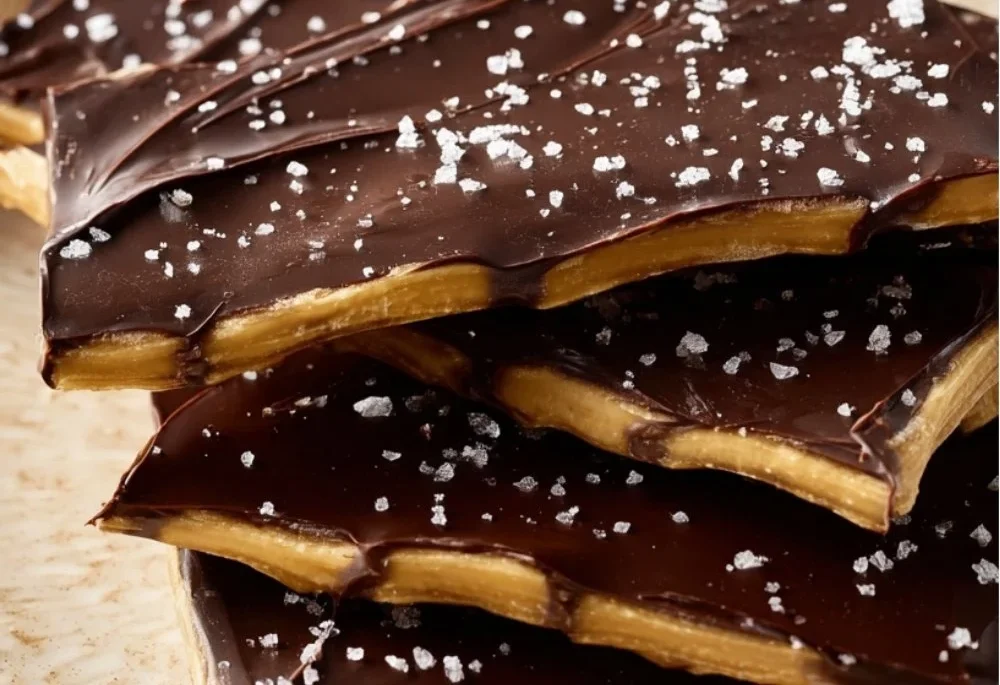
Viral Banana Bark is a simple, comfort-forward frozen treat that blends ripe bananas, peanut butter, and chocolate into an easy-to-share snack. As a nutrition specialist, I see this recipe as an accessible way to enjoy whole-food ingredients with minimal processing, while still satisfying sweet cravings. It’s friendly for home cooks of all levels and can be tailored slightly to meet individual preferences for texture, sweetness, and nutrient balance.
If you’re exploring other small-batch, fruit-forward snacks that pair natural sweetness with texture, you might enjoy the approachable takes on fruit bark such as the viral chocolate date bark. Keep in mind that this version focuses on three or four simple ingredients and the freezer, rather than baked or long prep methods. Below I’ll walk through how this particular recipe supports digestion and balance, the nutrient roles of each ingredient, safe handling, and practical ways to adjust the profile for different health goals.
How this recipe supports overall wellness
Viral Banana Bark combines a fruit base with protein-rich peanut butter and a touch of chocolate. From a wellness perspective, it supports satiety and micronutrient variety in small, controllable portions. Bananas supply potassium and dietary fiber—including both soluble and insoluble fractions—that can help regulate bowel movements and support a healthy gut environment. Peanut butter contributes plant-based protein and unsaturated fats, which are valuable for longer-lasting fullness and for supporting heart-healthy lipid profiles when consumed in moderation. Dark chocolate chips (or milk, if preferred) add flavor and small amounts of minerals like magnesium and iron; when chosen as dark chocolate, you also get a modest amount of flavonoids that have been associated with vascular health in population studies.
The frozen format slows consumption, which often helps people eat mindfully; slower eating is associated with better digestive signaling and improved satiety cues. Because this recipe is easily portioned and stored in the freezer, it can help prevent impulsive choices and reduce reliance on highly processed sweets. Overall, when used as an occasional dessert or snack, Viral Banana Bark can fit into a balanced eating pattern that emphasizes whole foods, fiber, and a mix of macronutrients.
How to make Viral Banana Bark
Ingredients :
2-3 ripe bananas, 1/2 cup creamy peanut butter, 1 cup chocolate chips (dark or milk), 1 teaspoon coconut oil (optional, for melting chocolate), Pinch of sea salt
Directions :
- Line a baking sheet with parchment paper. Slice the bananas into thin rounds or halves., 2. Arrange the banana slices on the parchment paper in a single layer, close together., 3. Spread a thin layer of peanut butter over the banana slices., 4. In a microwave-safe bowl, melt the chocolate chips with coconut oil (if using) in 30-second intervals, stirring until smooth., 5. Drizzle the melted chocolate evenly over the peanut butter layer., 6. Sprinkle with sea salt., 7. Freeze for at least 2-3 hours, or until firm. Once frozen, break or cut into bark pieces. Store in an airtight container in the freezer.
The method is intentionally straightforward: slice, layer, top, freeze. Because there is no baking, the recipe preserves heat-sensitive nutrients and keeps preparation time low. Below I expand on why each ingredient contributes to the recipe’s nutritional benefits and how to adapt it responsibly.
Nutrient roles of each main ingredient
- Bananas: Ripe bananas are primarily a source of carbohydrates, mostly simple sugars and resistant starch (particularly when slightly underripe). They provide potassium, vitamin B6, and vitamin C in modest amounts. The fiber in bananas supports regularity and provides substrate for beneficial gut microbes, which is helpful for digestion. For people managing blood sugar, pairing the fruit with protein and fat—as this recipe does—helps slow glucose absorption.
- Peanut butter: This ingredient contributes concentrated energy in the form of unsaturated fats and plant protein. A typical half-cup serving used across multiple portions will add both satiety and essential fats, including monounsaturated fatty acids that are associated with beneficial lipid profiles. Peanut butter is also a source of niacin, vitamin E, magnesium, and some fiber.
- Chocolate chips: Choosing dark chocolate chips increases the proportion of cacao-derived polyphenols and typically reduces added sugar, compared with many milk chocolates. Chocolate contributes small amounts of minerals and antioxidants; however, it is energy-dense, so portion control is important. Using chocolate primarily as a minimal coating rather than the base ingredient helps keep the treat balanced.
- Coconut oil (optional): A teaspoon helps with melting and glossy texture. It adds a small amount of saturated fat; used sparingly, it primarily affects mouthfeel rather than significantly altering nutrient balance.
- Sea salt: A pinch enhances flavor and can make the sweetness more satisfying with a smaller portion of chocolate. For most people, this small amount won’t notably impact sodium intake.
Taken together, these ingredients create a snack with carbohydrates for energy, fats for satiety and flavor, and protein to moderate blood sugar response. It’s best enjoyed in modest portions as part of a varied diet.
The preparation method & its health impact
Freezing is a low-impact preservation method that retains the nutritional quality of the fresh ingredients. There is no high-heat cooking step, so vitamins sensitive to heat—like vitamin C and B6—are preserved. The minimal processing also keeps the ingredient list short and predictable.
From a digestive standpoint, freezing the banana converts some sugars into forms that may be slightly less rapidly absorbed once fully frozen, and the peanut butter adds fat and protein to slow gastric emptying. This combination can help reduce rapid post-snack blood sugar spikes compared with eating a banana alone. The texture change from freezing can also slow the pace of eating; many people take longer to eat frozen items, which supports better internal cues for fullness.
Because bananas brown once thawed and exposed to air, keeping the bark frozen until consumption preserves both color and texture. If left to thaw fully at room temperature, the product will become softer and more perishable, so mindful handling is important for food safety and optimal enjoyment.
Ways to lighten, enrich or modify the dish nutritionally
- Lighten (reduce energy density):
- Use a thinner layer of peanut butter or use a lower-calorie nut spread diluted slightly with mashed banana.
- Choose dark chocolate with a higher cacao percentage but use less of it; a light drizzle delivers flavor without large calorie additions.
- Enrich (increase nutrients):
- Sprinkle hemp seeds or chia seeds over the peanut butter before adding chocolate for extra omega-3s, fiber, and plant protein.
- Add a dusting of ground cinnamon for flavor and potential blood-sugar modulating effects.
- Swap some of the peanut butter for almond butter for a slightly different nutrient profile (more vitamin E, different fatty acid ratios).
- Modify for allergies or preferences:
- Use sunflower seed butter to make the recipe nut-free while maintaining a similar fat-protein profile.
- Replace peanut butter with Greek yogurt spread (thicker texture required, may need quick refreeze) for increased protein and reduced fat.
- Increase fiber and micronutrients:
- Layer in thin slices of kiwi or berries between banana and peanut butter for additional fiber, vitamin C, and antioxidants; be mindful that added moisture can affect freezing texture.
When making modifications, maintain the balance of carbohydrate, protein, and fat to preserve the benefit of moderated glycemic response and satiety.
Pairing ideas for a balanced, complete meal
Viral Banana Bark works best as a snack or dessert, rather than a standalone meal, because it’s primarily carbohydrates and fats with modest protein. To turn it into a more balanced eating occasion, pair a serving with:
- A small savory component with lean protein: try a hard-boiled egg or a few slices of turkey to add complete protein and balance the sweetness.
- A fiber-rich side: pair with a small mixed green salad or a cup of raw veggies to increase satiety and add bulk without much added sugar.
- Dairy or dairy-alternative beverage: a glass of milk or fortified plant milk adds calcium and extra protein to round out the meal.
Matching the bark with savory and protein-rich foods helps stabilize blood sugar and supports digestive comfort. If you’re serving it to children or someone with high energy needs, a pairing can create a more complete nutrient profile.
For those who enjoy exploring similar viral snack trends and want more ideas to pair or alternate with this treat, check out this collection of viral trending recipes for inspiration.
Safe storage, food safety & optimal reheating
- Storage: Store the finished bark in an airtight container in the freezer. Because bananas brown as they thaw, keeping the bark frozen until ready to eat preserves quality. When layered in a container, use parchment between layers to prevent sticking.
- Shelf life: For best quality, consume within 2–4 weeks. While freezing keeps it safe longer, flavor and texture may degrade over time.
- Thawing and serving: Remove from the freezer and allow a few minutes at room temperature before breaking into pieces if you prefer a slightly softer bite. Do not repeatedly refreeze partially thawed bark; that increases bacterial risk and negatively affects texture.
- Reheating: This is a frozen snack; reheating is not recommended. If you need softer texture, brief room-temperature thawing is preferable to microwaving.
- Food safety considerations: Use clean utensils and surfaces when preparing to avoid cross-contamination. If anyone consuming the bark has a peanut allergy, substitute an appropriate seed butter and label portions clearly.
Common nutrition questions about this dish
- Is this recipe good for blood sugar control?
Paired with peanut butter and eaten in moderate portions, the fat and protein help blunt the rise in blood glucose that would occur from eating a banana alone. Portion size remains the key factor. - Can I eat this if I’m watching calories?
Yes, if you control portion sizes and limit the amount of chocolate and peanut butter per serving. Consider thinner peanut butter layers and smaller pieces of bark. - Is it suitable for children?
Generally yes, as a treat. Adjust texture (smaller pieces) for younger children and supervise to reduce choking risk. Choose milk chocolate if children prefer it, but be mindful of added sugars. - Is the frozen format better than baked desserts?
Freezing preserves heat-sensitive nutrients and avoids added fats often used in baking. However, nutritional value depends on ingredients and portion sizes rather than the cooking method alone. - Can people with digestive issues eat this?
The fiber in bananas supports many people’s digestion, but individual tolerance varies. If you have known sensitivities to FODMAPs or certain fibers, test a small portion first and monitor symptoms.
Final wellness notes
Frozen treats like Viral Banana Bark can be a practical part of a balanced eating plan when enjoyed mindfully. They provide a way to satisfy sweetness using real food ingredients, and simple adjustments can align the snack with specific dietary priorities—whether that’s lowering calories, increasing protein, or accommodating allergies. Emphasize variety across the day: pair this treat with vegetables, lean proteins, and whole grains during other meals to ensure nutrient adequacy. Moderation and mindful portioning are the best tools for long-term wellness, and recipes like this can support enjoyment without sacrificing nutritional purpose.
Conclusion
If you want more step-by-step inspiration for a chocolate-peanut-banana format, this Best Chocolate Peanut Butter Banana Bark Recipe offers a classic rendering with helpful visuals. For another plant-focused take on frozen fruit bark that’s been trending, see the Frozen Banana Bark (Tasty Viral Trend) guide for alternative flavors and presentation ideas.